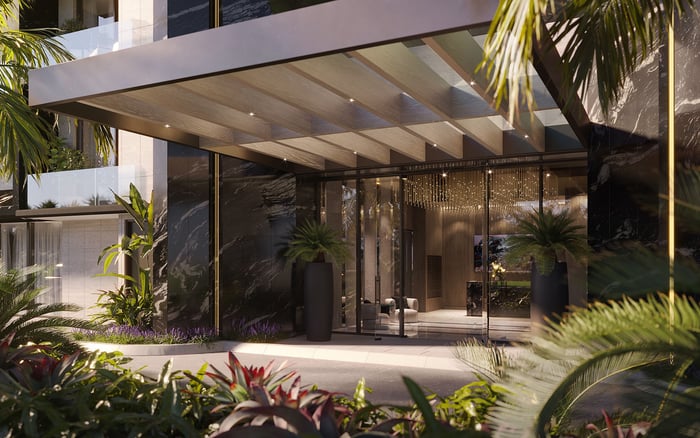
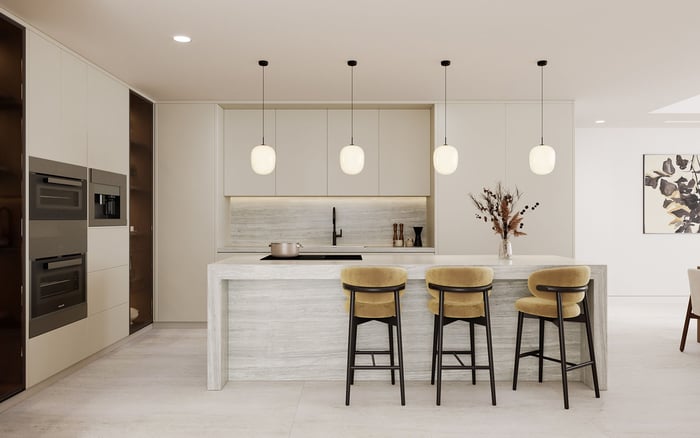
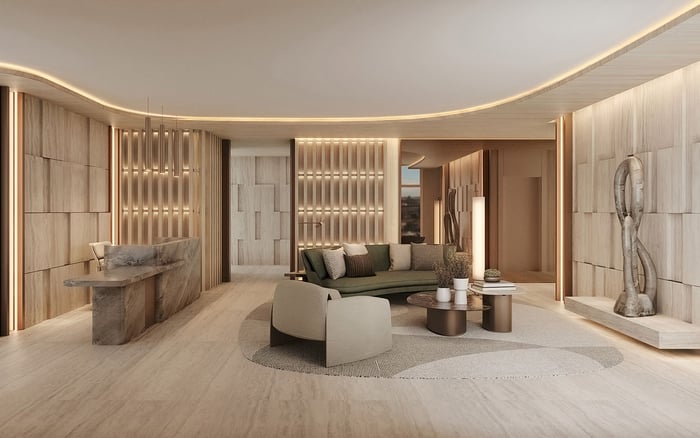
A buyer-focused comparison of Continuum Club & Residences in North Bay Village and La Baia North in Bay Harbor Islands through the harder infrastructure questions that shape daily ownership: parking rights, EV readiness, garage geometry, and private-driver logistics.
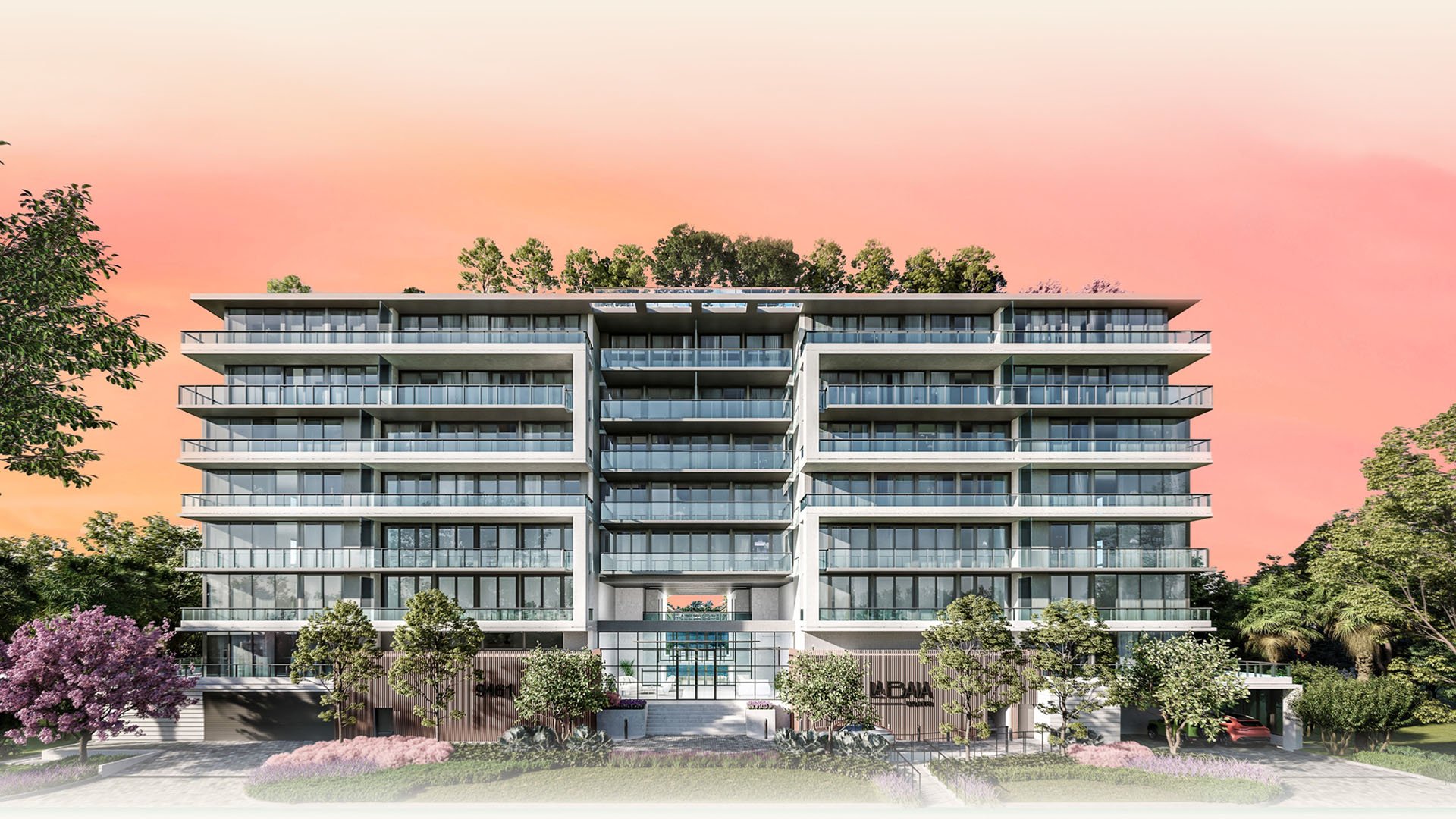
The comparison between Continuum Club & Residences North Bay Village and La Baia North Bay Harbor Islands should not start with the better-known name, the more polished amenity rendering, or the more persuasive lifestyle narrative. For a household with multiple vehicles, an EV in rotation, private drivers, or regular black-car use during season, the more durable question is operational: which building will work better on an ordinary day?
That requires looking past branding and examining how parking rights are structured, how the garage actually functions, how EV charging is allocated, and how the arrival sequence handles residents, guests, valets, drivers, rideshare vehicles, deliveries, and security. Finishes can be refreshed. Furniture can be replaced. Amenity programming can evolve. Garage floor plates, ramp geometry, ceiling clearances, electrical infrastructure, access routes, and condominium-document rules are far less flexible.
This is especially relevant because North Bay Village and Bay Harbor Islands are not interchangeable micro-geographies. Each has its own traffic patterns, access sequences, staging constraints, and moments of congestion. Bay Harbor shorthand may sound simple, but the ownership experience is decided at the curb, in the ramp, and in the condominium documents.
The first diligence item is not whether a sales conversation suggests convenient parking. It is whether the parking spaces attached to a residence are deeded, assigned, licensed, valet-controlled, or governed in another way by the condominium documents. That distinction can influence resale, household flexibility, guest accommodation, and the ability to manage valuable vehicles with confidence.
At Continuum Club & Residences North Bay Village, a buyer should request the documents that define the parking relationship clearly. Are specific spaces tied to specific residences? Can spaces be reassigned by the association or operator? Are certain spaces reserved for valet use, guest use, or building operations? If a household owns a large SUV, an exotic car, or a low-clearance vehicle, the answer matters before contract signing, not after move-in.
The same standard applies at La Baia North Bay Harbor Islands. The project’s positioning should not substitute for a written parking analysis. In a luxury condominium, ambiguity around parking can become a daily irritation or a resale objection. The more expensive the residence, the less tolerance a buyer should have for vague language around access, control, transferability, and operating rules.
A polished arrival experience is only as strong as the garage behind it. Buyers comparing these two properties should request garage plans that show stall dimensions, ramp geometry, ceiling clearances, ingress and egress patterns, turning radii, gate locations, and any limits that may affect large SUVs, exotic cars, collector vehicles, or roof-mounted equipment.
In practice, a residence that appears exceptional on paper can feel compromised if daily driving requires awkward turns, tight columns, low ceilings, or repeated dependence on valet movements. Conversely, a project with a more restrained public narrative can outperform if its garage is easy to navigate, intuitively staged, and governed by clear rules.
This is where North Bay Village buyers may also look at nearby context, including Shoma Bay North Bay Village, not as a substitute decision but as a reminder that each new project should be evaluated through its actual ingress, egress, and vehicle-management design. In this segment of the market, the best garage is not merely secure. It is calm, legible, and predictable.
EV charging has become a luxury-residence baseline, but the diligence is more nuanced than asking whether chargers exist. For both Continuum Club & Residences and La Baia North, buyers should confirm the installed charger count, whether chargers are shared or space-specific, the building’s electrical capacity, how usage is submetered, how billing is handled, and whether future expansion rights are protected.
The critical question is capacity over time. A building can appear adequate when only a small percentage of residents drive electric vehicles, then become strained as adoption rises. Buyers should ask whether additional chargers can be installed, who pays for upgrades, whether association approval is required, and whether the electrical infrastructure has been designed for growth.
There is also a behavioral issue. Shared chargers can be useful, but they depend on etiquette, scheduling, enforcement, and availability. Space-specific charging can feel more private and convenient, but only if the documents and infrastructure support it. A buyer choosing between these projects should value verified EV usability over broad language about sustainability.
For many ultra-premium buyers, the car is not always self-driven. A private driver may wait during appointments. A black-car service may arrive for dinner, airport transfers, school movements, or medical visits. Guests may arrive by rideshare. The building has to absorb these movements without turning the entrance into a bottleneck.
At Continuum Club & Residences, private-driver diligence should focus on arrival-lane capacity, valet stacking, pickup and drop-off choreography, driver waiting areas, and how concierge and security teams coordinate vehicle dispatch. The question is not whether service is promised. It is whether the physical approach and staffing protocol can perform during peak moments.
La Baia North requires the same scrutiny. In Bay Harbor Islands, where the rhythm of arrivals may be shaped by neighborhood streets and bridge access, staging can feel very different from a broader boulevard environment. A buyer who frequently uses a driver should ask where the driver waits, how long vehicles may idle, how guest vehicles are screened, and whether rideshare pickup conflicts with resident arrivals.
Nearby Bay Harbor Islands projects such as Onda Bay Harbor and Origin Bay Harbor Islands reinforce a larger point: in boutique waterfront settings, curb discipline and arrival planning are not minor conveniences. They are part of the luxury experience.
The stronger purchase is not necessarily the one with the louder brand. It is the one whose mobility infrastructure best matches the household. A two-car household with one EV and occasional valet use may weigh the decision differently from a family with multiple SUVs, a collector vehicle, a full-time driver, and frequent airport transfers.
A disciplined buyer should assign value to certainty. Deeded or otherwise clearly controlled parking rights may deserve a premium over vague allocation. Verified EV expansion capacity may matter more than a current charger count. A well-designed arrival court with logical driver staging may be worth more than a lounge that photographs beautifully.
This does not diminish design, amenities, or hospitality. It simply places them in the correct order for buyers whose lives are movement-intensive. If the residence is exceptional but the garage is frustrating, the frustration wins every morning. If the brand is glamorous but the pickup sequence is chaotic, the glamour fades at the curb.
For the most analytical buyer, the final comparison should be made through documents and diagrams: condominium declarations, parking exhibits, garage plans, EV infrastructure notes, valet protocols, and written policies for guest access and driver waiting. Through that lens, Continuum Club & Residences North Bay Village and La Baia North Bay Harbor Islands become less about image and more about daily utility.
Should I choose the project with the stronger brand? Not by itself. Branding matters, but parking rights, EV infrastructure, and arrival logistics may affect daily ownership more directly.
What parking documents should I request? Ask for condominium documents and exhibits showing whether spaces are deeded, assigned, licensed, valet-controlled, or otherwise governed.
Why does garage geometry matter? Ramp angles, clearances, stall dimensions, and turning areas can affect large SUVs, exotic cars, and daily ease of use.
Is EV charging enough if the building has chargers? Not necessarily. Confirm charger access, electrical capacity, submetering, billing, and rights for future expansion.
Are shared EV chargers a problem? They can work well if scheduling, enforcement, and availability are clearly managed by the building.
What should private-driver buyers inspect? Review arrival-lane capacity, valet stacking, driver waiting areas, rideshare pickup, and concierge dispatch procedures.
Does North Bay Village differ from Bay Harbor Islands? Yes. Each micro-market has distinct traffic, staging, and ingress or egress conditions that should be tested in person.
Can parking rules change after purchase? Some operating rules may evolve, but core rights and limitations are usually grounded in governing documents.
How should I compare Continuum and La Baia North financially? Price the practical utility of the garage, EV access, and arrival experience alongside views, finishes, and amenities.
What is the best next step before signing? Request the parking exhibits, garage plans, EV details, and written valet or arrival protocols for side-by-side review.
If you'd like a private walkthrough and a curated shortlist, connect with MILLION.
If branded residences are on your mind — as a home or as an allocation — we would be glad to share what we are seeing, privately.
Begin a quiet conversation