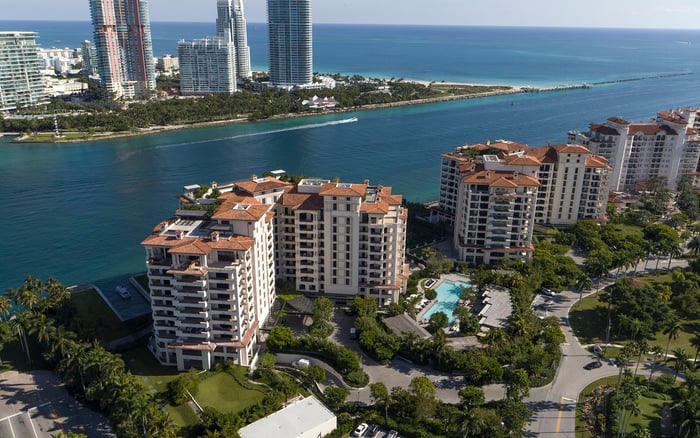
A disciplined 2026 due-diligence framework for reviewing reserves, master insurance, HOA authority, capital planning, and financing exposure at Palazzo Della Luna.
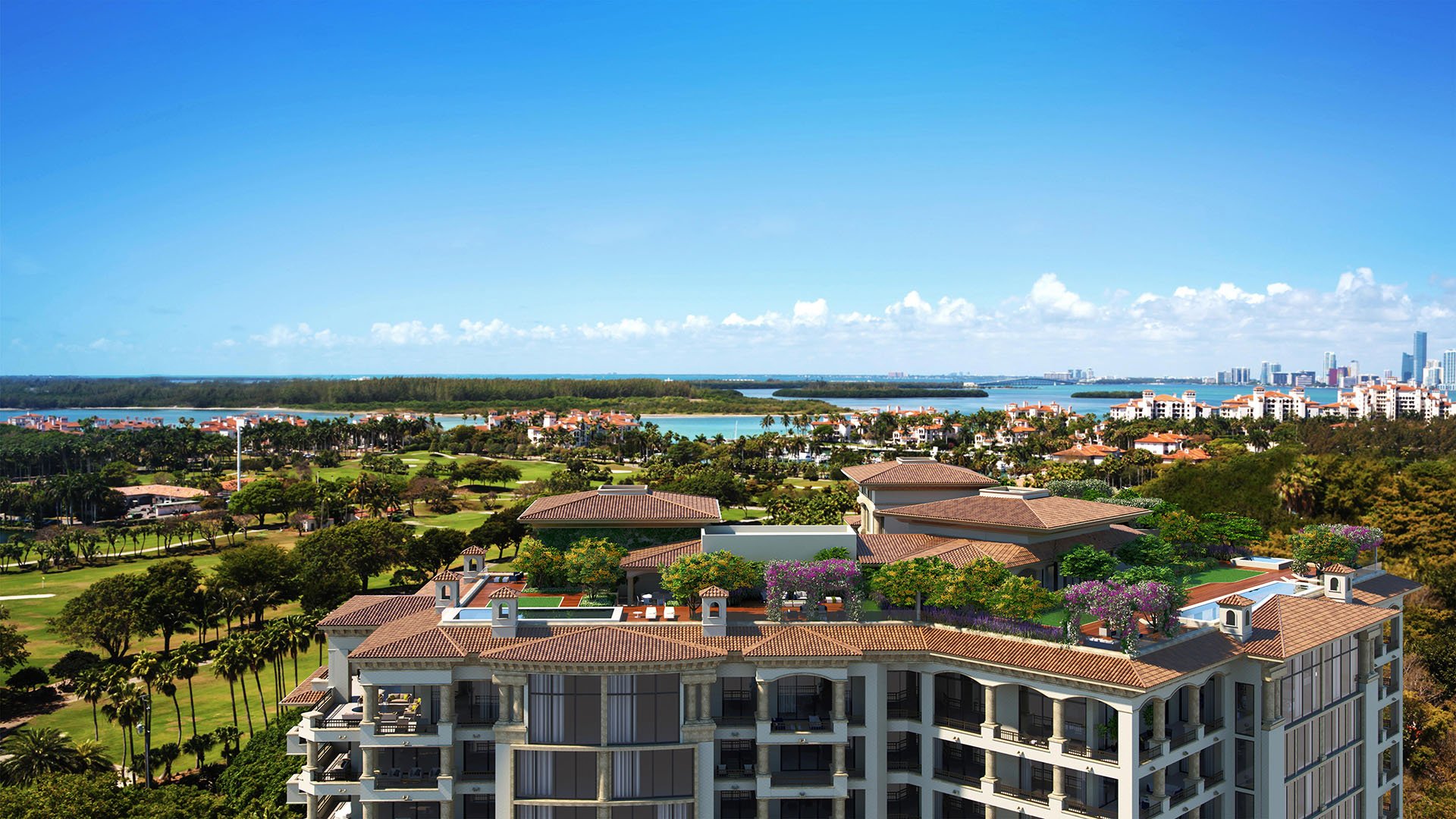
At Palazzo Della Luna, the setting is exceptionally private, but a buyer’s financial diligence should be exacting. Palazzo Della Luna is a luxury condominium development on Fisher Island in Miami Beach, and its public presentation does not include underwriting-level details such as the association’s reserve balance, reserve study, funding schedule, or master-policy terms.
Those materials should come from the association, management, or seller. For buyers evaluating Palazzo della Luna Fisher Island in 2026, the central question is not whether the building appears impeccably maintained. It is whether the association’s documents show that major obligations are identified, funded, insured, and governed with appropriate controls.
This entry in MILLION’s Buyer's Guides provides a practical review framework. It is not a substitute for advice from Florida counsel, an insurance adviser, an accountant, an engineer, or the buyer’s lender.
Request the latest reserve study, current reserve cash balance, annual reserve contribution, and formally adopted funding schedule. A statement that reserves are “strong” has little meaning without the study’s fully funded target, projected component costs, and timing assumptions. The essential comparison is actual cash against future obligations.
Reserve funds generally address major, infrequent work such as roofs, elevators, roads, and pools. Recurring costs such as insurance premiums, utilities, and landscaping generally belong in the operating budget. Buyers should examine whether expenses have been classified consistently and ask whether any reserve item has been waived, deferred, borrowed from, or reclassified.
For qualifying Florida condominiums, structural-integrity reserve study funding cannot be waived for budgets adopted on or after January 1, 2025. Structural planning may encompass roofs, load-bearing systems, fireproofing, plumbing, electrical systems, waterproofing, exterior painting, windows, and other major components. The precise application to the property should be confirmed through counsel and the association’s records.
Buyers should ask whether the association intends to follow the minimum mortgage-project reserve benchmark or the highest funding recommendation in a professional reserve study. New project-eligibility standards call for at least 15% of the annual budget to be allocated to reserves by January 4, 2027, unless a qualifying reserve-study alternative is used. That alternative must be no more than 36 months old and include a 30-year funding plan.
These are mortgage-project eligibility standards, not a replacement for Florida condominium law or the governing documents. Still, they provide a useful underwriting lens. A substantial balance can be inadequate when a major component cycle is near, while a measured contribution plan may be credible when supported by current engineering assumptions and a realistic schedule.
Ask for the capital-project calendar and recent meeting minutes. Look for anticipated façade, waterproofing, elevator, roof, or building-system work, then reconcile those projects with reserves, expected operating cash, and any assessment discussion. For resale buyers, several years of budgets and assessment history can reveal whether the association’s planning has been consistent.
Obtain the full master property policy and verify coverage limits, exclusions, valuation method, deductibles, and treatment of unit improvements. Effective July 1, 2026, applicable project standards require replacement-cost coverage for project improvements and common elements, although roofs may be insured on an actual-cash-value basis. Under those standards, the maximum master-policy deductible is $50,000 per unit.
The distinction between association coverage and owner exposure deserves particular attention. If the master policy excludes certain improvements or applies a per-unit deductible, an owner may need appropriately structured HO-6 coverage. Ask the insurance adviser to map a plausible loss from first dollar to final responsibility, including deductibles, uncovered improvements, policy exclusions, and the possibility of an association assessment.
A certificate or summary is not enough for this exercise. The objective is to understand how the policy would respond, who bears each layer of cost, and whether the owner’s policy coordinates with the association’s coverage.
The declaration, bylaws, current budget, recent minutes, assessment history, and applicable rules reveal how financial authority is exercised. Buyers should identify who may approve capital projects, levy assessments, borrow funds, alter reserve allocations, or adopt emergency measures, along with the owner notice or voting rights that apply.
Minutes can also expose unresolved bids, engineering recommendations, insurance renewals, owner disputes, or repeated deferrals. Ask whether reserve accounts are segregated, how transfers are authorized, and whether financial statements reconcile with the adopted budget. Florida law limits the use of designated reserve funds, so any borrowing or reclassification merits focused legal review.
Luxury peers can sharpen the questions without substituting for property-specific analysis. A buyer comparing Palazzo del Sol, The Residences at Six Fisher Island, or The Links Estates at Fisher Island should apply the same document-led discipline to each association, ownership structure, and insurance program.
Reserve and insurance compliance can affect condominium-project eligibility for agency-backed financing. A financed buyer should send the project package to the lender early, before assuming that personal financial strength alone will resolve project-level eligibility.
For an investment review, model more than the purchase price and regular assessments. Consider potential owner-policy costs, deductible exposure, capital contributions, and assessments connected to work already contemplated. The most valuable outcome is not a prediction that costs will never rise. It is a clear view of which obligations are funded, which are insured, which remain contingent, and who controls the response.
What reserve documents should a buyer request first? Request the latest reserve study, current reserve balance, annual contribution, adopted funding schedule, and capital-project calendar.
Is a large reserve balance automatically sufficient? No. Compare available cash with the study’s fully funded target, component costs, and the timing of major work.
What is the 15% reserve benchmark? Applicable project-eligibility standards call for at least 15% of the annual budget to go to reserves by January 4, 2027, unless a qualifying alternative applies.
What makes the reserve-study alternative qualifying? It must be no more than 36 months old and include a 30-year funding plan.
Can structural reserve funding be waived? For qualifying Florida condominiums, structural-integrity reserve study funding cannot be waived for budgets adopted on or after January 1, 2025.
Which insurance terms deserve the closest review? Examine limits, exclusions, replacement-cost or actual-cash-value treatment, deductibles, and coverage for unit improvements.
Why might an owner need HO-6 coverage? It may address exposures created by master-policy deductibles, excluded unit improvements, or other owner responsibilities.
What can board minutes reveal? Minutes may identify planned projects, engineering issues, insurance decisions, possible assessments, borrowing, or deferred work.
Should a cash buyer still review financing standards? Yes. Project eligibility can influence future purchasers, transaction liquidity, and the broader marketability of a condominium interest.
When should the lender review the condominium project? As early as possible, so reserve or insurance eligibility concerns can be evaluated before key transaction deadlines.
To compare the best-fit options with clarity, connect with MILLION.
If branded residences are on your mind — as a home or as an allocation — we would be glad to share what we are seeing, privately.
Begin a quiet conversation