For a Palazzo della Luna buyer making Fisher Island a permanent home, timing is substantive. Ownership and genuine occupancy should be established by January 1, domicile records should align with that use, and the homestead application should follow by the standard March 1 deadline.
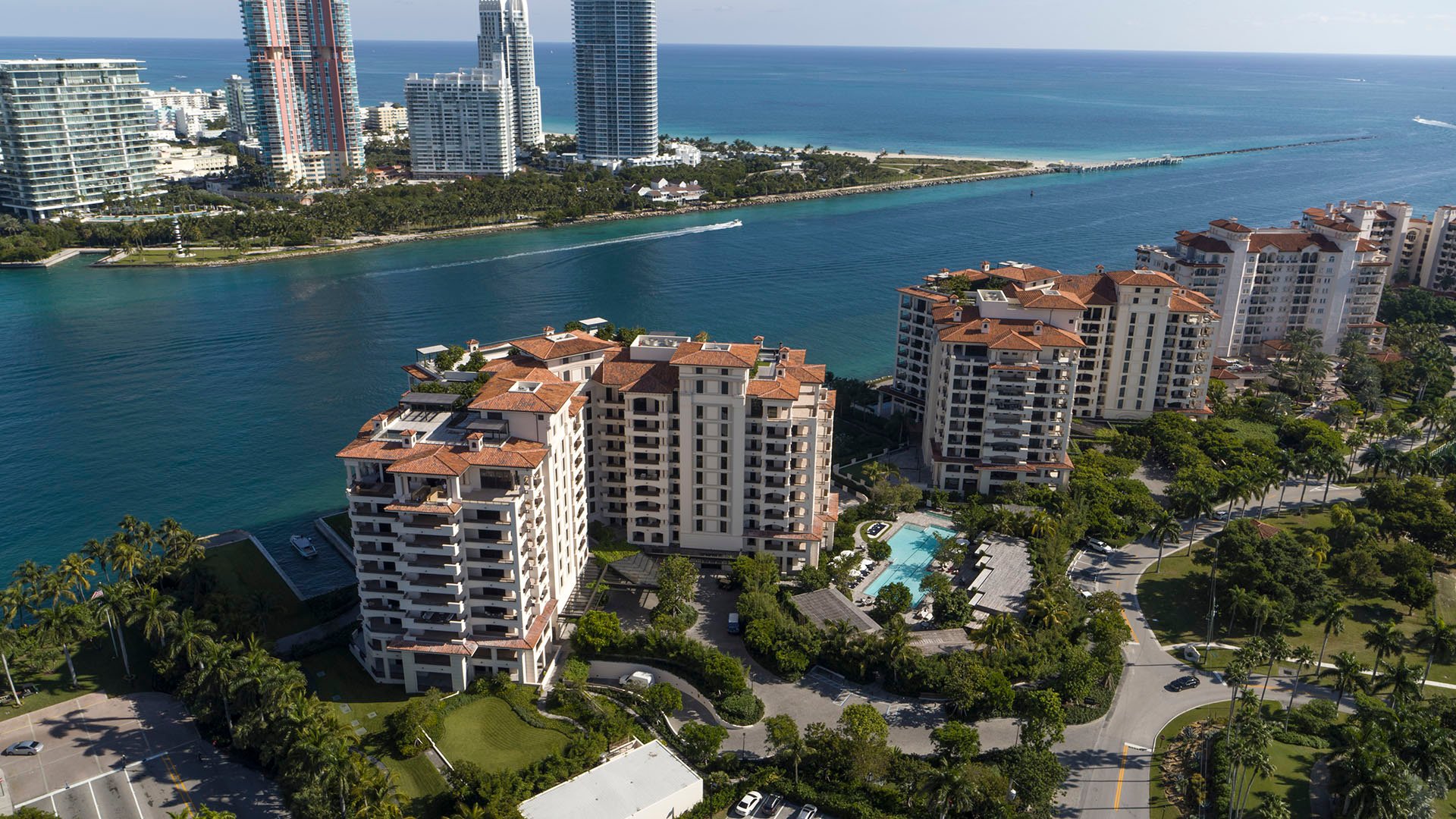
For a buyer intending to make Palazzo della Luna a permanent home, the closing calendar should be built around two distinct dates. January 1 is the key ownership-and-occupancy checkpoint for Florida homestead eligibility in the applicable tax year. March 1 is the standard deadline for submitting the homestead application for that year. Filing by March 1 cannot cure a failure to own and genuinely occupy the residence as a permanent home by January 1.
This distinction matters at Palazzo della Luna Fisher Island, a luxury condominium development at 6800-6899 Fisher Island Drive. A November closing and a February closing can place otherwise similar purchasers a full tax year apart in potential homestead savings. Closing after January 1 generally shifts eligibility to the following tax year, even when the buyer takes up residence shortly afterward.
The strongest year-end plan creates time for ownership, occupancy and intent to align before January 1.
The practical objective is not simply to sign before midnight on December 31. It is to complete funding, record title, obtain possession, move in and establish genuine occupancy with a credible margin before year-end.
Title structure deserves attention before contract execution, not after the deed has been prepared. Ownership through spouses, a trust or an entity can affect whether the acquisition supports the buyer’s intended homestead position. Florida counsel should review the proposed structure with estate-planning and tax advisers before contractual deadlines make changes difficult.
The same discipline applies to financing. If the purchase is financed, the loan’s occupancy classification should reflect reality: primary residence, second home or investment property. A primary-residence representation to a lender should align with the buyer’s actual use, domicile evidence and eventual homestead application. A second-home plan, by contrast, should not be framed in primary-residence terms merely to pursue a tax benefit.
This framework also applies when considering neighboring island options such as Palazzo del Sol. The architecture or residence may change, but the legal and practical question remains personal to the buyer: Will this property truly become the permanent principal residence?
A December 31 closing leaves little tolerance for a delayed wire, unresolved document, recording issue or postponed handover. A more prudent schedule works backward from the January 1 checkpoint, reserving time for every event required to make the residence operational as a home.
For a financed transaction, the lender must provide the Closing Disclosure at least three business days before the scheduled closing. That review period should be built into the calendar from the outset. Financing conditions and document corrections can otherwise push a nominally year-end transaction beyond January 1.
The buyer should coordinate the lender, closing agent, Florida counsel, building representatives and moving arrangements around one integrated timeline. The sequence is straightforward:
Confirm title structure and intended occupancy before signing.
Satisfy financing and document requirements with adequate lead time.
Fund and close early enough for title to be recorded.
Take possession and establish genuine occupancy before January 1.
Create consistent Florida domicile evidence promptly.
Apply for homestead by the following March 1.
A resale purchase may introduce distinct contractual and possession logistics, while another Fisher Island opportunity such as The Residences at Six Fisher Island may follow a different delivery timetable. In either case, the buyer should not treat an anticipated date and a completed, occupancy-ready closing as interchangeable.
Closing is necessary, but it does not establish homestead by itself. The owner must treat and use the unit as a permanent principal residence. Domicile is supported by an overall pattern of conduct, not one isolated form.
A declaration of domicile filed with the local clerk of court can evidence permanent intent. A Florida driver’s license, voter registration and vehicle registration can reinforce the same position. Tax filings, lender representations and actual occupancy should also point in one direction. The objective is consistency, not paperwork assembled for appearance alone.
The reverse side of that exercise is equally important. A buyer should unwind conflicting evidence in a former state, especially any continuing assertion of residency or homestead benefits elsewhere. Records that characterize another property as the permanent home can undermine the Florida position.
This is where a Fisher Island move differs from a lifestyle purchase used only for occasional escapes from Miami Beach, New York or another home base. Occasional use does not equal permanent occupancy. If the residence functions in practice as a second home, its elegant setting cannot convert that use into homestead.
The closing team should treat occupancy as a defined workstream. Before the scheduled date, the buyer can arrange possession, access, essential household setup and the practical transfer of daily life. Immediately after closing, domicile records should be updated methodically, with each representation matching the buyer’s genuine intent.
For purchasers comparing condominium living with a different residential format, The Links Estates at Fisher Island offers relevant island context. Yet property type does not alter the central test. The residence must be owned and occupied as the permanent home by the applicable January 1 checkpoint.
International buyers require an additional layer of review. Immigration status and Florida-residency requirements should be evaluated before assuming that a Fisher Island purchase will immediately support homestead. The appropriate sequence should be settled with qualified immigration, tax and Florida legal advisers before title and closing dates are fixed.
The most effective buyer’s guides convert broad intentions into decisions with accountable dates. Before contract execution, confirm intended use, title structure, financing classification and any immigration considerations. Before closing, verify the disclosure timetable, funding path, recording expectations, possession arrangements and moving plan.
After closing, occupy the residence genuinely, establish consistent Florida records, discontinue incompatible benefits or residency claims elsewhere and prepare the homestead application for the standard March 1 deadline. Keep January 1 and March 1 distinct in the plan: the first establishes eligibility through ownership and occupancy; the second governs filing.
No checklist replaces individualized advice. Homestead, domicile, title, tax and immigration consequences depend on the purchaser’s circumstances. The luxury of a well-managed acquisition is not speed at any cost, but a closing in which the deed, calendar and buyer’s conduct all express the same permanent-residence intention.
For discreet guidance on a Fisher Island purchase and its transaction timeline, connect with MILLION.
If branded residences are on your mind — as a home or as an allocation — we would be glad to share what we are seeing, privately.
Begin a quiet conversationThe buyer generally must own and occupy the residence as a permanent home by January 1 to seek homestead for that tax year.
The standard application deadline is March 1 of the tax year for which the exemption is requested.
No. The owner must also genuinely occupy and use the unit as a permanent principal residence.
Funding, recording, possession or occupancy delays could leave the year-end facts incomplete or unclear.
A declaration of domicile, Florida driver’s license, voter registration and vehicle registration can help create a consistent record.
Conflicting residency or homestead claims elsewhere can undermine the Florida domicile position and should be reviewed with counsel.
Review title before contract execution because ownership through spouses, trusts or entities may affect the intended homestead strategy.
The lender’s occupancy classification should match actual use, and the required three-business-day Closing Disclosure period should be built into the schedule.
Occasional use is not equivalent to permanent occupancy, particularly when the property functions as a second home.
International buyers should evaluate immigration status and Florida-residency requirements before assuming immediate homestead eligibility.