A buyer-focused framework for reviewing insurance, reserve funding, maintenance, and seasonal staffing costs at The Lincoln Coconut Grove without relying on unverified assessment figures or assumptions.
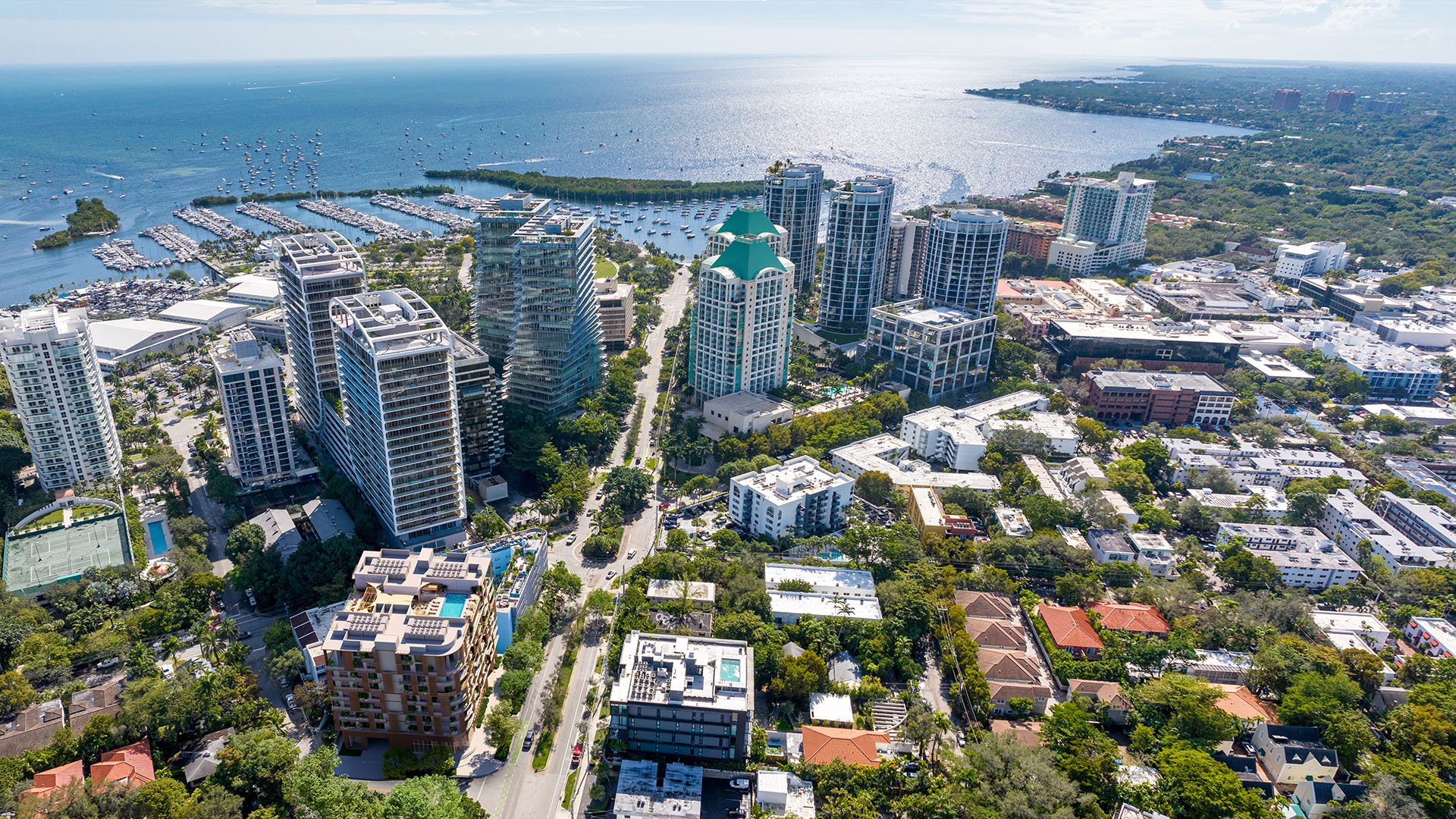
A carrying-cost review for The Lincoln Coconut Grove should begin with the documents provided for the specific residence and transaction. Buyers should avoid relying on unverified assessment figures, prior listings, marketing summaries, or assumptions based on unrelated South Florida condominiums.
The title’s waterfront cost lens also requires careful verification. Rather than assuming a particular exposure profile, ask how the project’s location, construction, common elements, and insurance responsibilities are characterized in the current condominium and insurance materials.
Total ownership cost may include association assessments, owner insurance, utilities, taxes, residence maintenance, service charges, and potential future assessments. The governing documents and current budget should identify which items belong to the association and which remain the owner’s responsibility.
Insurance diligence should address the scope of the association’s coverage and the coverage an owner may need separately. Request the current insurance summary, applicable policy information, deductibles, exclusions, limits, and any schedule dividing responsibility between the association and individual owners.
The budget should then be reconciled with those materials. Confirm whether the insurance amount shown is current, whether it represents the complete association expense, and how deductibles or uncovered losses could affect an owner. Questions about interior finishes, personal property, liability, improvements, and loss-assessment coverage should be directed to qualified insurance and legal professionals.
A comparison with another project is useful only when the coverage boundaries are comparable. A lower stated assessment does not establish a lower total carrying cost if material expenses sit outside the association budget.
Reserve diligence is more useful when contributions are tied to identified common components and anticipated work. Ask for the current reserve assumptions, any available study, the list of included components, the funding method, and the schedule used to estimate future expenditures.
Buyers should also determine whether the documents contemplate gradual reserve contributions, separate assessments, or another funding approach. No conclusion about reserve adequacy should be drawn without reviewing the underlying component list, assumptions, and current project materials.
For a project without an established operating history available to the buyer, proposed figures should be treated as estimates rather than a record of actual performance. The review should test whether the budget addresses the project’s stated service and maintenance obligations without assuming that an opening figure will remain unchanged.
Maintenance costs should be organized into clear categories: association-wide expenses, variable operating costs, optional services, and charges billed directly to owners. This structure helps reveal whether a quoted assessment represents the full recurring obligation or only one part of it.
Ask how management, security, parking operations, amenity care, building systems, common-area upkeep, and other stated services are funded. If a service appears in marketing materials, confirm whether it is included in assessments, subject to a separate fee, or provided under terms that may change.
Project comparisons should follow the same method. Four Seasons Residences Coconut Grove, Vita at Grove Isle, and Opus Coconut Grove may serve as Coconut Grove reference points, but each project must be evaluated through its own documents, service model, and owner-paid costs.
Seasonal use does not by itself establish that an owner’s association costs will decline during periods of absence. Buyers should ask whether staffing and vendor arrangements are fixed, variable, or hybrid and whether the budget permits service levels to change with occupancy.
Review any available information about minimum staffing, relief coverage, overtime, contract escalation, and termination or renewal provisions. The objective is not to predict a future expense without support, but to identify which obligations could remain constant and which could respond to actual use.
Residence-level expenses should be reviewed separately. Utility consumption, interior maintenance, housekeeping, insurance, and optional services may follow different patterns from association-wide costs.
Before a contractual deadline, request the declaration, bylaws, rules, current or proposed operating budget, reserve materials, insurance information, management arrangements, service contracts made available to buyers, and a residence-specific schedule of charges. Legal, insurance, tax, and financial professionals can help interpret those materials within their respective fields.
Convert the review into an annual cost schedule rather than focusing only on a monthly assessment. Identify confirmed recurring charges, variable expenses, optional services, owner-paid items, and unresolved questions. Scenario testing can then show how changes in insurance, contracts, staffing, maintenance, or reserve funding could affect the total without presenting those changes as predictions.
Is a waterfront cost assumption enough to evaluate The Lincoln Coconut Grove? No. Buyers should verify the project’s exposure and insurance responsibilities in current transaction documents rather than relying on the title or a broad location-based assumption.
Is a verified project-wide assessment stated here? No. This guide does not present an unverified monthly assessment.
Which insurance materials should a buyer request? Request the current insurance summary, available policy information, deductibles, exclusions, limits, and the stated division of responsibility between the association and owners.
Why should association and owner coverage be reviewed together? Comparing both helps identify expenses or risks that may sit outside the association’s policy and budget.
What should a reserve review include? Examine the listed common components, funding assumptions, anticipated schedule, and any available reserve study or supporting analysis.
Does a proposed budget establish future operating costs? No. It should be evaluated as a planning document and tested against the obligations described in the current project materials.
How should maintenance expenses be categorized? Separate association-wide costs, variable operating expenses, optional services, and charges billed directly to owners.
Can seasonal use reduce association expenses? It should not be assumed. The answer depends on the budget and the terms governing staffing, vendors, and services.
How should buyers compare Coconut Grove projects? Normalize the services, insurance responsibilities, reserve approach, and owner-paid charges before comparing stated assessments.
Which documents should be prioritized before a deadline? Prioritize the condominium documents, budget, reserve materials, insurance information, available service arrangements, and the residence-specific schedule of charges.
For a tailored shortlist and next-step guidance, connect with MILLION.
If branded residences are on your mind — as a home or as an allocation — we would be glad to share what we are seeing, privately.
Begin a quiet conversation