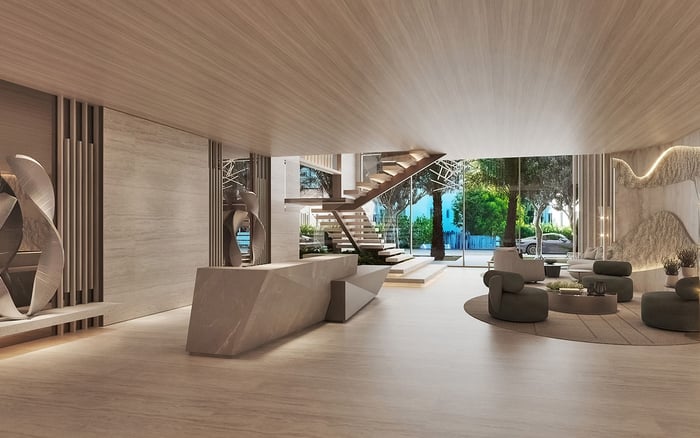
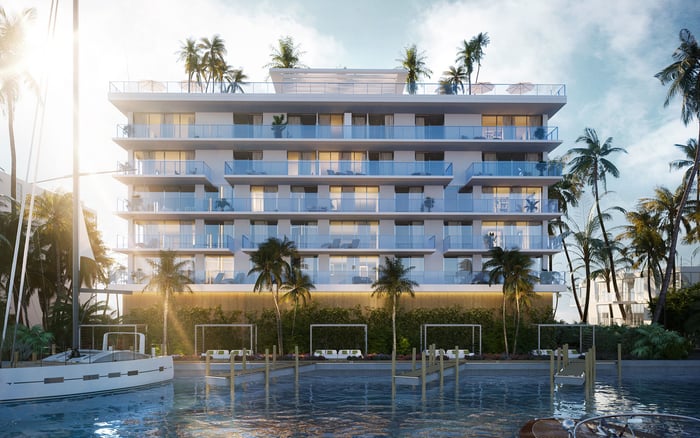
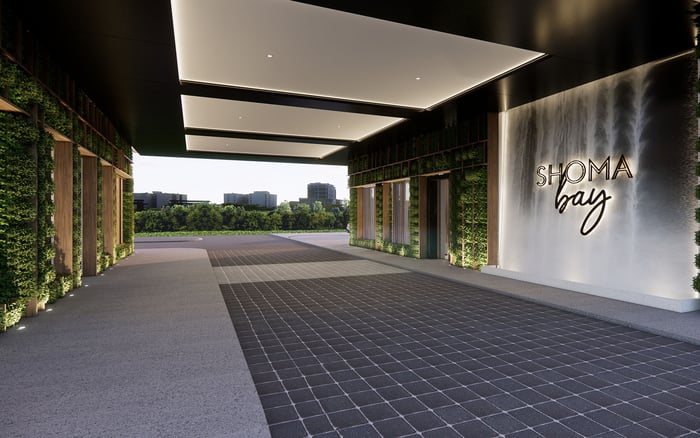
A discreet buyer guide to evaluating private dining, entertaining flow, and acoustic separation at The Well Bay Harbor Islands and Shoma Bay North Bay Village without relying on brochure language alone.
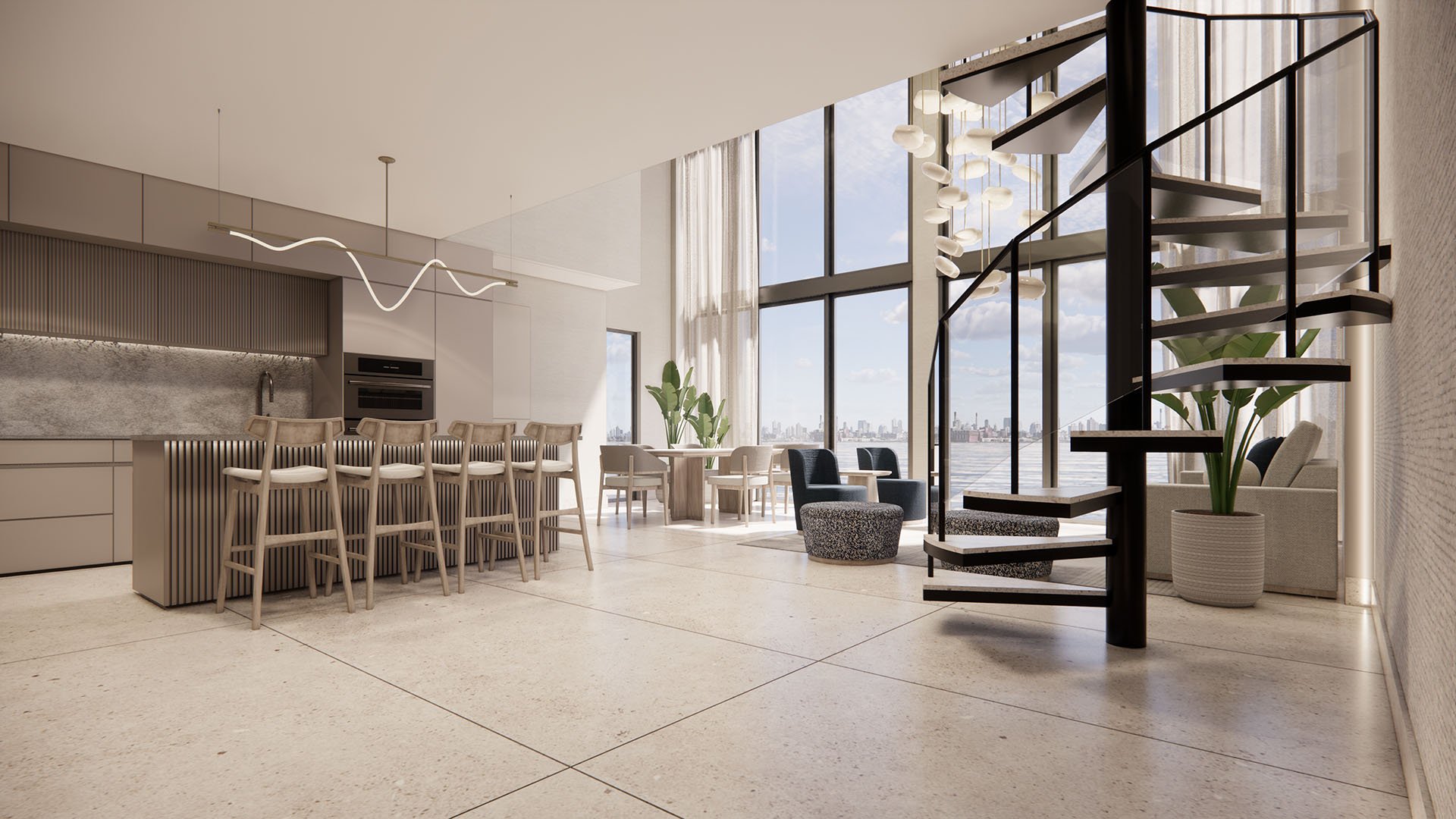
For South Florida buyers comparing The Well Bay Harbor Islands and Shoma Bay North Bay Village, the sharper question is not simply which address feels more glamorous. It is how each residence, amenity program, and circulation pattern will perform when life becomes active: a birthday dinner, a quiet breakfast meeting, an evening with friends, or a weekend when guests and family overlap.
In the current luxury market, entertaining is a test of planning discipline. A private dining room matters only if it can be reserved, serviced, accessed, and enjoyed without friction. An open entertaining area succeeds only if it allows movement without exposing every working zone. Acoustic separation has value only if it protects rest, work, and conversation during real use, not merely in a quiet model residence.
That is the proper lens for evaluating The Well Bay Harbor Islands and Shoma Bay North Bay Village. The names may invite an immediate lifestyle comparison, but the diligence should be more intimate: how a home receives people, how it conceals effort, and how it preserves calm once the gathering begins.
A private dining promise should be examined as a complete operating system. Buyers should ask how the space is scheduled, whether guest access is intuitive, how catering or building service reaches the room, and where the transition occurs between public arrival and private hosting. The strongest experience feels gracious because the mechanics are almost invisible.
For a Bay Harbor buyer considering The Well Bay Harbor Islands, the priority is to understand whether any shared dining or wellness-adjacent hospitality areas align with the way the household actually entertains. A couple who hosts seated dinners will care about acoustics, lighting, table configuration, and the distance from arrival points. A family that entertains informally may care more about pre-function space, stroller or bag storage, and how guests circulate before and after the meal.
For a North Bay Village buyer considering Shoma Bay North Bay Village, the same discipline applies. If private dining is part of the decision, the buyer should distinguish between a beautiful room and a reliable hosting environment. A reliable environment has a clear path of entry, a logical place for guests to gather, and separation between social presentation and back-of-house movement.
Entertaining flow is often misunderstood as an interior design issue. In reality, it begins earlier. The arrival sequence, elevator experience, corridor privacy, foyer depth, sightlines into living areas, and connection between kitchen, dining, living, and terrace all shape whether a home feels composed under social pressure.
A residence that photographs beautifully can still feel exposed if the front door opens directly into the most private or operational parts of the home. Conversely, a residence with a modest foyer can feel exceptionally refined if it gives guests a moment of orientation before the main view is revealed. Buyers should walk the floor plan mentally as both host and guest: Where does a coat go? Where does a caterer stand? Can someone step away for a call without crossing the center of the party?
The best entertaining layouts allow multiple tempos at once. Conversation near the view, quiet seating away from the kitchen, a clear path to powder rooms, and a serviceable dining zone all matter. In new-construction due diligence, buyers should not stop at room dimensions. They should ask how furniture, doors, millwork, lighting, and circulation will interact once the residence is fully lived in.
Sound is one of the least glamorous topics in a sales conversation and one of the most important in daily ownership. Acoustic separation affects sleep, work, privacy, and the quality of entertaining. It becomes especially important when residences are designed around open plans, expansive glass, hard flooring, and social kitchens.
Buyers should review how bedrooms are positioned in relation to living areas, elevators, amenity adjacencies, mechanical areas, and neighboring residences. They should ask about wall assemblies, floor-ceiling considerations, door specifications, and whether any optional finish packages could improve or weaken acoustic comfort. Heavy stone, glass, and large-format surfaces may be visually compelling, but they require thoughtful softening through rugs, drapery, upholstery, and ceiling or wall treatments.
For The Well Bay Harbor Islands, acoustic diligence may be especially relevant to buyers drawn to a more restorative lifestyle concept. Calm should not be assumed from branding. It should be confirmed through plan review, finish review, and a careful understanding of how public and private zones relate.
For Shoma Bay North Bay Village, acoustic diligence should focus on how active social living and private retreat coexist. If the home is expected to host often, the buyer should examine whether bedrooms remain protected when the living area, dining area, and terrace are in use.
A sophisticated buyer does not need to become an engineer, but the buyer should ask precise questions early. Which areas are intended for formal hosting? How do guests move from arrival to amenity or residence? Where are service elevators, package routes, kitchens, restrooms, and support spaces located? How are reservations, guest counts, and hours handled for any shared dining environment?
Inside the residence, the buyer should study door swings, kitchen visibility, bar placement, storage, lighting control, and powder room access. A private dinner is rarely private if guests must pass through work zones, bedrooms, or cluttered transitional areas. The same is true of sound: a media wall next to a sleeping room, or a lively terrace beside a primary suite, can change the character of a home.
The due-diligence process should also include lifestyle honesty. Some households host large dinners. Others host small, frequent gatherings. Some need quiet work zones. Others prioritize weekend energy. The better choice between The Well Bay Harbor Islands and Shoma Bay North Bay Village is the one whose physical and operational logic matches the buyer's actual life, not the most dramatic rendering.
The most durable luxury is not spectacle. It is control: control over arrival, light, sound, privacy, and service. Private dining should feel effortless because the building has solved the operational choreography. Entertaining flow should feel natural because the plan respects how people move. Acoustic separation should feel quiet because the residence has anticipated conflict before it happens.
That is why due diligence should be conducted slowly, room by room and sequence by sequence. A buyer should imagine a calm weekday morning, a catered dinner, a family holiday, and a late-night return. If the residence performs across those scenarios, it is more than attractive. It is resilient.
For MILLION readers, the comparison is not merely between two named projects. It is between two possible modes of living: wellness-inflected discretion in Bay Harbor Islands and connected waterfront urbanity in North Bay Village. The stronger purchase will be the one that turns private dining, entertaining flow, and acoustic separation into daily ease.
Why is private dining important in luxury condo due diligence? It reveals whether the building can support elevated entertaining beyond the residence itself. Buyers should examine access, service, privacy, and reservation practicality.
Should I judge a dining amenity by its renderings? No. Renderings can show atmosphere, but buyers should evaluate circulation, operations, acoustics, and how the space will actually be used.
What makes entertaining flow successful? Successful flow allows guests to arrive, gather, dine, and move outdoors without crossing private or service-heavy areas unnecessarily.
How should I compare The Well Bay Harbor Islands and Shoma Bay North Bay Village? Compare them through the lens of your own hosting habits, privacy needs, and tolerance for activity rather than through presentation alone.
Why does acoustic separation matter before closing? Sound conditions affect sleep, work, entertaining, and resale perception. They are harder to correct after finishes and furniture decisions are complete.
What should I study on a floor plan first? Review bedroom placement, kitchen visibility, foyer depth, powder room access, terrace connection, and separation between social and private zones.
Can furniture improve acoustic comfort? Yes. Rugs, drapery, upholstered pieces, and wall treatments can soften sound, but they do not replace thoughtful planning and construction.
Is a larger entertaining area always better? Not necessarily. Proportion, circulation, and privacy often matter more than raw size when hosting feels polished and controlled.
How do service routes affect a private dinner? They determine whether catering, staff, and cleanup can happen discreetly. Poor service routing can make an elegant room feel operationally exposed.
What is the best next step for a serious buyer? Review the residence and amenity plan around real scenarios, then test whether the building supports the way you actually intend to live.
For a discreet conversation and a curated building-by-building shortlist, connect with MILLION.
If branded residences are on your mind — as a home or as an allocation — we would be glad to share what we are seeing, privately.
Begin a quiet conversation