For buyers who measure luxury in turnout time, tack-room flow, and a peaceful ride before breakfast, Wellington represents a distinctive South Florida address. The appeal is not only the home, but the way an estate can be planned as a working, beautiful compound: residence, barn, arenas, staff support, and discreet access for trailers and vendors. This guide outlines what sophisticated horse households prioritize, from barn-to-house design to privacy, resilience, and long-term value, plus a clear due-diligence framework that protects both lifestyle and animals.
Wellington carries a specific meaning for horse-first households. It is not simply another luxury zip code, it signals a daily rhythm organized around animals, training, and a sense of calm. In South Florida, where the conversation often defaults to water views and high-rise amenities, the equestrian buyer rewrites the brief. Here, land use, functionality, and logistics become the real luxuries.
At the ultra-premium level, “equestrian estate” is not a single template. Some buyers want a refined family residence that happens to include stables. Others prioritize a performance-forward compound where the barn is the operational center and the house functions as the recovery lounge. The best properties hold both identities with confidence: the residence reads as architecture, and the horse facility reads as a professional environment.
A luxury lens also demands clarity. Before you tour, define the lifestyle you are protecting, then evaluate each estate as a complete system: circulation, sightlines, surfaces, staffing flow, and the quiet realities of upkeep. That approach keeps you from buying a beautiful brochure while inheriting daily inefficiency.
An equestrian property is a compound. The right one protects time, safety, and discretion, and it does so in ways you feel every day.
Start by mapping your non-negotiables. How many horses will live on-site, and what does a typical morning look like? Do you need early training without waking the household? Will you host clients, trainers, or friends who expect a polished arrival experience? Is this a year-round residence, or a seasonal base? Those answers shape everything: driveway geometry, stall placement, wash-rack positioning, and the distance between barn and residence.
Next, decide what “luxury” means in this context. For a high-performance horse home, luxury is often less about ornament and more about ease. It is quiet, consistent airflow, and a layout that makes work feel effortless. It is also restraint: storage that keeps equipment out of sight, and zones that reduce visual noise.
Finally, remember that a true equestrian estate has two primary occupants with different needs: people and horses. The goal is not to compromise between them. The goal is an environment that feels indulgent and safe for both.
The most compelling Wellington properties feel cohesive. They do not read as a mansion with an afterthought barn placed behind it. They read as an intentional campus, with a clear hierarchy of spaces and a predictable operational flow.
From the residence, aim for controlled views. A well-positioned barn can look architectural, with clean lines, orderly doors, and storage that preserves visual serenity. At the same time, you rarely want the messy reality of operations in the primary sightline. If an arena is visible from the main living areas, it should be framed in a way that stays composed, even on a busy day.
Inside the home, prioritize materials that live well. Equestrian households bring in sand, leather, equipment, and staff traffic. A glamorous entry that cannot handle reality quickly becomes a source of friction. A more sophisticated solution is a layered arrival sequence: a formal entry for entertaining, plus a separate, discreet transition space that performs like a mudroom and is built to take wear.
Circulation is where luxury either holds or fails. Guests arriving for dinner should not intersect with feed deliveries. Daily family movement should not compete with barn operations. When pathways are planned correctly, the estate feels effortless because the work is hidden in the layout.
Many buyers tour the house first. On an equestrian estate, reverse the order. Start at the barn, because the barn tends to reveal the truth: how the property functions, how it is maintained, and whether the program is supported or improvised.
Look for a facility that matches your routine without constant workaround. Layout matters more than décor. Do stall rows, tack storage, and wash areas create a smooth sequence? Are there clearly defined work zones, or does every task spill into the main aisle? Do doors, latches, gates, and hardware feel built for frequent use, or do they read as decorative solutions that will fatigue quickly?
Comfort is not only for humans. In South Florida, heat management, ventilation, and shade are foundational. Even without discussing numeric specifications, you can usually sense whether a barn was designed for the climate. A well-considered barn often feels brighter and less humid, with a clean sensation of air movement that reduces stress for horses and for staff.
Then study the support spaces. An equestrian lifestyle comes with a network: farrier, veterinarian, groom team, trainer, deliveries, and transport. The barn should allow that network to operate without disrupting the residence. The more smoothly those moving parts fit into the property, the more private and composed the main home will feel.
An arena is not simply a rectangle of sand. It is a surface system, and it is either predictable or constantly changing. Luxury, in this context, is reliability.
South Florida weather can shift quickly, so drainage and water management are central. The best estates plan water flow across the entire property, not only within the arena footprint. You want to understand where water goes after a heavy storm, what areas hold moisture, and how quickly training spaces return to use. An arena can look perfect during a showing and still be difficult to live with if water behavior is not understood.
Maintenance also needs to be realistic. A private facility can look pristine on day one and degrade quickly if daily drag, watering, and edge control are not part of the design. During showings, ask whether the current condition reflects a sustainable routine. If the footing looks manicured, is it because it is inherently easy to maintain, or because a team is constantly fighting the property?
Placement matters as well. An arena positioned too close to the home can add noise and activity that competes with the residential experience. An arena too far from the barn and residence creates inefficiency and often increases vehicle traffic. The ideal layout preserves calm, reduces steps, and keeps your routine discreet.
Luxury in Wellington is often defined by privacy that does not feel defensive. The best properties do not announce themselves. They simply function smoothly, with systems that keep daily activity controlled.
Begin with access. Can a large trailer enter, turn, and exit cleanly? Is there a separate service path so vendors and staff are not arriving through the formal motor court? Thoughtful access design lets you host, train, and manage operations in the same day without friction or unnecessary exposure.
Then consider separation between home life and barn life. Even households that love the energy of horses often prefer the ability to dial that energy up or down. Practical buffers such as landscaping, distance, and placement can give you quiet when you want it, while still allowing visibility when it matters.
For buyers who prefer a gated-community setting, privacy can also be reinforced through controlled access and consistent neighborhood standards. The objective is not to hide. It is to reduce interruptions, protect routine, and maintain discretion during the busiest parts of the season.
High-functioning equestrian estates are supported by people. If the property is designed only for the owner, it often forces staff to improvise, and improvisation eventually shows.
If you anticipate staff support, think through the basics with the same seriousness you apply to the formal spaces. Where do staff park? Which entrances are appropriate for daily use? Where can breaks happen in a way that is comfortable and discreet? A property that provides clear infrastructure tends to stay immaculate, because organization becomes the default.
Guest experience matters, too. If you host visiting riders, trainers, or friends, plan for a separate guest arrival and an intuitive path to the barn that does not cut through private family areas. This is not only about etiquette, it is about maintaining calm in the residence while the program continues.
This is also where the distinction between single-family homes and amenity-driven buildings becomes clear. In a true equestrian estate, you are curating an operational ecosystem. You are not simply purchasing a lifestyle package. The best compounds make the work invisible, even though it is always happening.
South Florida rewards thoughtful stewardship. Heat, humidity, and seasonal weather place real pressure on landscaping, exterior materials, and mechanical systems. In an equestrian compound, those pressures extend into daily operations.
Resilience is not a buzzword here. It is animal welfare, schedule reliability, and asset protection. When evaluating an estate, pay close attention to grading and drainage, storage placement for equipment, and whether shade and shelter feel integrated into the master plan. A property can look beautiful while still working against you in summer heat or after a storm.
Landscape decisions matter more than many buyers expect. Elegant plantings can be incompatible with barn operations if they cannot tolerate traffic, irrigation demands, or the reality of dust and sand. The most successful estates select beauty that endures, with an aesthetic that stays composed through daily use.
If you plan to customize a property, treat resilience as design rather than an add-on. You want an estate that looks orderly after weather events and returns to routine quickly, without turning every season into a repair cycle.
Equestrian real estate requires you to underwrite two budgets: the residence and the program.
Beyond the acquisition, consider ongoing maintenance and staffing. A barn, arenas, fencing, landscaping, and equipment create a recurring cost structure that can surprise even experienced luxury homeowners. The solution is not to avoid these costs, it is to evaluate them with clear eyes and align them with the lifestyle you want.
Identify what is high-touch. Does the landscape demand constant attention? Are there multiple outbuildings that require monitoring? Does the layout reduce labor time, or expand it? In many cases, you are buying time as much as you are buying land. A more efficient compound can feel like a luxury upgrade even if the finishes are identical.
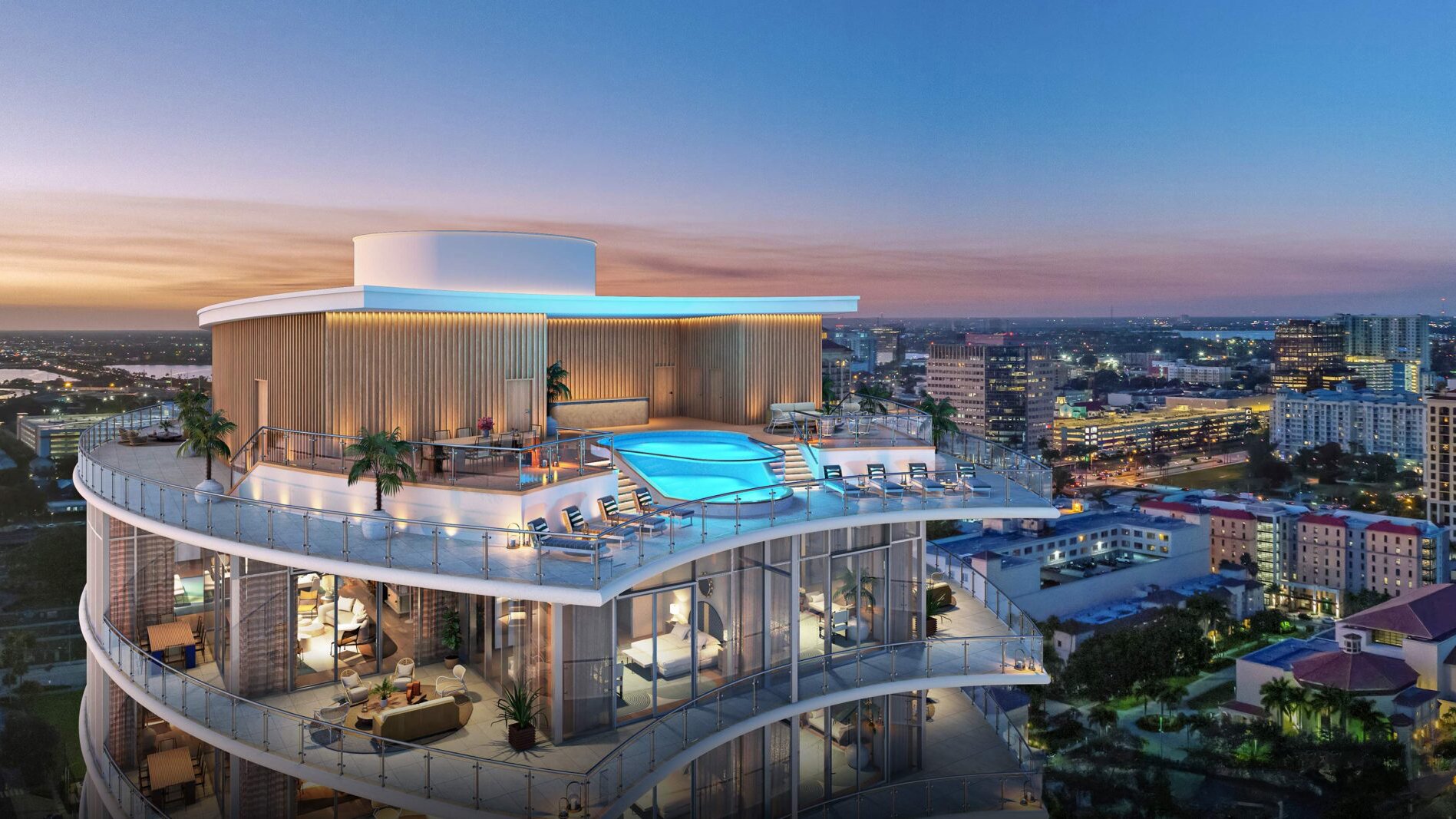
This is also where it can help to benchmark South Florida’s broader luxury inventory. Even if you are committed to an equestrian estate, it is useful to see how other premium lifestyles package convenience and service. For a neutral reference point in Palm Beach area luxury living, explore The Ritz-Carlton Residences® Palm Beach Gardens to calibrate how full-service living is presented in the region, then translate those expectations to a private compound.
Equestrian due diligence is part real estate and part operations audit. It is not enough to fall in love with a façade, because the day-to-day is where value either holds or erodes.
Start with a day-in-the-life walkthrough. Arrive as if you already live there. Where do you park? Where does the groom team stage? Where do deliveries go? How does a horse move from stall to wash to arena? Any bottleneck you notice during a calm showing tends to become a recurring frustration during peak season.
Then evaluate safety and wear with a practical eye. Gates, fencing, footing transitions, and barn hardware should feel consistent and solid. If you see patchwork fixes, assume you will inherit more of them. A property that is well-designed typically looks predictable in the details: latches align, hinges move cleanly, and pathways feel deliberate rather than accidental.
Next, confirm that the property supports your intended use. Many buyers are moving from a city condo lifestyle in West Palm Beach or other urban nodes into acreage-based living. The operational shift is real. A sophisticated buyer’s agent can help you distinguish what is typical from what is exceptional, then coordinate the right specialists for inspections so you are evaluating risk, not guessing.
Finally, treat aesthetics as the final filter, not the first. Once the property functions, design can be refined with far less stress. If the property does not function, design alone will not save it.
The strongest strategy combines patience with decisiveness, because the right equestrian property is often defined by fit, not by finish.
First, segment the market by your program. Shortlist only the estates that truly match your routine rather than touring everything that looks expensive. You will conserve energy, reduce decision fatigue, and avoid the subtle pressure to compromise on functional essentials.
Second, decide how you want to spend your first season. A turnkey equestrian estate can be a relief if you want immediate usability and minimal disruption. A value-add opportunity can be compelling if the bones and layout are strong and you enjoy the process of refining. The key is to be honest about your tolerance for construction, coordination, and operational change.
Third, protect discretion. Many ultra-high-net-worth buyers prefer a quiet search, limited showings, and careful coordination with trainers or barn managers. In the equestrian world, privacy and reputation matter. A smart approach keeps your intentions controlled while you evaluate, and it reduces unnecessary traffic through the property.
Last, stay clear about what you cannot change easily. Layout, access, and land behavior tend to be the hardest elements to correct later. Finishes and décor are usually the easy part.
How do I decide whether I need a turnkey equestrian setup or a renovation project? Choose turnkey when you want immediate usability and minimal operational disruption. Lean renovation when the underlying layout is strong and the property can be refined to match your program without fighting land behavior, access, or circulation.
What should I prioritize first: barn quality, arena usability, or the main residence? Prioritize the elements that determine daily function: barn layout and climate comfort, then arena reliability and drainage, then the residence. The home can usually be upgraded more easily than a barn system or a site that does not manage water well.
How can I assess whether a property’s layout supports privacy and smooth logistics? Walk the property as if it is a working day. Trace separate paths for family, guests, staff, deliveries, and trailers. If those flows overlap constantly, privacy will feel fragile. If they are naturally separated, the estate will feel calm even when it is busy.
What ongoing costs should I plan for when owning an equestrian estate? Plan for recurring maintenance across the barn, arenas, fencing, landscaping, and equipment, plus staffing if your routine requires it. The most important step is to identify what is high-touch so you can underwrite the true cost of the lifestyle, not just the purchase price.
For discreet guidance across South Florida, speak with MILLION Luxury.
If branded residences are on your mind — as a home or as an allocation — we would be glad to share what we are seeing, privately.
Begin a quiet conversation