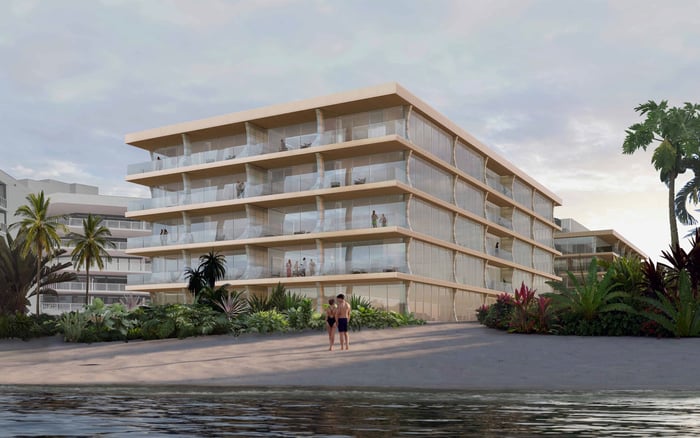
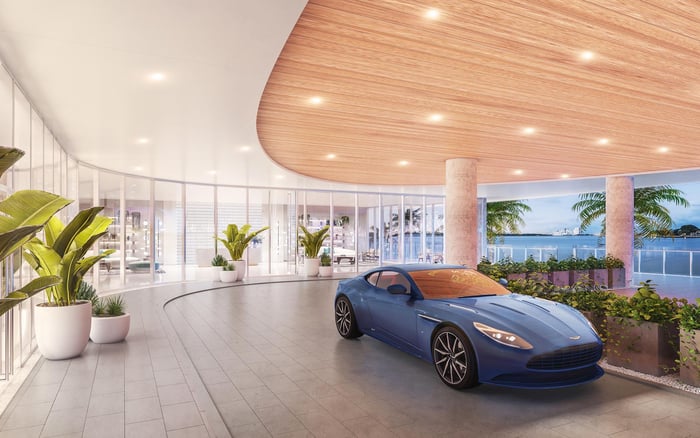
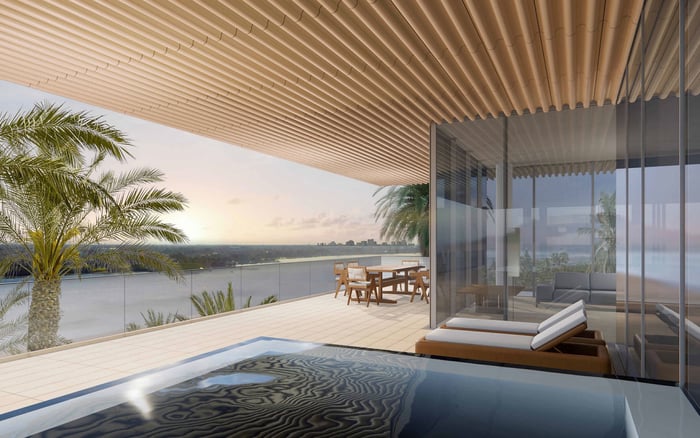
For buyers who value discretion as much as design, North Palm Beach and Jupiter Island read as a quieter chapter of South Florida luxury. The appeal is less about spectacle and more about control: privacy, calmer streetscapes, and day-to-day living that feels composed rather than performative. This guide frames how ultra-luxury purchasers evaluate these enclaves, from privacy architecture and water access to service expectations, security posture, and resale strategy. The goal is clarity, not hype, so you can align lifestyle priorities with long-term ownership confidence.
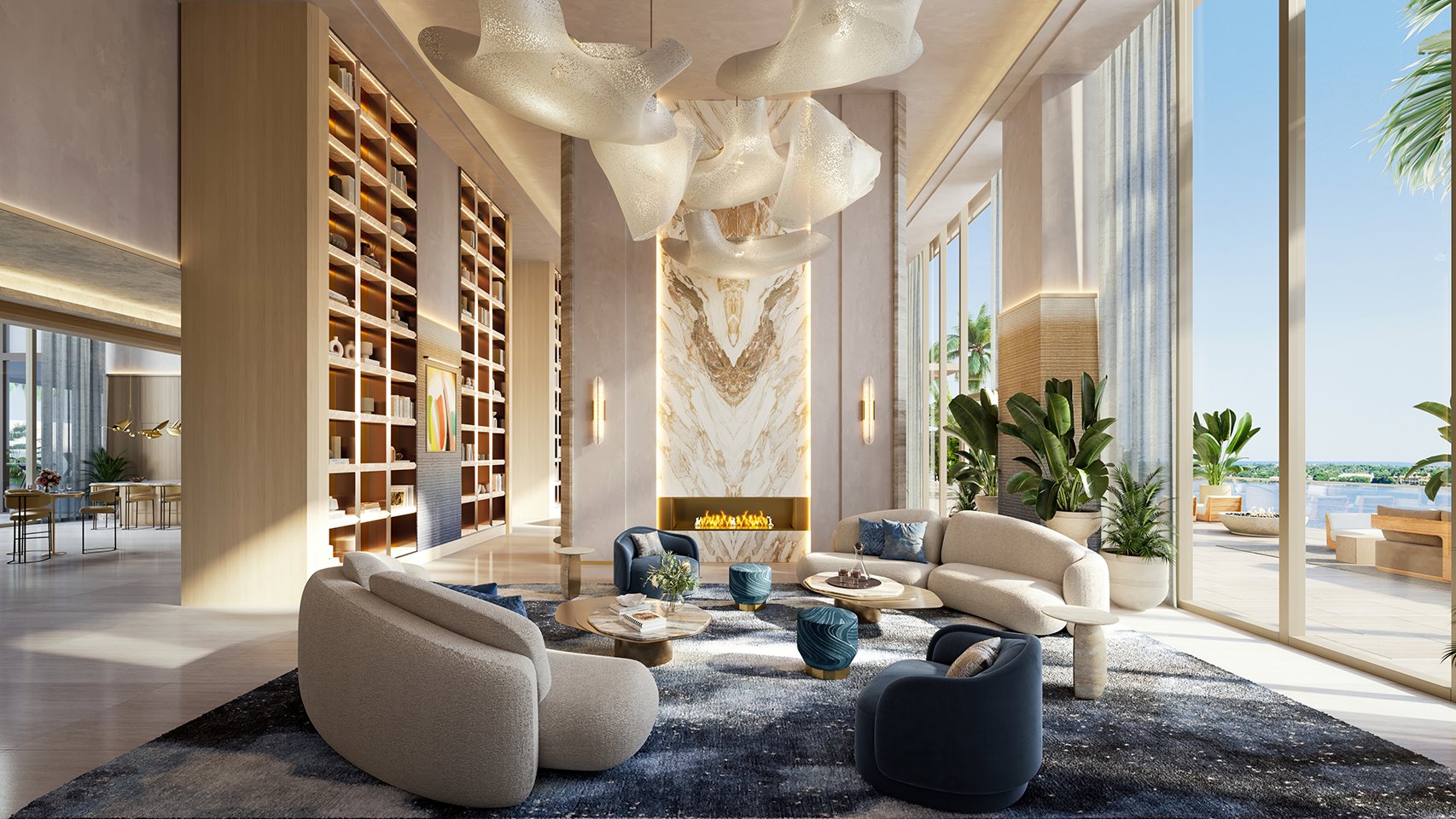
South Florida can be loud by design. Some neighborhoods lean into visibility, nightlife energy, and headline architecture. North Palm Beach and Jupiter Island tend to attract a different buyer: one who wants coastal proximity without constant spectacle, and who prefers a residential rhythm that stays composed even in peak season.
In these enclaves, luxury is often defined by what remains out of frame. Limited exposure, controlled access, and a streetscape that does not feel staged can matter as much as square footage or a designer name. For many ultra-high-net-worth households, discretion is not a nice-to-have. It is part of the operating requirement for family life, security posture, and peace of mind.
That preference for restraint also sharpens expectations. Buyers who choose a quieter market typically want a quieter ownership experience. They are looking for predictable decision-making, smooth operations, and a property that performs reliably with minimal friction.
Because the most meaningful differentiators are often private, the cleanest approach is to define your lifestyle pillars first, then use them to filter the right streets, parcels, and property types. Done well, the outcome feels personal and sustainable, not simply impressive.
Quiet is not just a decibel level. In top-tier real estate, quiet is a composite of privacy, control, and convenience, all expressed through design and day-to-day operations.
Privacy. The best homes are not always the biggest. They are the ones that manage sightlines, arrival experience, and circulation so owners and guests move through the property without tension. Mature landscaping, thoughtful setbacks, and outdoor rooms placed with intention can create a retreat-like atmosphere even when neighbors are close.
Control. Ultra-luxury ownership is often a systems challenge. Who can enter, how deliveries are handled, where staff park, how service teams access mechanical areas, and how guests arrive all influence whether a property feels serene or constantly interrupted. A true quiet haven absorbs activity without advertising it.
Convenience. Discretion should not equal inconvenience. High-performing primary residences and second homes benefit from a practical radius to daily needs, access aligned with your travel patterns, and a setting that supports wellness and outdoor living without requiring a production to enjoy it.
Social optionality. Many quiet-luxury buyers want the ability to participate without pressure to perform. The home becomes a base for intimate entertaining and family time, with visibility kept entirely under the owner’s control.
There is no single buyer profile, but certain priorities repeatedly show up among households drawn to North Palm Beach and Jupiter Island.
Privacy architecture. Look past gates and cameras. The most durable privacy is passive: driveways that avoid direct lines of sight, entry courts that create a transition, and outdoor zones positioned to feel protected. When privacy is designed into the site plan and architecture, you rely less on rules and more on form.
Water orientation and outdoor living. Many buyers shopping this corridor have a relationship with the water, whether that is boating, paddle time, or simply a preference for open horizons. Oceanfront aspirations can be emotional, but the practical layer matters just as much: wind exposure, salt impact on materials, and outdoor spaces configured to work across different times of day.
Service expectations. Quiet living typically comes with high service standards. That may include property management, seasonal operational support, and a network of vendors who already understand ultra-luxury privacy norms. If a home requires constant troubleshooting, it will not feel quiet, regardless of how private the street is.
Security posture. Some households need overt security. Others prioritize invisible security that preserves atmosphere. Either way, the objective is alignment: protection that matches your profile without turning the property into a fortress. Often, a thoughtful security consultant improves outcomes more than adding more hardware.
Long-hold stewardship. In low-drama enclaves, many owners think in decades, not quarters. That mindset influences renovation timing, landscape planning, and how you structure usage. If you anticipate long-term ownership, build a plan that can adapt as lifestyle needs evolve.
Buyers often arrive with a storyline already written: one location reads as more private, the other more convenient; one feels established, the other understated. Narratives can help you start the search, but they can also obscure the operational realities that determine how a home actually lives.
A more effective comparison uses consistent criteria that map to your routine. The goal is not to validate social mythology. The goal is to identify observable trade-offs and choose the setting that supports your daily life.
Arrival and access. Start with how you arrive and how your closest circle arrives. Do you want a seamless drive-in routine, or do you prefer a buffered approach that naturally limits pass-through activity? The best properties can be easy for your inner circle while still discouraging casual drop-ins.
Daily rhythm. Some owners want a calm base with quick access to dining, wellness, and errands. Others want to disappear for longer stretches. Use your real in-season week as the reference point, not the idealized weekend.
Property types and operational intensity. Different property types come with different operating demands. A large waterfront estate can be exceptional, but it can also be a high-touch asset. If you travel frequently, a lock-and-leave profile may fit better even at the ultra-luxury tier.
Privacy exposure and the public edge. Every home has a public edge: the street, the waterway, the beach access point, or the arrival gate. Evaluate where that edge sits, how visible it is, and what it feels like during normal activity. A home can feel private inside yet exposed at arrival, which often affects day-to-day comfort more than buyers expect.
Resale and liquidity posture. Ultra-luxury is rarely purely liquid, but some assets reposition more cleanly than others. Properties with flexible layouts, clear privacy advantages, and durable design language tend to maintain appeal even as taste changes.
Quiet-haven purchases benefit from due diligence designed for privacy and performance, not speed. This is where you protect lifestyle value and capital.
Site and micro-location. Walk the site at different times. Notice how light shifts, how sound carries, and what neighboring vantage points can see. Consider how the property feels when it is active: deliveries, landscapers, pool service, and guests. If the home cannot absorb normal service activity gracefully, ownership will feel loud even in a quiet area.
Water and weather realities. Salt, wind, and sun are constant factors in coastal South Florida. Strong properties do not deny the environment. They are designed to perform within it. Review material choices, maintenance expectations, and protective strategies with professionals who routinely service ultra-luxury coastal homes.
Building systems and resiliency. Quiet luxury depends on systems you do not notice. Confirm the condition and serviceability of major mechanical components, and assess whether upgrades are straightforward or complex. A beautiful home that is difficult to maintain becomes a recurring point of friction.
Layout and privacy flow. Evaluate the home as choreography. Can staff move through service zones without interrupting family spaces? Can guests arrive and settle without crossing private quarters? Is there a clean separation between entertaining areas and retreat areas? These decisions often matter more than the room count.
Security and discretion planning. For many households, the best plan is layered. A practical perimeter approach, thoughtful lighting, and well-placed surveillance can work together without hardening the mood of the property. If you require higher levels of protection, integrate them into the landscape and architecture so the atmosphere remains calm.
Governance and rules. If you are considering a gated-community, read governance documents with care and align them with your expectations. Rules can protect character, but they can also constrain renovation timelines, vendor access, and certain usage patterns. Confirm what matters early, before you become attached to a specific home.
Insurance and carrying cost sensitivity. Coastal ownership comes with carrying-cost variability. Even when budget is not the constraint, unpredictability can be. Ask for a realistic view of maintenance cycles, vendor availability, and the attention required to keep the home performing at a high level.
In markets defined by discretion, design tends to prioritize restraint, craft, and longevity over trend.
Restraint that reads expensive. The most convincing luxury interiors rarely announce themselves. They rely on proportion, material integrity, and disciplined detailing. When the palette is calm and finishes are timeless, a home feels curated rather than performative.
Indoor-outdoor rooms that feel protected. Instead of maximizing exposure, many quiet-luxury homes treat outdoor spaces as true rooms: sheltered lounges, dining zones that work in varied weather, and wellness areas that support daily routines. The objective is for outdoor living to feel automatic, not conditional.
Acoustic comfort as a design brief. Quiet is partly an acoustics problem. Quality glazing, thoughtful mechanical design, and the right material mix can materially change how a home feels. Acoustic comfort becomes especially important when the residence is used as a genuine retreat.
Art and collectibles without museum vibes. Many ultra-luxury buyers collect. Quiet-luxury design makes space for art without turning the home into a gallery. Lighting control, wall planning, circulation routes, and discreet storage all support a lived-in feeling while protecting what matters.
Even if your target is a private estate, it can be useful to benchmark service expectations and lifestyle framing against what branded residences bring to the market. For a Palm Beach oriented reference point, explore Aman Palm Beach Residences. Use it as a lens for evaluating how much hospitality-style service, privacy protocol, and amenity support you want wrapped around your ownership experience.
This comparison can clarify whether you prefer a fully independent asset, where you control every decision and vendor relationship, or a residence where certain operational elements are standardized. Neither is universally better. The right answer depends on how often you use the property, how much you travel, and how much day-to-day responsibility you want to retain.
In a market defined by discretion, value does not always reveal itself through the usual headline metrics. The premium often sits in advantages that compound quietly over time.
Privacy premium. A property that delivers real privacy through site planning, landscape maturity, and controlled arrival tends to hold appeal even when architectural tastes shift. Buyers may compromise on other features before they compromise on privacy.
Renovation flexibility. Strong long-term assets allow you to evolve the home without fighting the structure. If you anticipate upgrades, consider whether the property can accept changes cleanly, both technically and aesthetically, while maintaining quiet-luxury character.
Neighborhood stability. An Exclusive-area reputation can help protect the lived experience, but reputation alone is not underwriting. Look for consistent upkeep, compatible neighboring uses, and a culture that respects discretion.
Operational clarity. A home that is straightforward to maintain can be more valuable in practice than a home with more headline features but ongoing complexity. Quiet ownership is a luxury. Buyers who have dealt with operational friction elsewhere tend to prioritize simplicity.
Exit strategy without urgency. Even if you plan to hold long term, it is wise to understand who the next buyer might be. Properties that align with broad ultra-luxury preferences, offer strong privacy, and present functional layouts with durable design language are often easier to reposition when timing matters.
Many buyers evaluate these quieter enclaves in relation to how they move through South Florida. West-palm-beach can serve as a complementary node for culture, dining, medical access, and professional services, depending on your routine. If you are relocating or establishing a second home, identify where key appointments and commitments tend to cluster, then choose a base that supports that pattern without creating constant transitions.
The larger point is that a quiet haven does not exist in isolation. It exists within a personal map of movement. When you understand that map, you can prioritize the location characteristics that reduce friction: arrival ease, privacy control, and the ability to maintain a calm rhythm.
These enclaves tend to reward a certain temperament. Alignment is the difference between a home that feels restorative and a home that feels like a mismatch.
A good fit. You value calm mornings, low-key entertaining, and a residence that functions as a true retreat. You care about design quality and privacy flow. You do not need to be seen, and you may actively prefer not to be. You are comfortable making long-term decisions and investing in stewardship.
A misfit. You prioritize constant novelty, high-foot-traffic social scenes, and immediate proximity to nightlife energy. You enjoy the theater of public-facing luxury and want a residence that broadcasts status at all times. You may still love South Florida, but you might be happier in a district built for visibility.
This is not a judgment. It is an alignment check. Quiet-haven real estate is most satisfying when the location and the owner’s rhythm match.
Define your non-negotiables. List the elements that create calm for you: privacy at arrival, limited exposure, specific outdoor-living conditions, or a preferred service posture. Keep the list short, specific, and honest.
Choose a property type that matches your travel pattern. If you travel heavily, prioritize operational simplicity and lock-and-leave confidence. If you spend long stretches in residence, a more expansive estate profile may deliver the experience you want.
Assemble a privacy-minded advisory team. In ultra-luxury, confidentiality is a feature. Work with professionals who understand discretion, avoid unnecessary visibility, and can coordinate inspections and planning without turning the process into an event.
Underwrite the ownership experience, not just the purchase. Budget attention as well as dollars. Ask how much time and decision-making the home will require, and whether you want to be involved or insulated.
How do I compare North Palm Beach and Jupiter Island if I want maximum privacy? Start by measuring privacy at the property level, not the branding of the address. Evaluate arrival exposure, sightlines from neighboring vantage points, and how the home absorbs normal service activity. The right choice is the one that lets you live normally without feeling observed.
What should I prioritize in due diligence for a coastal ultra-luxury home? Focus on performance: building systems, material durability in a salt and sun environment, and the serviceability of critical components. Pair that with a layout review for privacy flow, because operational friction and circulation issues are what usually erode the sense of calm.
Is a gated-community always the best option for discreet living? Not always. Gating can reduce pass-through traffic and add structure, but it can also introduce governance constraints that affect renovations, vendor access, and daily flexibility. The best fit depends on whether you want standardized rules or maximum control.
How can I evaluate Oceanfront appeal without overpaying for the label? Separate the emotional draw from the lived experience. Assess how outdoor spaces function across different conditions, how privacy is handled at the public edge, and what the maintenance and operating realities look like over time. Pay for the experience you will actually use, not just the descriptor.
For discreet guidance on South Florida ultra-luxury buying, speak with MILLION Luxury.
If branded residences are on your mind — as a home or as an allocation — we would be glad to share what we are seeing, privately.
Begin a quiet conversation