A buyer-focused editorial on how protected waterfront view corridors may shape luxury condominium selection, planning sensitivity, and long-term value across Miami-Dade’s premium coastal neighborhoods.
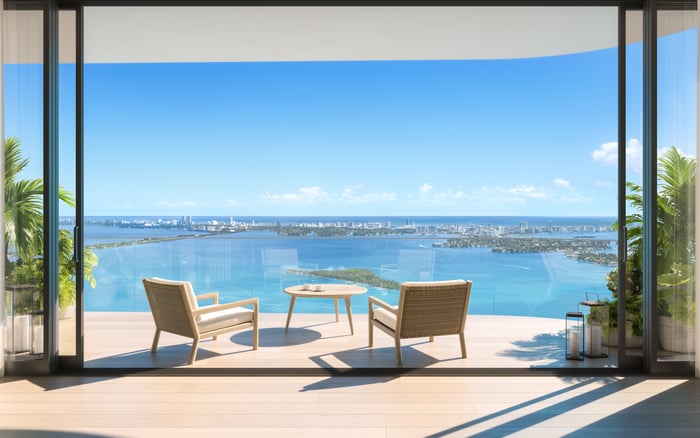
For South Florida’s most discerning buyers, a waterfront residence is rarely defined by water access alone. The more enduring premium is often the view itself: the long blue plane of Biscayne Bay, a framed ocean horizon, a sunset exposure over the skyline, or the rare sense of air and distance within a dense urban setting. As new Miami-Dade development ordinances place greater attention on waterfront view corridors, that intangible asset is becoming a more formal part of the luxury real estate conversation.
The practical shift is subtle, but significant. A protected view corridor does not mean every private outlook is permanently preserved. It means planning, design, and approval conversations increasingly account for how new construction interacts with public sight lines, waterfront openness, and the spatial rhythm between towers. For buyers, this changes how a residence should be evaluated. The question is no longer only, “What do I see today?” It is also, “How is this view positioned within the future development pattern around me?”
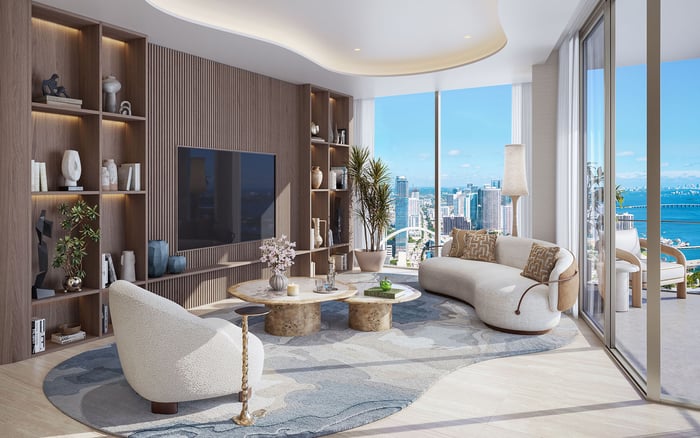
That distinction matters in Miami-Dade, where prime waterfront land is limited and vertical living continues to define many of the most coveted addresses. Waterview quality has become a form of architectural currency, especially in residences where ceiling heights, glass lines, terrace depth, and building orientation work together to capture light, horizon, and atmosphere.
Traditional condominium due diligence focuses on price, floor plan, association health, finishes, parking, and amenities. In a waterfront market shaped by evolving view-corridor protections, buyers should add another layer: visual due diligence. That means studying adjacent parcels, likely development envelopes, tower spacing, waterfront setbacks, and the way a residence is angled toward water, skyline, or open air.
A high floor is not automatically superior if its primary exposure faces a future development zone. A lower residence can sometimes offer a more composed view when it aligns with a canal, park, bay opening, or protected gap between buildings. The strongest acquisitions often combine three qualities: a compelling present view, a defensible orientation, and a surrounding context that reduces the risk of visual compression over time.
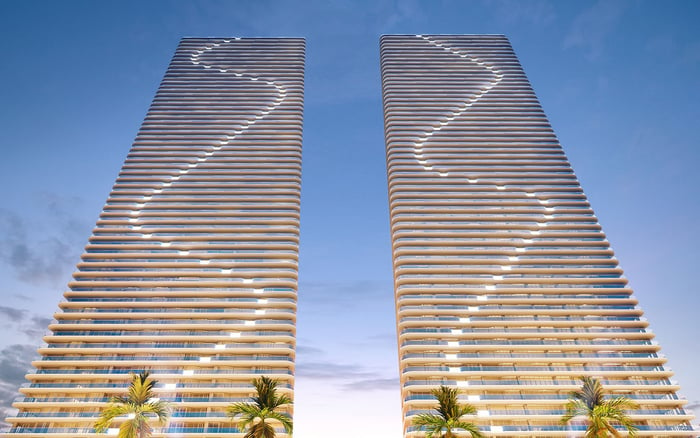
This is especially relevant in neighborhoods where the waterfront edge is evolving quickly. In Edgewater, for example, residences such as Aria Reserve Miami reflect the appeal of broad bay-facing living in a corridor where orientation and separation between buildings are central to the ownership experience. Buyers comparing towers in this area should look beyond renderings and assess how each building sits within the larger waterfront composition.
Brickell presents a different version of the view-corridor question. It is dense, vertical, and intensely urban, yet its most prized residences often succeed because they create a sense of relief from that density. Bayfront and river-adjacent views can carry a premium not only because they are beautiful, but because they deliver contrast: water, sky, and movement set against architecture.
In this setting, protected sight lines can support the enduring desirability of residences with strong exposures. Buyers considering Baccarat Residences Brickell or The Residences at 1428 Brickell should study the geometry of the view carefully. Is the outlook broad or narrow? Does it depend on a single open parcel? Is the exposure angled toward a more resilient waterway or skyline corridor? These questions can separate a beautiful purchase from a truly strategic one.
For luxury owners, the most valuable views often carry layered interest. A bay view may be enhanced by the movement of boats, the shimmer of evening light, and the sense of distance from neighboring towers. A skyline view may be stronger when framed by water or open civic space. View-corridor awareness helps buyers identify which perspectives are likely to feel graceful not only at closing, but years into ownership.
On Miami Beach and in smaller waterfront enclaves, the issue becomes less about skyline density and more about proportion. The luxury buyer is often seeking privacy, scale, and a curated relationship with water. Buildings that respect their setting can feel more enduring because they do not overwhelm the landscape that creates their value.
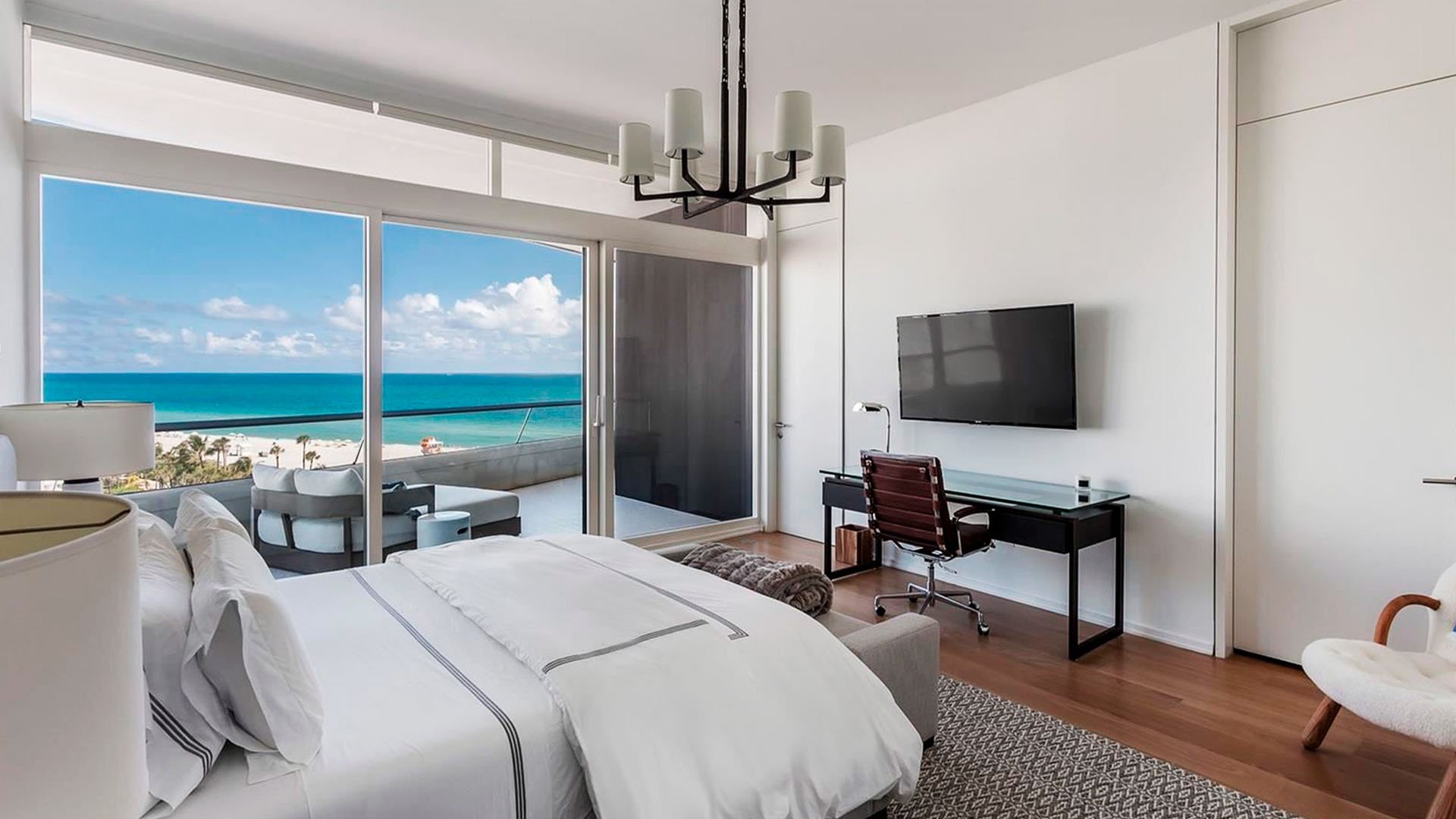
Residences such as The Perigon Miami Beach illustrate why orientation, frontage, and architectural discipline are so important in beachside markets. A residence may offer ocean or water views, but the true test is how naturally the architecture allows those views to unfold from the living spaces, terraces, and primary suites.
Bay Harbor Islands, North Bay Village, and other bayfront communities introduce another layer. Their appeal often comes from a quieter waterfront rhythm, where water, bridges, low-rise edges, and selective new construction create a residential atmosphere distinct from the larger urban core. At The Well Bay Harbor Islands, the broader conversation around lifestyle and setting reinforces how buyers increasingly weigh the character of the surrounding view environment, not only the interior program.
View protection can influence value in several ways, though it should not be treated as a simple guarantee. First, it can increase buyer confidence in residences where the outlook is tied to a more deliberate planning framework. Second, it can elevate the importance of architectural design, since buildings must often work harder to balance density, privacy, and openness. Third, it can sharpen the market distinction between residences with incidental views and those with carefully composed, more resilient exposures.
For sellers, a well-positioned view can become a more persuasive narrative when the surrounding context supports it. For buyers, the discipline is to avoid paying solely for a romantic image. Instead, the purchase should be tested against the site plan, neighboring properties, balcony orientation, glass line, and the likely path of future development.
This is where expert guidance becomes particularly valuable. Two residences in the same building can have materially different view prospects. A corner line may benefit from a diagonal bay opening. A direct waterfront line may feel powerful but vulnerable if it faces a developable site. A side exposure may appear secondary on paper yet offer better long-term openness. The best decisions are made with both aesthetic sensitivity and planning literacy.
A refined waterfront search should begin with a simple hierarchy. First, identify the primary view that matters most: ocean, bay, river, canal, skyline, sunset, sunrise, or a combination. Second, evaluate whether that view is broad and structural, meaning it is supported by geography or planning context, or narrow and incidental, meaning it depends on a temporary gap. Third, compare how the residence’s interior layout celebrates the view. A great outlook loses power if it is visible only from one room or interrupted by awkward terrace proportions.
Buyers should also consider time of day. Morning water views can feel serene and architectural, while western exposures can bring drama and warmth. Night views matter as well, particularly in Brickell and Edgewater, where the skyline becomes part of the residence’s atmosphere. The right view should enhance daily life, not simply photograph well.
Finally, remember that privacy and view are related but not identical. A residence may have an expansive outlook yet feel exposed to neighboring towers. Another may have a more measured view but superior privacy, depth, and calm. In the ultra-premium market, the best waterfront homes typically solve for both.
Do protected view corridors guarantee my private view will never change? No. They should be understood as part of a planning framework, not an absolute promise for any individual residence.
Why are view corridors important in luxury waterfront real estate? They can influence perceived openness, long-term desirability, and the confidence buyers place in a residence’s outlook.
Should I prioritize a high floor for better view security? Not always. Orientation, neighboring parcels, and the shape of the view can matter as much as elevation.
How should Brickell buyers evaluate view risk? They should study adjacent development potential, waterway alignment, and whether the view relies on a narrow gap between towers.
Are bay views generally more resilient than skyline views? They can be, especially when supported by geography, but each residence needs its own site-specific review.
Does a protected public view corridor increase condo value? It may support buyer confidence, but value still depends on building quality, floor plan, services, and market conditions.
What is visual due diligence? It is the process of reviewing sight lines, surrounding parcels, building orientation, setbacks, and likely future context.
Can a lower-floor residence have a better long-term view? Yes. A lower line can be compelling if it aligns with a canal, park, bay opening, or protected spatial corridor.
How do view corridors affect new-construction decisions? They make tower placement, façade design, terrace orientation, and spacing more important to the final ownership experience.
What is the best way to shortlist comparable options for touring? Start with location fit, delivery status, and daily lifestyle priorities, then compare stacks and elevations to validate views and privacy.
If you'd like a private walkthrough and a curated shortlist, connect with MILLION.
If branded residences are on your mind — as a home or as an allocation — we would be glad to share what we are seeing, privately.
Begin a quiet conversation