A discreet buyer-focused look at how private aviation users should weigh walkable South Florida neighborhoods against residences designed around privacy, control, and calm arrivals.
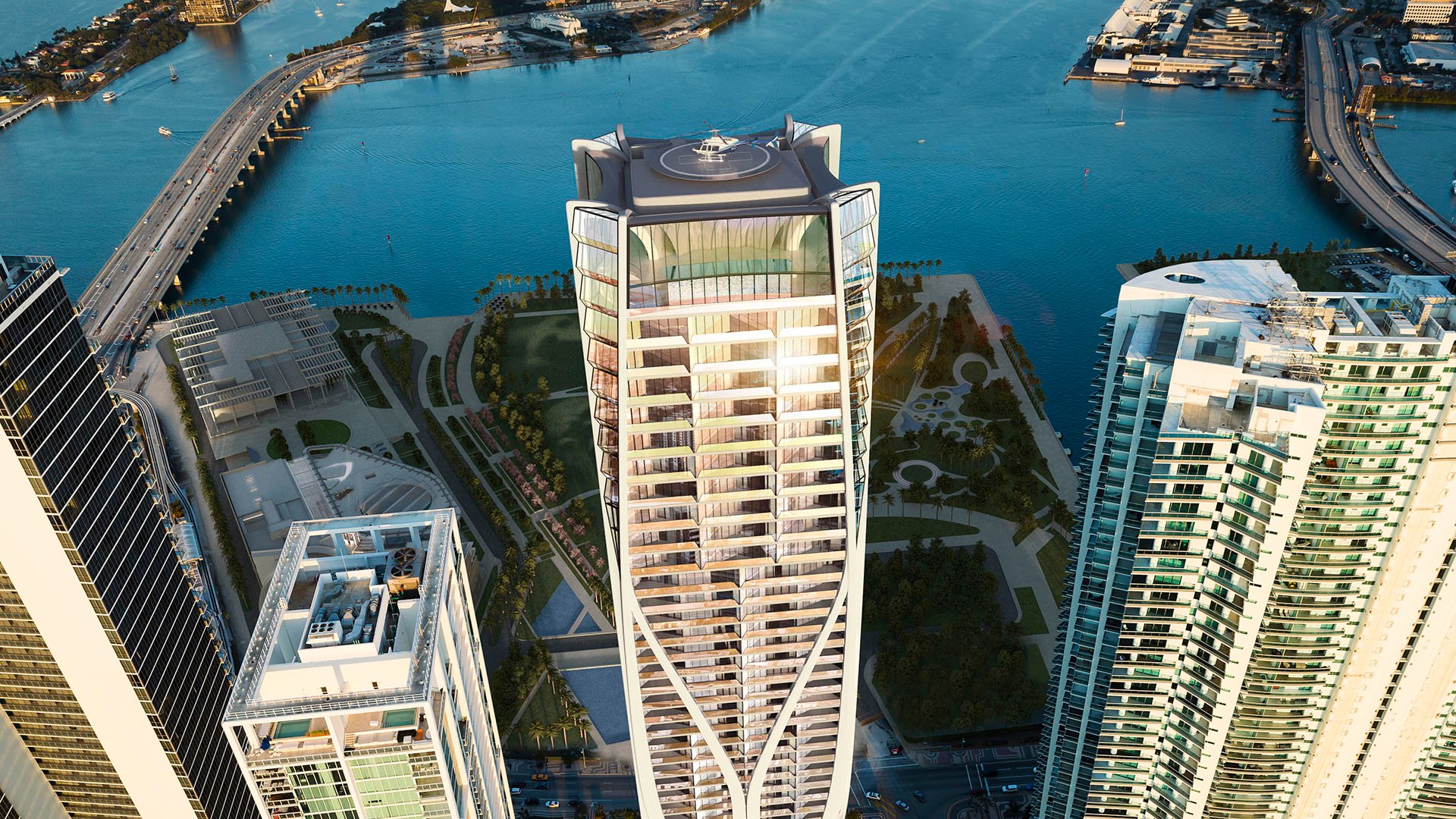
For private aviation users in South Florida, the choice is rarely as simple as walkability versus seclusion. The more revealing question is how a residence performs between commitments: after landing, before boarding, on a quiet weekend when the aircraft stays still, and on an evening when the household wants dinner without production.
Walkability offers freedom. Private arrival offers control. Both can be forms of luxury, and both can disappoint when they do not match the owner’s actual life. A highly walkable address may suit a principal who values restaurants, wellness, art, and office proximity. A residence organized around private arrival may better serve a family moving with staff, security, luggage, pets, children, or guests. The best choice is not the most dramatic one. It is the one that removes friction.
Walkability matters most when the owner wants the city to function as an extension of the residence. It can make short stays feel fuller, because the best parts of the day do not require a formal car movement. Coffee, training, lunch, a gallery visit, a board dinner, and a late return can all happen with less coordination.
In Brickell, a buyer considering 2200 Brickell may be drawn to a more connected urban rhythm. The appeal is not convenience alone. It is optionality. A private aviation user with limited days in Miami may want immediate access to the neighborhood rather than another sequence of scheduled transfers.
This is where walkability becomes psychologically valuable. After a flight, some owners do not want another curated environment. They want to step outside, choose spontaneously, and feel the place they bought into. For that buyer, a walkable address is not a compromise on privacy. It is a way to make time feel less managed.
Private arrival becomes decisive when the residence must operate as a quiet extension of the flight experience. The ideal sequence is simple: aircraft, vehicle, residence, elevator, door. No spectacle, no uncertainty, no unnecessary exposure. For some owners, this is not about status. It is about restoring calm.
A private-arrival mindset also changes how buyers evaluate buildings. They look beyond finishes and views to consider the quality of the approach, the ease of loading, the separation of service and guest movement, the discretion of the lobby experience, and the comfort of arriving with luggage after a long day. A beautiful residence can feel less compelling if every arrival feels public.
This is especially relevant for owners who travel with family or staff. The question becomes operational: can the household return from the airport, enter smoothly, and resume life without a visible transition? If the answer is yes, private arrival may matter more than the ability to walk to dinner.
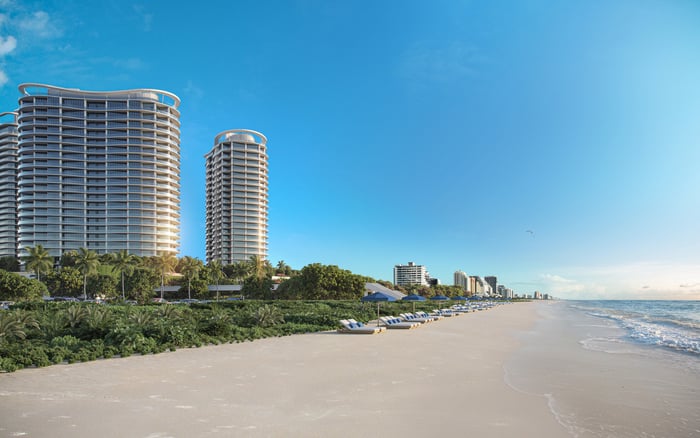
South Florida gives buyers multiple ways to solve the same problem. A Miami Beach buyer may want proximity to dining and culture, yet still prefer a residence that feels composed on return. A project such as The Perigon Miami Beach belongs in that conversation because it speaks to buyers weighing a coastal setting against the demands of a highly mobile lifestyle.
For some, Fisher Island represents a different instinct: separation first, access second. A buyer reviewing The Residences at Six Fisher Island is likely thinking less about casual street life and more about privacy, controlled movement, and the feeling of retreat after travel. That does not make it less convenient. It simply defines convenience differently.
Fort Lauderdale can attract the owner who wants a residence that supports both waterfront leisure and a more measured daily rhythm. St. Regis® Residences Bahia Mar Fort Lauderdale may enter the discussion for buyers who want a refined address without placing every decision inside Miami’s densest urban pattern.
In Boca Raton, Alina Residences Boca Raton may appeal to buyers who prioritize a calmer residential cadence while still expecting sophistication. For search clarity, many South Florida decisions move across Brickell, Miami Beach, Fort Lauderdale, Boca Raton, Fisher Island, and broader investment priorities rather than a single neighborhood label.
The right answer begins with a calendar, not a map. Count the arrivals that matter: late-night returns, family holidays, business day trips, seasonal stays, and guest weekends. Then consider who is in the vehicle. A solo principal may value walkability far more than a family arriving with multiple bags and staff coordination.
Next, separate daily convenience from arrival convenience. Walkability helps after you are home. Private arrival helps before you feel home. The two are related, but they are not identical. Many buyers overvalue what looks pleasurable in daylight and undervalue what feels effortless at midnight.
Finally, consider resale through a broad lens. A residence with strong privacy can appeal to buyers who are difficult to impress, while a walkable address can appeal to those who prize flexibility and lifestyle compression. The most resilient homes often do not choose one extreme. They deliver a graceful arrival, then give the owner meaningful choices once inside the neighborhood.
For private aviation users, walkability and private arrival are not competing luxuries. They are different forms of time control. Walkability reduces dependence on logistics once the owner is in residence. Private arrival reduces exposure and uncertainty during the most sensitive transitions.
The sharper question is this: where does the owner want spontaneity, and where does the owner want choreography? If spontaneity matters most after arrival, choose walkability. If choreography matters most during arrival, choose privacy. If both matter, the search should focus on buildings and neighborhoods that allow the owner to move between energy and retreat without changing the way they live.
Is walkability more important than private arrival for private aviation users? It depends on the owner’s rhythm. Frequent solo travelers may prize walkability, while families and staffed households often prioritize private arrival.
What does private arrival mean in a luxury residence? It generally refers to a calm, discreet transition from vehicle to home. Buyers often focus on entry sequence, service flow, privacy, and ease of movement.
Can a walkable address still feel private? Yes. The strongest urban residences combine neighborhood access with controlled residential circulation and a composed sense of return.
Why does arrival experience matter after a private flight? The flight may be seamless, but the ground transition can still feel exposed or inefficient. A strong arrival sequence preserves the calm of the journey.
Should second-home buyers prioritize walkability? Many should, especially if stays are short and lifestyle access is the goal. Walkability can make limited time in residence feel more complete.
When is private arrival the better choice? It is often better when privacy, luggage, staff, security, children, pets, or late arrivals shape the household routine.
Does a quieter location mean less convenience? Not necessarily. Convenience can mean fast access to restaurants, or it can mean an effortless return home with minimal exposure.
How should buyers compare neighborhoods? They should compare the full day, not just the address. Morning routines, airport transfers, dinners, guests, and service needs all matter.
Is this mainly a Miami question? No. The same balance appears across South Florida, from urban towers to coastal retreats and more residential enclaves.
What is the best first step for a buyer? Define the arrival pattern before touring. Once the travel rhythm is clear, the right balance between walkability and privacy becomes easier to see.
For a discreet conversation and a curated building-by-building shortlist, connect with MILLION.
If branded residences are on your mind — as a home or as an allocation — we would be glad to share what we are seeing, privately.
Begin a quiet conversation