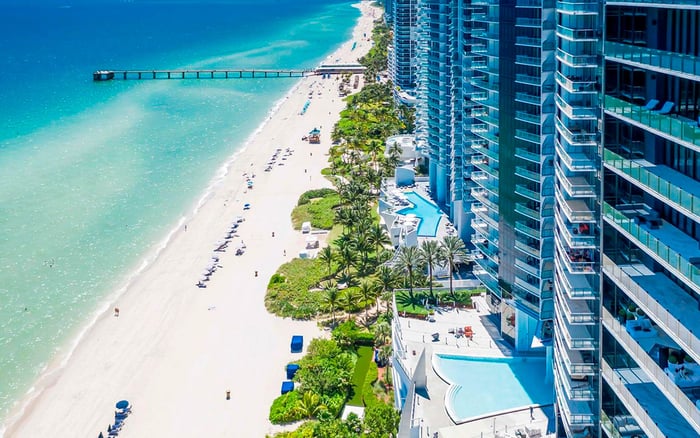
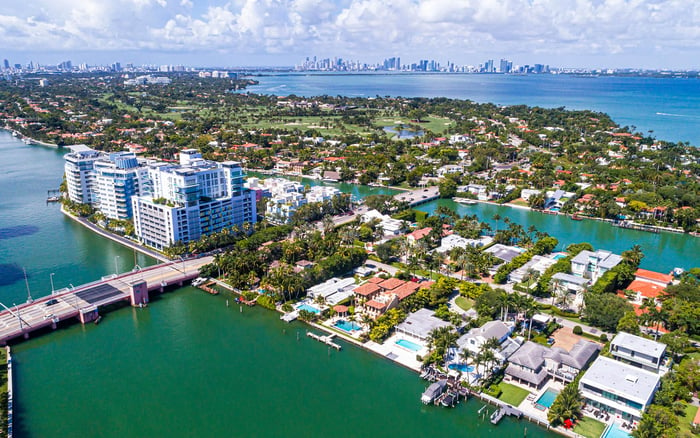
For serious Miami buyers, the enduring questions often sit beyond the residence itself. Ownership structure, waterfront access, storm readiness, building governance and recovery planning deserve scrutiny before decorative finishes.
.jpg)
A beautifully finished residence can create an immediate emotional response. Stone, millwork, lighting and appliances are tangible, photogenic and easy to compare. Yet for a serious Miami buyer, they may be among the least permanent elements of the acquisition. Most interiors can be refined over time. The ownership framework, relationship to the water, building systems and culture of preparedness are far harder to change.
That distinction should inform the first tour and every conversation that follows. Waterfront ownership is not simply a category of view. It encompasses rights, responsibilities, access, governance and operational judgment. Storm preparation is equally consequential, revealing how a property anticipates disruption, communicates with residents and restores normal operations.
This Buyer's Guides framework is not an argument against design. It is a case for placing design in the correct order.
The word waterfront can describe markedly different experiences. Buyers should clarify what they would own, what they would share and what they would merely overlook. Questions about shoreline areas, docks, seawalls, marina components, access paths and shared amenities should be resolved through the relevant property documents and professional review.
Governance matters as much as geography. A buyer should understand who makes decisions, which responsibilities belong to the individual owner, which rest with an association, and how waterfront-related work is approved and funded. The objective is not to predict every future event, but to identify where authority and financial responsibility reside.
Context also varies by location. A Brickell buyer considering Una Residences Brickell may define the waterfront experience differently from a buyer assessing The Perigon Miami Beach in Miami Beach. The meaningful comparison is not which presentation feels more glamorous, but which ownership proposition best suits the buyer's intended use.
Storm readiness is best evaluated as a chain, not a single feature. Buyers can ask how management prepares the property, how residents receive instructions, what happens when access is restricted, and how inspections or repairs are coordinated afterward. The quality of those answers may reveal whether preparedness is embedded in operations or treated as a seasonal talking point.
Physical systems warrant equally disciplined questions. Buyers should request available information about protective building components, drainage, backup power, elevators, mechanical equipment and emergency procedures. The goal is not to accept a broad label such as “storm ready,” but to understand what is covered, what is excluded and what depends on resident action.
Staffing and communication should also be part of the review. Who is responsible for notices? How are absentee owners supported? What is the process for securing private terraces or arranging post-event access? A second-home owner may prioritize these matters differently from a full-time resident, but neither should leave them undefined.
When examining alternatives in Sunny Isles Beach, a property such as St. Regis® Residences Sunny Isles can be assessed through the same operational lens as any other candidate: documents first, specific questions second and finishes afterward.
A sophisticated review should extend beyond the sales presentation. Depending on the property and transaction, buyers and their advisers may examine governing documents, budgets, reserves, insurance materials, maintenance responsibilities, meeting records, inspection information and disclosed plans for future work. Legal, insurance, engineering and tax questions belong with qualified professionals.
This sequence can prevent an attractive interior from dominating the decision too early. A custom kitchen may be desirable, but it does not explain how common elements are maintained. A dramatic terrace may be compelling, but it does not define the owner's responsibilities before or after severe weather. Service levels may feel effortless, yet a buyer still needs to understand the structure that supports them.
For investment-minded purchasers, the same discipline applies. Rather than rely on broad assumptions about prestige, review the use restrictions, leasing provisions, operating costs and decision-making framework relevant to the specific residence. Personal enjoyment and financial objectives should be evaluated separately before they are reconciled.
The most revealing comparison is often a side-by-side scorecard. Begin with ownership and governance, then consider access, privacy, building operations, emergency planning, insurance questions, ongoing obligations and suitability for the buyer's actual pattern of use. Only after those categories are understood should interior condition and upgrade preferences receive their proper weight.
This approach is especially useful when a shortlist crosses submarkets. A buyer considering The Residences at Six Fisher Island alongside properties in Brickell, Miami Beach or Sunny Isles Beach should not treat location names as substitutes for diligence. Each candidate deserves the same questions, even when the lifestyle proposition differs.
The scorecard should remain personal. Boating access may be central to one household and irrelevant to another. An owner who travels frequently may place greater value on communication protocols and residence oversight. A primary resident may focus more heavily on daily circulation, service continuity and practical access. Luxury is not a universal checklist. It is the alignment between a property and its owner's priorities.
The hierarchy is clear. Finishes can often be replaced, subject to approvals and practical constraints. A property's setting, ownership structure and governing framework are substantially less flexible. Building-wide preparedness also depends on collective systems and decisions, not individual taste.
Serious buyers therefore look beyond the first impression without dismissing it. They appreciate design while testing the foundations of ownership. That balance protects the pleasure of the purchase: beauty remains important, but it is supported by clarity about how the residence functions in ordinary conditions and when conditions are anything but ordinary.
Why can waterfront ownership matter more than interior finishes? Ownership rights, shared responsibilities and governance are difficult to alter, while many decorative elements can be updated.
What should a buyer clarify about direct water access? Confirm whether access is private, shared or visual only, and review any related rights or restrictions with appropriate counsel.
Which storm-preparation questions belong on a first tour? Ask about resident communication, property security, backup systems, staffing and the process for post-event access.
Should buyers rely on a property's general storm-readiness description? No. Request specific available documents and distinguish building responsibilities from the actions required of each owner.
Why does association governance deserve attention? Governance determines how shared decisions, maintenance priorities and certain financial responsibilities are handled.
How should an absentee owner assess preparedness? Focus on communication protocols, unit-access procedures, residence oversight and the support available before and after an event.
What documents may help evaluate a condominium? Relevant materials may include governing documents, budgets, insurance information, meeting records and disclosed maintenance plans.
How should buyers compare different Miami submarkets? Apply one consistent scorecard while allowing for differences in intended use, privacy, access and lifestyle priorities.
Where should insurance fit into due diligence? Review both property-level and personal coverage questions with qualified insurance and legal professionals before committing.
Do finishes still matter in a serious luxury purchase? Yes. They should complete the decision after the less changeable dimensions of ownership and operation are understood.
When you're ready to tour or underwrite the options, connect with MILLION.
If branded residences are on your mind — as a home or as an allocation — we would be glad to share what we are seeing, privately.
Begin a quiet conversation