A discreet buyer guide to the South Flagler decision: whether a residence should prioritize walkable daily life or a more private, controlled arrival sequence.
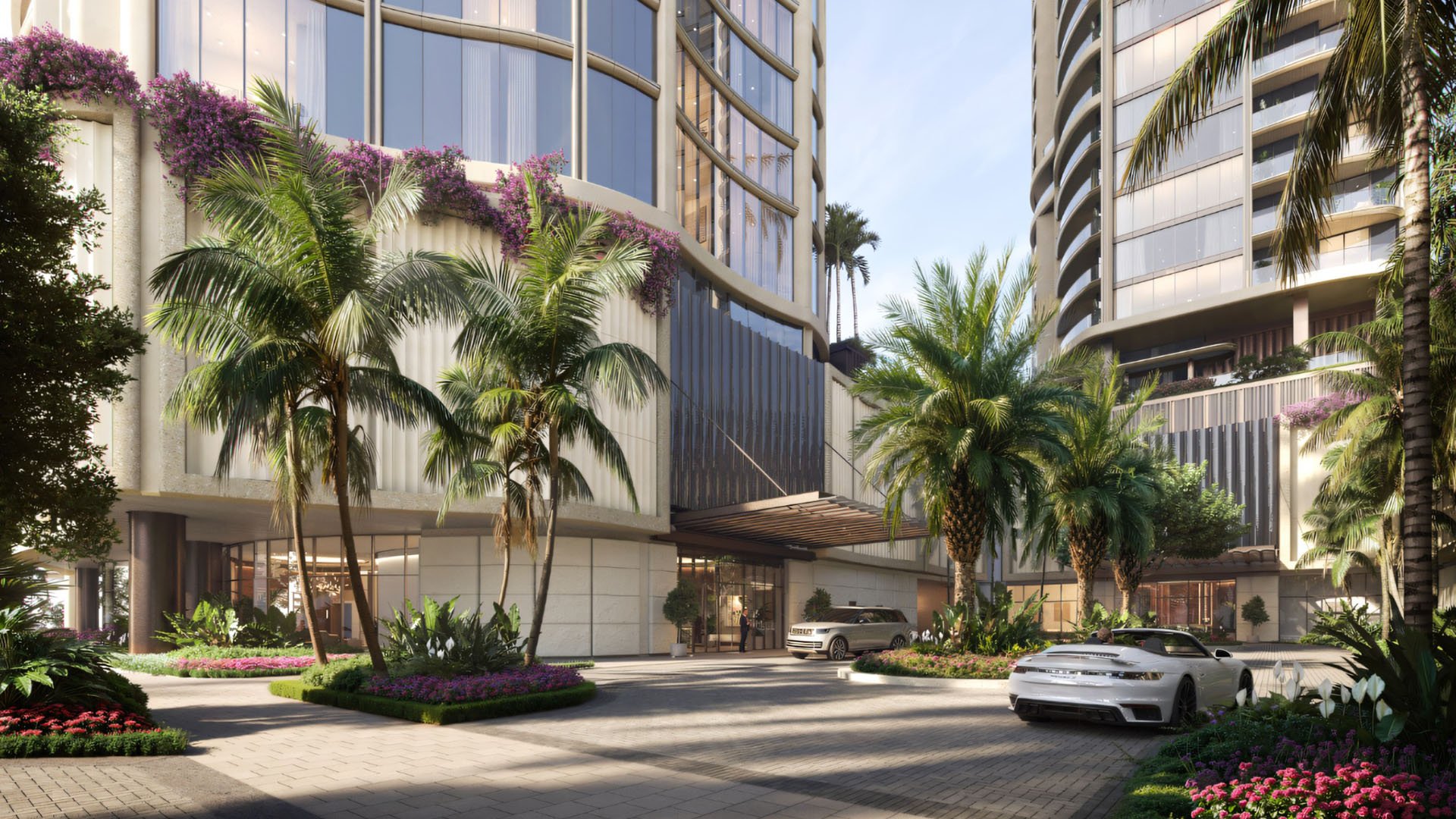
For the West Palm Beach buyer, South Flagler is not simply a location preference. It is a question of daily choreography. Some buyers want the ease of stepping out for dinner, coffee, a gallery visit, or a quiet walk without organizing the day around a car. Others are less focused on proximity as a social tool and more drawn to the calm of a controlled arrival, a composed lobby sequence, a predictable valet experience, and the sense that home begins before the front door opens.
That distinction matters because both instincts are luxurious. Walkability is a form of freedom. Private arrival is a form of protection. In South Flagler, the more sophisticated decision is not which one sounds better, but which one matches how the household actually lives.
Buyers comparing South Flagler House West Palm Beach with other West Palm Beach residences are often asking a subtler question: should the building connect them quickly to the surrounding city, or buffer them from it with grace?
Walkability is most powerful when it removes friction from ordinary moments. It changes a residence from a destination into a base of operations. A walkable home allows the day to remain unscheduled for longer. Breakfast can become a meeting. An evening stroll can become dinner. A short errand does not require coordinating a driver, locating parking, or turning a small impulse into a production.
For a certain buyer, that flexibility is the luxury. It suits owners who use the residence frequently, entertain casually, host adult children, or divide time among work, wellness, restaurants, and cultural plans. It also suits those who want West Palm Beach to feel lived in rather than simply accessed.
The best walkability decision is not just about distance. It is about comfort, route quality, shade, street energy, and whether the walk feels natural at the times of day the buyer actually uses it. A residence may be close to destinations, but if the path is not pleasant, the practical value is reduced.
This is why projects such as Forté on Flagler West Palm Beach enter the conversation not only as residential addresses, but as part of a broader lifestyle calculation. The question is how effortlessly the home participates in the owner’s preferred daily circuit.
Private arrival speaks to a different form of ease. It is the luxury of not being seen when one does not wish to be seen, of returning from travel without ceremony, of receiving guests in an orderly way, and of maintaining a calm threshold between public life and private space.
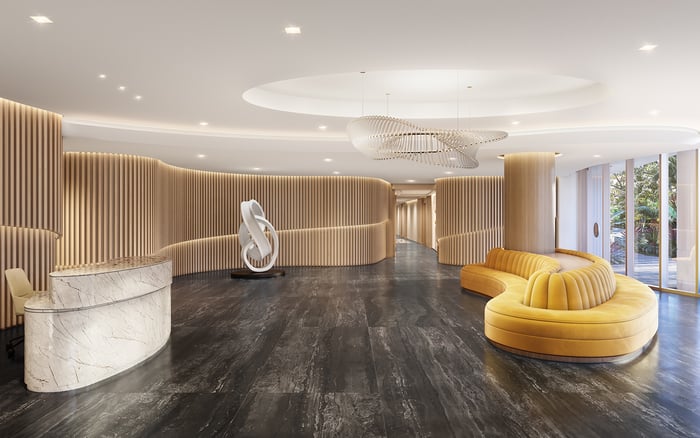
For many high-net-worth owners, this matters as much as views, finishes, or amenities. A residence may be beautiful upstairs, but the first test happens at grade. Is the arrival intuitive? Does the drop-off feel protected? Is staff movement discreet? Can guests be welcomed without confusion? Does the experience hold up during a busy weekend, a holiday evening, or a dinner party?
Private arrival also supports households with multiple generations, security requirements, service staff, pets, frequent luggage, or owners who value predictability above spontaneity. It reduces the number of decisions required to enter and leave the home. That reduction has value.
When buyers look at Shorecrest Flagler Drive West Palm Beach, the private-arrival conversation should be as important as the residence itself. The right questions are operational: how does the building receive residents, how does it receive guests, and how does it protect the quiet return home?
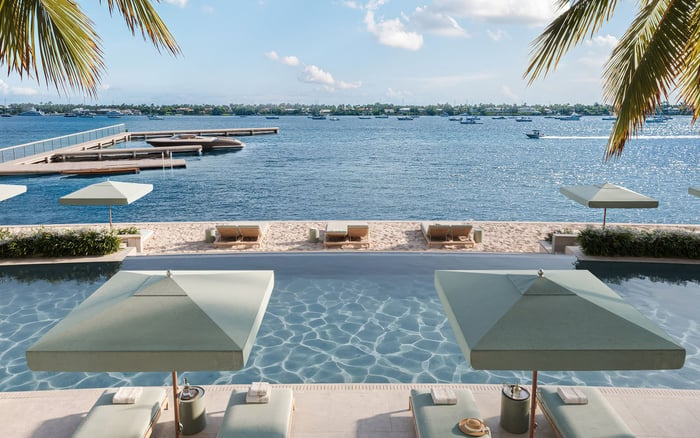
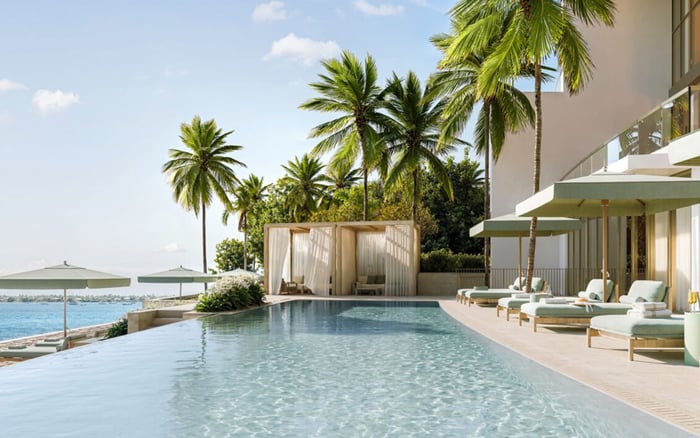
Waterfront living sharpens the distinction. On one hand, proximity to the water encourages walking, lingering, and a more open relationship with the neighborhood. On the other, waterfront residences often heighten the desire for discretion because the home is not merely a place to sleep. It is a private retreat with a more ceremonial sense of return.
The word waterfront can be misleading if it is treated only as a view category. For the South Flagler buyer, it also affects how the residence feels at the threshold. A spectacular outlook does not compensate for a chaotic arrival. Likewise, a beautifully private entry may feel incomplete if the owner expected a more walkable daily pattern.
This is where buyer self-awareness becomes essential. If the residence will be used as a primary home, the walkability test should be rigorous. If it will function as a second-home retreat, the arrival test may carry more weight. If it will host formal guests, both tests matter.
New-construction buyers tend to expect both: the convenience of an urban residential setting and the controlled experience of a private estate. That expectation is understandable, but tradeoffs still exist. The more a building opens itself to surrounding energy, the more carefully it must manage privacy. The more it prioritizes seclusion, the more the buyer should examine how often they will actually walk into the neighborhood.
A project like Alba West Palm Beach can be considered within this broader new-construction lens: not just what is being built, but how the address may support the owner’s real routine. The polished brochure question is, what does the residence offer? The better buyer question is, what does the residence make easy?
That includes the quiet details. Where does a rideshare wait? How does a guest know where to go? Is there a comfortable place to pause? Is the pedestrian exit dignified, or does it feel secondary to the automobile entrance? In the ultra-premium market, these small transitions become daily experiences.
Begin with the calendar. If the owner expects to be in residence for long stretches, walkability often becomes more valuable over time. The novelty of a beautiful arrival may remain, but the convenience of moving through the day without constant vehicle dependence can become deeply satisfying.
Next, study the guest pattern. A residence used for dinners, family visits, visiting advisors, and seasonal entertaining needs an arrival sequence that performs gracefully. Privacy is not only about avoiding attention. It is about making the home feel composed for everyone who enters it.
Then consider identity. Some buyers want to feel part of West Palm Beach. Others want to be near it, but not absorbed by it. Neither is wrong. The best residence is the one that does not force an owner to perform a lifestyle they only admire from a distance.
Buyers considering Mr. C Residences West Palm Beach should apply the same lens: not only brand, architecture, amenities, or address, but the daily choreography from sidewalk to lobby to residence and back again.
The most elegant answer in South Flagler is rarely absolute. A buyer who values walkability should still insist on a polished private arrival. A buyer who prioritizes privacy should still test whether the surrounding area supports occasional pedestrian ease. The winning residence is not the one that chooses one value to the exclusion of the other. It is the one that expresses the owner’s priorities without making the secondary value feel neglected.
In practice, that means visiting at different times, walking the routes that matter, arriving by car more than once, and imagining the least glamorous moments: a delayed flight, a rainy evening, a visiting parent, a dog walk, a full household, a quiet Sunday. Luxury proves itself in those ordinary conditions.
South Flagler rewards buyers who think in scenes rather than checklists. How do you leave in the morning? How do you return at night? How do guests arrive? How does the residence feel when the city is active around you? The answers will reveal whether walkability or private arrival should lead the decision.
Is walkability more important than private arrival in South Flagler? Not universally. Walkability matters most for owners who use the home often and want daily convenience, while private arrival matters most for those prioritizing discretion and control.
Can a residence offer both walkability and privacy? Yes, but the balance varies by building. Buyers should test the pedestrian experience and the arrival sequence as separate parts of the decision.
Who benefits most from a walkable South Flagler address? Owners who enjoy spontaneous dining, errands, wellness routines, and regular neighborhood engagement usually benefit most from walkability.
Who should prioritize private arrival? Buyers with frequent guests, staff coordination, security concerns, luggage, pets, or a preference for quiet returns should weigh arrival heavily.
How should I evaluate a building’s arrival experience? Arrive by car at different times and observe the drop-off, lobby approach, guest flow, and sense of calm from curb to residence.
Does waterfront living change the decision? Yes. Waterfront living can increase the desire for both outdoor connection and privacy, making the arrival and walking experience equally important.
Is new-construction always better for private arrival? Not automatically. New-construction may offer modern planning, but buyers still need to evaluate how the building operates in real life.
Should second-home buyers think differently? Often, yes. A second-home buyer may value a serene arrival and retreat-like feeling more than constant neighborhood access.
What is the biggest mistake buyers make? They focus on the residence upstairs and underestimate the daily importance of the first five minutes entering or leaving the building.
How can I decide which priority leads? Map a typical week in residence, including arrivals, walks, guests, errands, and quiet time, then choose the building that makes those moments feel effortless.
For a confidential assessment and a building-by-building shortlist, connect with MILLION.
If branded residences are on your mind — as a home or as an allocation — we would be glad to share what we are seeing, privately.
Begin a quiet conversation