A practical luxury-buyer guide to evaluating refrigerated package storage, delivery governance, staffing and daily service design before committing to a South Florida residence.
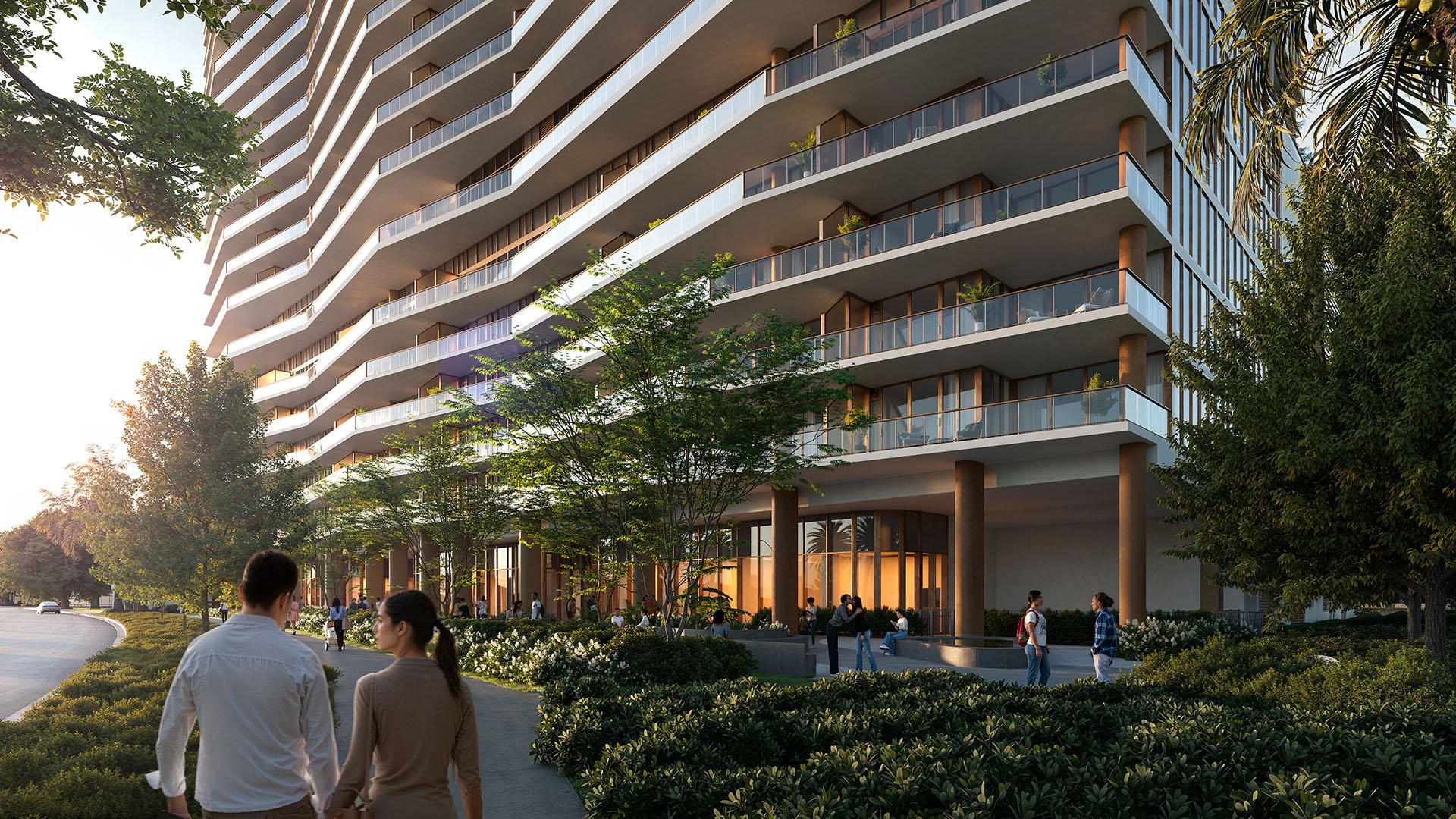
For California entrepreneurs evaluating South Florida, the package room may seem like a minor stop between the lobby and the residence. It is not. Refrigerated package storage sits at the intersection of privacy, household rhythm, staff discipline, and the practical realities of a life lived between offices, flights, family calendars, and wellness routines.
Affluent buyers often study view corridors, ceiling heights, pool decks, private elevators, and the tone of the arrival sequence. Those details matter. Yet a building’s quiet sophistication is often revealed in less theatrical spaces: where deliveries are received, how long they sit, who touches them, how residents are notified, and whether temperature-sensitive parcels are handled as routine rather than exceptional.
For a founder, investor, or executive relocating from California, this is not about novelty. It is about operational continuity. A household may receive prepared foods, specialty groceries, floral arrangements, skincare, medication, wine shipments where permitted by policy, pet products, and business materials. A residence that cannot manage ordinary delivery volume with discretion can create friction that no skyline view can fully offset.
California buyers often arrive with service expectations shaped by dense urban living, private clubs, concierge medicine, wellness culture, and app-based convenience. In South Florida, the strongest residential experience is not defined simply by the presence of amenities, but by whether the amenity ecosystem is governed with precision.
Refrigerated package storage should be treated as part of that ecosystem. It sits near security, loading dock control, front desk training, elevator management, housekeeping coordination, and resident communication. The question is not only whether a refrigerator exists. The better question is whether the building has a clear protocol for receiving, logging, holding, notifying, and releasing items that should not sit in an ordinary package room.
This belongs in the same diligence file as valet flow, guest access, pet policy, private dining rules, storage cages, and service elevator use. Lifestyle details like these often separate a polished residence from one that merely photographs well.
Begin with capacity. A small refrigerated cabinet may be suitable for a boutique building with restrained delivery volume, but less convincing in a large tower with many part-time residents and frequent concierge requests. Ask how refrigerated space is allocated, whether oversized items are accepted, and what happens during peak delivery periods.
Then examine custody. Who receives the package? Is it logged by staff? Is the resident notified immediately? Is pickup limited to the named resident, household staff, or approved guests? The answers reveal whether the building treats perishable delivery as a controlled service or as an informal courtesy.
Ask about timing. Some residents assume a delivery can remain chilled until they return from a dinner, meeting, or flight. That assumption may not match building policy. Before signing, understand whether there are pickup windows, after-hours procedures, and rules for items left overnight.
Ask about liability without making the conversation adversarial. The objective is clarity. If a package spoils, leaks, disappears, or is delivered outside staffed hours, what is the resident expected to do? If the building refuses certain categories of goods, that should be known in advance rather than discovered after closing or lease commencement.
Finally, ask to see the actual space if possible. A refrigerated storage amenity should feel clean, orderly, secure, and integrated into the front-of-house or back-of-house routine. If the answer is vague, keep asking.
In Brickell, the pace of daily arrivals can feel more businesslike, with residents balancing workdays, private dinners, travel, and household logistics. A building such as The Residences at 1428 Brickell belongs in a conversation where buyers are already thinking about tower living, vertical privacy, and the invisible systems that keep a high-functioning residence calm.
In Miami Beach, the lens is often more lifestyle-driven. Residents may be moving between beach time, wellness appointments, social commitments, and seasonal travel. At The Perigon Miami Beach, a buyer should still ask the same practical questions: how deliveries arrive, where they are held, and whether the building's service model matches the resident's daily cadence.
Sunny Isles Beach buyers may focus first on oceanfront living, arrival drama, and resort-level amenities. Yet even in a highly amenitized setting, refrigerated package storage remains a daily-life issue. When considering St. Regis® Residences Sunny Isles, the inquiry should extend beyond the residence itself to the building's service choreography.
In West Palm Beach, where many buyers seek a more composed rhythm, refrigerated package storage can matter just as much. A residence such as Alba West Palm Beach may appeal to buyers who value both waterfront living and ease, but the due diligence should still include delivery handling, staff communication, and storage protocols.
The most elegant way to approach refrigerated package storage is not as a demand, but as a verification. Sales teams may highlight amenities, while association documents, building rules, and management practices define how those amenities actually function. A buyer should align all three before signing.
Review whether package handling is described in house rules or resident manuals. Ask whether the policy is expected to change after turnover, if the building is new. Inquire whether refrigerated storage is managed by the front desk, concierge, receiving team, or another service group. If household staff will collect items, confirm how they are authorized.
For entrepreneurs who travel often, consider a simple scenario test. A grocery delivery arrives while the resident is on a call. A temperature-sensitive item arrives while the resident is on a flight. A florist arrives before a dinner. A pet food shipment arrives during a weekend. The building's answers to these ordinary situations will say more than a brochure.
This is especially important for buyers who plan to use the residence seasonally. A second-home owner may not be present every day, but deliveries may still occur through assistants, household managers, family members, or visiting guests. The better buildings make those handoffs feel uneventful.
Luxury real estate is often described through materials, architecture, and views. Yet true residential luxury is also the absence of small failures. No warm groceries left in a lobby corner. No uncertain text chain with the front desk. No awkward dispute over who accepted a delivery. No household manager improvising because policy was unclear.
Refrigerated package storage will not be the headline amenity that sells a penthouse. It may, however, be one of the details that preserves the buyer's confidence after move-in. For a California entrepreneur coming to South Florida, that confidence is valuable. It allows the residence to operate as a sanctuary, not another system requiring active management.
The best question before signing is simple: if my household uses this building exactly as we live, will the service infrastructure keep up quietly? If the answer is yes, refrigerated storage becomes one more invisible layer of ease. If the answer is uncertain, keep the conversation open until it is resolved.
Why should a buyer ask about refrigerated package storage before signing? It affects daily convenience, perishable deliveries, household staff routines, and the building's broader service discipline.
Is a refrigerated package room the same as concierge service? No. The room is physical infrastructure, while concierge service depends on staffing, rules, notifications, and accountability.
What is the first question to ask during a tour? Ask where temperature-sensitive deliveries are received, stored, logged, and released to residents or authorized staff.
Should this be reviewed in building documents? Yes. Amenities are best understood alongside house rules, management policies, and any resident manuals available before signing.
Does this matter for seasonal owners? Yes. Seasonal owners often rely on assistants, household managers, family, or guests, which makes clear pickup authorization important.
What if a building only has limited refrigerated space? Ask how overflow is handled, whether large items are accepted, and whether residents receive immediate notice.
Can household staff retrieve refrigerated packages? Often that depends on the building's authorization procedures, so buyers should confirm the process in advance.
Is this mainly relevant in Brickell? No. Brickell, Miami Beach, Sunny Isles Beach, West Palm Beach, and other luxury markets all require careful service review.
Should refrigerated storage influence the offer decision? It should influence due diligence, especially for buyers whose household regularly receives perishable or time-sensitive deliveries.
What is the broader lesson for California entrepreneurs? Evaluate the building as an operating environment, not just a beautiful residence, because daily systems shape long-term satisfaction.
If you'd like a private walkthrough and a curated shortlist, connect with MILLION.
If branded residences are on your mind — as a home or as an allocation — we would be glad to share what we are seeing, privately.
Begin a quiet conversation