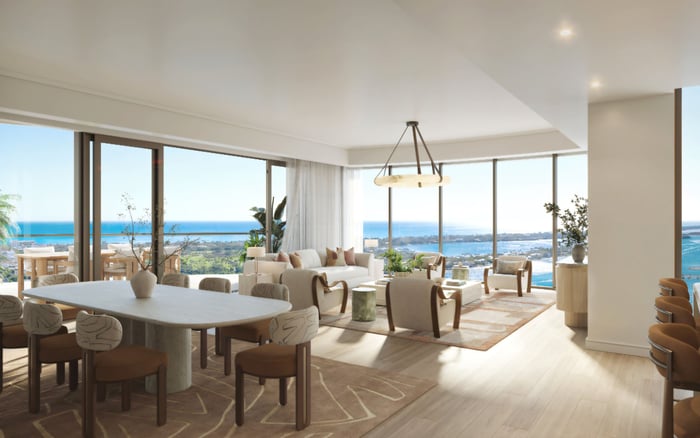
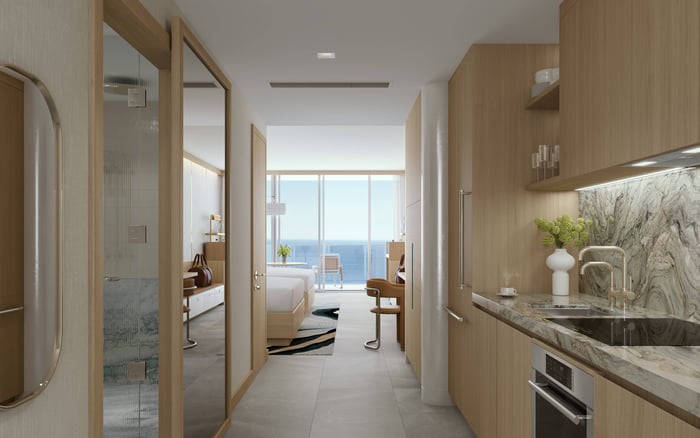
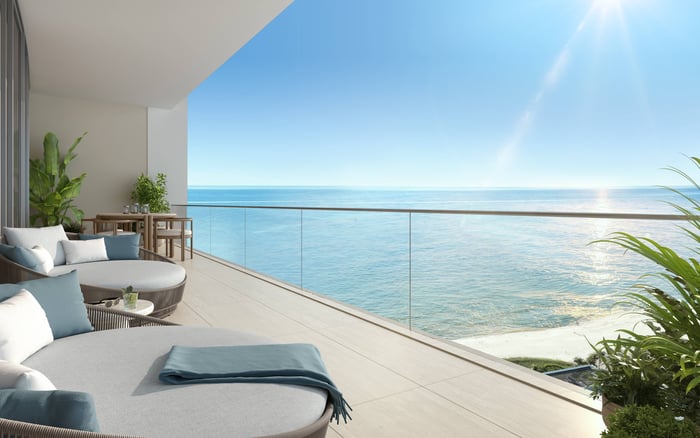
A buyer-oriented comparison of W Pompano Beach Hotel & Residences and Regalia Sunny Isles Beach, framed around lifestyle, view psychology, privacy, service intensity, and the carrying-cost questions that should precede any emotional commitment.
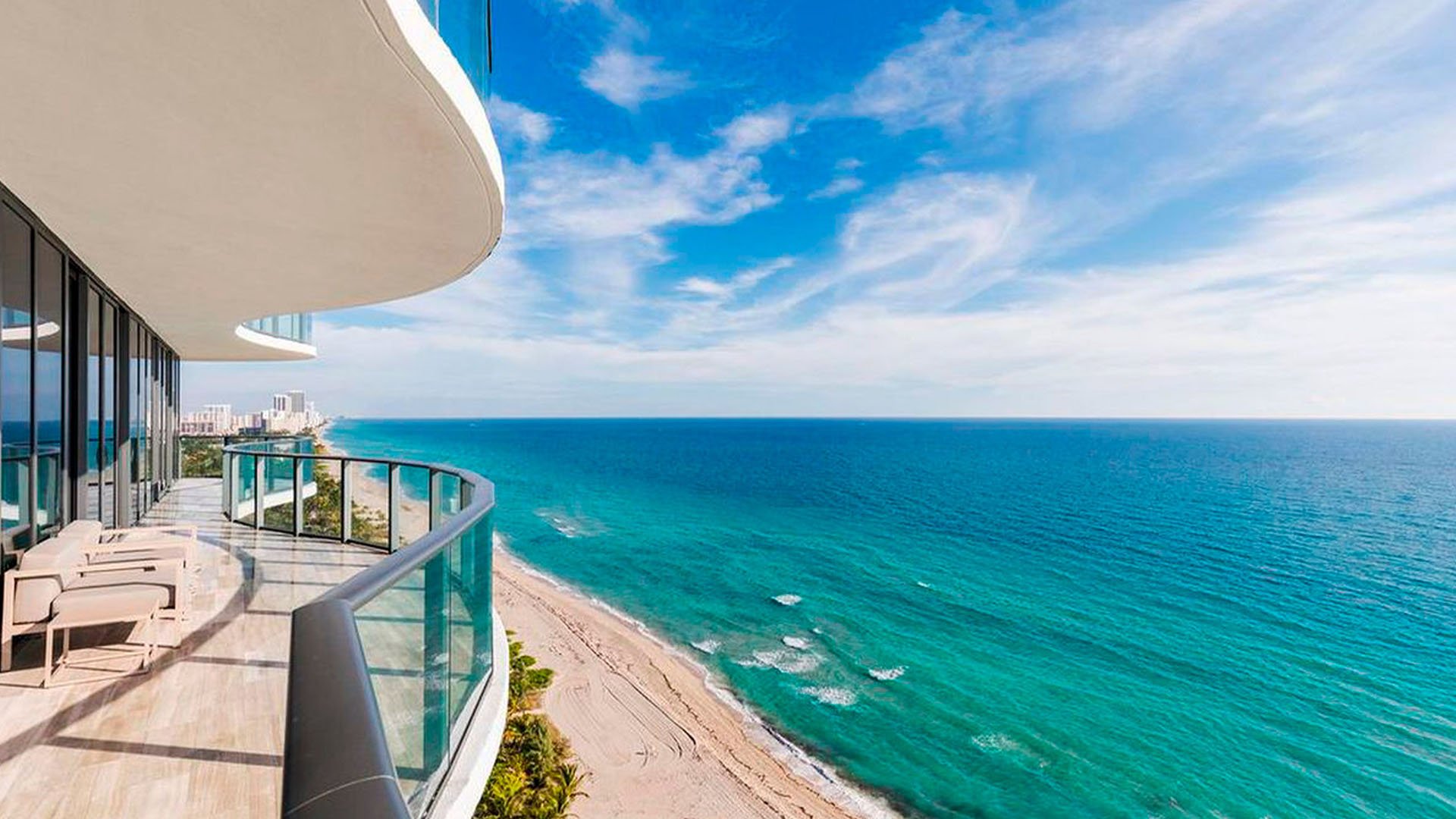
The most revealing moment in a luxury condominium decision is rarely the first view. It comes later, when the buyer leaves the sales gallery, sits with the ownership documents, and asks whether the lifestyle will feel as composed in year five as it felt in minute five. That is the useful lens for W Pompano Beach Hotel & Residences vs Regalia Sunny Isles Beach.
Both names speak to a familiar South Florida desire: proximity to water, architectural presence, and the promise of a residence that can make ordinary days feel highly edited. Yet the better purchase is not determined by the most theatrical arrival sequence or the most persuasive rendering. It is determined by fit. A buyer should compare atmosphere, service structure, privacy, maintenance philosophy, and total cost of ownership with the same attention usually reserved for marble, ceiling height, and the horizon line.
This is not a contest of which address sounds more glamorous. It is an exercise in discipline. The sales gallery may create momentum, but carrying costs, association culture, insurance exposure, service expectations, and the future resale audience define the long-term ownership experience.
Oceanfront appeal is emotional because it is immediate. Light moves differently at the shoreline. Balconies become living rooms. Morning routines acquire a cinematic quality. In the South Florida luxury market, oceanfront positioning can also shape buyer psychology, especially for second-home owners who want the residence to justify itself every time the terrace doors open.
But drama brings its own questions. A direct coastal lifestyle can come with a more active building rhythm, stronger service demands, and a greater need for disciplined maintenance. The buyer should study not only whether the view is beautiful, but how the building handles daily life around it. How private does arrival feel? How serene are the common areas at peak season? How does the residence transition from resort mode to true home?
Waterview calm, by contrast, should be judged with equal precision. A softer water orientation can feel more meditative, particularly for buyers who value light, distance, and quiet over spectacle. The key is not to assume that calmer always means less valuable, or that more dramatic always means more livable. The right water view is the one that matches the owner’s actual use pattern, not the one that photographs best.
W Pompano Beach Hotel & Residences carries a name that immediately suggests branded hospitality, social energy, and a service-forward ownership proposition. For the right buyer, that can be compelling. A hotel-residence environment may suit owners who want a managed atmosphere, amenity depth, and the convenience of a building designed around hospitality fluency.
That same proposition requires careful reading. The buyer should understand which services are included, which are à la carte, how brand-related costs appear in the budget, and how hotel operations intersect with residential privacy. The term condo-hotel can be attractive, but it should never be treated as a shortcut. It is a structure that deserves document-level review, especially if the buyer is weighing personal use, rental flexibility, financing, and exit strategy.
Pompano Beach also presents a different lifestyle conversation from the more established shorthand of Miami Beach or Sunny Isles. That can be an advantage for buyers who want a waterfront setting with a less reflexive social script. The question is whether the area’s rhythm, access patterns, restaurant habits, and daily conveniences match the way the owner intends to live, not simply the way the project is presented.
Regalia Sunny Isles Beach sits in a market name associated with vertical luxury, international ownership, beach proximity, and high-floor view ambition. Sunny Isles buyers often arrive with a clear appetite for water, skyline, and a tower lifestyle that feels private yet connected to the broader coastal corridor.
For a buyer considering Regalia Sunny Isles Beach, the central task is to separate building identity from market mythology. Sunny Isles can feel grand, but every tower has its own personality. Some buyers prioritize discretion, some prioritize amenity programming, and others focus almost entirely on floor plan, exposure, and long-term liquidity. A serious comparison should ask who the future buyer will be if the owner later decides to sell.
Privacy deserves special scrutiny. A residence can be visually dramatic and still feel compromised if arrival, elevators, service access, or amenity flow do not match the buyer’s expectations. Conversely, a quieter building can outperform expectations if its governance, maintenance culture, and resident profile remain consistent over time. The most important question is not whether the building impresses at first glance. It is whether it continues to feel controlled when the season is busy and the market is less forgiving.
Luxury buyers often underestimate the psychological weight of recurring costs because the purchase price dominates the conversation. Yet carrying costs are what turn a beautiful acquisition into either a comfortable holding or a persistent irritation. Monthly assessments, reserves, insurance, service charges, parking, storage, maintenance of private terraces, and the cost of upgrading interiors should be considered before the buyer becomes attached.
The more service-rich the building, the more the buyer should understand the budget’s logic. Staff, amenities, hospitality alignments, security, beach operations, and common-area upkeep all have a cost. None of these are inherently negative. In fact, they may be exactly what makes a residence feel effortless. The issue is whether the buyer is choosing those costs knowingly.
A prudent buyer should request current association materials, budget history, reserve posture, rules, leasing parameters, pet policies, insurance information, and any disclosed capital planning. If financing is involved, the building’s structure may matter as much as the buyer’s balance sheet. If rental use is contemplated, restrictions and operational realities should be reviewed before any assumptions are made.
The right mindset is simple: a beautiful residence deserves a sober operating model. If the recurring cost profile feels defensible, the view becomes easier to enjoy. If it feels vague, the view may be doing too much of the persuasion.
A disciplined buyer should walk through five filters before choosing between W Pompano Beach Hotel & Residences and Regalia Sunny Isles Beach.
First, define the intended use. A primary residence, seasonal home, family retreat, and flexible-use asset will each reward different features. Second, identify the desired building tempo. Some owners want energy, staff visibility, and hotel polish. Others want quiet arrival, low friction, and a more residential cadence. Third, test the view against daily life. The best exposure is not always the most dramatic one. It is the one the owner will still find calming during ordinary weeks.
Fourth, study costs in context. Higher fees may be rational if they produce services the owner truly values. Lower fees may not be a bargain if future capital needs are underfunded. Fifth, imagine resale in a less emotional market. The next buyer will evaluate condition, costs, building reputation, and lifestyle fit with the same skepticism that today’s buyer should apply.
The winner is not necessarily the more famous name or the more seductive first impression. The winner is the property whose operating reality, resident culture, and view experience align with the owner’s actual life.
Is W Pompano Beach Hotel & Residences better for a service-oriented buyer? It may appeal to buyers who value hospitality-style convenience, but the service structure and related costs should be reviewed carefully.
Is Regalia Sunny Isles Beach better for privacy-focused ownership? It may suit buyers seeking a more residential tower experience, but privacy should be tested through layout, access, and building operations.
Should the view decide the purchase? No. The view matters, but carrying costs, governance, maintenance, and daily rhythm are just as important.
What is the biggest risk in a hotel-residence comparison? The biggest risk is admiring the service promise without fully understanding fees, rules, operational overlap, and resale implications.
What should buyers ask before signing a contract? Buyers should review budgets, reserves, rules, insurance, leasing policies, service charges, and any disclosed capital plans.
Does a higher monthly assessment mean a worse purchase? Not necessarily. A higher assessment can be justified if it supports services and maintenance the owner genuinely values.
Can a calmer water view outperform a more dramatic one? Yes. A calmer view can be more livable if it better matches the owner’s daily habits and desire for quiet.
Why does resale audience matter now? Because the next buyer will judge not only the residence, but also the building’s costs, reputation, and lifestyle fit.
How should second-home buyers approach this decision? They should focus on ease of arrival, lock-and-leave confidence, predictable costs, and whether the building feels intuitive after absences.
What is the simplest way to choose between the two? Choose the residence whose lifestyle, cost structure, and building culture feel sustainable after the sales-gallery excitement fades.
To compare the best-fit options with clarity, connect with MILLION.
If branded residences are on your mind — as a home or as an allocation — we would be glad to share what we are seeing, privately.
Begin a quiet conversation