A practical MILLION guide to service-elevator discipline at Vita at Grove Isle, framed for households that value discretion, efficiency, staff coordination, and calm residential rhythm.
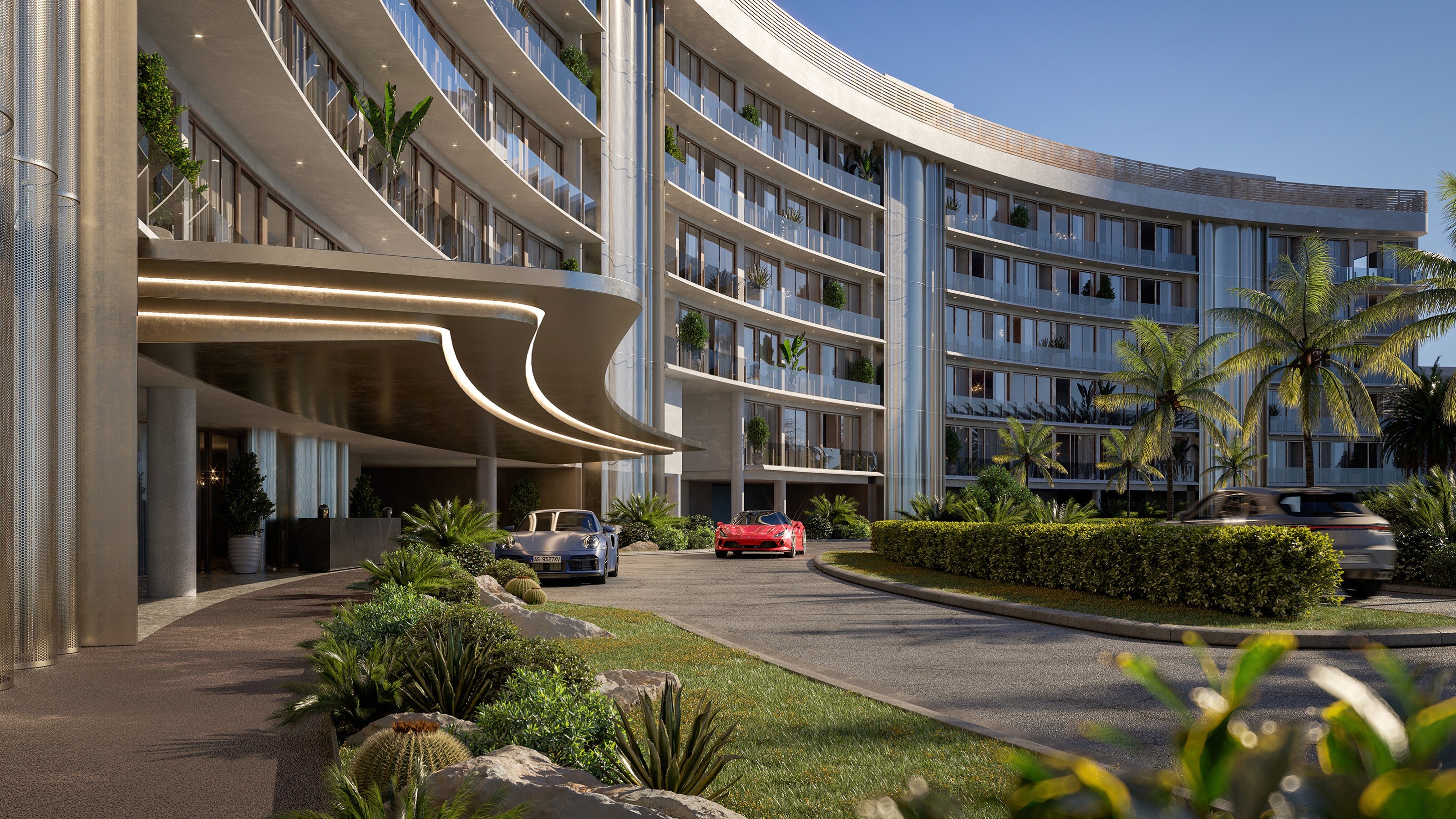
At the highest end of South Florida condominium living, service is not defined only by amenities, staffing, or hospitality language. It is defined by choreography. For households considering Vita at Grove Isle, service-elevator discipline should be understood as part of the residence itself: a behind-the-scenes operating system that protects privacy, preserves common areas, and keeps daily life composed.
The service elevator is where many practical realities of ownership converge. Furniture deliveries, floral installations, housekeeping, private chefs, dog walkers, family offices, estate managers, art handlers, maintenance vendors, and luggage movement may all pass through the same controlled channel. In a luxury building, the question is not whether these movements occur. The question is whether the household has enough discipline to make them feel invisible.
This is especially relevant for buyers who already own large homes, travel frequently, or maintain more than one residence. A condominium can simplify life, but only if the household adapts to the building’s rhythm. The most successful owners treat service-elevator protocol as a form of residential etiquette, not as an inconvenience.
Service-elevator issues rarely begin with one dramatic mistake. They usually emerge from small moments of ambiguity. A vendor arrives early. A delivery is larger than expected. A housekeeper uses the wrong entrance. A pet caregiver takes a shortcut. A designer sends multiple crews on the same morning. None of these situations is unusual, but each can disrupt the polished order a luxury building is designed to maintain.
The best households establish internal rules before move-in, renovation, seasonal arrival, or major entertaining. That means deciding who books elevator time, who communicates with building management, who escorts vendors, and who has authority to approve changes. If a household has multiple assistants or family members involved, one designated point of contact is essential.
For Vita at Grove Isle, the lesson is straightforward: the service elevator should not become a spontaneous decision point. It should be scheduled, documented, and supervised. That does not make the lifestyle less relaxed. It makes relaxation possible.
In premier buildings, predictability is a form of courtesy. Neighbors should not encounter furniture pads, carts, boxes, or contractor traffic in primary residential spaces when those movements belong elsewhere. Staff should not have to negotiate uncertainty at the front desk. Management should not be asked to solve a preventable problem at the last minute.
A disciplined household thinks in advance about delivery windows, blackout periods, insurance requirements, elevator padding, after-hours policies, and noise sensitivity. Even when the building handles many of these details, the owner’s team remains responsible for aligning household behavior with the property’s operating culture.
This is where new-construction expectations often differ from single-family habits. In a private home, a delivery truck may arrive and unload with minimal impact beyond the driveway. In a condominium, every movement touches a shared environment. Luxury buyers who understand this distinction tend to have smoother relationships with staff, neighbors, and boards.
Service-elevator discipline begins with a clear chain of command. A residence with multiple employees, rotating vendors, and seasonal family use should not rely on verbal reminders. It needs a concise protocol that can be shared with anyone entering the home on behalf of the owner.
That protocol should address arrival procedures, identification, parking instructions if applicable, package handling, elevator reservations, service corridor use, pet movement, and emergency contacts. It should also state what not to do. Vendors should not improvise routes. Staff should not ask front-of-house personnel for exceptions unless authorized. Deliveries should not be split across public and service pathways simply because it seems faster.
For households with pets, this clarity is particularly useful. Dog walkers, trainers, groomers, and pet sitters often operate on tight schedules, but they still need to respect the building’s service flow. A refined pet routine should feel effortless to the owner and unobtrusive to everyone else.
Service-elevator discipline becomes more important during peak-use moments. A second-home owner may arrive with luggage, wardrobe shipments, wine deliveries, provisions, flowers, and guests within the same short window. Without coordination, the building experience can feel congested before the owner has even settled in.
Before a seasonal arrival, households should consider a pre-arrival schedule. Groceries and pantry items can be timed. Luggage can be routed with staff. Wardrobe services can be booked in sequence. Housekeeping and floral teams can be separated rather than stacked. If the residence has a terrace, outdoor furniture servicing, plant care, and event preparation should also be planned with attention to elevator access and building rules.
Entertaining requires similar discipline. A dinner party may involve caterers, rental items, valet coordination, floral teams, musicians, or private security. The more elegant the event appears upstairs, the more disciplined the service movement must be downstairs. In luxury real estate, grace is often the result of planning no guest ever sees.
A buyer evaluating Vita at Grove Isle should ask practical questions about service operations early in the process. These questions do not diminish the romance of the purchase. They reveal whether the residence will support the household’s actual lifestyle.
Useful questions include how service elevator reservations are handled, what notice is expected for large deliveries, whether there are restrictions on move-in hours, how vendors are registered, how insurance documentation is managed, and how staff access is controlled. Buyers should also understand procedures for art installation, appliance servicing, private chefs, recurring housekeeping, pet care, and seasonal setup.
The goal is not to test the building. The goal is to understand its rhythm. A residence may have beautiful finishes and views, but daily satisfaction often depends on how well private life interfaces with shared operations. In Coconut Grove lifestyle conversations, especially around Vita at Grove Isle, buyers often weigh design, privacy, waterfront atmosphere, new-construction comfort, second-home practicality, pets, and terrace use as one connected ownership experience.
The most sophisticated households in South Florida tend to share one quality: they do not confuse access with entitlement. They understand that a building’s service infrastructure is a privilege sustained by cooperation. The smoother the household’s private operations, the more elevated the building feels for everyone.
That means respecting reserved elevator windows, canceling unused time promptly, consolidating deliveries when possible, preparing vendors before arrival, and ensuring staff understand the building’s expectations. It also means being realistic. If a residence is being furnished, refreshed, or prepared for a long stay, the household should not compress every task into one morning.
Service-elevator discipline is ultimately a marker of ownership maturity. It signals that the household understands luxury as stewardship. At Vita at Grove Isle, that mindset can help preserve the serenity that buyers are seeking in the first place.
Why does service-elevator discipline matter in a luxury condominium? It protects privacy, reduces congestion, and helps the building maintain a calm residential experience.
Should a household create written service protocols? Yes. Written instructions help staff, vendors, and family members follow the same expectations without confusion.
Who should manage elevator reservations? One designated household contact should coordinate with building management to avoid mixed messages.
How should large deliveries be handled? They should be scheduled in advance, documented clearly, and routed through the proper service path.
Does this apply to recurring staff such as housekeepers? Yes. Recurring staff should understand arrival procedures, elevator use, and any building access requirements.
What about pet caregivers? Dog walkers and pet sitters should follow the same service and access rules as other household vendors.
Is service-elevator discipline more important for second-home owners? Often, yes. Seasonal arrivals can concentrate deliveries, luggage, staffing, and setup into a short period.
Should buyers ask about service procedures before purchasing? Absolutely. Operational fit is part of determining whether a residence supports the household’s lifestyle.
Can disciplined service routines improve neighbor relations? Yes. Predictable, discreet service movement helps minimize friction in shared residential spaces.
What is the simplest rule for owners? Plan early, communicate clearly, and treat the service elevator as part of the building’s luxury ecosystem.
For a confidential assessment and a building-by-building shortlist, connect with MILLION.
If branded residences are on your mind — as a home or as an allocation — we would be glad to share what we are seeing, privately.
Begin a quiet conversation