A full-time owner’s guide to evaluating wellness credibility, indoor air quality, humidity control, and true recovery spaces at Vita at Grove Isle and W Pompano Beach Hotel & Residences.
For South Florida buyers considering Vita at Grove Isle and W Pompano Beach Hotel & Residences, wellness should be evaluated less as a mood board and more as a building discipline. The most persuasive amenities are not always the most photogenic. For a full-time owner, the deeper questions are quieter and more consequential: How does the residence breathe? How does it manage humidity in August? How does it protect sleep when the building is active? How do resident-only spaces feel after the first season of use?
W Pompano Beach Hotel & Residences is framed as a Pompano Beach residential project with a hotel-and-residences concept. That matters because full-time living in a hospitality environment has a different operating profile than a purely residential condominium. Buyers should evaluate residential livability and hospitality operations together, especially where noise, privacy, elevator flow, guest traffic, and amenity governance shape daily experience.
For a buyer also assessing Vita at Grove Isle, the prudent approach is to apply the same test without assuming project-specific details that have not been independently verified. Wellness credibility is not established by a spa menu, a serene rendering, or a branded fitness room alone. It is established by systems, rules, maintenance, access, and the way the building performs during ordinary weeks, not only launch moments.
The phrase wellness residence has become common in the upper tier of South Florida real estate, but full-time owners should treat it as a due diligence category. A credible wellness environment should support the body every day, including the hours when no one is using the gym, the pool, or a treatment room.
That means buyers should ask practical questions. Is indoor air quality monitored or merely described? How is fresh air delivered? What filtration standards are used? How is humidity controlled when the residence is occupied year-round, and how are systems maintained in a salt-air coastal climate? These questions are especially important at W Pompano Beach Hotel & Residences because the hotel-residence model adds another layer of operational intensity.
The condo-hotel conversation should also be handled carefully. Hospitality energy can bring service, atmosphere, and a strong amenity culture, but it can also introduce transient guest movement, event scheduling, and shared operational demands. For full-time owners, the value is not only having resort-level amenities nearby. It is knowing whether those amenities remain calm, accessible, and well governed during peak periods.
In South Florida, indoor air quality is inseparable from humidity management. Warm coastal air carries moisture, and uncontrolled moisture can affect health, finishes, furnishings, art, and long-term maintenance. For owners who live in residence year-round, this is not a minor technical issue. It is central to comfort, asset protection, and the emotional ease of the home.
At W Pompano Beach Hotel & Residences, buyers should ask how the building manages filtration, fresh-air delivery, and humidity in a hot, humid coastal environment. They should also confirm whether systems are designed for year-round occupancy rather than seasonal or intermittent use. A residence that feels comfortable during a short tour may require a more rigorous review before it can be trusted as a permanent home.
Salt-laden coastal air adds another consideration. It can influence HVAC maintenance, exterior materials, balcony exposure, façade durability, and the life cycle of building components. New-construction buyers often focus on finishes and views, but the long-term owner should also ask how exterior exposure and mechanical systems are protected and maintained.
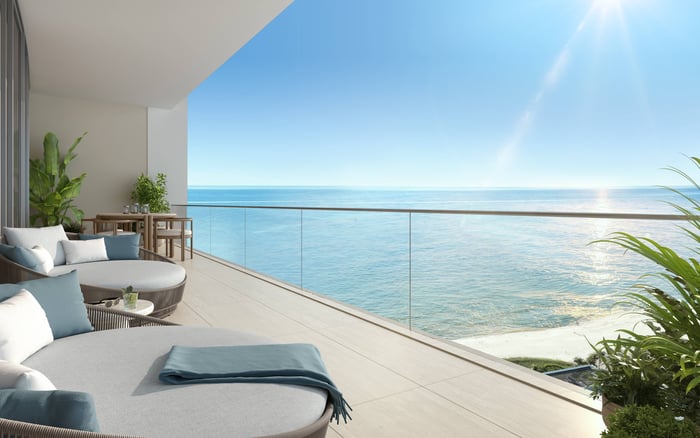
For a Pompano Beach buyer, this is not theoretical. Ocean proximity is part of the attraction, yet the same coastal character that gives a residence its atmosphere also creates durability obligations. The best buildings do not simply celebrate the coast. They are prepared for it.
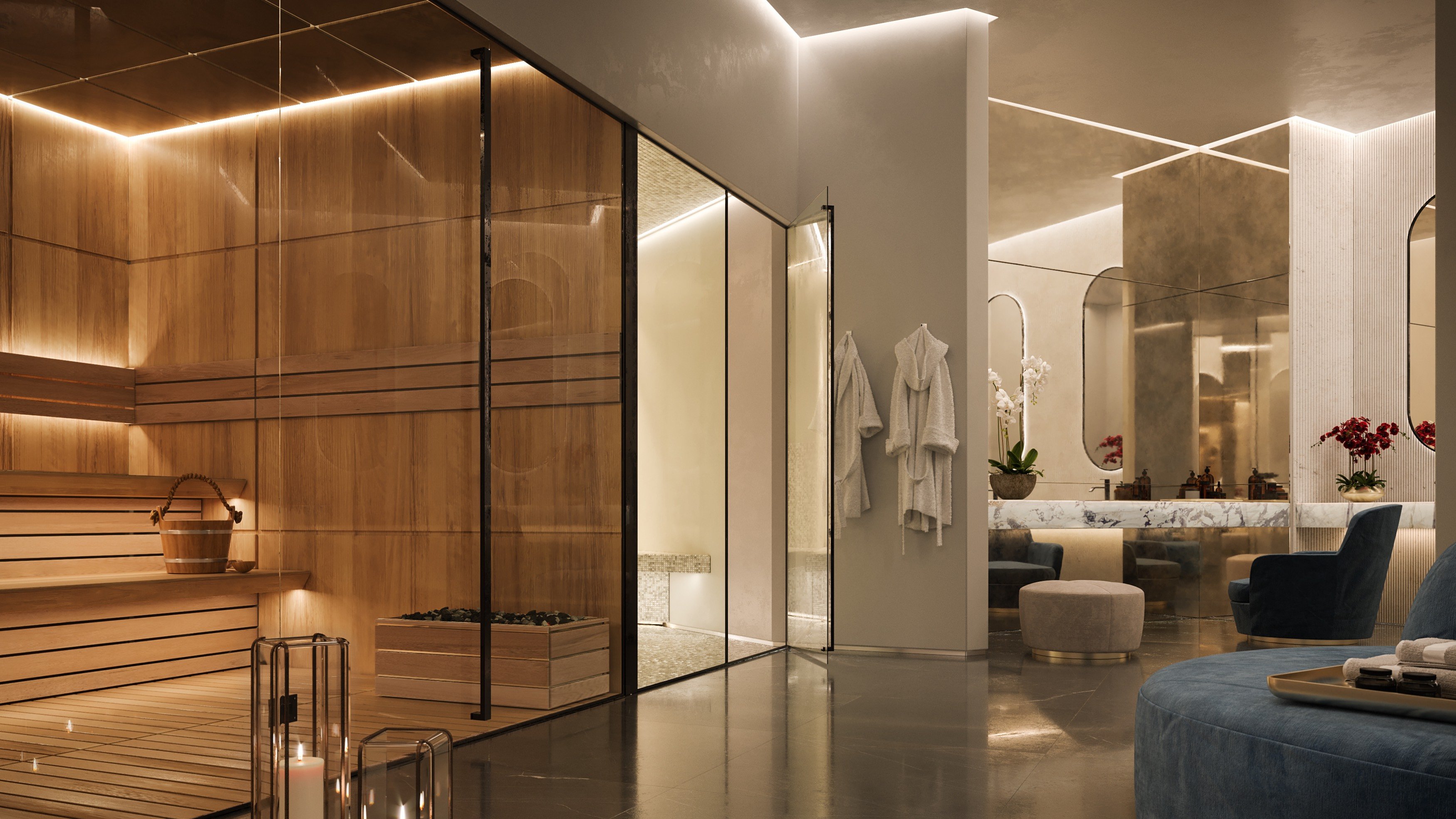
Recovery is one of the most overused words in luxury housing, but for full-time owners it has a precise meaning. A recovery space is not simply a room with soft finishes, a treatment table, or flattering lighting. It is any place in the residence or building that helps the nervous system settle.
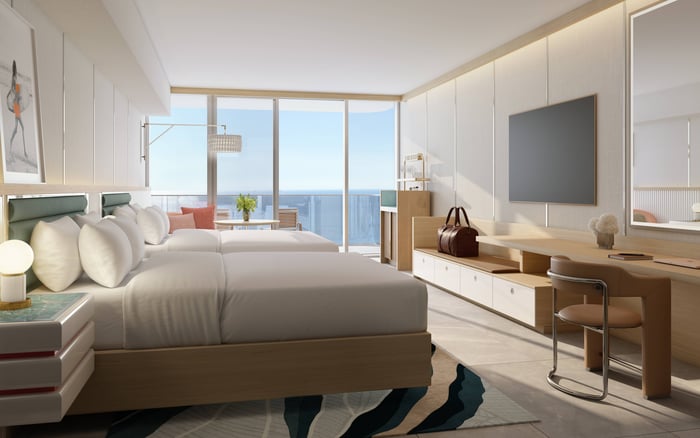
That includes bedrooms, bathrooms, terraces, lounges, fitness recovery areas, spa environments, and circulation zones. Buyers should evaluate sleep quality, acoustics, lighting, privacy, and psychological calm. A beautifully designed bedroom that receives elevator noise, corridor disturbance, or glare at the wrong hour may fail the recovery test. A spa area frequently crossed by hotel guests may feel less restorative than its imagery suggests.
At W Pompano Beach Hotel & Residences, the resident boundary is especially important because mixed-use hospitality environments require clarity between resident-only spaces and guest-facing resort areas. The question is not whether hotel energy is desirable. For many owners, it is. The question is whether there is enough separation for a permanent resident to feel at home.
Second-home buyers may tolerate more activity because their occupancy is episodic. Full-time owners usually require more consistency. They need quiet mornings, predictable access, secure circulation, and spaces that remain composed even when the property is busy.
Wellness features are only as strong as the operations that maintain them. A filtered air system, recovery lounge, spa suite, or residents’ amenity floor depends on budget, staffing, policies, cleaning protocols, replacement schedules, and management discipline.
Full-time owners should scrutinize whether wellness amenities are operationally durable. Who maintains them? How are resident priorities balanced with hospitality priorities? Are access rules clear? How are peak usage times managed? Are there guest-facing spaces that may affect privacy, acoustics, or elevator flow?
This is where W Pompano Beach Hotel & Residences deserves a different line of questioning than a conventional private condominium. Hotel-and-residences living can be highly appealing, but the ownership experience depends on how effectively the building separates resort life from home life. The most elegant answer is rarely a slogan. It is usually found in rules, circulation plans, staffing standards, and mechanical specifications.
For Vita at Grove Isle, buyers should ask the same class of questions before drawing conclusions about wellness claims. A polished presentation may introduce the vision, but full-time ownership requires proof of durability. The residence must work on humid weekdays, quiet evenings, stormy afternoons, and high-traffic holiday periods.
A serious wellness review should begin with air. Ask about filtration, fresh-air delivery, humidity control, maintenance schedules, and whether performance can be documented. Then move to sound. Study bedroom locations, corridor exposure, amenity adjacency, elevator proximity, and the likely rhythm of guest traffic.
Next, examine privacy. In a hotel-residence setting, determine which spaces are resident-only, which are shared, and how access is controlled. Then review governance. Amenity rules, operating budgets, staffing, and maintenance obligations can matter as much as design.
Finally, test the idea of recovery in real life. Imagine waking, working, exercising, entertaining, and sleeping in the residence for twelve months. The best full-time ownership experience is not defined by the longest amenity list. It is defined by how reliably the building supports health, quiet, comfort, and control.
What is the main wellness question for full-time owners? The main question is whether wellness is supported by measurable building performance, not just amenities or lifestyle branding.
Why does air quality matter so much in South Florida? Heat, humidity, and coastal exposure make filtration, fresh-air delivery, and moisture control central to comfort and long-term maintenance.
What should buyers ask about humidity control? Buyers should ask how humidity is managed year-round and whether systems are designed for continuous full-time occupancy.
Why is W Pompano Beach Hotel & Residences different from a purely residential condominium? Its hotel-and-residences model makes hospitality operations, guest movement, amenity access, noise, and privacy especially important.
How should buyers think about recovery spaces? Recovery spaces should be judged by sleep quality, acoustics, lighting, privacy, and calm, not only visual design.
Does a spa automatically make a building wellness-focused? No. A spa may be valuable, but wellness credibility depends on systems, maintenance, governance, and daily resident experience.
What does salt-air exposure affect? Salt-laden air can influence HVAC upkeep, exterior materials, façade durability, balcony conditions, and long-term maintenance needs.
Should full-time owners worry about guest traffic? Yes. In a hospitality setting, guest traffic can affect elevator flow, privacy, acoustics, and the feeling of residential calm.
How should Vita at Grove Isle be evaluated? Buyers should apply the same wellness, air-quality, privacy, and recovery-space diligence before relying on any lifestyle claims.
What is the best sign of credible wellness design? The best sign is a building that performs quietly and consistently in daily life, especially during humid, busy, year-round conditions.
If you'd like a private walkthrough and a curated shortlist, connect with MILLION.
If branded residences are on your mind — as a home or as an allocation — we would be glad to share what we are seeing, privately.
Begin a quiet conversation