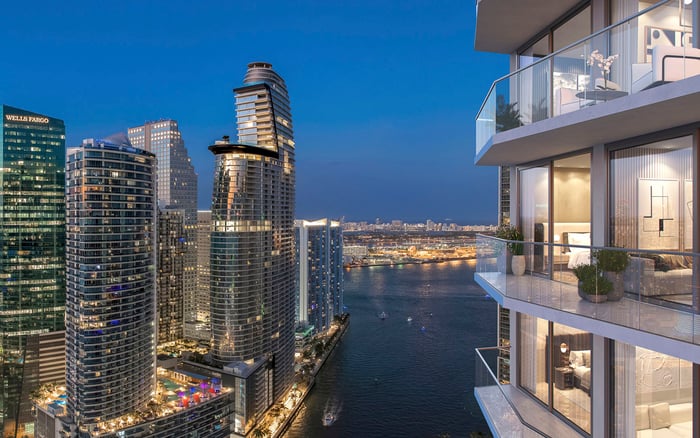
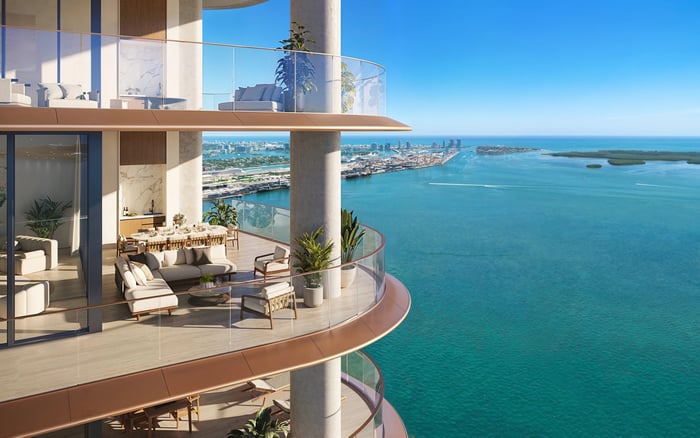
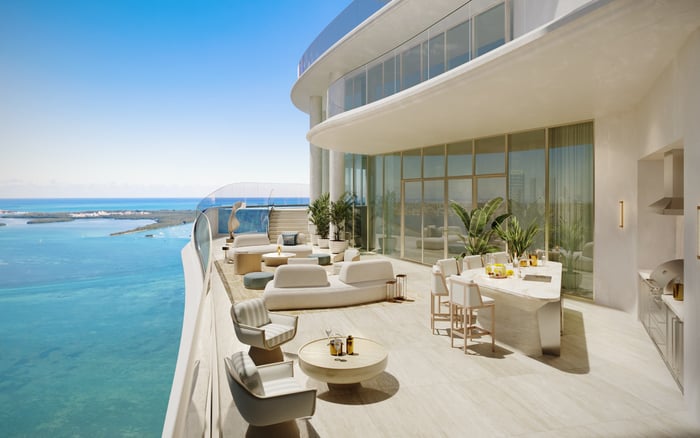
A buyer-focused guide to evaluating residence lines at St. Regis® Residences Brickell, with emphasis on orientation, daylight, privacy, terrace sightlines, and the durability of each outlook.
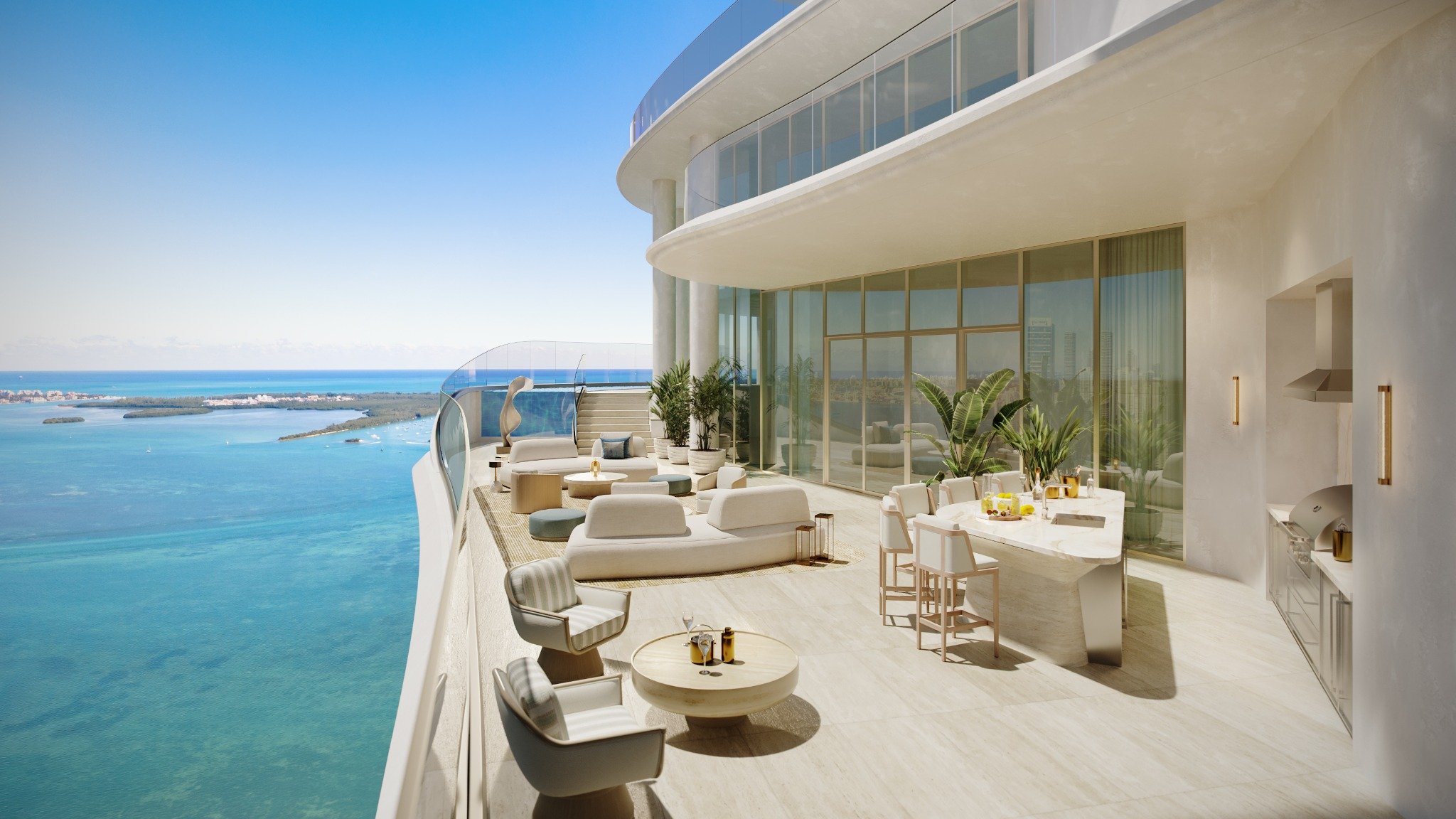
At St. Regis® Residences Brickell, line selection should be evaluated separately from elevation. A floor number identifies height, while a line determines where a residence sits within the building and how its principal rooms relate to available light, water, skyline, terraces, and nearby structures.
A view description alone cannot show how the outlook will feel from a sofa, dining table, primary bedroom, or terrace seating area. Buyers should compare the direction of the exposure, the width of the visible corridor, and the position of any neighboring façades from normal living positions.
A useful sequence is to review orientation first, potential obstructions second, privacy third, and elevation fourth. This keeps a higher floor from being treated as automatically preferable when another line may better match the buyer’s priorities.
A-line, B-line, C-line, and D-line labels are useful locators, but they should not be treated as guarantees of a particular experience. The relevant questions are specific: Which rooms receive the preferred outlook? Is the water central or peripheral? Does the terrace widen the view? Are nearby windows prominent?
Any line-specific statement about unobstructed exposure or a floor at which a view opens should be checked against current floor plans, view studies, and the materials available for the exact residence. Buyers should avoid extending a claim about one exposure to every direction from the same home.
This distinction also applies when comparing The Residences at 1428 Brickell and Una Residences Brickell. A project-level view description is only a starting point; the selected residence determines the practical relationship among orientation, glass, terrace geometry, and surrounding buildings.
Daylight depends on more than height. Orientation, room depth, glazing, terrace overhangs, interior finishes, and neighboring structures can all affect how light reaches the interior throughout the day.
Buyers should review the living room, kitchen, primary suite, and terrace independently. A bright area near the glass does not necessarily indicate even light deeper within the plan. Likewise, a broad outdoor exposure may create a different interior experience depending on the angle and depth of the terrace.
The most useful comparison connects light to routine. Consider where morning brightness, afternoon exposure, reflected light, or shade would support-or conflict with-how the residence will be used.
Privacy cannot be inferred from a project name, line label, or floor number. It depends on the angle between windows, the distance and orientation of nearby terraces, and how visible the interior may become after dark.
Review sightlines from seated and standing positions rather than only from directly beside the glass. On terraces, consider whether neighboring outdoor areas face the residence and whether movement between indoor and outdoor spaces remains exposed.
The same review is valuable at other branded Brickell projects, including Cipriani Residences Brickell and Baccarat Residences Brickell. Brand identity may shape the broader ownership experience, but visual privacy remains specific to the home selected.
Long-term appeal may be influenced by the clarity and coherence of the outlook, the quality of natural light, terrace usability, and the degree of visual privacy. These qualities should be assessed together rather than reduced to a single measure such as floor height.
Buyers should also distinguish what is visible today from what can be confirmed for the future. Current plans and visual materials can help explain an intended outlook, but assumptions about surrounding conditions should be examined carefully during due diligence.
The strongest selection is the line that works from the rooms used most often and remains convincing in different light conditions. A framed view may suit one buyer, while another may prioritize a broader panorama, greater privacy, or a particular daylight pattern.
Begin with the exact residence plan and identify the direction faced by each principal room. Then compare the view from typical furniture locations, not only from the perimeter glass. Review terrace edges, overhangs, balcony relationships, and nearby façades.
Next, test privacy conceptually by considering daytime sightlines and evening interior visibility. Finally, compare residences using the same criteria so that differences in orientation, light, terrace experience, and outlook remain clear.
Line selection is ultimately a personal decision, but the process should be evidence-led. Confirm project-specific representations for the exact residence rather than relying on assumptions drawn from a stack name or elevation alone.
Why does line selection matter at St. Regis® Residences Brickell? A line identifies a residence’s position within the building, which can influence orientation, sightlines, daylight, terrace experience, and visual privacy.
Is the highest available floor always the best choice? No. A higher floor may not offset an orientation or sightline that is less suitable for the buyer’s priorities.
How should buyers compare A, B, C, and D lines? Compare the exact plans, room orientations, terrace geometry, nearby structures, and views from normal seating positions.
Can a water view differ between rooms in the same residence? Yes. Room placement and viewing angles can make the water more central in one area and more peripheral in another.
What should buyers review when assessing daylight? Consider orientation, room depth, glazing, terrace overhangs, finishes, and potential obstructions for each principal room.
How can terrace design affect the view? Terrace depth, edges, and angles can frame the outlook differently from the interior and can influence both shade and privacy.
How should visual privacy be evaluated? Review neighboring windows and terraces from seated, standing, indoor, and outdoor positions, including likely evening conditions.
Should a line-specific view claim apply to every exposure? No. A statement about one direction should not be assumed to describe every view available from the residence.
What materials are useful for comparing residences? Current floor plans, view studies, visual materials, and details tied to the exact residence can support a more disciplined comparison.
What may contribute to long-term appeal? A coherent outlook, useful daylight, comfortable terrace conditions, and convincing privacy may all support enduring residence-specific appeal.
When you're ready to tour or underwrite the options, connect with MILLION.
If branded residences are on your mind — as a home or as an allocation — we would be glad to share what we are seeing, privately.
Begin a quiet conversation