A disciplined 2026 framework for evaluating Palm Beach Gardens waterfront property, from ownership format and marine infrastructure to flood disclosure, insurance, storm planning, and closing controls.
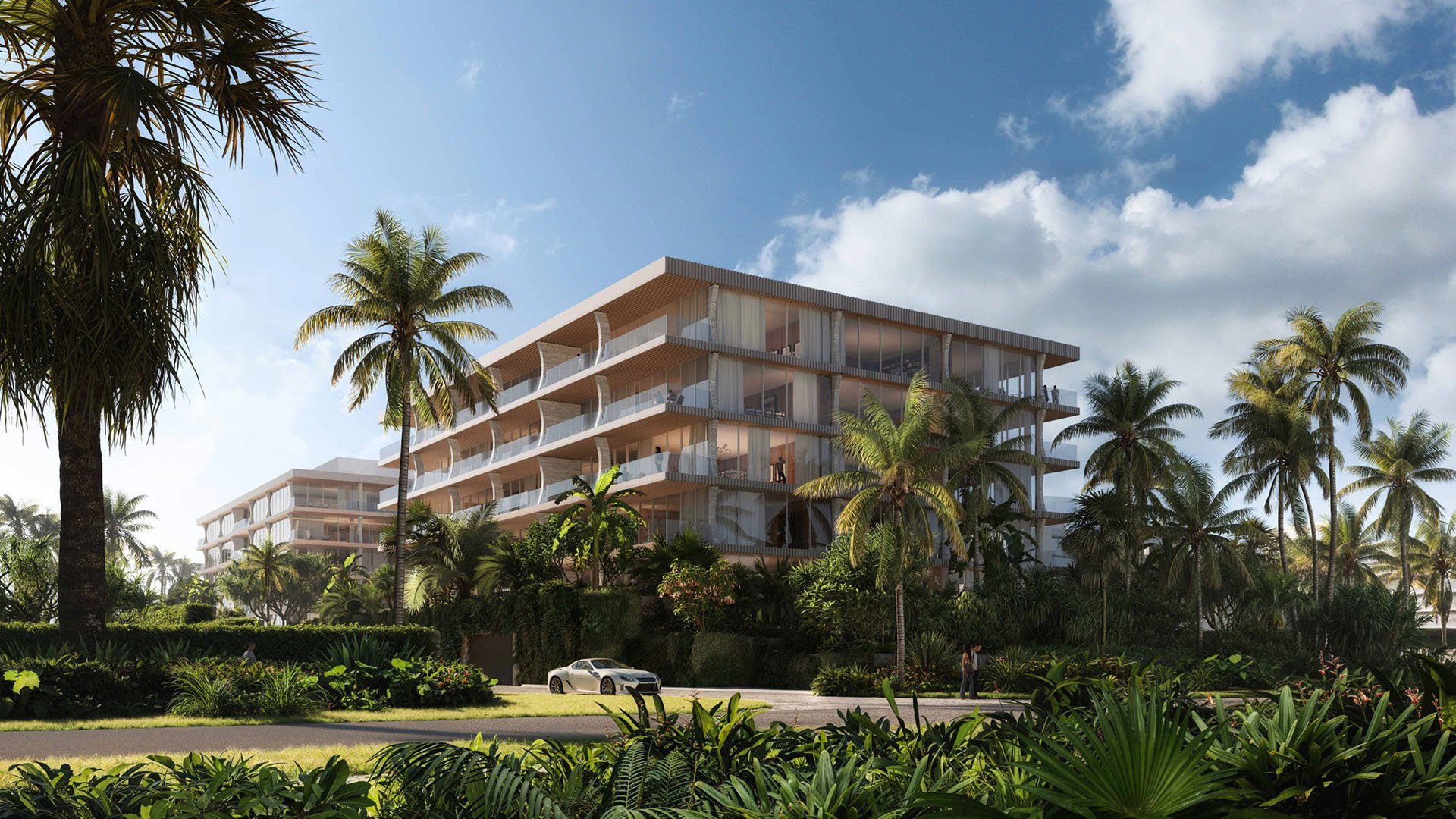
Palm Beach Gardens waterfront ownership is not a single proposition. A serviced residence, a condominium with access to shared marine infrastructure, and a standalone estate offer different balances of privacy, space, convenience, security, and responsibility. The right choice begins with intended use: a full-time residence, seasonal retreat, or occasional boating base.
A second-home buyer may value managed services and a simplified arrival experience. An estate buyer may prefer direct control over the shoreline, dock, and maintenance calendar. Neither format is inherently superior. Investment discipline lies in matching the property’s operational demands with the owner’s time, expectations, and tolerance for ongoing oversight.
Buyers comparing residential formats may consider The Ritz-Carlton Residences® Palm Beach Gardens, Alba West Palm Beach, and Palm Beach Residences while maintaining property-specific diligence.
Establish vessel size, intended frequency of use, and the degree of control required over a dock or slip early in the search. A boat-slip arrangement should not be assumed to provide ownership or exclusive control of a private dock. Buyers should determine whether marine rights are deeded, assigned, shared, transferable, or subject to association approval.
The practical review should extend beyond whether a boat appears to fit. Confirm the governing survey, permits, title treatment, association documents, and any restrictions applicable to the marine structure. A marina relationship may offer convenience; a private dock may provide greater control, paired with greater maintenance responsibility. Proximity to boating facilities does not by itself satisfy a particular owner’s access or vessel requirements.
The shoreline warrants its own professional workstream. Buyers should obtain an engineer’s assessment of the seawall and dock rather than treating these elements as incidental to a general home inspection. That assessment should be coordinated with the property’s elevation certificate, current survey, and available permit record.
The objective is to establish condition, legal status, and responsibility before closing. Review the seawall, dock, shoreline, drainage, and elevation together, as each informs the property’s exposure and future ownership burden. Confirm whether prior work was permitted and whether any marine improvements are shared or controlled by an association.
The residence requires a parallel inspection track. Its scope should include the roof, HVAC, electrical system, pool equipment, foundation, and other significant structural or mechanical components. A polished renovation or immaculate presentation should not narrow this review. Waterfront diligence is strongest when the marine engineer, general inspector, surveyor, insurance adviser, and counsel work from consistent property documents.
Storm preparation begins during underwriting, not after closing. Obtain property-specific wind and flood insurance quotes before inspection or financing contingencies expire. Generic estimates cannot establish the terms, exclusions, or costs applicable to an individual residence.
Review the elevation certificate alongside the survey, available flood disclosures, inspection findings, and proposed coverage. Seller disclosures are important, but they should complement-not replace-an independent document review.
For an estate, the buyer should determine who will monitor and prepare the residence, pool systems, dock, and shoreline before severe weather. In a condominium, association responsibilities should be distinguished from the owner’s obligations. In either case, the storm plan should identify decision-makers, service contacts, access arrangements, insurance documentation, and the components requiring inspection after an event.
Dock and seawall permits should be reviewed before closing on a waterfront home. Local counsel can help reconcile permit files with the current survey, title materials, and physical improvements observed at the property. If records and site conditions do not align, resolve the discrepancy while contractual protections remain available.
Condominium and community buyers should also review association authority over docks, slips, repairs, access, and transfers. Determine who pays for major marine work, how approvals are obtained, and whether the rights represented in marketing materials appear in the controlling documents. Property descriptions may aid discovery, but surveys, title records, permits, engineering reports, and insurance documents should control the final decision.
A water view can change even when the subject property does not. Buyers should examine available municipal project files for proposed or approved development near the target address. Pending or entitled construction may affect the future setting, access patterns, privacy, or character of a view.
This review is especially important when comparing an established estate with a new residential offering. It should sit beside, not behind, the physical inspection. The most complete closing file unites the contract, disclosures, elevation certificate, survey, permit history, engineering assessments, insurance quotations, title review, association documents, and nearby development review.
Why is a general home inspection insufficient for a waterfront purchase? A marine engineer should assess the seawall and dock separately, while the home inspector evaluates the residence’s major structural and mechanical systems.
Which document should establish the property’s elevation? Obtain and review the property-specific elevation certificate alongside the current survey and insurance quotations.
When should wind and flood insurance be priced? Secure property-specific quotes before the relevant inspection or financing contingencies expire.
What should buyers verify about a dock or slip? Confirm its condition, permits, survey treatment, legal rights, transferability, shared obligations, and any association approval requirements.
How should buyers compare a condominium with an estate? Evaluate privacy, space, services, security, convenience, maintenance appetite, and expected time at the property.
How should flood disclosures be used? Review available disclosures with the elevation certificate, survey, inspection findings, and proposed insurance coverage rather than relying on any single document.
Which home systems deserve close inspection? Review the roof, HVAC, electrical system, pool equipment, foundation, and other major structural or mechanical components.
Why review development activity nearby? Proposed or approved construction may influence the property’s future setting, privacy, access patterns, or views.
Should property descriptions control a purchase decision? No. Legal, insurance, survey, permit, engineering, association, and inspection documents should govern the final assessment.
What belongs in the final closing file? Include disclosures, surveys, elevation records, permits, engineering findings, insurance quotes, title materials, association documents, and development review.
For a tailored shortlist and next-step guidance, connect with MILLION.
If branded residences are on your mind — as a home or as an allocation — we would be glad to share what we are seeing, privately.
Begin a quiet conversation