A disciplined pre-closing framework for Riyadh families evaluating Brickell residences, covering address-specific flood records, elevation questions, master-policy limits, HO-6 coordination, deductibles, access concerns and potential assessments.
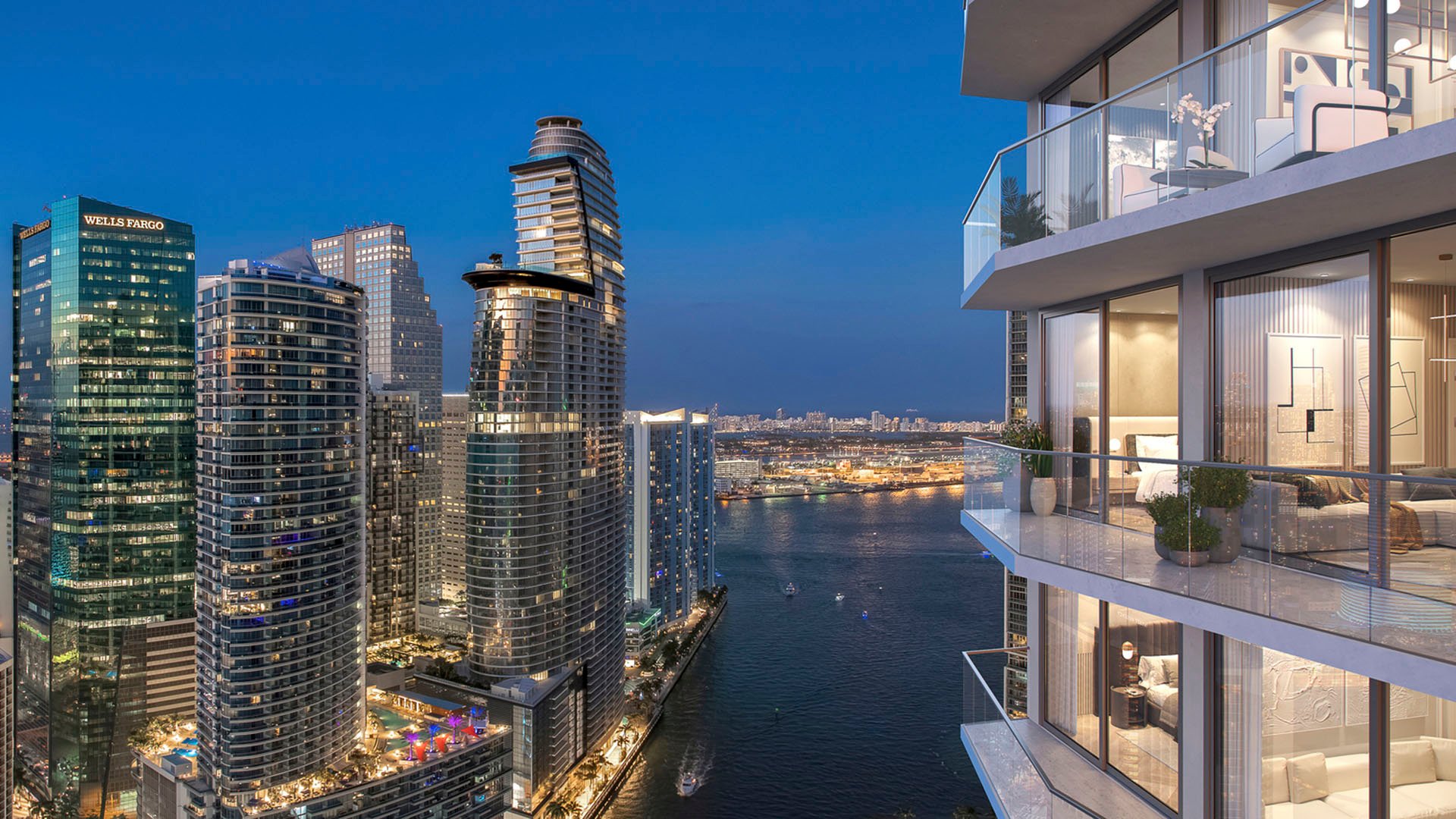
For a Riyadh family coordinating a move to Brickell, flood review should be handled as a property-specific part of due diligence. The first step is to obtain the current flood determination for the exact tower address and retain the supporting record in the acquisition file.
Record the designation exactly as issued, together with any stated Base Flood Elevation, commonly shortened to BFE, and the applicable elevation datum. Avoid treating a general description of Brickell as a substitute for address-specific documentation.
This approach applies whether the family is considering Baccarat Residences Brickell or another residence in the district. Each candidate should be reviewed on its own documents, building configuration and insurance terms.
The essential question is not only where the residence sits, but how the building would function if water affected access or shared systems.
A flood designation is only one part of the review. Ask the project team or association for available records showing the elevations of entrances, garage ramps, parking areas, loading access, electrical rooms, elevator equipment, pumps, generators and other systems relevant to continued use of the building.
Confirm that every elevation under comparison uses a compatible datum. If records use different references or appear inconsistent, request reconciliation by a qualified professional rather than drawing conclusions from the figures independently.
A high-floor residence can still depend on lower-level infrastructure and surrounding access. The diligence file should therefore distinguish the elevation of the private residence from the elevations of shared systems, parking and entry points.
For a residence such as The Residences at 1428 Brickell, these questions can be integrated into the broader review of plans, building records and delivery documentation instead of being deferred until the insurance process.
Flood designations, elevation records, emergency-planning information and insurance contracts address different issues. The family’s advisers should avoid using one document as a proxy for another.
A concise review matrix can identify the exact property address, the recorded flood designation, any BFE and datum shown in the file, and the documented elevations of relevant building components. A separate column can identify the source document, its date and any question still awaiting clarification.
This format gives family decision-makers in Riyadh, Miami counsel, the insurance adviser and the property team a shared checklist. It also makes unresolved discrepancies visible before contractual deadlines pass.
The master policy should be read as a contract, not inferred from a certificate, marketing description or general assumption about condominium coverage. Request the complete current policy package available for review, including endorsements, exclusions, limits and deductibles, together with any separate flood-related policy maintained by the association.
Obtain a written explanation of responsibility between the association and the unit owner. The explanation should address the structure, shared areas, interior components, improvements, contents and any other category relevant to the proposed residence. A qualified South Florida insurance adviser can then compare that allocation with the unit-level proposal.
The same contractual review is appropriate for Cipriani Residences Brickell or any other Brickell candidate. Brand, design and service should remain separate from the question of what the operative insurance documents actually provide.
Ask the insurance adviser to explain how the proposed HO-6 policy coordinates with the association’s documents. The review should identify which interior elements, personal property, liability and loss-of-use scenarios are included, excluded or subject to separate limits and deductibles.
Coverage limits should be tested against a documented inventory rather than assumed from the purchase price. Where the residence includes custom finishes, integrated systems, art, furnishings or owner-installed improvements, each category should be addressed explicitly in the written review.
For a family spending time outside Miami, claims logistics deserve equal attention. Establish who can access the residence, document conditions, communicate with building management and coordinate with the insurer while the owner is abroad.
Financing terms, ownership structure and insurer requirements should be confirmed for the specific transaction by the appropriate advisers. Do not rely on a general rule when the relevant loan, policy and ownership documents are available for direct review.
Ask the insurance adviser and counsel to apply the documents to several water-related scenarios. These may include a leak originating inside the residence, water entering from outside the building, water affecting the garage, and an event that leaves the unit untouched but disrupts elevators, utilities or street access.
For each scenario, identify the potentially responsive policy, the applicable deductible, the responsible party and any unresolved exclusion or limit. The purpose is not to predict an event; it is to expose gaps, overlaps and assumptions while the family can still ask questions.
The association review should also cover available information about reserves, claims and assessments. Counsel should determine which records are relevant to the transaction and explain how the governing documents allocate owner responsibility.
Buyers considering St. Regis® Residences Brickell should request the documentation available for the residence and its stage of delivery. Any item not yet available should be clearly marked as pending rather than treated as confirmed.
A practical closing file can be organized into property, association and household sections. The property section holds the address-specific flood and elevation records. The association section holds the policies, deductibles, responsibility allocations and related condominium documents. The household section holds the proposed HO-6 materials, inventory, access protocol and scenario analysis.
Assign one adviser to track missing items and reconcile inconsistencies before the applicable inspection, financing and insurance deadlines. The final decision record should distinguish confirmed documents from professional interpretations and unresolved questions.
This disciplined process helps a Riyadh family evaluate a Brickell residence without reducing a complex building and insurance review to a single map label or floor number.
For discreet assistance evaluating a Brickell residence and coordinating appropriate local specialists, connect with MILLION.
If branded residences are on your mind — as a home or as an allocation — we would be glad to share what we are seeing, privately.
Begin a quiet conversationThe diligence file should be tied to the specific property under consideration. General neighborhood descriptions should not replace address-specific records.
Record the official flood designation, any stated BFE, the elevation datum and the document supporting each item.
Elevation figures should only be compared when their reference points are compatible. A qualified professional should reconcile inconsistent records.
Ask for available records covering entrances, garage access, parking areas, electrical rooms, elevator equipment, pumps, generators and other critical systems.
No. The household may still depend on lower-level access, parking, elevators, utilities and shared building systems.
Request the complete current policy materials available for review, including endorsements, exclusions, limits, deductibles and any separate flood-related policy.
Compare it directly with the association’s documents and written allocation of responsibility. Ask the adviser to identify limits, exclusions and deductibles for the proposed residence.
An inventory helps the adviser assess personal property, custom finishes, integrated systems and owner-installed improvements without relying on the purchase price.
Establish who can access the residence, document conditions and coordinate with building management and insurers while the family is abroad.
Scenario analysis helps identify the potentially responsive policy, deductible, responsible party and any unresolved coverage question before closing.

.jpg&width=700&height=438&fit=cover)