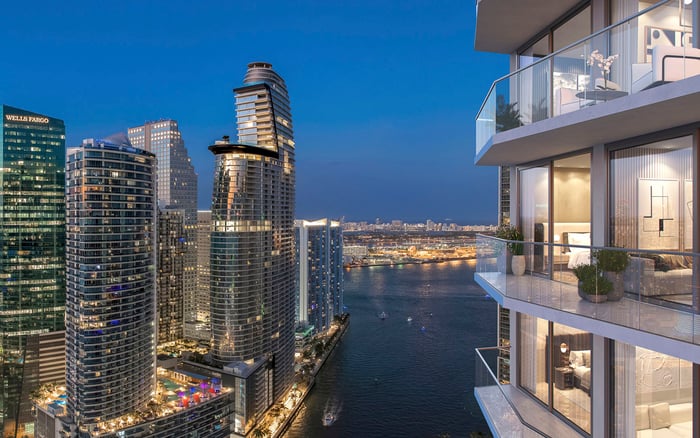
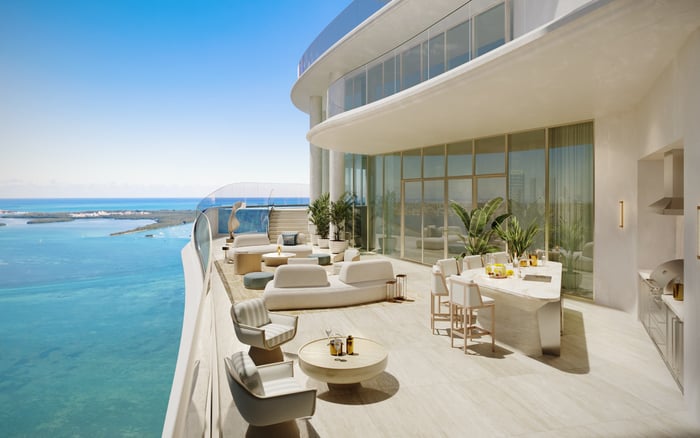
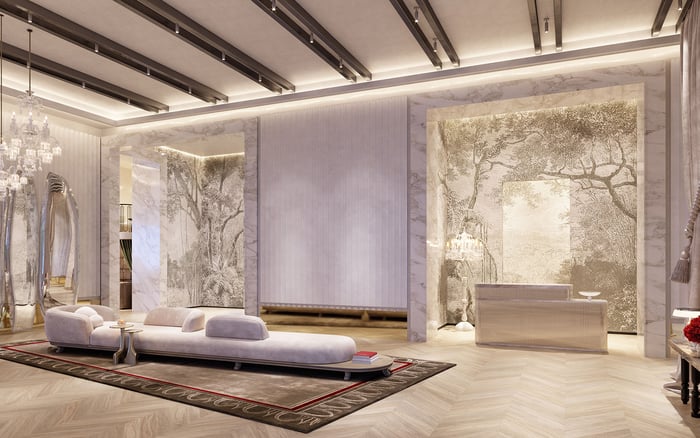
Line selection at The Residences at Mandarin Oriental, Miami should be evaluated through orientation, elevation, view-cone width, terrace relationships, and the placement of principal rooms. Buyers should compare plans carefully and verify proposed sightlines, privacy conditions, and daylight expectations in the applicable project documents.
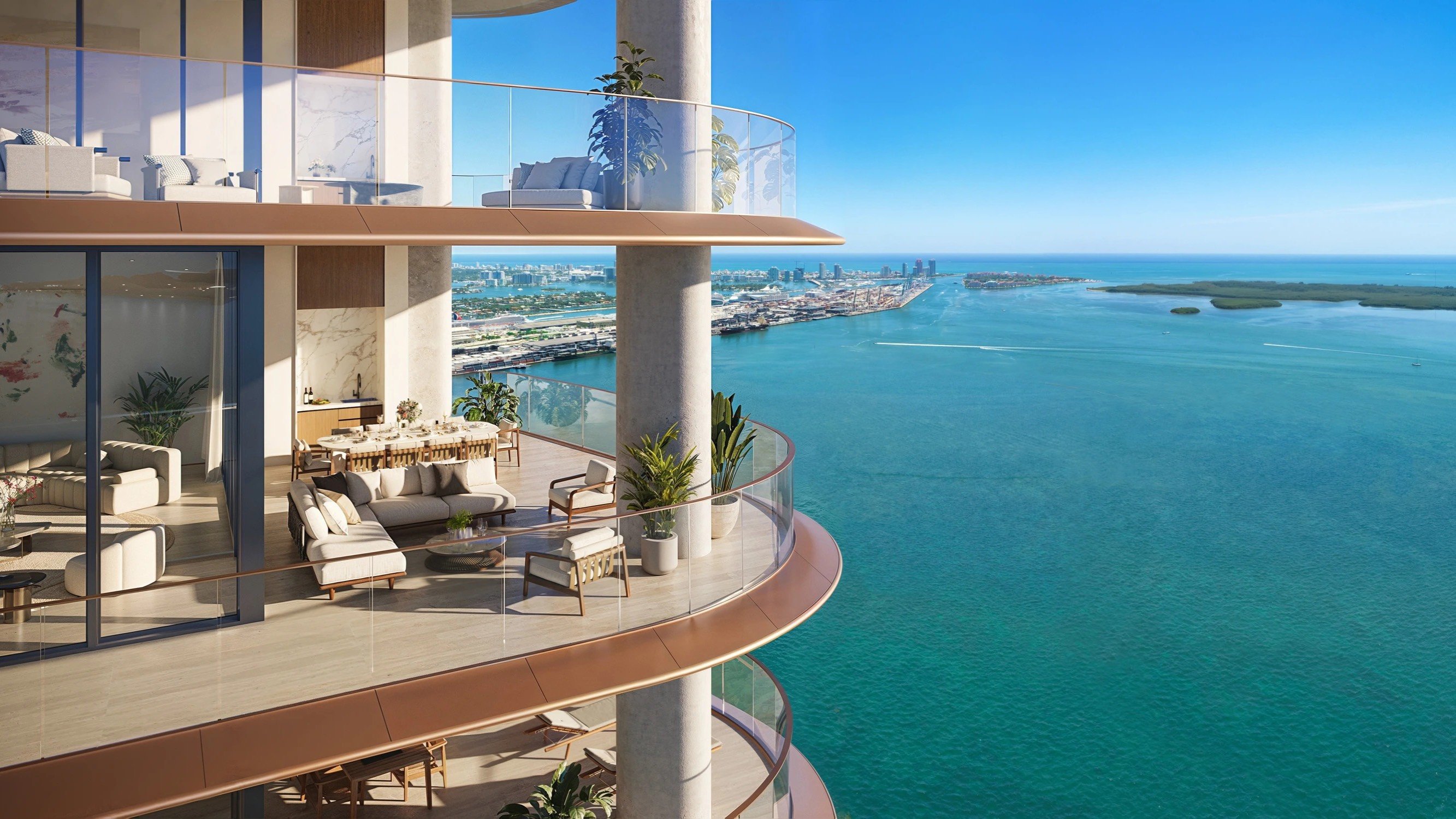
At The Residences at Mandarin Oriental, Miami, a buyer should assess more than the floor number. The line can influence the direction of the outlook, the breadth of the view, the way daylight reaches the interior, and the visual relationship between one residence and another.
A disciplined comparison considers orientation, elevation, facade geometry, terrace placement, and the position of principal rooms. These factors work together, so no single characteristic should determine the choice.
Orientation offers a starting point for understanding how a residence may experience daylight, but it is not a guarantee of brightness or direct sun. Seasonal sun angles, glazing, balcony depth, interior layout, and nearby structures can all affect the result.
Buyers should review how natural light reaches living spaces and bedrooms at different times of day. The same method can be used when comparing The Residences at 1428 Brickell: identify each exposure, study the width of the outlook, and determine whether the preferred view is visible from the rooms used most often.
A broad view cone can feel different from a narrowly framed outlook, even at a similar elevation. Buyers should note whether the view is centered in a principal living area, limited to one side of a room, or primarily experienced from a terrace.
Corner geometry may create multiple outlooks and changing daylight, but it can also add exposure that requires closer review. A focused single orientation may offer a more composed view. The better choice depends on how the residence will be used and which rooms matter most to the buyer.
Privacy should be tested from the facade, terrace, and interior-not inferred from height alone. Direct and angled relationships with neighboring glazing, balcony edges, shared areas, and circulation routes can affect how private a residence feels.
A higher floor may change sightline separation, but it does not automatically resolve an exposed terrace or an oblique view into nearby glass. Buyers considering Una Residences Brickell should apply the same room-by-room and terrace-by-terrace review rather than treating elevation as a substitute for detailed analysis.
Long-term appeal often depends on how enjoyable and defensible the outlook is, not simply how dramatic it appears in a rendering. A view that relies on a narrow opening between structures may warrant different scrutiny from one with a wider visual field.
No proposed view should be assumed to be permanent without supporting documentation. Buyers should distinguish design imagery from binding materials and review any relevant plans, exhibits, surveys, easements, and development information with qualified advisers.
The same caution applies when evaluating The Residences at Six Fisher Island. Branding and elevation can shape first impressions, but the daily experience depends on the specific residence, its geometry, and its surroundings.
Begin by comparing several lines and, when possible, more than one elevation within a preferred line. Mark the direction of each outlook, the location of terraces, the placement of principal rooms, and any direct or angled relationships with neighboring spaces.
Next, separate preferences from assumptions. Decide whether morning brightness, later-day light, skyline character, water-oriented outlooks, terrace privacy, or interior privacy carries the most weight. Then verify the relevant conditions using the applicable project documents rather than relying solely on promotional imagery.
Why should buyers compare lines instead of only floors? The line can affect orientation, facade geometry, room placement, view breadth, and privacy. Elevation is only one part of the comparison.
Does a higher floor always provide a better view? No. A higher elevation may change horizon depth or separation, but the quality of the outlook still depends on direction, geometry, and nearby conditions.
How does orientation affect daylight? Orientation helps indicate when and where light may reach a residence. Glazing, balcony depth, layout, seasonal conditions, and surrounding structures also matter.
What is a view cone? A view cone is the visible field available from a room or terrace. Its width and the elements within it can be as important as distance or elevation.
Are corner residences always preferable? No. Multiple exposures may provide varied outlooks and daylight, while a single exposure may create a more focused composition.
How should terrace privacy be assessed? Review direct and angled sightlines, neighboring terraces, balcony edges, glazing, and nearby shared spaces. Assess the terrace from both seated and standing positions when reliable plans or access permit.
Can renderings confirm the final view? No. Renderings can illustrate design intent, but buyers should verify proposed conditions through the applicable plans and contractual materials.
Which rooms should receive the most attention during a view review? Focus on the rooms used most often, including living areas and bedrooms. Confirm whether the preferred outlook is central, peripheral, or visible mainly from the terrace.
What should buyers compare between different lines? Compare orientation, elevation, view-cone width, terrace relationships, glazing, room placement, and potential visual exposure to neighboring spaces.
What materials can help verify a line selection? Applicable plans, contractual exhibits, surveys, easements, and other project documents can clarify proposed conditions. Qualified legal and technical advisers can help interpret them.
For a tailored shortlist and next-step guidance, connect with MILLION.
If branded residences are on your mind — as a home or as an allocation — we would be glad to share what we are seeing, privately.
Begin a quiet conversation