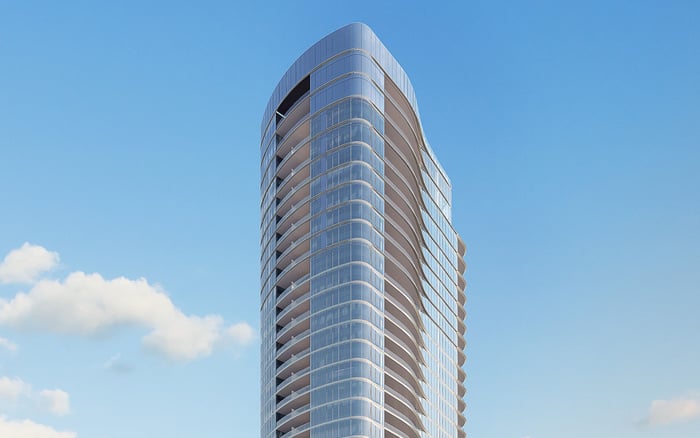
A buyer’s guide to separating advertised amenities from confirmed electrical capacity at St. Regis® Residences Brickell, with practical questions for art lighting, wine refrigeration, and vehicle charging.
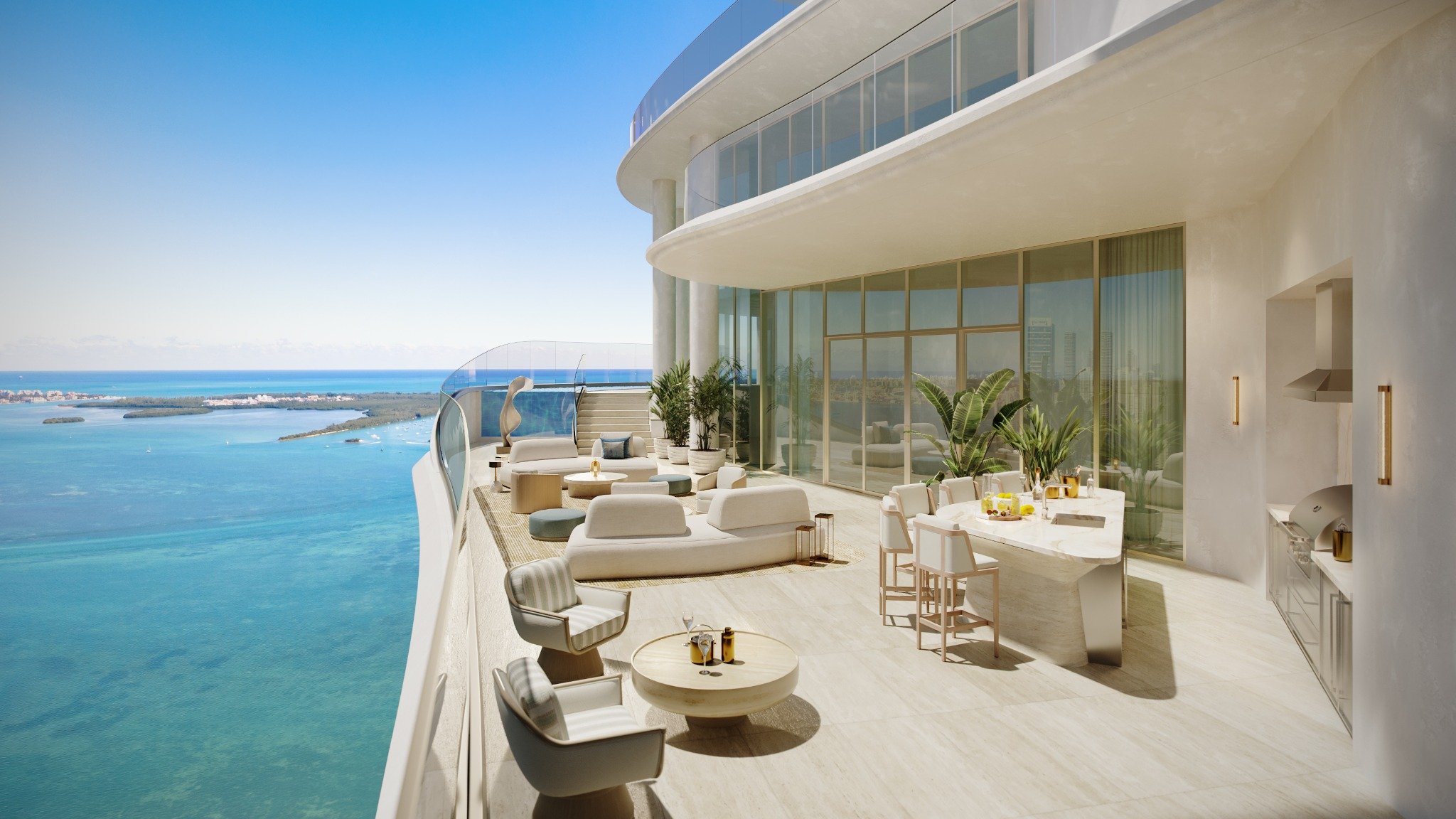
A carefully prepared residence should accommodate its owner’s collection and routines as thoughtfully as its furnishings. At St. Regis® Residences Brickell, that means looking beyond the advertised appliances to the electrical arrangements that support art lighting, wine refrigeration, and vehicle charging. The essential distinction is simple: an amenity is not a capacity commitment.
The future residences are listed at 1809 Brickell Avenue, Miami, Florida 33129, on the South Brickell bayfront. For a buyer planning a highly personalized interior, the next step is not selecting additional equipment. It is establishing what the residence and relevant building systems can support, which alterations require approval, and what commitments can be documented before design decisions become purchases.
The advertised kitchen package includes fully integrated Sub-Zero and Wolf appliances, a paneled refrigerator and paneled freezer, convection and steam ovens, a microwave, and a coffee maker. A full-height wine refrigerator is also advertised. These details describe the intended appliance offering-not the electrical headroom available for an owner’s additions.
The advertised specifications do not establish a guaranteed unit electrical-service rating or spare-capacity allowance for custom installations. Nor do they resolve the wine refrigerator’s circuit requirements. Seek written confirmation of each rather than drawing conclusions from the appliance brands.
Ask for the residence’s panel schedules, service voltage and amperage, load calculations, feeder information, and spare circuit capacity. Request any written capacity reservation relevant to owner improvements. Have a qualified electrical professional review those documents against the proposed equipment, with the building engineer addressing the building-side arrangements. The objective is a defined scope of feasible work, not a general assurance that upgrades should be possible.
For an art-led interior, begin with the collection rather than a generic request for more lighting. Ask the lighting designer, and a conservator where appropriate, to recommend fixture specifications and controls for the works to be displayed. Translate that brief into a proposed installation for technical review.
Make the questions specific: Which additional circuits are permitted? Which control systems can be installed? What approvals apply to the proposed fixtures and associated work? Ask the design team to distinguish supplied lighting from owner-requested additions so the scope remains clear.
Do not assume that permission to change a fixture also authorizes an expanded circuit or control layout. Request a written response to the actual design. If the collection may change, ask the team to evaluate that flexibility now, without treating future electrical capacity as already reserved.
A full-height wine refrigerator is a useful starting point for a collector, but it is not a custom wine cellar. Confirm the supplied model, bottle capacity, temperature zones, circuit requirements, and ventilation clearances before deciding whether it suits the collection.
If the ambition is larger, ask separately whether an owner-supplied wine room or expanded refrigeration installation would be permitted. Submit the proposed equipment and installation requirements for review rather than describing the plan simply as additional wine storage. Approval and capacity are separate questions; both require a clear answer.
For buyers also considering Una Residences Brickell, carry the same distinction into the comparison brief: evaluate supplied refrigeration, proposed additions, and written permission separately. This is a due-diligence framework, not an assertion that the properties offer equivalent equipment or alteration rights.
The practical decision is whether the supplied refrigerator meets the owner’s needs and, if not, whether a specific alternative can be approved and supported. Avoid commissioning custom millwork around an unconfirmed refrigeration plan.
Advertised amenities include EV charging stations, on-site valet parking, and self-parking spaces. Those offerings do not establish a dedicated charger or guaranteed charging output for every residence. The relevant question is how charging would work within the buyer’s actual parking arrangement.
Confirm the parking-space assignment first, then ask about charger ownership, connector compatibility, output, and access. Request an explanation of metering, billing, load management, valet access, and maintenance responsibility. If charging depends on shared equipment, ask how access would be administered rather than assuming availability on arrival.
Keep the residence’s electrical service and the parking facility’s charging infrastructure distinct in the inquiry. Ask the building engineer how each proposed load would be supplied and whether any shared constraint affects the intended arrangement. A statement about in-unit capacity does not confirm garage charging capacity, or vice versa.
Florida’s condominium EV-charging framework generally prevents associations from prohibiting or restricting installation or use in an owner’s designated parking space, subject to statutory conditions. Associations may impose reasonable restrictions, but those policies may not significantly increase costs or decrease efficiency or specified performance.
Owners bear charger-related costs, including installation, operation, maintenance, repair, insurance, and electricity. This legal framework is not a promise of a particular charger, output, or installation arrangement at the property.
Ask counsel to evaluate the applicable conditions alongside the parking designation and association requirements. Obtain the technical review in parallel. A legal pathway to installation does not, by itself, establish how the proposed charger would be powered, metered, or managed.
For a buyer weighing The Residences at 1428 Brickell alongside St. Regis, the useful comparison is the quality of the answers, not an assumed equivalence of specifications. Request the same residence-specific information wherever bespoke lighting, expanded wine storage, or vehicle charging matters to the purchase.
Bring the three requirements together in one coordinated brief. Identify the proposed lighting and controls, the refrigeration plan, and the charging arrangement. Ask the building engineer whether they have been evaluated together, including the owner’s expectation of simultaneous use. Where separate systems are involved, request a clear explanation of each system’s relevant limits.
Keep three categories distinct in the final record: what is advertised, what is technically supported, and what is approved for installation. Seek written confirmation of any capacity reservation and clarify who is responsible for each unresolved decision. These are recommendations for buyer diligence, not evidence that alterations will be approved.
The most refined result is an interior whose technical planning remains invisible in daily life. That begins with precise questions before fixtures, refrigeration equipment, and charging hardware are ordered.
For a considered approach to South Florida’s exceptional residences, explore MILLION.
If branded residences are on your mind — as a home or as an allocation — we would be glad to share what we are seeing, privately.
Begin a quiet conversationThe future residences are listed at 1809 Brickell Avenue, Miami, Florida 33129, along the South Brickell bayfront.
No. It does not establish a guaranteed unit electrical-service rating or spare-capacity allowance for custom installations.
The package features fully integrated Sub-Zero and Wolf appliances, including a paneled refrigerator and freezer, convection and steam ovens, a microwave, a coffee maker, and a full-height wine refrigerator.
A full-height wine refrigerator is advertised, not a custom wine cellar. Permission and electrical capacity for a larger owner-supplied installation require separate confirmation.
Request its model, bottle capacity, temperature zones, circuit requirements, and ventilation clearances before planning additional storage.
Request panel schedules, service voltage and amperage, load calculations, feeder information, spare circuit capacity, and any written capacity reservation.
Ask a lighting designer or conservator to recommend fixture specifications, then seek technical review and written confirmation of permitted circuits, controls, and installation work.
EV charging stations are advertised, but a dedicated charger or guaranteed charging output for every residence is not established.
Under Florida’s conditional condominium charging framework, owners bear installation, operation, maintenance, repair, insurance, and electricity costs.
Yes. Ask the building engineer to evaluate the proposed arrangements together and explain any limits affecting simultaneous use, including where separate electrical systems are involved.