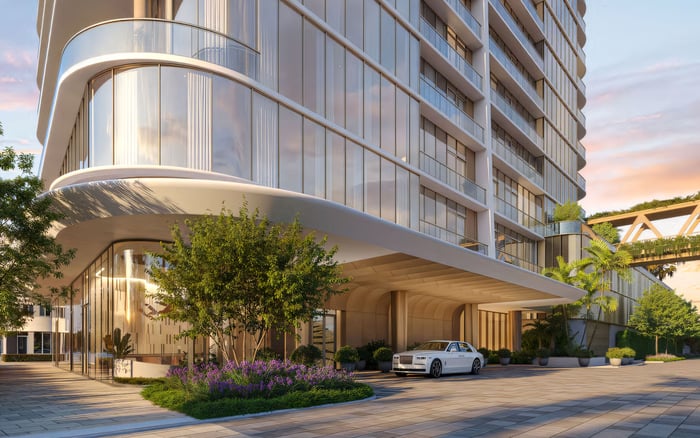
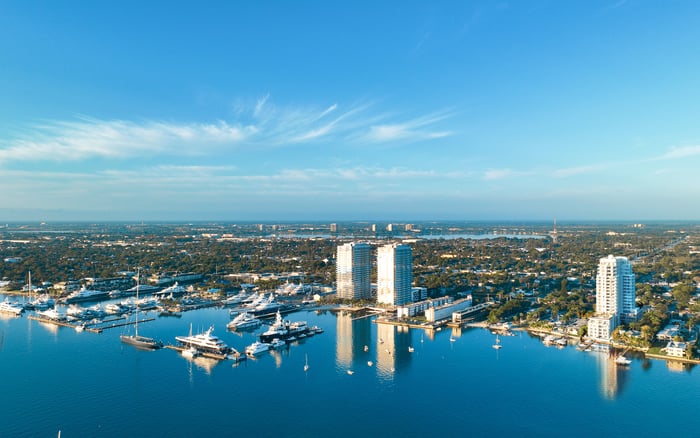
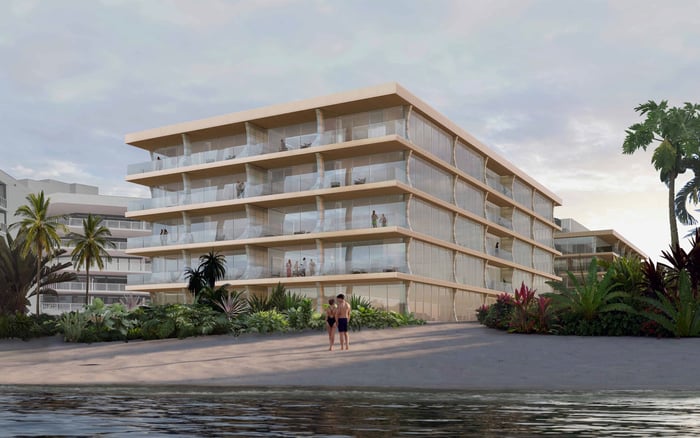
For collectors weighing Viceroy Brickell against The Ritz-Carlton Residences® West Palm Beach, the decisive questions are operational: freight movement, vendor access, HVAC stability, storage conditions, insurance procedures, and post-closing approvals.
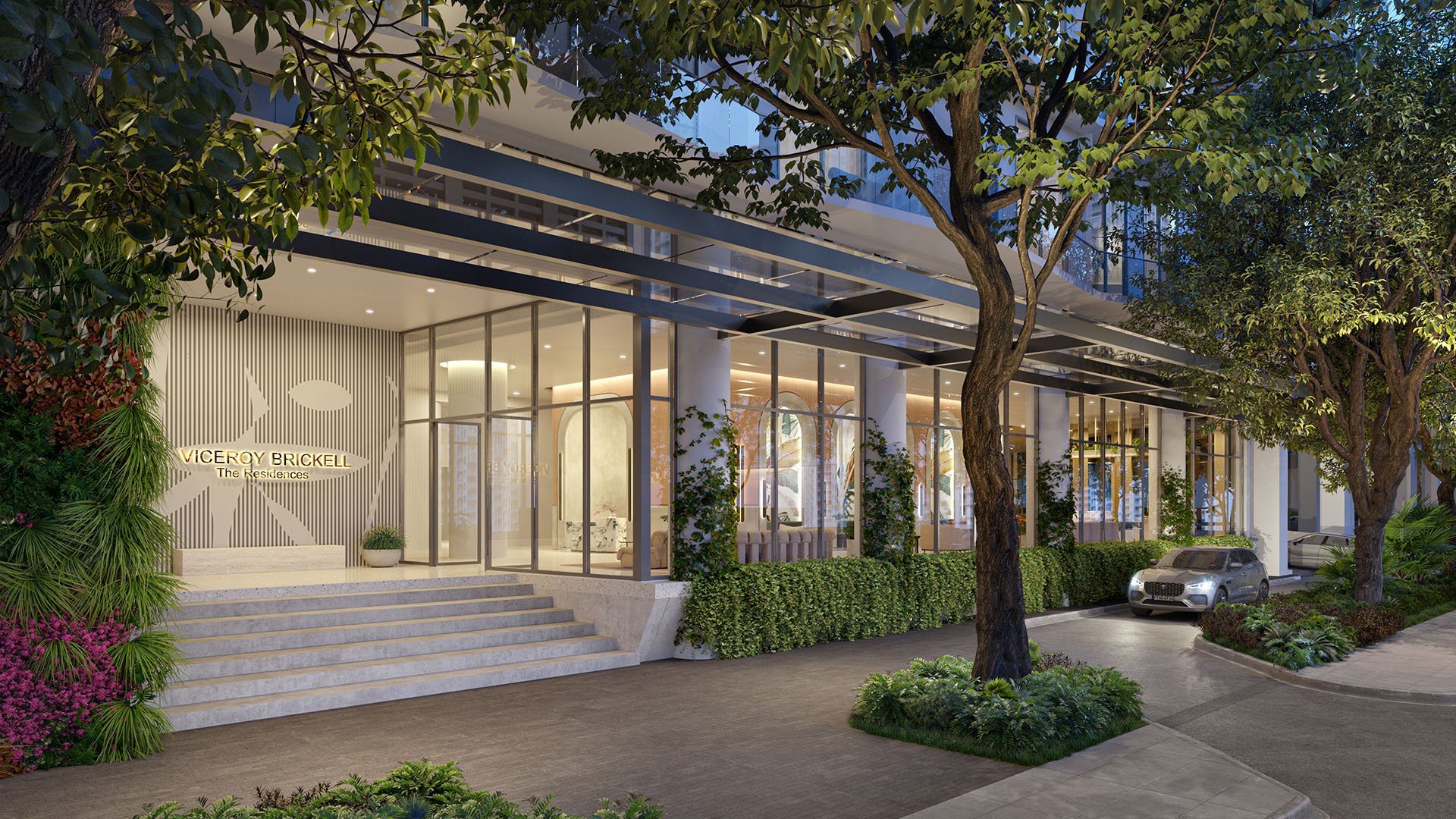
The most sophisticated residential purchase in South Florida is often judged by what happens after closing: how a canvas enters the building, how a crate clears a corridor turn, how a sculpture is insured during installation, and whether storage can remain stable through heat, humidity, and storm season.
That is the lens through which buyers should compare Viceroy Brickell and The Ritz-Carlton Residences® West Palm Beach. The question is not simply which address feels more polished. It is which ownership environment can support a serious collection with discretion, predictability, and technical competence.
As a branded residential development in West Palm Beach, The Ritz-Carlton Residences® West Palm Beach should be evaluated as both a residence and an operational setting. Brand service can be meaningful, but art logistics live in the details: service elevators, delivery windows, common-area protection, insurance certificates, staff coordination, and the rules governing outside specialists.
For Viceroy Brickell, the prudent buyer should apply the same discipline before making assumptions about how the building will handle large-format works, specialty vendors, or supplemental storage. Brickell offers a compelling urban context for collectors who want proximity to financial offices, cultural circuits, and private entertaining, but the building’s documents and management policies remain the controlling instruments.
A branded residential model may provide a more formal service culture, defined management protocols, and clearer expectations around staff coordination. That can help when a collector needs to schedule a fine-art shipper, reserve an elevator, protect flooring, or coordinate access for a crating team. Yet those advantages should never be inferred from the name alone. They need to be confirmed in writing.
A Brickell ownership model may appeal to buyers who prefer dense city convenience and a more business-adjacent rhythm. The key question is whether the building’s procedures align with the practical demands of a collection. A residence can be beautifully appointed and still be difficult for art if elevator dimensions are limiting, delivery hours are narrow, or vendor approval is cumbersome.
Family offices should obtain condominium documents, rules and regulations, architectural guidelines, and vendor-access policies before committing to a unit. Those materials can reveal whether specialized installers, rigging teams, crating companies, and fine-art shippers can operate under standard rules or whether every significant move requires separate approval.
This is also where language matters. “Storage” is not the same as climate-controlled storage. “Air-conditioned” is not the same as a stable environment for paintings, works on paper, textiles, photography, or mixed-media objects. “Service elevator” is not the same as a freight path suitable for monumental work. In a collector’s internal brief, terms such as Brickell, West Palm Beach, Palm Beach, Art Basel, new construction, and The Ritz-Carlton Residences® West Palm Beach should be tied to measurable operational questions, not lifestyle impressions.
Before a collector falls in love with a wall, the installer should understand the route to that wall. The critical review begins outside the residence: loading access, curb management, delivery scheduling, security protocol, and the path from arrival to elevator. It continues through elevator size, cab-protection rules, corridor width, ceiling height, corner geometry, door clearances, and thresholds.
For large-scale art, a few inches can determine whether a work arrives calmly or requires extraordinary planning. A painting that fits into a residence on paper may not navigate a protected corridor turn. A sculpture may need rigging, heavier insurance, or a special sequence of approvals. A crate may require off-hour delivery if lobby traffic or common-area rules prevent daytime movement.
The operating rules of a branded residence can materially affect these logistics. Approved delivery hours, insurance requirements, staff coordination, common-area coverings, and the use of outside vendors all shape the buyer’s real experience. The same is true in any high-service tower, regardless of branding. The correct question is not whether the building feels luxurious. It is whether the building can execute a complex art move without improvisation.
South Florida’s climate makes environmental control central to residential collecting. Humidity, heat, storm exposure, and potential power disruption are not abstract concerns. They influence how art is displayed, stored, insured, and monitored.
Buyers should ask whether in-unit HVAC systems can maintain stable temperature and humidity ranges appropriate for the works they own or intend to acquire. The answer may differ for oil paintings, works on paper, textiles, photography, design objects, and mixed-media pieces. Some collections require more than general residential comfort. They need consistency.
Backup power should also be part of the conversation, particularly for buyers who travel frequently or hold valuable works in a secondary residence. Moisture control, mechanical redundancy, maintenance access, and monitoring options should be reviewed with an HVAC specialist who understands conservation standards.
Storage deserves equal scrutiny. If a building offers private, owner, or supplemental storage, collectors should confirm whether the space is truly climate-controlled rather than merely enclosed, cooled, or conditioned as part of a broader garage or service area. For some works, an attractive storage room is insufficient if temperature and humidity fluctuate beyond acceptable ranges.
The ideal due-diligence walk-through includes the buyer’s art advisor, installer, HVAC specialist, and a property-management representative. This team should review ceiling heights, wall construction, slab conditions, elevator dimensions, corridor turns, doorway clearances, and any rules that affect installation or future deinstallation.
Structural questions matter, especially for heavy works or wall-mounted pieces requiring blocking, anchoring, or specialty engineering. Architectural guidelines may control what can be altered, where penetrations are permitted, how contractors are approved, and whether post-closing customization requires board or management review.
Insurance should be discussed before the first crate arrives. Buildings often require certificates from vendors, specific coverage limits, advance scheduling, and protection plans for common areas. Fine-art shippers and installers are accustomed to these requirements, but the smoother buildings make the process legible in advance.
For buyers comparing Viceroy Brickell and The Ritz-Carlton Residences® West Palm Beach, the conclusion is deliberately practical. Choose the residence that supports the collection as an ongoing responsibility. The best environment is one where art can be moved, installed, protected, stored, and serviced without turning every decision into a negotiation.
What should art collectors ask first when evaluating these residences? Ask for building-specific details on service elevators, freight routes, loading access, delivery scheduling, and vendor approval.
Is a branded residence automatically better for art logistics? Not automatically. Branding may suggest service discipline, but the actual rules, dimensions, and management procedures determine performance.
Why is climate-controlled storage different from regular storage? Climate-controlled storage should maintain more stable temperature and humidity conditions, while ordinary storage may only be enclosed or generally cooled.
What should be reviewed before installing monumental art? Review freight-path geometry, structural capacity, insurance requirements, vendor rules, and any post-closing approval process.
Who should attend the pre-purchase art walk-through? A buyer should include an art advisor, installer, HVAC specialist, and property-management representative whenever possible.
Why does South Florida humidity matter for collectors? Humidity can affect paintings, paper, textiles, photography, and mixed media, making HVAC stability and moisture control essential.
Can outside fine-art vendors usually access luxury residences? Access depends on building rules. Buyers should confirm policies for rigging teams, crating companies, shippers, and installers before closing.
What documents should a family office request? Request condominium documents, rules and regulations, architectural guidelines, vendor-access policies, and storage information.
Are elevator dimensions enough to confirm art access? No. Corridor turns, door clearances, ceiling heights, loading areas, and delivery scheduling can be just as important.
How should buyers compare Viceroy Brickell and The Ritz-Carlton Residences® West Palm Beach? Compare them through operational evidence: freight access, management rules, HVAC performance, storage conditions, and installation approvals.
If you'd like a private walkthrough and a curated shortlist, connect with MILLION.
If branded residences are on your mind — as a home or as an allocation — we would be glad to share what we are seeing, privately.
Begin a quiet conversation