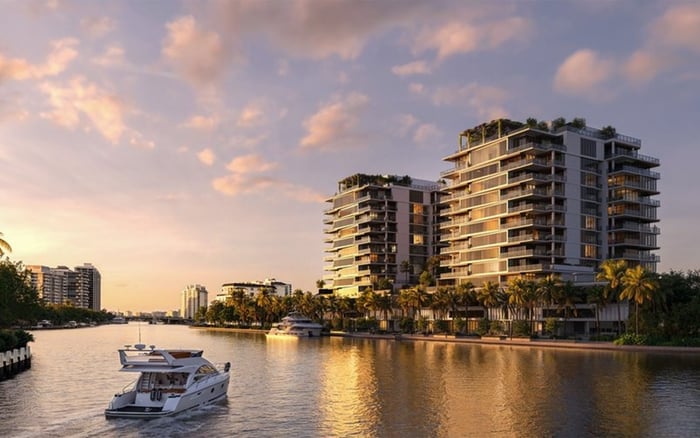
A buyer-focused guide to wake restrictions, turning basins, and canal maneuverability in Fort Lauderdale, with practical due diligence points for waterfront property decisions.
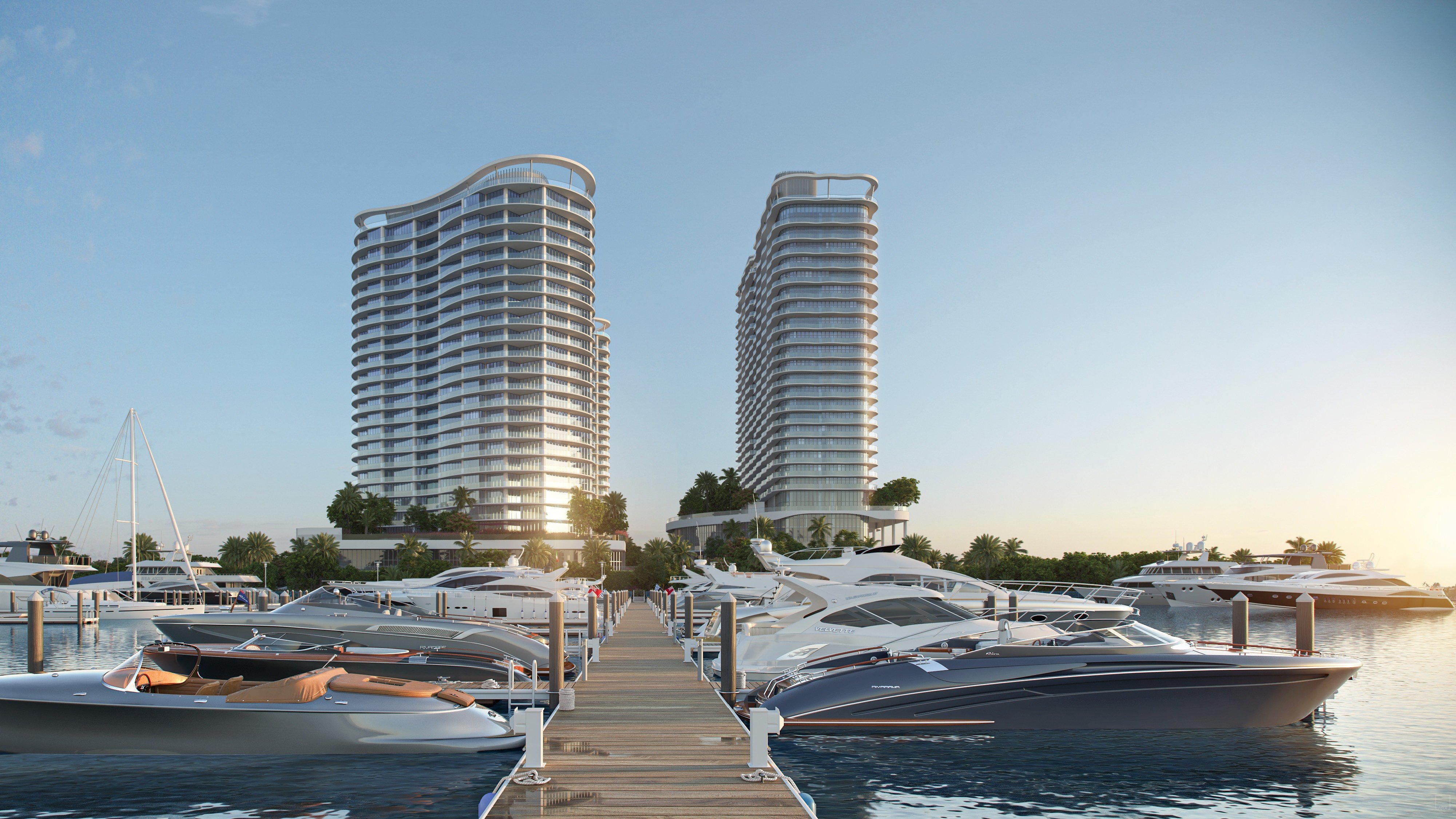
In Fort Lauderdale, waterfront ownership is inseparable from navigation. The city’s more than 165 miles of navigable inland waterways create an enviable boating lifestyle, while also making canal geometry, speed controls, and maneuvering room central to value. For a discerning buyer, the more important question is not simply whether a property has water frontage. It is whether a vessel can approach, dock, idle, depart, and turn safely under the conditions that actually govern that stretch of canal.
That distinction matters across the market, from established single-family estates to branded waterfront living such as Andare Residences Fort Lauderdale, Riva Residenze Fort Lauderdale, and St. Regis® Residences Bahia Mar Fort Lauderdale. Even when a residence itself does not sit on a narrow residential canal, the boating conversation in Broward often comes back to the same fundamentals: width, depth, turning room, and local operating restrictions.
For MILLION Luxury readers, canal ownership is best understood as a blend of real estate, seamanship, and permitting discipline. A beautiful dock line is only the visible layer. The deeper value lies in how the waterway functions.
Wake restrictions are often discussed casually, yet they shape daily use more than many buyers expect. In Florida, operators must comply with marked no-wake and slow-speed zones, and the practical burden rests on the boater to know the posted controls along the route being traveled. In Fort Lauderdale, local navigation rules add another layer, meaning a vessel’s experience may change materially from one canal segment to the next.
For property owners, this has several implications. First, a quick run from open water to the dock may not be realistic, even when the distance appears short on a map. Second, guest captains, crew, and service operators should be briefed on the exact route and local markers, because assumptions carried over from another neighborhood may not translate well. Third, the quiet elegance of a refined waterfront setting often depends on these restrictions being observed, especially where canal walls, docks, and neighboring yachts sit in close proximity.
Some South Florida waterways connected to broader regional routes may also be subject to sensitive habitat protections, including idle-speed or other slow-speed requirements in certain areas. That does not mean every Fort Lauderdale canal is governed the same way. It means buyers should verify the exact operating environment tied to the specific property rather than generalize from the city’s boating image.
A turning basin is a widened area of water that allows boats to maneuver and reverse direction. In luxury canal ownership, it is one of the least glamorous yet most consequential details. On dead-end canals and narrower residential waterways, a turning basin can determine whether a vessel can comfortably realign and exit without awkward multi-point maneuvers.
This is why raw frontage can be misleading. A long dock on a constrained canal may be less useful than a shorter frontage on a segment with better width, depth, and room to turn. Vessel operation also has a neighborly dimension. If a captain must swing a bow uncomfortably close to seawalls, pilings, or an adjacent yacht to leave the property, the canal may be technically accessible but functionally compromised.
For buyers comparing a private canal estate with a marina-oriented lifestyle at residences such as Four Seasons Hotel & Private Residences Fort Lauderdale or Auberge Beach Residences & Spa Fort Lauderdale, the issue often comes down to convenience versus control. A private dock can feel unrivaled, but only when the waterway geometry supports the intended vessel with a comfortable margin for maneuvering.
Owners sometimes assume a dock extension, lift installation, dredging program, or shoreline adjustment is primarily a private design matter. On canal property, it rarely is. Improvements that alter depth, shoreline geometry, or vessel maneuvering room may draw review from multiple layers of government. Federal oversight can become relevant where navigable waters are involved, particularly for work affecting bulkheads, docks, or dredging. County environmental review may also come into play, especially if a project affects shoreline conditions or submerged areas.
There is a second practical point for buyers: private improvements cannot interfere with established navigation channels. That can limit what appears feasible on a site plan. A seller’s existing setup may not tell the full story either, because an older condition does not automatically mean a future modification will be approved on the same terms.
Where canal modifications also intersect with drainage or flood-control functions, additional stormwater review may be prudent. In other words, the due diligence path for canal property is not linear. City, county, state, and federal interests can overlap, and the relevant answer often depends on the exact segment of waterway and the exact scope of work proposed.
For a high-value waterfront acquisition, the canal should be evaluated with the same seriousness as title, structure, and design pedigree. Buyers should confirm whether posted wake or slow-speed controls affect the route to and from the property, and whether any special operating constraints influence vessel size or timing. They should also study canal width, depth, and turning conditions in real-world terms, ideally with the actual captain or marine consultant who understands the owner’s boating program.
Public records review remains essential. Easements, prior waterway permits, and historical approvals tied to dockage or canal work can reveal how the property has been used and what may constrain future changes. That is particularly important in Broward, where waterfront glamour can sometimes obscure the administrative complexity beneath it.
A refined acquisition process also asks a more nuanced question: does this property suit the owner’s vessel, or does it merely suggest a boating lifestyle in photographs? The most successful waterfront purchases align lot characteristics with intended use, from tender access and turning comfort to guest arrivals and service operations.
In Fort-lauderdale, canal ownership rewards precision. Wake restrictions influence pace and etiquette. Turning basins influence confidence and practicality. Permitting influences what can be built, deepened, or reconfigured over time. None of these factors diminish the appeal of waterfront living. Instead, they define the difference between scenic frontage and genuinely usable frontage.
For buyers pursuing single-family-homes on residential canals or evaluating broader Broward waterfront options, the most sophisticated posture is property-specific verification. The city’s water network is extensive, but it is not uniform. A canal’s elegance on approach, its posted controls, and its maneuvering envelope are what turn an address into a fully functioning yachting asset.
What is a wake restriction on a Fort Lauderdale canal? It is a posted operating rule that typically requires no-wake or slow-speed vessel movement to reduce impact on nearby property, docks, and traffic.
Why does a turning basin matter when buying canal property? It provides the room a boat needs to maneuver and reverse direction, especially on dead-end or narrow canal segments.
Is canal frontage enough to judge boating usability? No. Width, depth, and turning room often matter just as much as frontage length.
Can I modify my dock or seawall without broader review? Not necessarily. Canal work may require overlapping municipal, county, state, or federal review depending on the scope.
Do wake rules change from one canal to another? Yes. Posted markers and local controls can vary by waterway segment, so site-specific verification is essential.
Can private improvements interfere with navigation channels? They should not. Proposed docks, lifts, or extensions may be limited if they affect established navigation use.
Are dead-end canals always a disadvantage? Not always, but they make turning ability far more important and can narrow the pool of suitable vessels.
Should buyers review prior waterway permits during due diligence? Yes. Historical permits and easements can reveal constraints on future dredging, dock changes, or shoreline work.
Do environmental rules affect residential canal ownership in Broward? They can, particularly when a project alters submerged areas, shoreline geometry, drainage, or habitat-sensitive routes.
What is the smartest first step before buying a waterfront canal home? Match the property to the intended vessel and have the route, controls, and maneuvering room evaluated before closing.
For a tailored shortlist and next-step guidance, connect with MILLION Luxury.
If branded residences are on your mind — as a home or as an allocation — we would be glad to share what we are seeing, privately.
Begin a quiet conversation