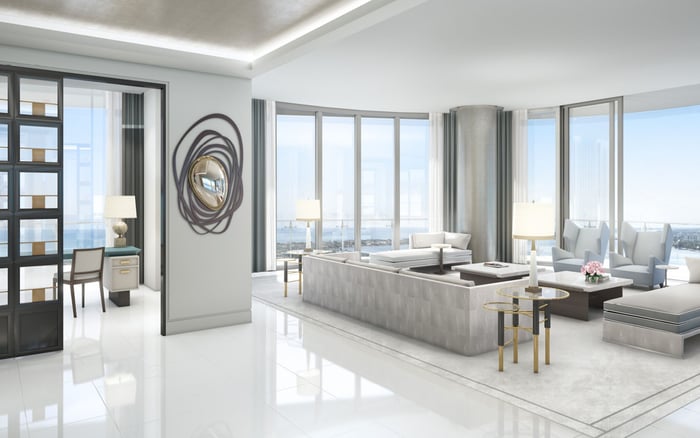
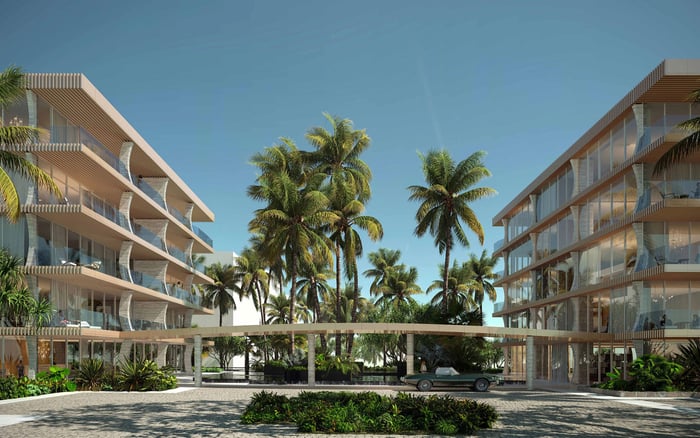
Modernizing a historic Palm-beach mansion is less about “making it new” and more about making it quietly effortless for contemporary living. The highest value renovations preserve proportion, craftsmanship, and original intent while upgrading the systems buyers scrutinize most: comfort, privacy, resilience, and wellness. From invisible mechanical overhauls to museum-level lighting, today’s best projects feel Ultra-modern in performance, yet period-correct in presence. This guide outlines a discreet, South Florida focused playbook for renovating legacy single-family-homes in Palm-beach and West-palm-beach with confidence and long-term market appeal.
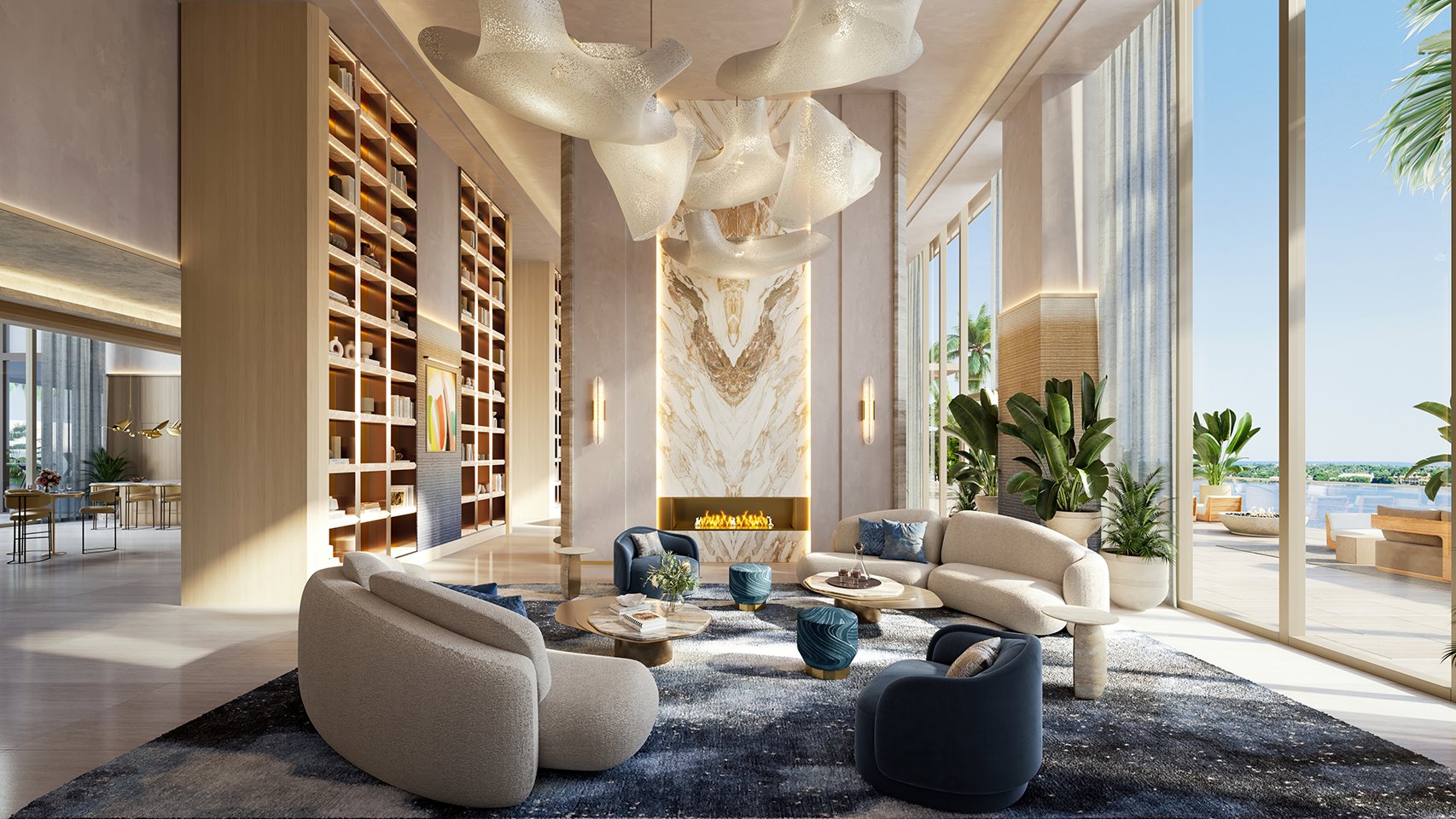
In Palm Beach, modernization is not a style preference, it is the baseline for service and livability. Buyers paying for a legacy address want old-world proportion and a sense of arrival, but they also expect contemporary comfort that performs flawlessly on day one. The target is a home that reads timeless at the curb and feels Ultra-modern the moment the door closes.
The strongest ultra-luxe renovations start with restraint. Rather than overwrite character, they elevate what is already scarce: ceiling height, symmetry, quality of light, handwork, and the ceremonial progression from entry to garden. Modernization then happens quietly, through building science, systems, and edits that support the architecture instead of competing with it.
That mindset matters across South Florida, from Palm Beach to Miami, where climate and lifestyle place real demands on older homes. Salt air, humidity, storms, and intense sun can expose the limits of legacy envelopes. A well-composed scope preserves the original fabric while adding a contemporary performance layer that translates directly into daily ease and long-term market appeal.
Before a single finish is selected, build a design brief that treats the home as both artifact and residence. Your team should define what is sacred, what is flexible, and what can be improved without disrupting the home’s DNA. A practical rule holds: preserve what cannot be recreated with integrity, and upgrade what a modern buyer will experience every day.
Key questions for the brief:
In many Palm Beach renovations, daily “living” naturally shifts toward indoor-outdoor zones. The formal public rooms keep their dignity, while the everyday experience migrates to lighter, garden-oriented spaces with better acoustics, better airflow, and stronger adjacency to the kitchen and pool. The goal is not to make the house behave like a new build, but to let it function like one where it counts.
The most valuable upgrades are often the least visible. They are also the first topics sophisticated buyers raise, especially in a historic single-family-homes estate that may have accumulated decades of layered repairs.
Prioritize infrastructure in this order.
First, mechanical and air quality. Older homes can suffer from hot and cold pockets, uneven humidity, and stale air that no amount of decor can conceal. A modern strategy prioritizes comfort by zone, quiet operation, and consistent humidity control. The luxury cue is not a larger grille or louder airflow. It is a home that feels calm, even at midday in August.
Second, electrical capacity and lighting control. Today’s estates run like small hotels. Kitchens, art lighting, audio, security, and outdoor entertaining all depend on robust electrical planning. Treat the electrical plan as a design instrument, not a technical afterthought.
Third, plumbing and water management. Legacy piping and drainage decisions can limit bathroom layouts, kitchen performance, and long-term reliability. Modernization should anticipate higher fixture loads, stronger pressure consistency, and thoughtful shutoff strategies that support peace of mind.
Fourth, envelope and resilience. In coastal South Florida, the building envelope is the difference between beautiful and dependable. Address roof assemblies, flashing, window performance, and moisture control with sensitivity to the home’s exterior language.
If you do only one thing early, commission a comprehensive conditions assessment and align it with your design intent. It reduces change orders, protects original materials, and lets you invest decisively.
In a historic Palm Beach mansion, the kitchen should perform like a chef’s workspace without visually dominating the home. The contemporary buyer expects an effortless hosting circuit, yet many still want formal rooms to remain formal. The best kitchens are operationally advanced and visually calm.
Design strategies that protect historic tone:
Modern living also favors a visual relationship to gardens or pool terraces. If the existing plan does not allow it, evaluate whether an adjacent breakfast room or sunroom can become the daily anchor, leaving the formal sequence intact. This approach preserves character while shifting the lifestyle center of gravity to where it feels most natural today.
Bathrooms are where modernization becomes instantly tangible. A buyer may tolerate an older foyer moment, but they will not tolerate a cramped primary bath.
In historic homes, a common misstep is installing oversized fixtures without respecting scale. A more refined approach is to reclaim proportion first, then layer in detail. Prioritize clearances, sightlines, and storage before selecting stone. When the room reads as generous, every finish choice looks more intentional.
Dressing rooms and wardrobes should be planned like boutique back-of-house: logical zoning, flattering lighting, and a place to sit. When executed well, these spaces feel inevitable, as if the home was always meant to support a contemporary lifestyle.
Lighting is the quiet weapon of an Ultra-modern renovation that still reads classic. In older homes, lighting often begins as decorative fixtures and ends in glare, shadows, and uneven coverage.
Aim for three layers:
Control matters just as much as the fixtures. Scenes should be intuitive, with “welcome,” “dinner,” and “night” modes that anyone can operate. Luxury is when the house anticipates you instead of asking you to manage it.
Many historic estates were designed for a different era of privacy and daily rhythm. Today’s buyers want discretion for work-from-home life, entertaining, and multi-generational use, all without the home feeling compartmentalized.
Modernization can include sound attenuation between primary suites and social rooms, upgraded door specifications, and quiet mechanical design. Outdoor privacy also matters in Palm Beach and across South Florida, where gardens and terraces function as everyday living rooms.
If you are adding guest suites, prioritize separation. A guest wing should feel like a private retreat, not a leftover corner of the floor plan. If you are planning staff or service areas, create circulation paths that keep operations discreet during hosting.
South Florida lifestyle demands indoor-outdoor ease, yet historic Palm Beach homes can be sensitive to exterior change. The renovation sweet spot is improving the transition without rewriting the architecture.
Consider these discreet moves:
If an addition is on the table, many owners prefer a garden-side pavilion strategy that reads as secondary and deferential. The historic massing remains intact, while contemporary living shifts into a discreet, well-proportioned extension.
Ultra-luxe renovations are defined by materials that look correct and perform better than the originals. The objective is not to imitate age, but to build with integrity, so the home holds up to South Florida conditions without losing its soul.
A disciplined palette often includes:
Avoid overcomplicating the material story. In a historic home, fewer materials used exceptionally well read more expensive than a broad mix. Cohesion is what signals confidence.
The most compelling historic renovations in Palm Beach do not freeze a home in time. They create a deliberate conversation between classic architecture and contemporary life.
A practical approach:
For buyers, this matters because it communicates effortless ownership. The home feels ready for a collector’s life, not staged for a single photograph.
Wellness is now a core value driver in South Florida luxury, especially for second-home owners who want a property to function as a private retreat. The challenge in a historic mansion is integration. The best upgrades feel architecturally native, not appended.
Thoughtful options include:
Keep the wellness language quiet. In a legacy home, the highest luxury is that these functions feel inevitable and consistent with the original intent.
Technology should be specified like a bespoke suit: precise, understated, and tailored to the home. It must integrate cleanly and never become the visual story.
Key principles:
If the home will be used seasonally, remote management can be helpful. Even then, the guest experience should remain intuitive, with manual overrides and simple interfaces that do not require a tutorial.
Many Palm Beach buyers calibrate renovated estates against the service standard and finish quality of new luxury developments, even if they ultimately prefer a historic single-family-homes property.
For a neutral point of reference when testing modern expectations, explore Aman Palm Beach Residences.
Use this kind of benchmark to pressure-test renovation decisions. Does the primary suite feel as effortless as a new luxury residence? Does the lighting feel deliberate? Is the arrival sequence polished and composed? Your renovation does not need a condo aesthetic, but it should compete on comfort and operational excellence.
Even at the highest tier, the best renovations protect capital through clarity. Without fixating on line items, focus on the decisions that prevent drift.
The luxury outcome is not excess. It is coherence. A project finishes with a sense of inevitability, where every room feels edited and aligned.
Palm Beach and West Palm Beach share a luxury audience, but they can differ in lot patterns, neighborhood feel, and how owners use their homes. A renovation strategy should respond to context while holding the same performance standard expected across South Florida.
In Palm Beach, buyers often prioritize legacy character, discreet street presence, and gardens that feel established. Modernization should protect the facade language and the arrival sequence, especially where historic cues are part of the property’s value.
In West Palm Beach, buyers may lean into a more contemporary lifestyle mix, including work-from-home flexibility, entertaining flow, and newer infrastructure expectations. Even when renovating an older home, the finished product often benefits from slightly more contemporary planning.
Across both markets, the common denominator is performance. Whether the home reads historic or Ultra-modern, it should operate quietly, comfortably, and reliably.
Team selection can make or break a Palm Beach mansion project. Choose professionals who understand preservation sensitivity and contemporary construction standards, and who know how to coordinate complex scopes without losing the plot.
Look for:
Also consider a separate owner’s representative if you want additional schedule and cost oversight. On projects of this complexity, coordination is often the most valuable luxury.
Even if you plan to hold the home for decades, resale logic can sharpen decision-making. It encourages you to invest where the market consistently assigns value, and to avoid choices that date quickly.
Buyers consistently reward:
They are also sensitive to what feels “too new.” A historic mansion should not lose its patina, proportion, or composure. The strongest projects leave buyers believing the home has simply been cared for at the highest level.
How do I modernize a historic home without making it look like a flip? Begin with preservation priorities and protect the defining architectural elements. Modernize systems, layout efficiency, and lighting first, then choose materials that feel timeless rather than trend-driven.
What renovations add the most buyer appeal in Palm-beach single-family-homes? Comfort and performance upgrades tend to resonate most, including quiet mechanical systems, strong lighting design, a functional primary suite, and indoor-outdoor flow that feels effortless.
Should I prioritize a new addition or rework the existing floor plan? Many owners start by unlocking function within the existing envelope, then consider a discreet garden-side addition if daily living still feels constrained. The right choice depends on the home’s proportions and site.
How can I keep the project feeling Ultra-modern without fighting the architecture? Use contemporary performance as the driver, not contemporary styling. Focus on invisible upgrades, refined lighting, and edited detailing that supports the historic language.
When you are ready to align renovation vision with South Florida market reality, connect with MILLION Luxury.
If branded residences are on your mind — as a home or as an allocation — we would be glad to share what we are seeing, privately.
Begin a quiet conversation