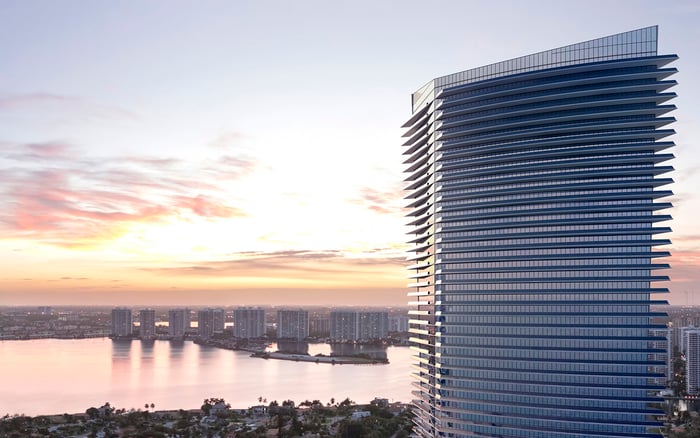
A buyer-focused comparison of Turnberry Ocean Club Sunny Isles and Faena House Miami Beach through the practical lens of pet movement, service elevators, staff protocols, and condominium rule flexibility.

Turnberry Ocean Club Sunny Isles and Faena House Miami Beach sit in the same elevated conversation for buyers seeking a South Florida condominium with a strong sense of arrival. Yet the most meaningful comparison is not always the most photogenic one. At this level, the daily choreography of the building can determine whether a residence feels effortless, formal, private, or occasionally constrained.
For many buyers, the decisive questions emerge after the first showing. How does a dog move through the property after a walk? Which elevator is used by household staff, pet walkers, vendors, and delivery teams? How quickly can management approve a request that falls outside the building’s standard rhythm? These are not secondary details. They are part of the lived luxury of ownership.
That is why Turnberry Ocean Club Sunny Isles and Faena House Miami Beach should be compared not only by design language, views, and address, but by operating culture. For a buyer weighing Sunny Isles against Miami Beach, the right answer may depend less on status and more on how each building handles the unseen logistics of a high-service life.
Pets are often discussed in condominium searches as if the matter begins and ends with permission. In the ultra-premium market, that is too simple. The sharper question is how the building manages pets in motion.
A buyer should understand where pets enter and exit, whether certain areas are restricted, how wet paws after outdoor walks are handled, and whether pet walkers follow a defined protocol. If the household includes multiple pets, larger breeds, visiting family pets, or professional pet care, those details become even more important.
In buildings of this caliber, rules are also about tone. A strict protocol can preserve polish and privacy. A more accommodating culture can make daily ownership feel relaxed. Neither is inherently superior. The right fit depends on whether the owner prizes discretion through structure or flexibility through familiarity.
For Turnberry Ocean Club Sunny Isles and Faena House Miami Beach, buyers should ask for current pet policies in writing before treating either address as the obvious answer. The visible prestige may be similar, but pet logistics can produce very different day-to-day experiences.
Service elevator policy is one of the clearest indicators of a condominium’s operating personality. It affects deliveries, housekeeping, private chefs, pet walkers, florists, art handlers, personal trainers, and renovation teams. In a seasonal home, it also shapes how smoothly the residence can be opened, closed, stocked, and serviced when the owner is not present.
The buyer’s review should go beyond whether a service elevator exists. The practical questions are when it may be reserved, whether reservations are competitive during peak periods, how far in advance approvals are needed, what insurance documents vendors must provide, and how the building handles unscheduled needs.
A residence can be architecturally exceptional and still feel inefficient if every delivery creates friction. Conversely, a more rule-bound building can feel serene if its service protocols are predictable and professionally enforced. The owner who entertains frequently, receives art, rotates wardrobe storage, or travels with staff will experience these policies more intensely than a buyer who uses the home only for quiet weekends.
House rules are not simply restrictions. In the best buildings, they are the framework that protects privacy, maintenance standards, and quiet enjoyment for all residents. The issue is not whether rules exist. The issue is how clearly they are written, how consistently they are applied, and how exceptions are evaluated.
Buyers should ask how the building treats special requests: extended vendor hours, furniture installations, private events, guest registration, temporary household staff, elevator padding, move-in timing, and renovation logistics. A manager who can explain the process precisely is often more valuable than a vague assurance that something can probably be worked out.
Flexibility should also be documented. A verbal comfort level during a showing is not the same as approval from the association or management. At this tier, a buyer’s counsel and advisor should review the declaration, rules and regulations, application materials, pet addenda, alteration agreements, and any current policy updates.
For Turnberry Ocean Club Sunny Isles and Faena House Miami Beach, the central lesson is simple: prestige opens the door, but written rules determine the rhythm inside it.
A disciplined buyer can compare these two addresses through a practical ownership matrix. Start with the household profile. Does the buyer have pets, staff, frequent guests, wellness professionals, chefs, security personnel, or family members coming for extended stays? Next, map the recurring movements those people and services create.
Then place each building’s rules against that lifestyle. A pied-à-terre owner may prioritize simplicity, lock-and-leave security, and predictable vendor access. A full-time resident may care more about pet routes, daily deliveries, and service elevator availability. A collector may focus on art handling and installation protocols. A host may care about guest access, valet coordination, and event limitations.
This is especially important in a comparison that spans Sunny Isles and Miami Beach. Each setting has its own tempo, and each building can interpret luxury through a different lens. One owner may want the formality of highly controlled circulation. Another may want a more intuitive, residential feeling where management can respond quickly to familiar routines.
A strong offer strategy should include document review periods that leave time to examine rules carefully. If a particular issue is crucial, the buyer should request written clarification before waiving contingencies. The most elegant ownership experience is the one that has been stress-tested before closing.
Turnberry Ocean Club Sunny Isles may appeal to buyers drawn to a Sunny Isles lifestyle. Faena House Miami Beach may appeal to buyers who want Miami Beach presence and a distinctive sense of identity. Those broad impressions, however, should never replace the operational review.
The buyer with a large dog, daily staff, frequent deliveries, or a renovation plan should not rely on assumptions. The buyer who entertains, receives guests from abroad, or maintains multiple residences should understand guest approval and vendor registration in detail. The buyer who values complete privacy should pay close attention to where nonresidents move within the building and how access is monitored.
In this comparison, the better building is not universal. It is the one whose rules match the owner’s habits with the least compromise.
Are Turnberry Ocean Club Sunny Isles and Faena House Miami Beach comparable in prestige? They can occupy a similar prestige conversation, but the ownership experience depends heavily on building operations and rules.
Should pet policy be reviewed before making an offer? Yes. Buyers should review current written pet rules, including routes, restrictions, and any approval requirements.
Why do service elevators matter in a luxury condominium? They affect deliveries, vendors, staff access, pet walkers, installations, and the smooth operation of a serviced residence.
Can house rules change after purchase? Condominium rules can evolve through association procedures, so buyers should review current documents and stay engaged after closing.
Is a verbal explanation from management enough? No. Important permissions and exceptions should be confirmed in writing before deadlines or contingencies are waived.
What should pet owners ask first? Ask where pets may enter, exit, ride elevators, and move through common areas after walks.
What should renovation-minded buyers review? They should examine alteration agreements, work-hour limits, elevator reservation procedures, insurance requirements, and approval timelines.
Do Sunny Isles and Miami Beach buildings feel operationally different? They can. Location, resident culture, staffing style, and association rules may create distinct day-to-day rhythms.
Which building is better for frequent entertaining? The better choice depends on guest registration, valet coordination, amenity rules, elevator logistics, and event limitations.
What is the safest way to compare these two addresses? Match each building’s written rules against the household’s real habits, not just its design preferences.
If you'd like a private walkthrough and a curated shortlist, connect with MILLION.
If branded residences are on your mind — as a home or as an allocation — we would be glad to share what we are seeing, privately.
Begin a quiet conversation