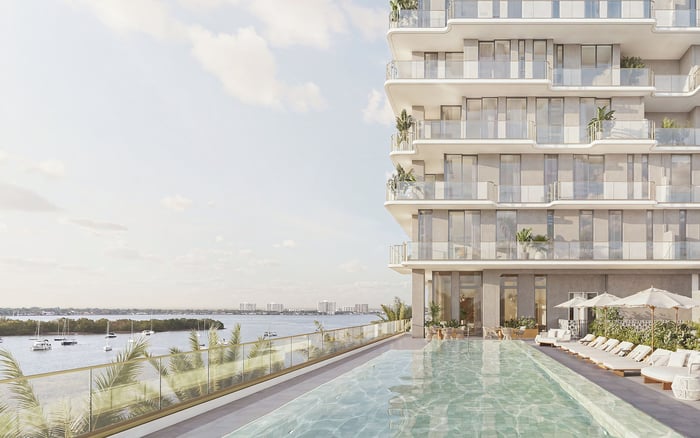
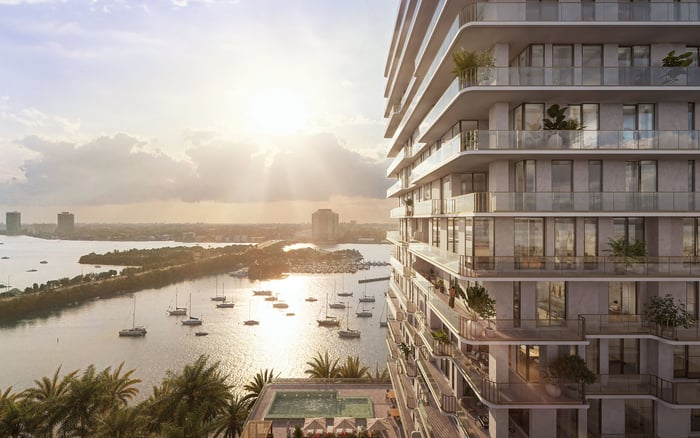
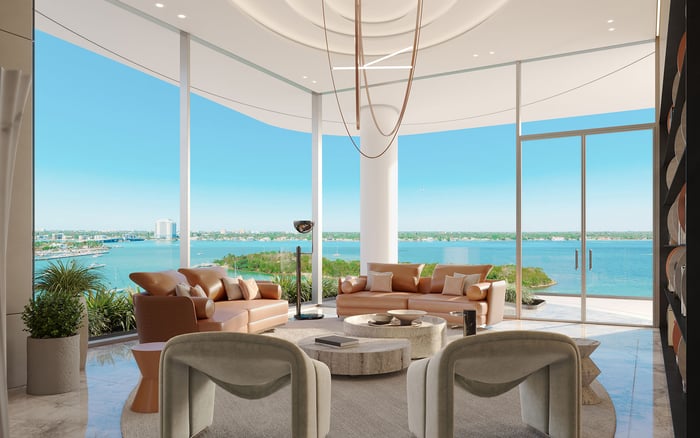
In North Bay Village, two pre-construction narratives are taking shape. Tula Residences North Bay Village is positioned as the quieter, more boutique choice, while Pagani North Bay Village leans into branded design presence and a more expressive island address. For buyers weighing privacy, wellness, and daily livability against statement architecture and stronger visual identity, the distinction is less about which project is better and more about which version of waterfront living feels most natural.
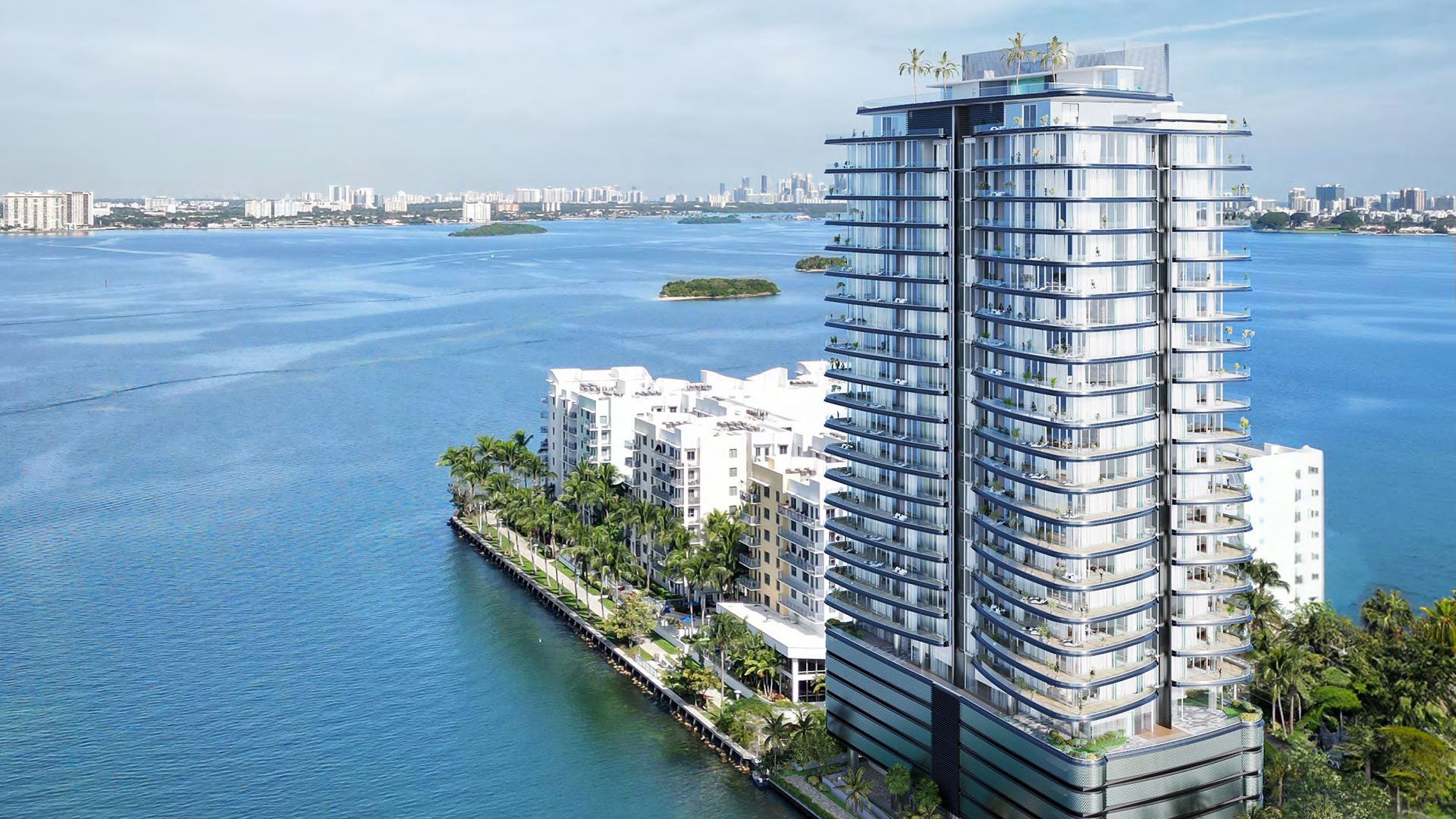
North Bay Village has become one of the most closely watched pockets of new construction in Miami-Dade because it offers a three-island setting in Biscayne Bay with direct access to both Miami and Miami Beach. For a buyer considering Tula Residences North Bay Village or Pagani North Bay Village, the real comparison is not simply finishes, branding, or entry pricing. It is temperament.
One project is generally positioned as the quieter boutique entry, oriented toward privacy, wellness, and a less performative kind of luxury. The other arrives as a more visible design statement, with the kind of branded presence that appeals to buyers who want their residence to feel like part home, part collectible object. Both belong to the same island narrative, but they interpret it differently.
For readers focused on South Florida luxury real estate, that distinction matters. In a market where luxury can mean either sanctuary or spectacle, North Bay Village is emerging as a place where both can exist side by side.
The appeal of North Bay Village begins with geography. The municipality spans Harbor Island, North Bay Island, and Treasure Island, creating a true island-living environment rather than a loosely used bayfront label. That positioning gives residents a sense of separation without sacrificing convenience, which is especially relevant for both second-home buyers and full-time users.
This is also a market where the broader development story reinforces confidence. Buyers exploring North Bay Village are not only comparing two buildings. They are evaluating an entire corridor being recast for a more design-conscious and service-oriented audience. Projects such as Continuum Club & Residences North Bay Village and Shoma Bay North Bay Village show that the area is no longer merely an insider alternative. It is becoming a defined luxury waterfront category of its own.
That matters when weighing boutique against branded. In an emerging submarket, smaller projects often feel more intimate and owner-centric, while branded projects can establish immediate recognition and sharpen the neighborhood’s profile. Tula and Pagani appear to sit on either side of that divide.
Tula’s appeal is best understood through restraint. It is positioned as a lower-density, more boutique proposition, the kind of residence that may suit buyers who value a softer social profile and a calmer arrival experience. The language surrounding the project tends to center on quiet luxury, wellness, and privacy rather than spectacle.
That makes Tula especially relevant for owner-occupants, pied-à-terre buyers who want ease rather than ceremony, and households that place a premium on discretion. In practical terms, this can translate into a preference for more contained common areas, a less crowded resident experience, and an atmosphere that feels residential first.
Its market positioning also suggests a relatively more accessible entry point than Pagani, while still remaining within the upper tier of North Bay Village new-project inventory. For some buyers, that creates a compelling proposition: bayfront access, contemporary luxury, and boutique scale without the obligation to buy into a high-visibility branded identity.
There is also a broader lifestyle cue here. If your benchmark for modern, wellness-driven living is the curated atmosphere seen at The Well Bay Harbor Islands, Tula is likely to feel more aligned with that mindset than with the theatricality of a design-label tower.
Pagani North Bay Village occupies a different emotional lane. It is framed as the more expressive architectural proposition, a branded waterfront condominium designed to stand out both visually and symbolically. For a certain buyer, that distinction is the point.
A branded residence signals more than styling. It suggests authorship, narrative, and a stronger sense of address. Buyers drawn to Pagani are likely responding to the prospect of landmark visibility, internationally legible design language, and a home that feels immediately recognizable in conversation. In an image-aware South Florida market, that can be a meaningful advantage.
The project is also generally described as larger in scale than Tula and more aligned with a resort-style amenity set, including the kinds of concierge, pool, spa, and entertainment spaces typically associated with a statement residential offering. Even when buyers plan to use only a portion of those amenities, the presence of a broader service environment often helps define the project’s appeal.
For comparison, the appeal is closer in spirit to what design-led buyers often admire in properties such as 888 Brickell by Dolce & Gabbana: residence as identity, architecture as declaration, and ownership as part lifestyle, part signature.
The cleanest way to compare these two residences is to ask what kind of luxury feels most natural to you.
Tula is likely the better fit for buyers who want their home to recede slightly from public view. That includes full-time residents, couples seeking a quieter waterfront base, and purchasers who value privacy over branding. These buyers may still care deeply about design, but they want that design to support daily life rather than define it.
Pagani is better suited to the purchaser who wants a stronger outward expression. That may include international buyers, style-conscious second-home owners, or anyone who sees a branded address as part of the asset’s long-term desirability. For them, the residence is not only a retreat. It is a statement.
This is why the comparison is more nuanced than price band alone. If Tula enters the conversation as the calmer, more boutique option and Pagani arrives with a more visible design signature, then the decision rests on identity as much as inventory. One feels composed. The other feels declared.
Market discussion places Tula at a lower entry threshold than Pagani, while Pagani is generally viewed as the more premium expression at the upper end. Those ranges can shift by view, floor, and residence type, but the strategic takeaway is clear: Tula appears to offer a quieter route into luxury island living, while Pagani seeks to command a premium for branding, scale, and statement value.
That does not automatically mean one represents stronger value than the other. In South Florida, value is often tied to buyer intent. If the goal is personal use with an emphasis on serenity, lower density, and everyday comfort, Tula’s proposition may feel more coherent. If the goal is to secure a residence with stronger signaling power and broader cachet, Pagani may justify the premium.
Buyers considering either project should also remember that pre-construction positioning can evolve. In North Bay Village, where momentum is building quickly, product perception, future neighboring development, and the eventual lived reality of the three-island environment will all shape the final hierarchy.
Tula Residences North Bay Village and Pagani North Bay Village are not competing for exactly the same buyer, even if they share the same island backdrop. Tula speaks to restraint, privacy, and wellness-centered living. Pagani speaks to design authorship, stronger visual identity, and a more public expression of luxury.
In a maturing North Bay Village market, that is a healthy sign. It means buyers are no longer choosing simply whether to live on the bay. They are choosing how they want that life to look and feel. For some, the answer will be boutique calm. For others, it will be a branded statement with unmistakable presence.
Is North Bay Village a true island-living location? Yes. The municipality spans three islands in Biscayne Bay, which gives both projects a genuine island setting between Miami and Miami Beach.
Is Tula Residences North Bay Village considered more boutique? It is generally positioned that way in the market, with a quieter and lower-density identity than larger branded projects.
Is Pagani North Bay Village the more design-driven option? Yes. Pagani is framed as the more visible statement-design address, with branding playing a central role in its appeal.
Which project is likely better for a privacy-focused buyer? Tula is the more natural fit for buyers who prioritize discretion, calm, and a more residential atmosphere.
Which project may appeal more to international buyers? Pagani may resonate more strongly with buyers seeking a recognizable branded address and a more expressive identity.
Are both projects considered pre-construction opportunities? They are discussed within the current wave of new-construction activity shaping North Bay Village’s luxury market.
Does Pagani likely have a broader amenity profile? It is generally presented with a more resort-style service and amenity mix than a boutique alternative.
Is Tula likely to have a lower entry point than Pagani? Market positioning suggests that Tula may enter at a lower threshold, while Pagani typically aims higher.
Are these homes better suited for primary use or second homes? Either can work for both, but Tula appears especially aligned with owner-occupants, while Pagani may have stronger second-home statement appeal.
What is the best way to shortlist comparable options for touring? Start with location fit, delivery status, and daily lifestyle priorities, then compare stacks and elevations to validate views and privacy.
For a discreet conversation and a curated building-by-building shortlist, connect with MILLION.
If branded residences are on your mind — as a home or as an allocation — we would be glad to share what we are seeing, privately.
Begin a quiet conversation