In South Florida, the difference between a mixed-use address that feels alive and one that feels exhausting is rarely the sales narrative. It is the choreography of sound, circulation, loading, lighting, tenant mix, and the ability to retreat. This MILLION guide shows buyers how to read those signals before committing.
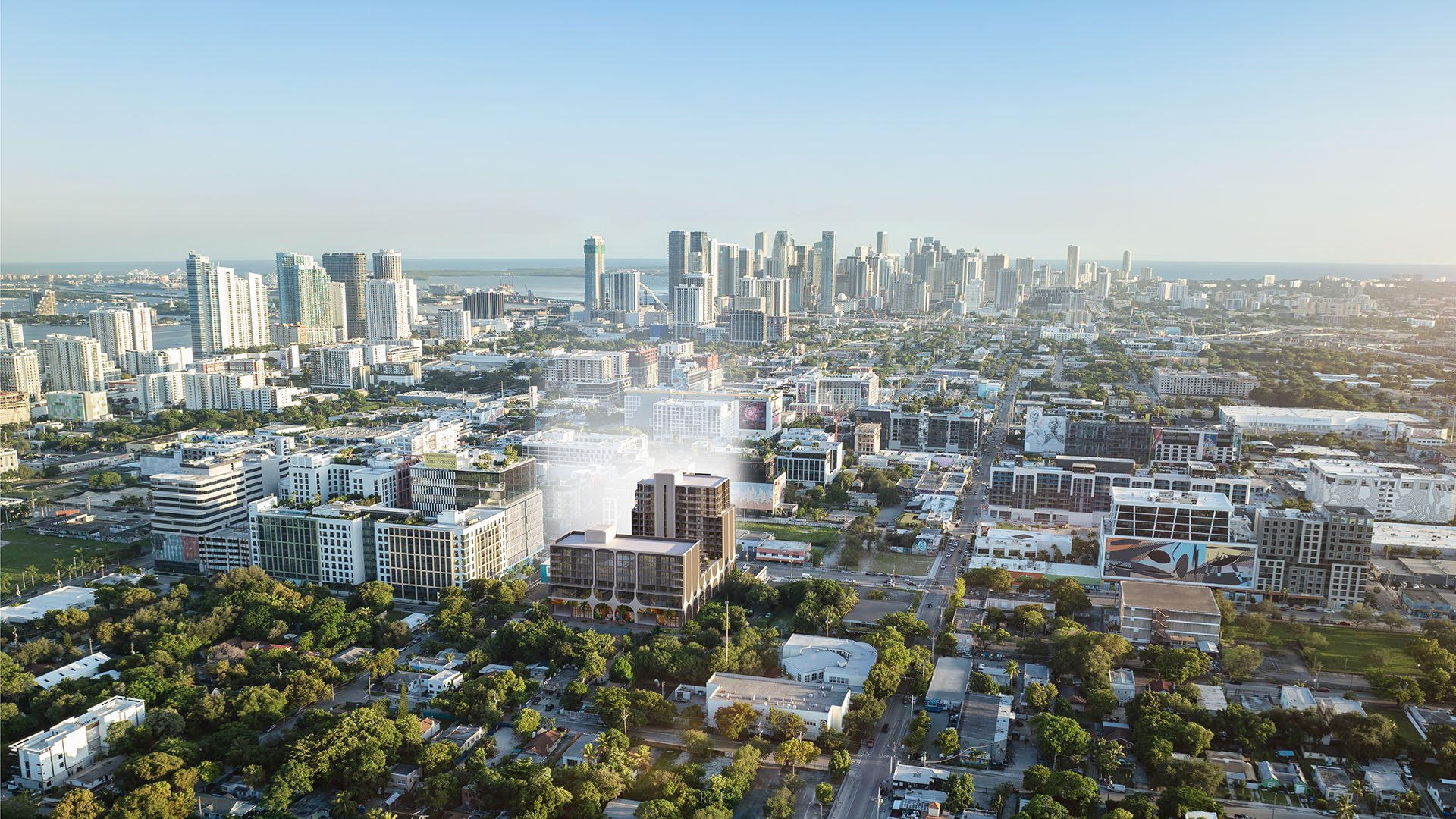
Mixed-use living can be one of South Florida’s most refined urban luxuries. Done well, it gives residents the ease of walking downstairs for coffee, wellness, dinner, or daily necessities while preserving the calm and discretion expected of a premium home. Done poorly, it can feel as though the public realm never fully ends.
That distinction matters in markets such as Brickell, Wynwood, Downtown Miami, and Coral Gables, where active ground floors and walkable districts are increasingly part of the residential proposition. A polished presentation may frame this as activation, lifestyle, and neighborhood energy. The more useful question is simpler: when you return home, does the building allow you to disengage from all of it?
The strongest projects make that answer clear. In neighborhoods where buyers are weighing urban convenience against private retreat, developments such as 2200 Brickell or ORA by Casa Tua Brickell are best judged not by branding, but by how clearly residential life is separated from the public-facing program around it.
Noise is usually the first sign that a mixed-use project will feel energizing or intrusive. Not all sound is equal. A low hum of daytime retail activity can read as cosmopolitan and reassuring. What tends to create conflict is prolonged activity outside residential quiet hours: late restaurant turnover, curbside pickups, idling vehicles, deliveries, trash movement, exhaust systems, and outdoor music that lingers after dark.
This is why buyers should listen for more than street chatter. Mechanical sound can be just as disruptive as people. Poorly isolated HVAC, plumbing, kitchen exhaust, and other building systems often transmit vibration and low-frequency noise into homes in ways that are harder to ignore because they feel constant and inescapable.
If you are considering a lower-floor residence or a unit near a commercial podium, ask specific questions. What sound-control assemblies separate residences from retail? Where are the exhaust vents? Which units sit above loading areas, trash rooms, garage ramps, or amenity decks? Marketing language about serenity means very little if the project cannot explain the practical details.
One of the clearest markers of quality is whether resident circulation is fully separate from public circulation. Dedicated entries, private lobbies, controlled elevators, and discreet drop-off patterns help preserve the feeling that you live in a residence, not above a shopping concourse.
This is particularly important in high-profile neighborhoods where foot traffic is part of the attraction. A project can be beautifully positioned and still feel intrusive if residents enter directly from a busy retail corridor or share too much of their arrival sequence with the public. In Miami Beach and Brickell, that threshold between city life and home often determines whether daily living feels sophisticated or performative.
When evaluating a new address, notice how many transitions sit between the sidewalk and your front door. The more deliberate the sequence, the better the odds of maintaining privacy. This is also why some buyers continue to favor projects that are close to mixed-use districts without being fully absorbed by them.
Street frontage is where mixed-use projects either create charm or chaos. The best ones feel human-scaled, active, and legible. They avoid blank stretches, but they also avoid overwhelming the residential experience with oversized commercial façades, nonstop curb friction, or a parade of competing storefront signals.
Look for buffers. A plaza, landscaped setback, forecourt, or transitional use between the sidewalk and homes can make an enormous difference. So can the placement of café seating, valet stands, rideshare pickup, and service access. If the edge condition is too compressed, energy spills upward and inward.
This issue becomes especially relevant in design-led districts such as Wynwood, where public programming can be part of the neighborhood identity. A residence such as Frida Kahlo Wynwood Residences may appeal to buyers who want to be immersed in an art-forward environment, but immersion should still come with boundaries. Confirm what event programming, entertainment, and outdoor activity actually mean in practice, including frequency, curfews, and where sound is directed.
Many buyers focus on whether the retail component sounds upscale. A better question is whether the uses are compatible with residential life by time of day. Offices, wellness concepts, boutique services, and daytime-oriented food uses are generally easier neighbors than nightlife-heavy tenants, entertainment venues, or restaurants with extended closing hours.
A glamorous roster does not guarantee a comfortable home. In fact, the most intrusive projects are often those whose commercial mix is optimized for destination traffic rather than for the people living above it. Outdoor dining and branded programming may feel lively in a brochure and exhausting at 11 p.m.
For that reason, some luxury buyers are drawn to projects with a more controlled or primarily residential character, such as The Well Coconut Grove, while still wanting access to walkable neighborhood amenities nearby. The ideal balance is optionality: proximity to services when you want them, separation when you do not.
The standard daytime tour rarely tells you enough. Mixed-use buildings should be experienced during likely conflict windows: lunch rush, school pickup, early evening dining, late-night closing, and weekend peak periods. What seems orderly at 11 a.m. may feel very different when deliveries stack up, valets cycle, and restaurant patrons linger.
Pay attention to small indicators. Do vehicles queue at the curb? Is there honking or idling? Are garage entries close to residential windows? Does music carry into courtyards? Do lower-floor homes feel exposed to signage or bright exterior lighting? These details often shape daily comfort more than any rendered amenity deck.
If the building is already operating, due diligence should also include reviewing house rules and complaint patterns where available. Established operations reveal more than preconstruction language because tenant behavior, service schedules, and management discipline become visible over time.
For a luxury buyer, the decision often comes down to whether the project offers genuine choice. Can you move easily between residence and neighborhood while still enjoying a controlled, quiet retreat? If yes, the development is more likely to feel energizing than intrusive.
Before committing, ask for the rules on deliveries, trash pickup hours, outdoor music, event permits, retail closing times, and service access. Review where the loudest back-of-house functions are located. Favor units facing quieter streets or internal orientations when the project fronts a major dining corridor. Be especially cautious with low floors above retail, garages, loading, or entertainment uses, and recognize that high floors often provide more separation from both sound and lighting spill.
In the end, the best mixed-use addresses do not ask residents to tolerate public energy. They curate it, contain it, and give it a clear stopping point.
What is the clearest sign a mixed-use project may feel intrusive? Persistent sound is usually the first warning, especially at night or during service periods rather than during a polished daytime tour.
Are restaurants always a negative in mixed-use living? Not necessarily. Daytime dining can feel convenient, while late operating hours, deliveries, and curbside pickup are what most often create friction.
Why do separate resident entrances matter so much? They preserve privacy, control arrivals, and prevent the building from feeling as though public activity extends into residential life.
Should buyers worry more about people noise or mechanical noise? Both matter, but mechanical vibration from HVAC, exhaust, and plumbing can be especially disruptive because it feels constant.
Which units usually carry the highest risk? Residences above retail, loading, garage ramps, trash rooms, or active amenity decks typically deserve the closest scrutiny.
Is a highly curated district always better for residents? Not always. A beautifully programmed area can still feel intrusive if foot traffic, events, and lighting are not buffered from homes.
What kind of tenant mix is usually most compatible with luxury residences? Offices, wellness, and neighborhood services often coexist more comfortably with residential life than nightlife-oriented tenants.
When should I visit a mixed-use project before buying? Go during lunch rush, evening dining hours, and late-night closing periods to see how the project behaves under real pressure.
Do governance documents matter in luxury mixed-use buildings? Yes. House rules and operating standards often tell you more about future livability than sales-center language.
What is the best way to shortlist comparable options for touring? Start with location fit, delivery status, and daily lifestyle priorities, then compare stacks and elevations to validate views and privacy.
For a confidential assessment and a building-by-building shortlist, connect with MILLION.
If branded residences are on your mind — as a home or as an allocation — we would be glad to share what we are seeing, privately.
Begin a quiet conversation