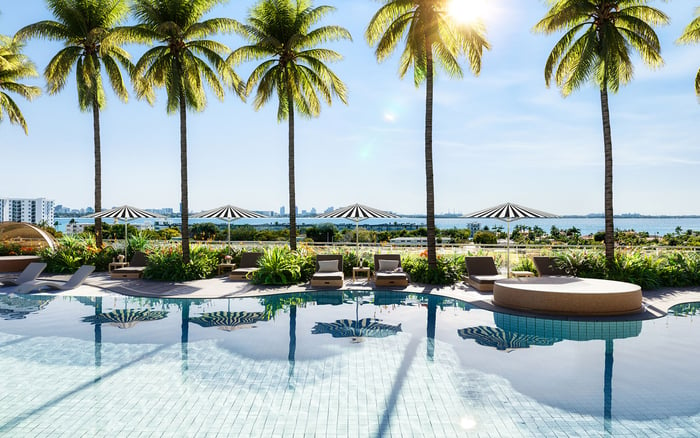
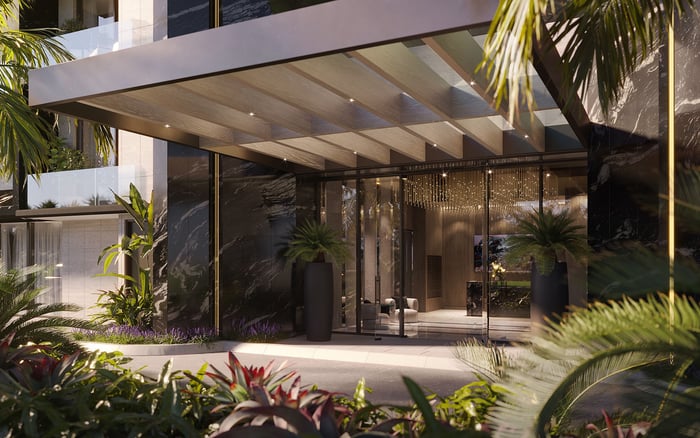
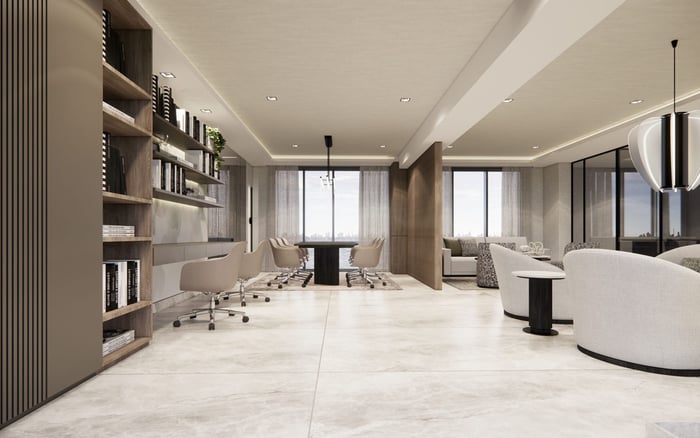
A buyer-focused comparison of Tula Residences North Bay Village and Alma Bay Harbor Islands, examining whether a redevelopment-driven waterfront district or a calmer island lifestyle better suits South Florida luxury preferences.
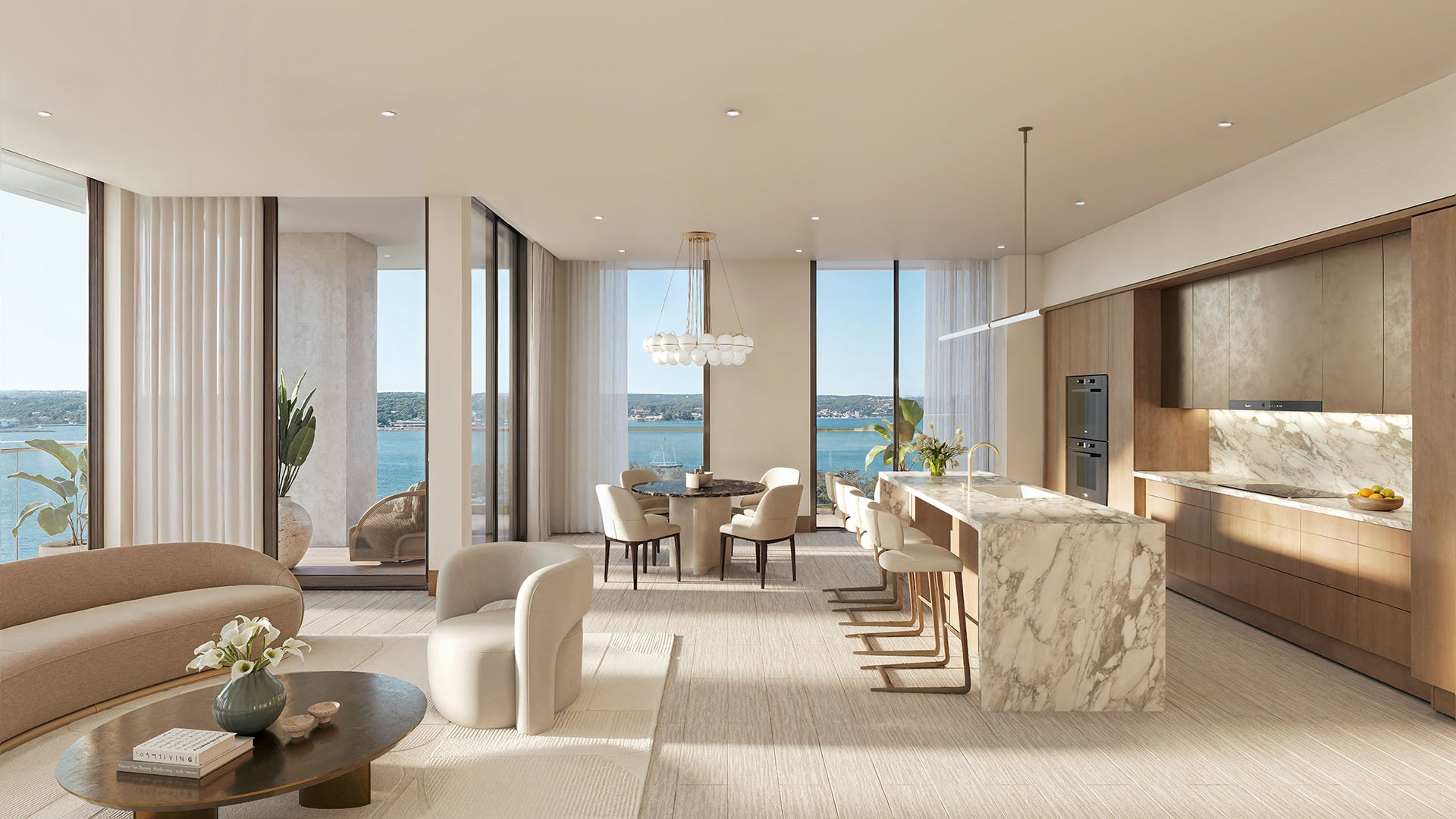
South Florida luxury buyers often compare homes that look similar on a map but deliver very different daily experiences. That is the case with Tula Residences North Bay Village and Alma Bay Harbor Islands. Both center the appeal of bayfront living, yet the real distinction is not simply architecture or amenities. It is lifestyle orientation.
Tula fits into a broader North Bay Village conversation shaped by transformation, walkability, and a more connected waterfront district. Alma Bay, by contrast, aligns with Bay Harbor Islands preferences for a quieter, more settled island routine where the residential atmosphere matters more than neighborhood change.
For luxury buyers, the choice comes down to a familiar question: do you want to live within an emerging destination, or retreat into an already established island cadence?
Tula’s appeal extends beyond a standalone building. Its identity is tied to a North Bay Village setting that feels more connected to movement, walkability, and a contemporary waterfront lifestyle. Buyers considering Tula are often looking not just at the residence itself, but at how the surrounding area may shape their daily experience.
That orientation tends to appeal to a specific kind of purchaser: someone who values convenience, neighborhood energy, and a more integrated bayfront environment. It is a profile that also appears in conversations around Pagani North Bay Village and Continuum Club & Residences North Bay Village, where buyers are often drawn to the sense that the area is still evolving.
For a buyer with an investment lens, that future-facing positioning can be compelling. North Bay Village often attracts attention from purchasers who care about both the residence and the trajectory of the immediate neighborhood.
Alma Bay presents a different proposition. In Bay Harbor Islands, the attraction is less about public activation and more about residential calm. The project reads as island-oriented, private in tone, and lower-density in feel. Rather than leaning into a broader district narrative, it speaks more directly to day-to-day ease and a quieter waterfront routine.
That difference shapes the lifestyle. A buyer drawn to Alma Bay is less likely to prioritize a neighborhood hub outside the door and more likely to value privacy, waterfront leisure, and a sense of remove. It is a setting that favors routine over reinvention.
This places Alma Bay alongside other Bay Harbor Islands projects such as Onda Bay Harbor and The Well Bay Harbor Islands, where the appeal is rooted in island living rather than area-wide transformation.
For a second-home buyer, Alma Bay may feel especially intuitive. It offers a more settled island rhythm without requiring buyers to anchor their decision to a broader growth story.
The clearest way to compare these two projects is through buyer psychographics. Tula speaks to connectivity, while Alma Bay speaks to seclusion.
At Tula, the waterfront story feels more integrated with the surrounding neighborhood. The emphasis on walkability suggests a resident who wants to move easily through the area and enjoy a bayfront lifestyle shaped by access and activity. This is a more urban expression of luxury, even in a distinctly waterfront setting.
At Alma Bay, the waterfront story is more private and lifestyle-driven. The appeal is not what the broader neighborhood may become, but how the island already feels today. Buyers who want a calmer cadence, with fewer cues of change around them, may find Alma Bay easier to understand immediately.
In luxury terms, Tula offers participation. Alma Bay offers withdrawal. Neither is inherently superior; the right fit depends on how a buyer defines comfort, prestige, and permanence.
One practical difference is how clearly each project fits into its surrounding neighborhood narrative. Tula is often easier to frame because North Bay Village is discussed in terms of ongoing evolution and waterfront momentum. That makes the strategic logic of the location more visible to buyers who like to evaluate both product and place.
Alma Bay can feel more discreet by comparison. That private aura may be attractive to buyers who prefer intimacy over a broader civic story. For others, especially those who like to assess location trajectory alongside residential quality, Tula may feel more legible.
This does not make one stronger than the other. It simply sharpens the decision between a residence tied to visible neighborhood evolution and one tied to a quieter island identity.
Choose Tula if your priorities include walkability, mixed-use convenience, and the energy that comes with a growing waterfront setting. It is especially well suited to buyers who want their residence to feel connected to a wider neighborhood composition rather than a purely inward-facing retreat.
Choose Alma Bay if your priorities center on privacy, lower-density living, and a calmer island atmosphere. It is better suited to buyers who are not focused on future district upside, but instead want a polished residential address in an established setting.
There is no universal winner here. The distinction is lifestyle architecture: Tula suits the buyer who wants to live within evolution, while Alma Bay suits the buyer who wants the reassurance of a place that already knows itself.
For buyers choosing between the two, the most useful question is not which project is more luxurious. It is which form of luxury you will actually use.
If luxury means access, movement, and alignment with a waterfront district that feels dynamic, Tula has the stronger case. If luxury means privacy, calm, and a more settled residential rhythm, Alma Bay stands apart. In South Florida, that micro-location distinction often matters more than any showroom comparison.
Is Tula Residences North Bay Village more urban in feel than Alma Bay Harbor Islands? Yes. Tula is positioned around a more connected and walkable North Bay Village setting, while Alma Bay reads as more private and residential.
Is Alma Bay Harbor Islands better for buyers who want a quieter routine? Generally, yes. Its appeal is centered on an established island atmosphere and a calmer day-to-day rhythm.
Does Tula benefit from North Bay Village’s broader growth narrative? Yes. Buyers often view Tula in the context of North Bay Village’s evolving waterfront identity.
Is Alma Bay part of the same type of mixed-use neighborhood conversation as Tula? No. Alma Bay is framed more as a residential island address than a broader neighborhood hub.
Which project suits buyers focused on walkability? Tula is the stronger fit for buyers prioritizing pedestrian access and a more connected waterfront environment.
Which project feels more private? Alma Bay. Its positioning emphasizes seclusion, waterfront ease, and a more insulated residential experience.
Is this comparison mainly about amenities? No. The more important difference is buyer psychology: connectivity at Tula versus seclusion at Alma Bay.
Does Tula have a more public-facing waterfront identity? Yes. Its appeal is tied more closely to movement, neighborhood energy, and the surrounding bayfront setting.
Why might an investment-minded buyer prefer Tula? Because some buyers may prefer a residence connected to an area they perceive as evolving over time.
Who should choose Alma Bay over Tula? Buyers who value a settled island setting, lower-density surroundings, and a more discreet residential routine are likely better served by Alma Bay.
For a tailored shortlist and next-step guidance, connect with MILLION.
If branded residences are on your mind — as a home or as an allocation — we would be glad to share what we are seeing, privately.
Begin a quiet conversation