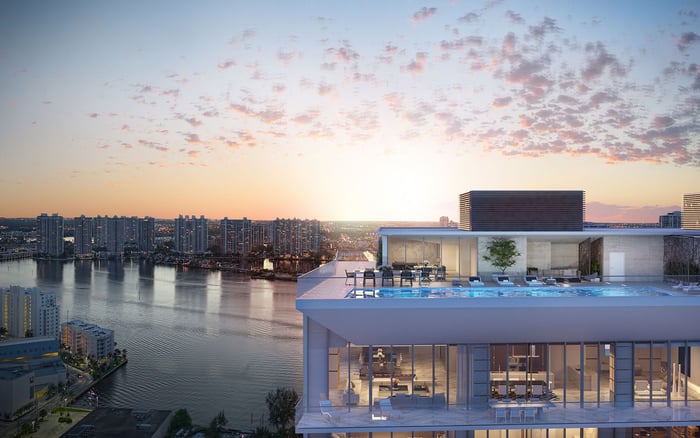
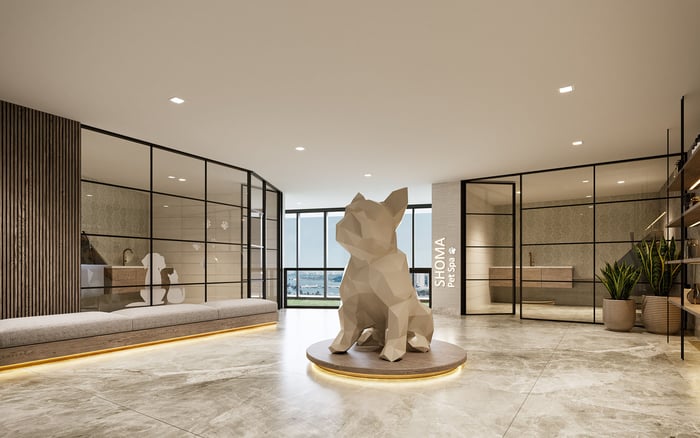
A discreet buyer’s guide for Toronto residents considering Sunny Isles Beach as a primary base, with emphasis on lifestyle continuity, advisory coordination, and building selection.
For a Toronto buyer, choosing primary residence status in South Florida is not simply a matter of acquiring a condominium with a warmer winter view. It is a deliberate repositioning of daily life, family routines, professional records, financial relationships, and long-term intent. The residence may be the visible symbol, but the decision is ultimately measured by consistency.
Sophisticated buyers therefore treat the move as both a real estate decision and a personal governance exercise. Before contracts are signed, they typically coordinate counsel, accounting, banking, insurance, estate planning, and family logistics. The objective is not to create a paper story after the fact. It is to establish a life pattern in which the South Florida home is genuinely central.
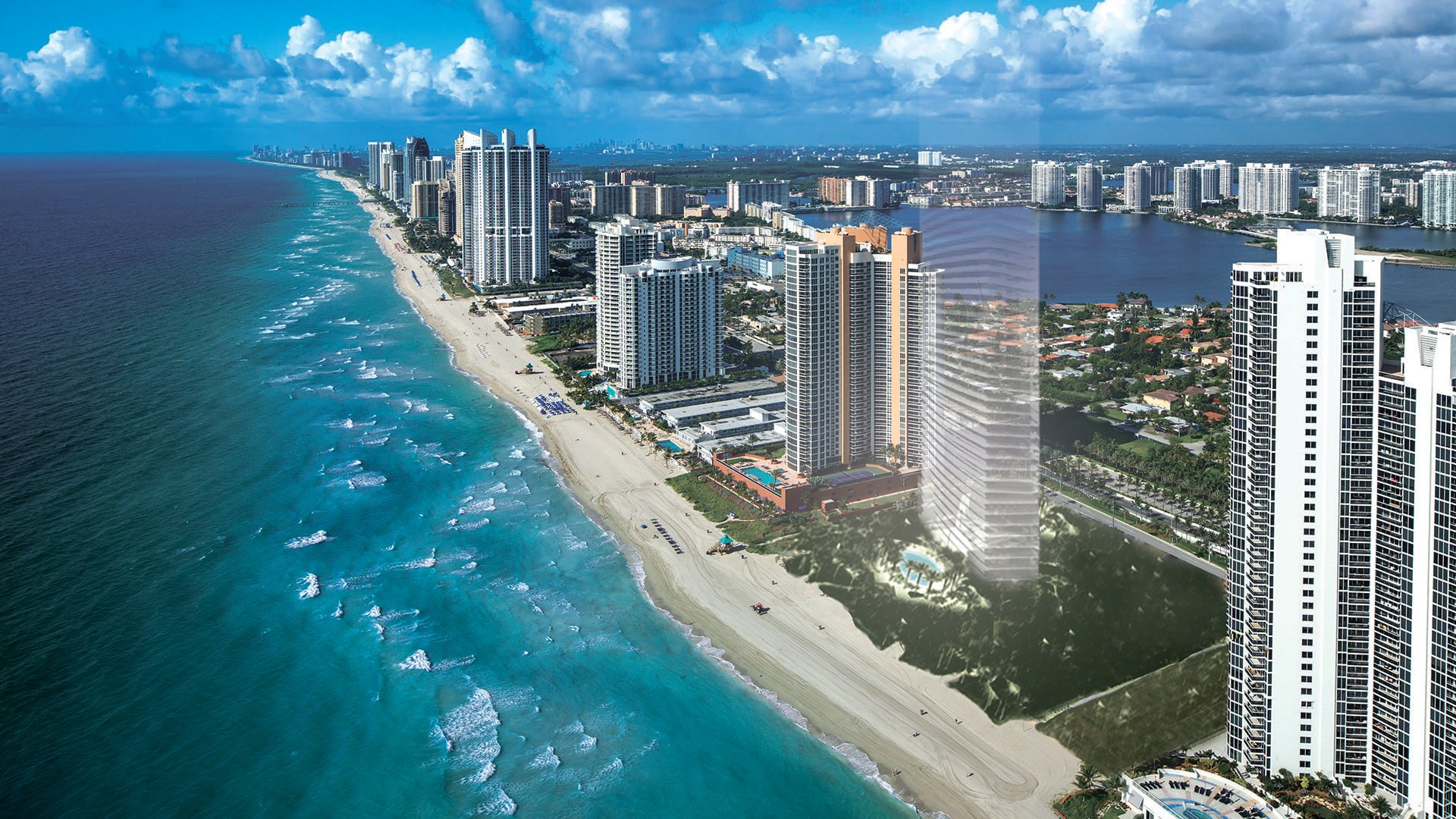
Sunny Isles Beach can be especially compelling for this transition because it offers a polished residential rhythm rather than a purely resort cadence. Oceanfront living, secure buildings, generous views, valet arrival, and a strong sense of privacy make it attractive to buyers who want South Florida to feel established, not temporary.
Primary residence status is built around intent, but intent must be supported by conduct. A buyer may love a new waterfront home, yet the broader record should tell the same story: where daily routines occur, where personal affairs are managed, where family life is organized, and where long-term plans point.
For Toronto households, the essential early step is to avoid treating the residence decision as a single closing event. A deed or purchase contract may be important, but it does not replace practical alignment. Calendar patterns, service addresses, professional records, memberships, healthcare relationships, and household management should be reviewed as part of the move.
This is also where discretion matters. Ultra-high-net-worth buyers often have layered business interests, multiple homes, and family obligations across jurisdictions. The cleanest approach is usually a coordinated plan that anticipates how the move will be viewed by advisers on both sides of the border. A beautiful apartment is only one chapter. The larger narrative is how the owner actually lives.
Sunny Isles Beach has long appealed to buyers who want the daily calm of a residential oceanfront address with access to the broader Miami and Fort Lauderdale corridor. For a Toronto family accustomed to international travel, private services, and a high standard of building management, the area can feel both elevated and practical.
The best fit often depends on how a buyer expects to live. A household seeking a highly serviced vertical residence may look closely at St. Regis® Residences Sunny Isles as part of a primary-home search. Buyers drawn to dramatic design and a statement arrival may consider Bentley Residences Sunny Isles, particularly when privacy and automobile-focused convenience are part of the lifestyle brief.
Other buyers may prefer the familiarity of a globally recognized hospitality name. In that context, The Ritz-Carlton Residences® Sunny Isles can enter the conversation for those who want their South Florida base to feel managed, polished, and suitable for frequent family use.
One of the most common mistakes is to blur primary residence planning with second-home or investment logic. A second home can be used frequently and loved deeply, yet still remain supplemental. An investment purchase may be evaluated through rental flexibility, liquidity, timing, or portfolio exposure. A primary residence requires a different lens.
For a primary home, buyers should ask more intimate questions. Can the apartment support everyday storage, work habits, visiting family, wellness routines, and quiet mornings? Does the building feel comfortable outside peak season? Is the neighborhood suited to grocery runs, medical appointments, dining, airport access, and regular guests? These details may seem ordinary, but ordinary life is exactly what separates a primary residence from a vacation property.
A buyer who wants a refined oceanfront address with a more established tower profile may compare Regalia Sunny Isles Beach with newer offerings. Meanwhile, a Toronto buyer still weighing whether South Florida should be primary or part of a broader urban portfolio might also study Brickell, where Baccarat Residences Brickell speaks to a different city-centered lifestyle.
This perspective is especially relevant because the correct answer is not always the most expensive residence. It is the property that best supports the buyer’s declared life.
Before announcing a relocation socially or professionally, buyers should align the private architecture of the move. That includes advisers, family office procedures where applicable, address transitions, documentation protocols, and a schedule for shifting personal affairs. A fragmented timeline can create avoidable ambiguity.
The home search should also reflect practical permanence. Full-time living favors buildings with strong service culture, reliable access, thoughtful arrival sequences, privacy, and floor plans that do not feel like hotel suites after several months. Storage, staff access, pet routines, terraces, guest accommodations, and work areas can matter as much as finishes.
Families should also discuss schooling, elder care, travel rhythm, and household staffing early. These topics are not decorative. They are the infrastructure of residence. A South Florida address becomes more credible when the buyer’s life is visibly reorganized around it.
Sunny Isles Beach is a natural candidate for buyers who want oceanfront calm, privacy, and a residential skyline. Brickell may suit those who want a denser financial and dining environment. Coconut Grove, Coral Gables, Bal Harbour, Surfside, Fort Lauderdale, Boca Raton, and Palm Beach each answer a different version of the primary-home question.
For Toronto buyers, the best search begins with a written lifestyle brief. Define the intended use first, then test each building against it. How often will the owner be in residence? Will adult children visit? Is entertaining formal or quiet? Is proximity to airports more important than beach frontage? Is the purchase meant to simplify life or expand optionality?
Primary residence status should feel aligned with the property, the documents, and the daily routine. When those elements move together, the transition from Toronto to Sunny Isles Beach can become less about escape and more about permanence.
Does buying in Sunny Isles Beach automatically make it my primary residence? No. A purchase can support a residence plan, but primary status depends on a broader pattern of intent, use, records, and daily life.
Should I speak with advisers before choosing a property? Yes. Cross-border buyers should coordinate legal, tax, estate, and financial advisers before relying on any residence strategy.
Is Sunny Isles Beach better for primary living or vacation use? It can support either, but primary buyers should focus on year-round comfort, privacy, services, and daily convenience.
How is a primary residence different from a second home? A primary residence is organized around daily life and long-term intent, while a second home is generally supplemental to another base.
Can an investment property also become my primary residence? It may be possible in some circumstances, but the plan should be reviewed carefully because the objectives and records can differ.
What building features matter most for full-time use? Storage, security, service quality, access, parking, work areas, and guest flow often matter as much as views and finishes.
Should Toronto buyers compare Brickell with Sunny Isles Beach? Yes. Brickell offers a more urban rhythm, while Sunny Isles Beach is typically considered for oceanfront residential living.
How early should I organize address and household changes? Early coordination is prudent because residence planning is stronger when personal records and daily routines move in an orderly way.
Is privacy important in this decision? Yes. Many luxury buyers value buildings and neighborhoods that allow a quieter transition with controlled access and discreet services.
What is the first step for a serious buyer? Begin with a lifestyle brief and advisory review, then select properties that support the intended primary residence pattern.
For a discreet conversation and a curated building-by-building shortlist, connect with MILLION.
If branded residences are on your mind — as a home or as an allocation — we would be glad to share what we are seeing, privately.
Begin a quiet conversation