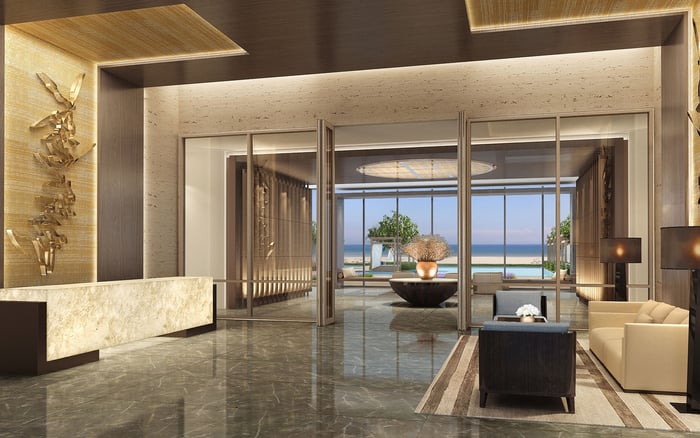
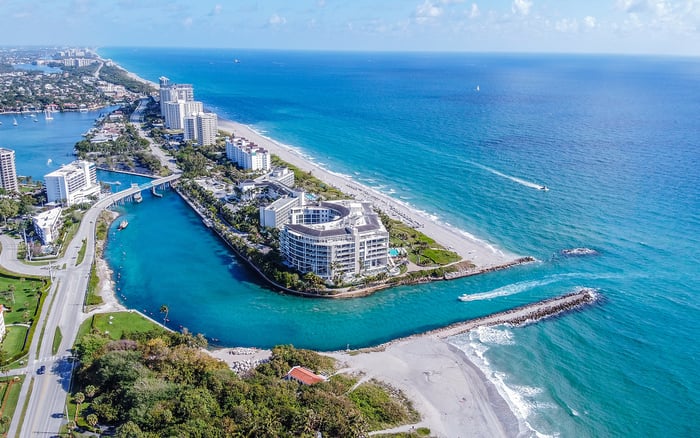
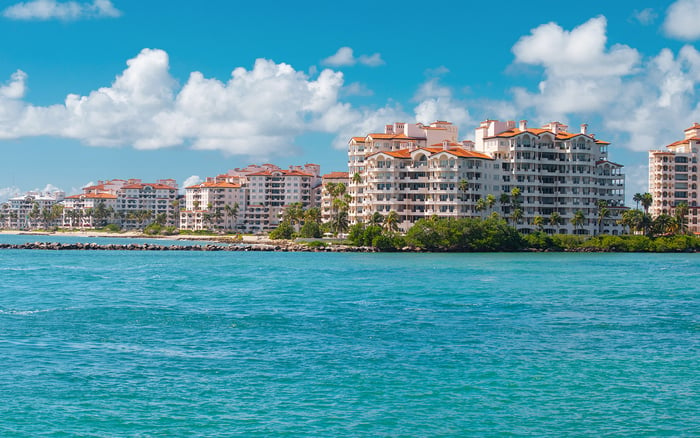
In South Florida, the most persuasive amenity is not always the infinity pool or the private elevator. For a certain buyer, the true upgrade is access: a keyed pathway from residence to shoreline, a reserved chair in a managed cabana program, and a membership structure that turns “beach day” into a concierge-led routine. This MILLION Luxury editorial outlines what “exclusive membership to an adjoining beach club” typically means in practice, what to verify before you buy, and a ranked list of six condominium categories that best align with that lifestyle across Miami Beach, Surfside, Sunny Isles, Bal Harbour, and Key Biscayne.
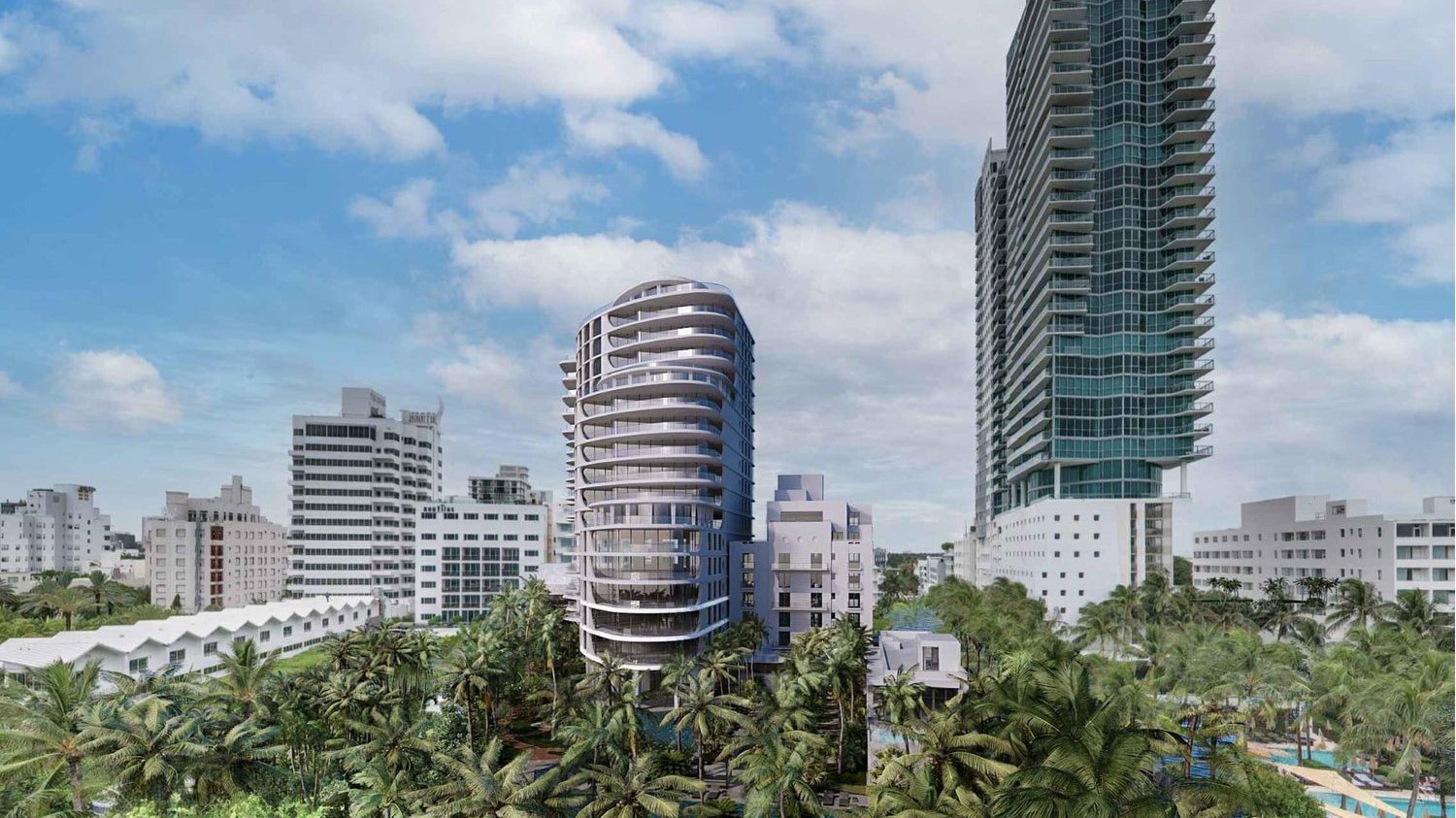
A private beach club relationship is less about a logo on a membership card and more about a dependable routine: where you arrive, who sets up, how your guests are welcomed, and whether the experience is truly insulated from day-pass traffic. At its best, the beach functions as an extension of the building’s hospitality layer-complete with storage, attentive service, and quiet standards that read more like a private club than a public shoreline.
For South Florida buyers balancing multiple homes, this distinction is practical: time is the constraint. If getting from residence to sand requires off-site reservations, hauling gear, or competing for space, the beach becomes an occasional luxury. When access is integrated and properly staffed, it becomes a default.
Because the structure varies by property and by neighborhood, treat “exclusive membership” as an opening claim-not the conclusion. Before you buy, get clear on four operational questions.
First, confirm transferability. Some privileges are attached to ownership and convey with the unit; others are discretionary, capped, or require reapplication at resale.
Second, define what is actually included. The most meaningful inclusions go beyond loungers and umbrellas to include towel service, food and beverage access, storage for boards and inflatables, and priority for cabanas during peak weekends.
Third, verify true adjacency. “Adjoining” is strongest when it means direct beachfront positioning or a controlled private crossing. A club reached by shuttle or a long walk can still be excellent, but it delivers a different lifestyle than stepping out of the lobby and reaching the sand within minutes.
Finally, evaluate culture and cadence. Some clubs are built for energetic afternoons and social dining; others favor quiet, family-forward mornings and a slower pace. The right fit is the one that matches how you actually live in Miami Beach, Surfside, Sunny Isles, Bal Harbour, or Key Biscayne.
1. South of Fifth oceanfront towers - walkout-to-service beach culture
South of Fifth is designed for buyers who want the beach to feel immediate, curated, and social-without giving up residential privacy. The strongest buildings pair direct ocean access with a hospitality mindset: consistent staffing, familiar faces, and a routine that holds whether you arrive at 9 a.m. or late afternoon.
This profile fits owners who treat Miami Beach as a true second home, with friends rotating through and a preference for structured service over self-managed beach days.
2. Surfside’s low-key luxury corridor - calm, controlled, and refined
Surfside attracts buyers who want beachfront access with a quieter soundtrack. The adjoining beach club dynamic here often emphasizes order, discretion, and a more residential rhythm-especially appealing for those who use the shoreline as a daily wellness ritual.
If your ideal beach day is an early swim, a long walk, and then a serene setup with minimal commotion, this profile typically delivers.
3. Sunny Isles ultra-luxury beachfront - scale, staffing, and predictable service
Sunny Isles often suits owners who appreciate clearly defined systems: valet flow, elevator access, strong building staffing, and a beach operation built to handle volume while still feeling premium. When beach club privileges are integrated well, the result is a reliably executed routine-even on peak holiday weekends.
This profile typically aligns with buyers who prioritize full-service living and want the shoreline to perform for both family use and entertaining.
4. Bal Harbour oceanfront prestige - privacy-forward shoreline access
Bal Harbour draws a particular client: brand-aware, privacy-minded, and committed to an elevated but understated lifestyle. The adjoining beach club component here is often about separation and calm, delivering a shoreline experience that feels buffered from the broader noise of Miami.
For many owners, the appeal is restraint: fewer variables, fewer crowds, and a daily beach routine that feels intentionally composed.
5. Key Biscayne beachfront living - residential cadence with beach club convenience
Key Biscayne moves to its own rhythm: neighborhood energy, family-friendly patterns, and a strong bias toward outdoor living. In the right condominium setting, beach club access can make day-to-day life feel effortless and repeatable-especially for owners who want mornings on the sand and afternoons in a quieter residential environment.
This profile works well for buyers who want beachfront access without the constant pulse of Miami Beach.
6. Boutique oceanfront buildings - fewer residences, more personal beach routines
In boutique properties, the “club” experience can feel notably personal. With fewer residences drawing on the same beach operation, service often becomes more tailored: preferred chair placement, familiar staff, and a setup that feels customized rather than standardized.
This is a strong match for buyers who value intimacy over spectacle and prefer a quieter building where the beach day feels like a private extension of home.
The most useful approach is to separate marketing language from operational reality. Ask to walk the exact route you will take from unit to sand. Watch for friction points: elevator bottlenecks, lobby transitions, security checkpoints, and whether staff engagement feels consistent.
Next, focus on the micro-amenities that determine everyday satisfaction. Is there a dedicated place to rinse off and change before heading back upstairs? Is there meaningful shade infrastructure? Are towels handled seamlessly, or are residents carrying them? Does food and beverage service feel integrated-or like an add-on?
Finally, notice who actually uses the space. A beach club that fits your lifestyle is not just about aesthetics; it is about the room tone. Some buyers want a social scene with music and energy. Others want a quieter, wellness-forward environment where conversations stay low and the ocean remains the main soundtrack.
Buyers often overpay for the concept of exclusivity without confirming the mechanics. If beach privileges can be altered, capped, or separated from ownership, the premium is inherently fragile. Conversely, value can hide in properties where the beach operation is exceptionally well run but not aggressively marketed.
There is also a meaningful difference between “private beach access” and a true club relationship. Access alone can be a gate and a path. A club relationship implies a managed experience-staffing, service standards, and the operational discipline that makes the beach feel effortless.
For buyers splitting time between Brickell and the shoreline, it can help to compare what you are truly paying for. A skyline residence may deliver dramatic views and dining proximity, but the beach club lifestyle is its own category of luxury-one with daily utility that is difficult to replicate.
Miami-beach, Surfside, Sunny-isles, Bal-harbour, and Key-biscayne each offer a distinct version of beachfront living.
Miami Beach can read more dynamic, especially for owners who like to move from a beach day into an evening out. Surfside often feels calmer and more precise. Sunny Isles tends to be structured and full-service at scale. Bal Harbour leans toward privacy and prestige. Key Biscayne offers a residential cadence that many families find intuitive.
If you are considering newer construction elsewhere as part of a broader lifestyle portfolio, it can be useful to track non-beach neighborhoods for contrast, such as 888 Brickell by Dolce & Gabbana for a design-forward downtown axis, Una Residences Brickell for a waterfront Brickell sensibility, or Five Park Miami Beach for a Miami Beach hub that complements a beach-oriented routine. For buyers looking north for a different pace, Alina Residences Boca Raton can serve as a useful comparison point for amenity programming outside the immediate oceanfront club context.
A beach club perk is only as strong as the documents and the operating budget behind it. Confirm whether the beach club component is embedded in association governance, whether separate fees apply, and what happens during renovations, storms, or operational changes.
Clarify guest rules early. Many owners care less about the number of chairs and more about how friends and family are accommodated. If your beach days typically include guests, the club’s policies can materially shape the experience.
Lastly, ask about staffing continuity and service standards. The best beach operations feel consistent because they run on repeatable processes, adequate staffing, and a clearly enforced standard of care. That consistency is what turns a shoreline perk into a daily ritual.
What qualifies as an “adjoining” beach club for a condominium? Typically, it means direct proximity and a controlled, easy path from the building to a managed beach setup.
Does beach club membership usually transfer when you sell the condo? It depends on the property; confirm transferability and any reapplication requirements in the governing documents.
Are beach club fees separate from condo association dues? Often yes, either as a separate membership fee or a bundled amenity cost; review the current fee schedule.
Is “private beach” actually private in South Florida? Shorelines are generally public; exclusivity is usually created through controlled service, seating, and access.
What should I look for during a tour to judge the beach experience? Walk the route to the sand, note friction points, and observe whether staff and setup feel consistent.
How important are cabanas compared to standard loungers? Cabanas matter most for families and all-day use; for shorter visits, seamless lounger service is often enough.
Do boutique buildings provide better beach service than larger towers? They can, because fewer residents share the setup; the tradeoff is sometimes fewer total resources.
Which areas feel quieter for a club-style beach routine? Surfside and Bal-harbour often feel more restrained, while some Miami-beach pockets can be more energetic.
Can a beach club setup be changed after I buy? Yes; operations can evolve with budgets, vendors, and rules, so document-backed clarity is essential.
What is the best way to compare two buildings with similar beach access? Compare transferability, fees, guest rules, staffing levels, and physical adjacency to the shoreline.
For a confidential assessment and a building-by-building shortlist, connect with MILLION Luxury.
If branded residences are on your mind — as a home or as an allocation — we would be glad to share what we are seeing, privately.
Begin a quiet conversation