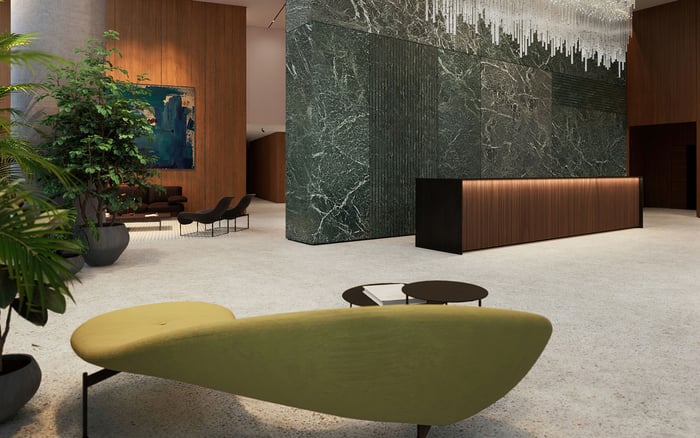
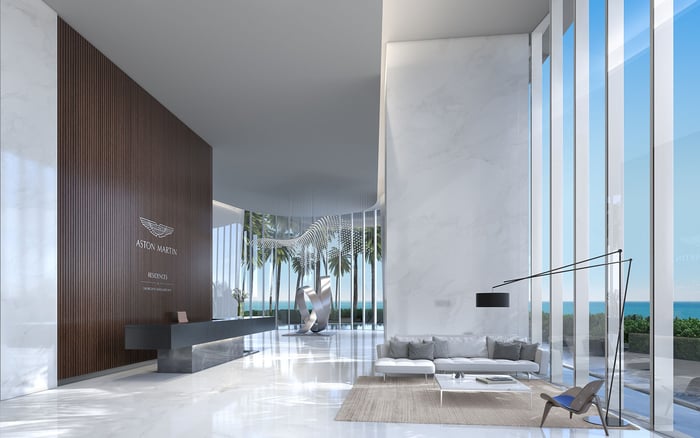
Turnkey, designer-led furniture packages are becoming a decisive advantage in Miami’s new luxury condo market, reducing decision fatigue while protecting the architectural intent of a residence. For buyers who value time, discretion, and a predictable move-in timeline, the right program can deliver a home that reads as bespoke without the months of sourcing, procurement, and installation management.
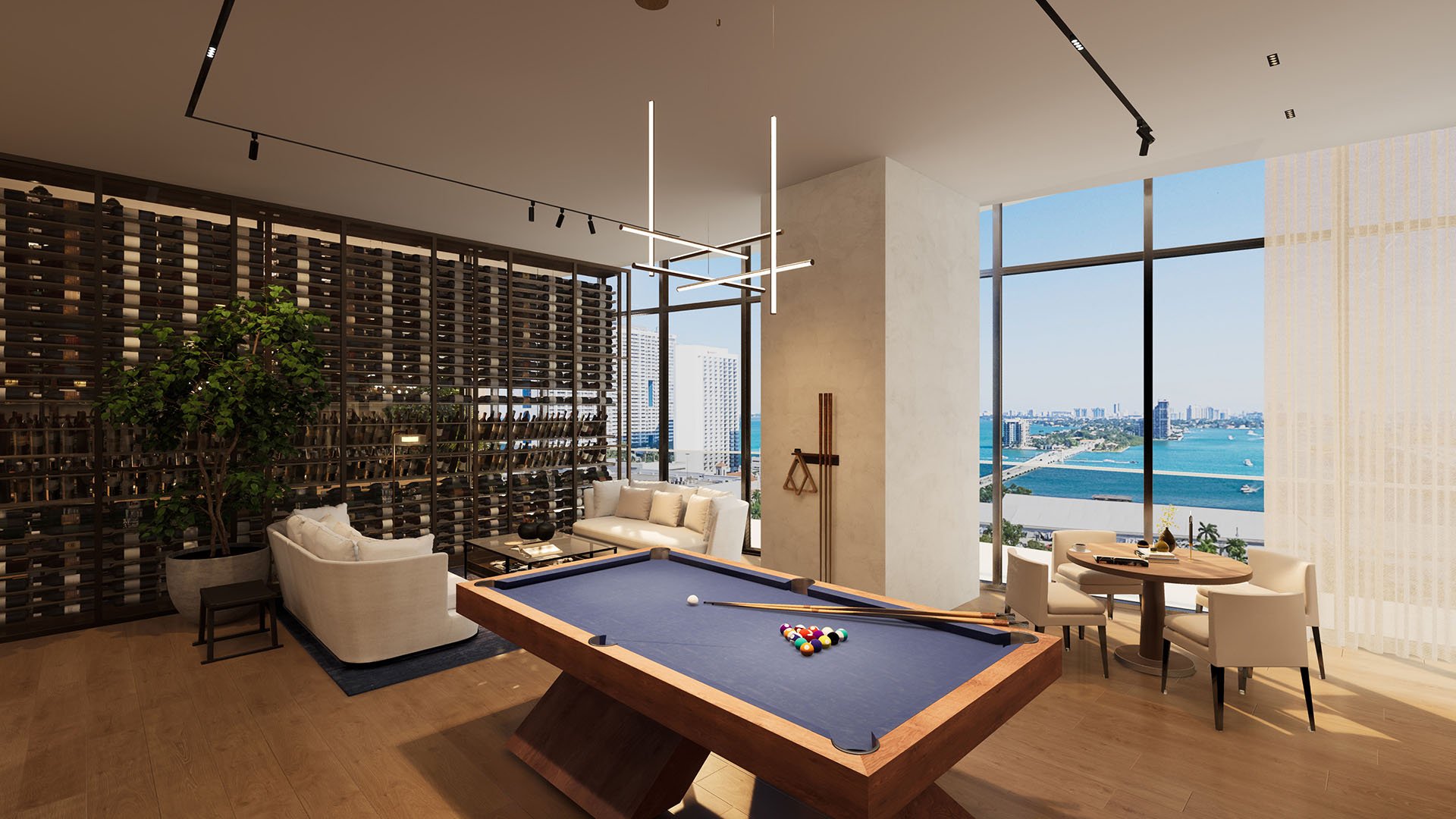
In South Florida, a “finished” residence is no longer defined only by square footage, ceiling height, or the view corridor. For many buyers, the new benchmark is move-in readiness paired with a design point of view that feels deliberate, quiet, and expensive. Turnkey furniture packages-especially those positioned as designer-led-have become the shorthand for that result.
The advantage is practical. A full-scale furnishing effort can drag on for months of decisions, backorders, and white-glove logistics, all while a residence sits underutilized. A well-structured turnkey program streamlines the path from closing to the first night at home, reducing the number of vendors-and the number of ways the process can break down.
The advantage is also aesthetic. In Miami’s most competitive new developments, interiors are conceived as complete compositions: architecture, kitchens, baths, lighting, hardware, and materials selected to work in lockstep. A coherent furniture package extends that intent into the living spaces so the home reads as a single design language-not a collection assembled in phases.
In an ultra-premium context, “turnkey” should never be shorthand for a basic starter set. It should mean a livable, layered home where the core functions are already solved: dining, lounging, sleeping, work or study, and outdoor living when terraces are part of the lifestyle.
Even so, not all programs are built the same. Some lean closer to staging; others operate as true procurement packages with durable specifications, clear warranty terms, and disciplined installation. Before committing, pressure-test the offering across four pillars:
Design authority: Is the package genuinely conceived by a recognized design studio, or merely “curated” from a vendor catalog? A real program has a concept, a palette, and a rationale.
Scope precision: What is included-and what is not? Window treatments, lighting upgrades, media walls, outdoor furniture, kitchen smallwares, and art are often handled differently from one program to the next.
Operational accountability: Who measures, delivers, assembles, and installs-and who owns punch-list corrections? In luxury, the install is half the product.
Rules and timing: Many buildings enforce strict delivery windows, elevator reservations, and protection requirements. Turnkey matters most when it is engineered to align with building operations.
Miami’s most design-forward towers tend to cluster in a few proven districts: Brickell for urban waterfront living, Miami Beach for lifestyle proximity, and select edges of the core that deliver views with a quieter cadence. The developments below stand out as the most natural fits for buyers who want a furnished, designer-led, low-friction move-in strategy.
1. 888 Brickell by Dolce & Gabbana - fashion-house interior identity
A fashion-house branded tower is, by definition, an argument for a total look. For buyers who want a residence that feels decisively authored the moment they walk in, this is the clearest turnkey narrative: the design language is meant to remain consistent across finishes and furnishings.
The best use case is a buyer who prioritizes brand-level cohesion and a recognizable aesthetic, with little appetite for custom sourcing. It also suits second-home owners who want predictable results and minimal owner time spent on procurement.
2. Casa Bella by B&B Italia Downtown Miami - furniture heritage, built into the premise
When a project’s identity is rooted in a furniture-forward legacy, the turnkey proposition shifts from pure convenience to authenticity. The intent is to deliver interiors that feel composed rather than decorated, with pieces selected to complement architectural lines and material choices.
This profile tends to appeal to buyers who care about proportion, tailoring, and the quiet confidence of product design-and who want that discipline carried through the move-in package.
3. ORA by Casa Tua Brickell - hospitality sensibility as a service standard
A turnkey program is only as strong as the experience around it: ordering, delivery choreography, and post-install refinement. Projects with hospitality DNA often have an edge because they understand arrival sequences, operational cadence, and the service expectations that come with premium living.
For buyers who want their home to function like an impeccably run private suite, a hospitality-aligned development can make furnishing feel managed-rather than transactional.
4. Cipriani Residences Brickell - classic luxury, delivered with restraint
At the upper tiers, many buyers are not looking for louder design. They are looking for timelessness executed with precision: the right materials, the right detailing, and furnishings that respect the architecture.
A turnkey pathway under a legacy luxury name typically emphasizes polish and consistency. The ideal buyer is someone who wants the residence to read as “complete” quickly, without pushing the interior into trend territory.
5. Shore Club Private Collections Miami Beach - beachside living, fully appointed
Miami Beach living introduces a specific furnishing problem: homes are used hard, often seasonally, and the environment demands materials and fabrics that can live gracefully with sun, salt air, and indoor-outdoor circulation.
A well-built turnkey program is most valuable when it solves for durability without sacrificing elegance-and when it treats terraces and entertaining areas as essential, not optional.
Turnkey decisions get expensive when they are evaluated as purely aesthetic. Compare programs through an owner’s lens, and insist on written clarity before a deposit changes hands.
Start with spec sheets, not mood boards. Confirm that key pieces are contract-grade or otherwise appropriate for real living, especially in high-use rooms. Ask how substitutions are handled if an item is discontinued-and whether the program maintains a consistent design standard when supply chains shift.
Then evaluate installation and punch-list discipline. In luxury, the difference between “delivered” and “finished” is everything: aligned seams, proper leveling, clean cable management, correct clearances, and furniture that supports circulation paths. Ensure the vendor is responsible for corrections, not simply drop-off.
Finally, confirm post-delivery support. Know which warranty applies to what. If a mechanism fails, a finish is damaged, or a fabric is flawed, you want a clear, defined path to resolution-without becoming the project manager.
In Brickell, turnkey has become a strategic advantage for buyers who want a true lock-and-leave urban residence. Between work travel, seasonal use, and a preference for simplicity, the ability to close and quickly activate a residence matters. The district’s vertical lifestyle also means deliveries and renovations are more regulated, which elevates the value of a pre-engineered furnishing pathway. Buyers comparing high-design options often cross-shop 888 Brickell by Dolce & Gabbana, Cipriani Residences Brickell, and ORA by Casa Tua Brickell for different expressions of that finished, service-led promise.
Downtown’s newest residential offerings skew toward statement architecture and destination amenities, which makes furniture packages attractive for owners who want an interior that matches the building’s ambition-without the extended timeline of custom procurement. If you’re drawn to a design-centric narrative, Casa Bella by B&B Italia Downtown Miami captures the idea that furnishings aren’t an afterthought, but part of the identity.
Miami Beach introduces a different equation. Turnkey is less about speed alone and more about selecting materials suited to the environment, while navigating access constraints, elevator bookings, and tighter delivery rules. A thoughtfully specified package can reduce wear concerns and keep the home ready for spontaneous weekends. For buyers focused on a fully appointed beach lifestyle, Shore Club Private Collections Miami Beach aligns with immediate usability.
The most sophisticated buyers treat a furniture package like a mini construction contract. Clarity upfront prevents disappointment later.
Ask whether the package is purchased through the developer, a third-party vendor, or a design studio, and make sure the commercial terms reflect that structure. Confirm payment milestones, cancellation rights, and whether any portion is refundable if your closing timeline shifts.
Insist on a measured plan. The residence shown in marketing is not your unit, and dimensions, column conditions, and ceiling details can vary. A credible turnkey program accounts for field verification and final installation drawings.
Also verify building rules that can affect cost and timing: protective measures, required insurance, delivery windows, and whether weekend work is permitted. These details aren’t glamorous, but they’re exactly where turnkey either excels-or unravels.
In Miami’s next-generation luxury towers, turnkey furniture packages are more than a convenience feature. They signal a mature product, acknowledge that buyers value time, and extend a building’s design intent into everyday living.
The right program should make the home feel calm on day one: cohesive proportions, thoughtful circulation, durable specifications, and an installation that is quietly exacting. When that bar is met, turnkey doesn’t read as generic. It reads as inevitable.
What is a turnkey furniture package in a luxury condo? A curated set of furnishings and installation services designed to make the residence move-in ready soon after closing.
Does turnkey mean the home includes everything in the photos? Not necessarily; confirm the exact inclusions, substitution policy, and exclusions such as art or lighting.
Are designer packages only for second homes? No; they can be equally compelling for primary residences when time and coordination matter.
Can I customize a turnkey package? Many programs offer tiered options or limited customization, but changes can affect pricing and timelines.
How do I judge if a package is high quality? Review specifications, warranties, and installation scope, and prioritize programs with clear accountability.
Will a furnished unit be easier to rent? Often yes, but rental rules vary by building, so confirm leasing policies before buying for that purpose.
Do furniture packages affect financing or closing? They can, depending on how the purchase is structured, so align early with your lender and attorney.
What should I ask about delivery and installation? Ask who manages logistics, building compliance, protection requirements, and the post-install punch list.
Is it better to furnish through the developer or independently? Developer pathways can be smoother operationally, while independent furnishing can offer more customization.
What is the biggest mistake buyers make with turnkey? Approving a concept without confirming the written scope, dimensions verification, and warranty coverage.
For a tailored shortlist and next-step guidance, connect with MILLION Luxury.
If branded residences are on your mind — as a home or as an allocation — we would be glad to share what we are seeing, privately.
Begin a quiet conversation