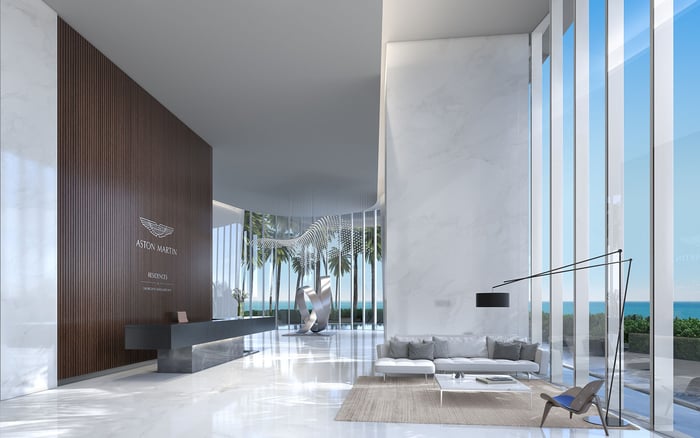
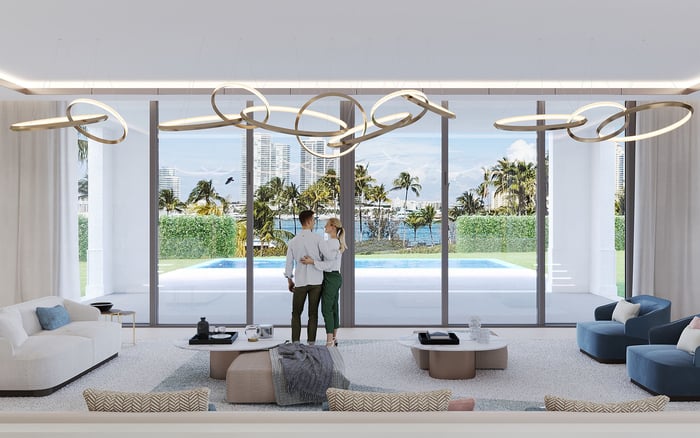
A discreet buyer’s guide to South Florida residence types that can help reduce amenity crowding through lower density, private arrival, outdoor space, and stronger in-home lifestyle capacity.
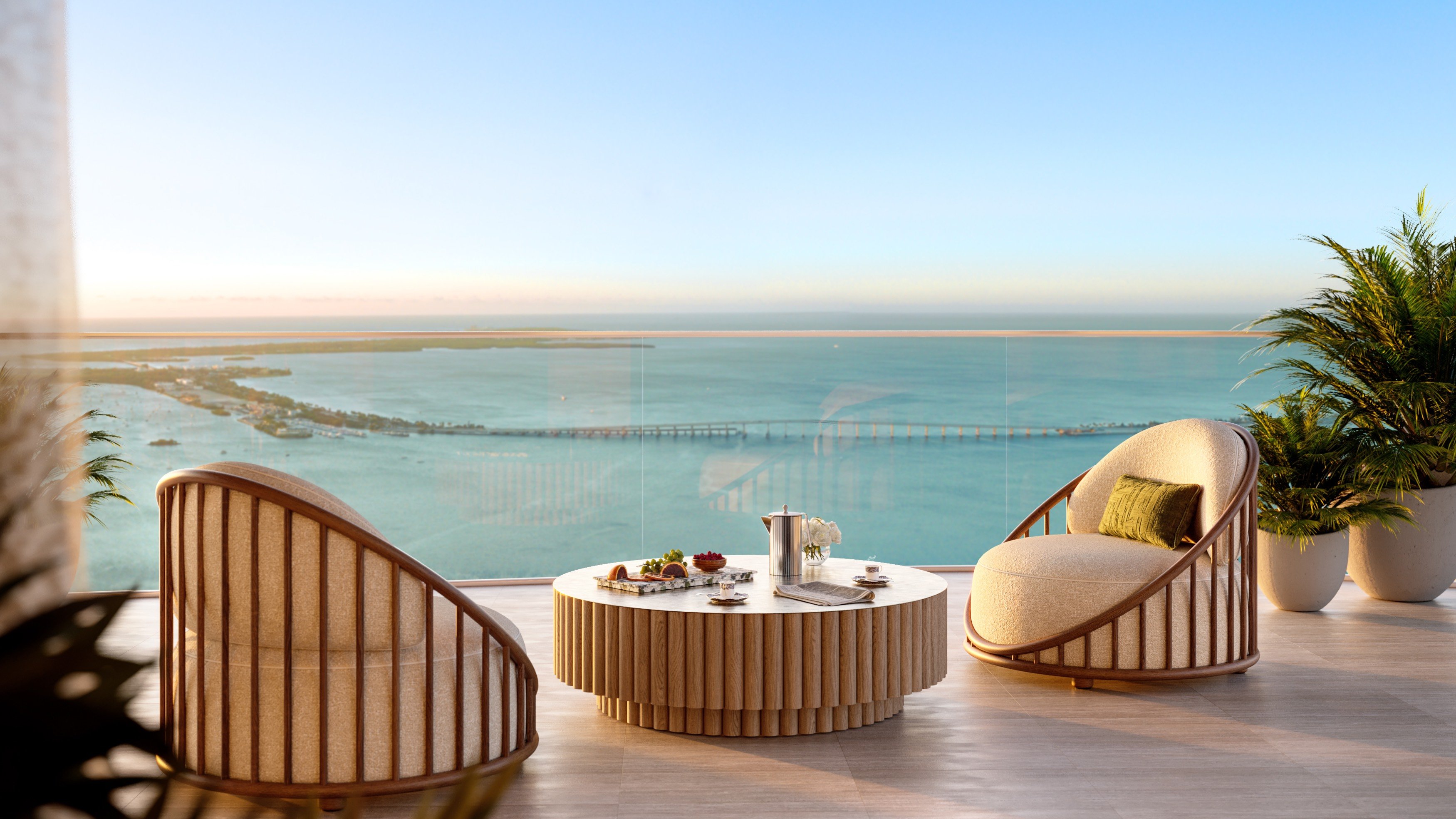
For a certain South Florida buyer, the question is no longer whether a residence offers amenities. It is whether those amenities can be enjoyed without friction. A crowded pool deck, a booked-out treatment room, a gym that feels like a club at peak hour, or a lobby with constant turnover can quietly erode the promise of a luxury address.
Lower amenity crowding is not one feature. It is the product of density, architecture, management culture, resident behavior, guest policies, and the extent to which daily life can unfold inside the home rather than in shared spaces. The most compelling residences for this buyer are not always the largest or the most visible. They are the ones where privacy feels embedded in the plan.
In South Florida, that can mean a boutique condominium with fewer neighbors, a full-floor residence with private arrival, a controlled-access island setting, an oceanfront home with generous outdoor space, or a single-family waterfront property where the core amenities are entirely personal. The search often touches boutique, oceanfront, Fisher Island, Miami Beach, Sunny Isles, and Palm Beach preferences, but the deeper criterion remains constant: how calm does the property feel on an ordinary Tuesday?
1. Boutique low-rise condominium - fewer daily touchpoints
A boutique low-rise can be one of the clearest answers for buyers who want a quieter residential rhythm. With fewer households moving through the same lobby, elevators, corridors, pool areas, and fitness rooms, the experience can feel more residential than institutional.
The key is not simply a smaller building. Buyers should look for layouts that limit shared circulation, service models that avoid over-programming, and amenity spaces scaled for actual use rather than brochure drama. A calm arrival sequence, discreet staff presence, and well-separated indoor and outdoor areas can matter more than an oversized amenity menu.
2. Full-floor or half-floor tower residence - private vertical living
For buyers who still want height, views, and a staffed building, a full-floor or half-floor residence can reduce the sense of crowding without leaving the condominium format. Private or semi-private elevator access, larger interiors, and fewer immediate neighbors create a more composed daily experience.
This category works best when the residence itself carries much of the lifestyle load. A generous kitchen, proper dining space, private terrace, flexible wellness room, and comfortable guest accommodations reduce reliance on shared areas. The less a household needs to schedule life around building amenities, the more the building feels like support rather than dependency.
3. Controlled-access island residence - privacy by setting
A controlled-access island setting can appeal to buyers who define luxury through calm, managed access, and separation from heavy urban movement. The appeal is psychological as much as physical: a sense of crossing into a quieter residential environment before reaching the front door.
Amenity crowding in this category depends on the specific building or enclave, but the setting can naturally filter traffic and reduce casual circulation. Buyers should still examine guest protocols, valet operations, marina or club usage where applicable, and how resident-only spaces are protected during peak social seasons.
4. Oceanfront estate-style condominium - private outdoor life
Oceanfront condominium living can feel crowded when the property is highly active, but estate-style residences with significant private outdoor space can change the equation. The best examples allow the owner to enjoy air, light, water views, dining, and lounging without defaulting immediately to the shared pool deck.
For this buyer, terrace depth, privacy from neighboring balconies, direct sightlines, and outdoor usability are essential. A beautiful view is only part of the value. The more a residence can function as its own retreat, the less pressure there is on common areas, even in a full-service building.
5. Single-family waterfront residence - amenities under personal control
For the most privacy-sensitive buyer, a single-family waterfront residence remains the cleanest way to avoid amenity crowding altogether. Pool, gym, office, media, outdoor kitchen, dock, garden, and guest space can all be privately controlled, subject to the property’s design and setting.
The tradeoff is that service must be built and managed directly rather than delivered by a condominium team. For some buyers, that autonomy is the point. For others, the ideal solution may be a hybrid approach: a primary private home supported by a pied-à-terre or club environment elsewhere in South Florida.
Amenity crowding is rarely obvious during a polished tour. A property can feel tranquil at noon and entirely different at 6 p.m., during a holiday week, or on a winter weekend. Buyers should ask how spaces behave when the building is most occupied, not when it is most presentable.
The practical inspection begins with circulation. How many residences share an elevator bank? Does the lobby function as a quiet threshold or a social stage? Are service, delivery, valet, and resident arrivals separated? Does the pool have distinct zones for swimming, lounging, dining, and children, or does every use compete for the same square footage?
The next layer is policy. Guest rules, short-term occupancy restrictions, event permissions, spa booking systems, trainer access, and pool chair management can all shape the lived experience. In an ultra-premium residence, the best policy framework is firm enough to preserve privacy but discreet enough not to feel restrictive.
Finally, buyers should evaluate the residence itself. The most successful low-crowding homes make shared amenities optional. If the home has true outdoor living, a work-from-home suite, private wellness capacity, and room to host comfortably, the building’s amenities become enhancements rather than necessities.
South Florida offers different versions of privacy. Miami Beach can deliver historic glamour, beachfront living, and proximity to culture, but the buyer must distinguish serene residential pockets from areas with heavier visitor energy. Sunny Isles can provide vertical oceanfront living with expansive views, where the elevator experience and floorplate matter greatly.
Fisher Island and Palm Beach appeal to buyers who want separation to be part of the daily ritual. Bayfront enclaves, canal streets, and waterfront neighborhoods add another layer, especially for those who prioritize boating, private terraces, and sunset-facing rooms. In every case, the right address is not simply the one with the finest amenity list. It is the one where the resident-to-space relationship feels generous.
What does lower amenity crowding mean in luxury real estate? It means shared spaces feel available, calm, and properly managed rather than overused during normal resident routines.
Are boutique buildings always less crowded? Not always. A smaller building can still feel busy if amenities are undersized or policies allow heavy guest use.
Do full-floor residences help reduce crowding? They can, especially when private elevator access and larger in-home living areas reduce dependence on shared spaces.
Is a single-family home the best option for privacy? It is often the most direct option, but it also requires the owner to manage private staffing and maintenance.
Should buyers tour amenities at different times? Yes. Peak-hour visits can reveal how elevators, pools, gyms, valet areas, and lobbies actually perform.
Which amenities are most sensitive to crowding? Pools, fitness rooms, spas, elevators, valet areas, and casual lounges tend to show crowding first.
Can strong building policies improve privacy? Yes. Guest limits, booking controls, and event rules can preserve a quieter environment without reducing service quality.
Does oceanfront living guarantee a quieter experience? No. The decisive factors are density, layout, access control, terrace privacy, and how shared spaces are managed.
How important is private outdoor space? Very important. A usable terrace or garden can make the residence feel self-sufficient and reduce reliance on shared areas.
What should a buyer prioritize first? Prioritize the daily lived experience: arrival, elevator use, outdoor privacy, guest flow, and the ability to relax without scheduling.
For a discreet conversation and a curated building-by-building shortlist, connect with MILLION.
If branded residences are on your mind — as a home or as an allocation — we would be glad to share what we are seeing, privately.
Begin a quiet conversation.jpg&width=700&height=438&fit=cover)