A practical, design-led look at how full-time owners should evaluate breakfast-room light at The Links Estates at Fisher Island, from exposure and glazing to privacy, heat control, furniture placement, and everyday rituals.
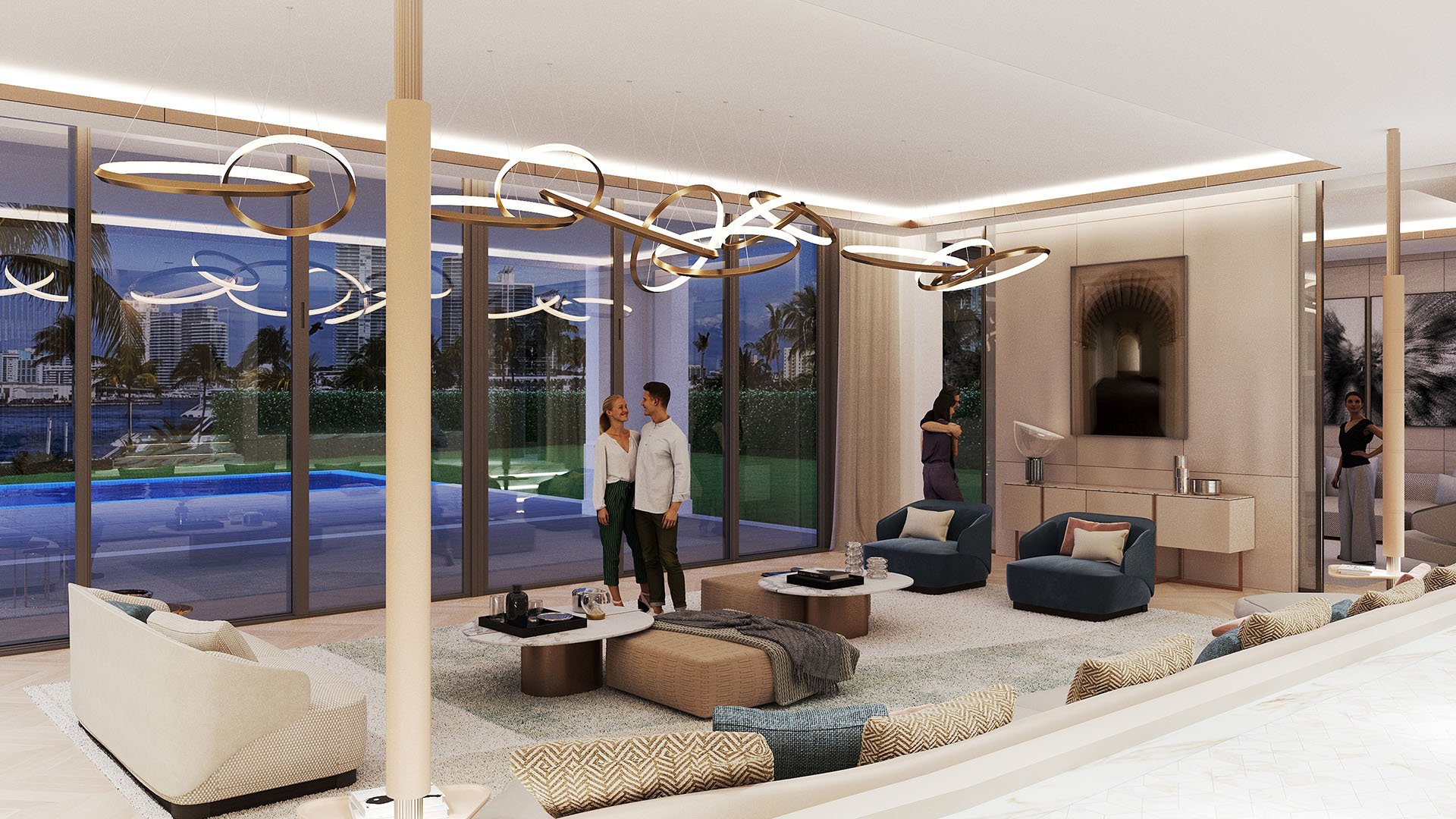
At The Links Estates at Fisher Island, breakfast-room light deserves more than a passing glance during a showing. For a full-time owner, it is not merely a pleasant morning effect. It shapes the first usable hour of the day, the comfort of weekday routines, the tone of informal family meals, and the way a home moves from private quiet to social readiness.
Luxury buyers often evaluate the grand spaces first: arrival, entertaining rooms, primary suites, terraces, and views. Yet the breakfast room can be the most revealing room in the residence. It is used before the home is composed for guests. It receives coffee cups, laptops, newspapers, children’s schedules, and the casual conversation that defines everyday life. If the light is wrong-too harsh, too dim, too exposed, or too dependent on artificial correction-the inconvenience repeats daily.
For a Fisher Island owner, words such as gated community, golf, terrace, and water view matter most when translated into how the residence feels at 7:30 in the morning.
A formal dining room can rely on atmosphere. It can be candlelit, art-lit, and used at selected times. A breakfast room is less forgiving. It must perform in real light, often while the household is moving quickly. The room should be luminous without being punishing, open without feeling observed, and casual without losing the architectural polish expected of a significant Fisher Island address.
The first question is not whether the room is bright. It is whether the brightness is usable. A room can photograph beautifully and still create glare on a phone screen, overheat by midmorning, or require shades to stay down during the very hours the space is meant to feel fresh. Conversely, a quieter exposure may be more elegant for full-time living if it provides soft light, balanced reflections, and a sense of privacy.
In a high-end estate environment, the breakfast room is often connected visually or physically to the kitchen, family room, outdoor living area, or garden edge. That connection is valuable, but it also multiplies the effect of light. Glare from a terrace surface, reflection from pale flooring, or a hard transition between glass and cabinetry can change the entire morning experience.
The practical approach is straightforward: visit the breakfast room as close as possible to the time it will be used. Afternoon impressions can be misleading. Evening showings are useful for ambience, but they say little about the daily test of breakfast, school calls, remote work, and informal family use.
Stand where life will actually happen. Sit at the likely table location. Look toward the view, then away from it. Check whether the eye naturally relaxes or squints. Notice whether light strikes the tabletop, the backs of chairs, the face of the person opposite you, or the cabinetry beyond the room. The most refined breakfast rooms allow people to face one another comfortably without a constant need to adjust shades.
Then consider the room’s secondary uses. Many owners use a breakfast area as a morning office, a planning table, or a quiet place for one person to read while another prepares coffee. If screens are part of the routine, glare control becomes a design priority rather than a minor convenience.
Morning light is not only about direction. It is also about what the room faces, how close the outdoor condition feels, and how much visual privacy the glass allows. A breakfast room can feel serene when it frames greenery, open sky, or a calm water impression. It can feel less successful if the exposure creates a sense of being on display.
Full-time owners should distinguish between dramatic light and livable light. Dramatic light is memorable during a tour. Livable light is consistent, gentle, and easy to manage. It supports routine without making the owner adapt too much. In the most successful rooms, shading, landscaping, glazing, ceiling depth, and furniture placement work together so the architecture does not have to shout.
Restraint matters. Heavy window treatments may solve glare, but they can make the space feel closed at the wrong hour. Bare glass may feel glamorous, but it can be impractical. The best solution is usually layered: a combination of solar control, soft diffusion, and carefully chosen materials that reduce reflection without flattening the room.
A breakfast room’s finishes have a direct relationship with light. Highly polished stone, lacquered millwork, mirror, glass, and pale floors can amplify brightness. Used well, they create a crisp, resort-like freshness. Used without restraint, they can make the first meal of the day feel visually loud.
Matte or honed surfaces often perform better for full-time living because they soften the bounce of light. Upholstered chairs, woven textures, natural woods, and rugs can temper a bright room without making it feel less luxurious. The goal is not darkness. It is visual calm.
Color temperature also matters. If the room is already warm in the morning, overly warm artificial lighting can make it feel heavy later in the day. If natural light is cool or indirect, a warmer interior palette may give the space a more welcoming breakfast character. Owners should judge materials in the room itself, not only from samples in a showroom.
The breakfast table should not be placed only for symmetry. It should be placed for comfort. A table too close to glass can create heat and glare issues. A table too far from the view may defeat the purpose of the room. The best placement usually finds a middle position: connected to the outdoor or view experience, but not dominated by it.
Chair orientation matters as much as table location. If one seat receives direct glare every morning, that will become the avoided chair. If a guest seat faces a busy service zone, the room may feel less composed. In a full-time residence, these small frictions accumulate.
Scale should also be honest. A large table can look impressive, but breakfast rooms work best when they preserve circulation and intimacy. The room should allow a quiet breakfast for two without feeling empty, while still expanding gracefully for family or weekend guests.
Before purchasing or finalizing interiors, imagine a normal week rather than a special occasion. Where is the coffee set down? Where does a bag land? Does the room invite a second cup, or does it encourage people to leave quickly? Can someone read comfortably while another person uses the kitchen? Does the space remain appealing when shades are adjusted for privacy?
At The Links Estates at Fisher Island, this is the difference between an estate that impresses and one that supports daily life. The breakfast room is not the largest room, but it can reveal whether the residence has been considered at the scale of actual ownership.
For a full-time owner, the strongest breakfast-room light is rarely the brightest. It is the light that makes the home feel awake, private, composed, and easy to inhabit.
Why is breakfast-room light important for a full-time owner? It affects the first daily use of the home and can influence comfort, privacy, glare, and the overall rhythm of mornings.
Should buyers prioritize the brightest breakfast room available? Not always. Usable, balanced light is usually more important than maximum brightness, especially for daily living.
When should a buyer evaluate the room? The most useful visit is during the hours the room will actually be used, especially morning breakfast time.
Can window treatments solve most light problems? They can help, but they should not be the only solution. Glazing, materials, landscaping, and furniture placement also matter.
What materials work well in a bright breakfast room? Honed stone, natural wood, textiles, and matte finishes can soften glare while preserving a refined atmosphere.
How should a table be positioned? It should capture the best aspect of the room without placing diners directly in harsh light or uncomfortable heat.
Does privacy matter as much as exposure? Yes. A beautiful exposure can lose value if the breakfast room feels too visible during everyday use.
Can a breakfast room also function as a work area? It can, but screen glare, seating comfort, and outlet access should be considered before relying on it daily.
Is terrace access always an advantage? It can be, provided the transition does not introduce excessive glare, heat, or awkward circulation around the table.
What is the best overall test for The Links Estates at Fisher Island? Picture an ordinary weekday morning and judge whether the room feels calm, private, and naturally usable without constant adjustment.
If you'd like a private walkthrough and a curated shortlist, connect with MILLION.
If branded residences are on your mind — as a home or as an allocation — we would be glad to share what we are seeing, privately.
Begin a quiet conversation