A buyer-focused look at the condo amenities that can make a meaningful difference in storm readiness, from backup power and drainage to protected arrival areas and resident communications.
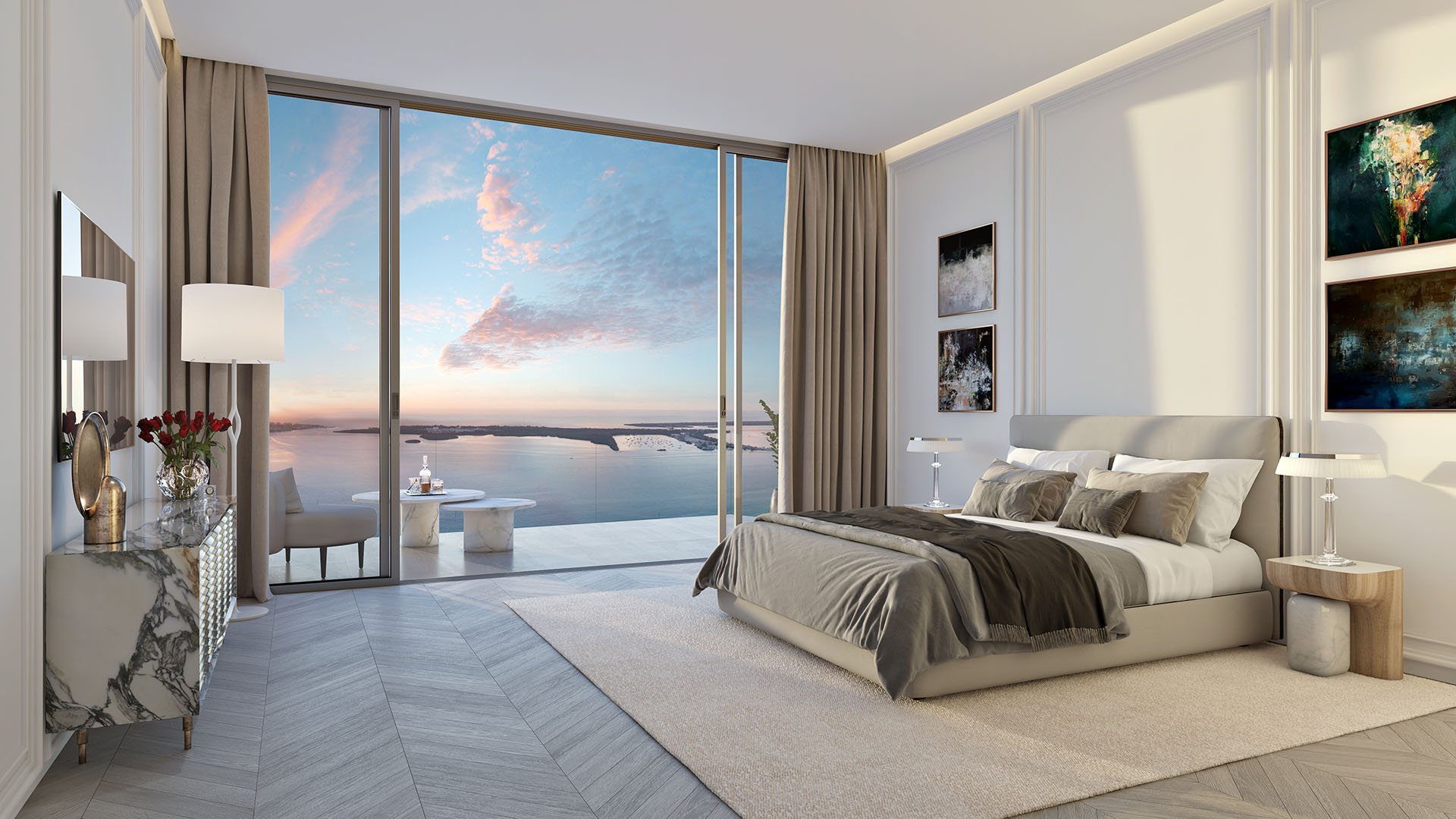
Impact glass matters. It is one of the most visible storm-conscious features in a South Florida condominium, and buyers have learned to ask about it early. The more sophisticated question is what happens after the glass has done its job. A residence can feel beautifully protected at the window line while still depending on systems, access points, drainage, staffing, and communications that determine how well daily life continues before, during, and after severe weather.
For the ultra-premium buyer, storm readiness is not a bunker mentality. It is continuity: the ability to return home gracefully, receive clear information, move safely through common areas, preserve essential comfort, and understand which parts of the building are designed for operational resilience. In markets such as Brickell, Aventura, and Surfside, where waterfront living and vertical luxury define much of the residential experience, these details deserve the same scrutiny as finishes, views, and private amenities.
1. Generator-backed critical systems - continuity of essentials
The most meaningful storm-readiness amenity is not simply a generator. It is a clear strategy for what that generator supports. Buyers should ask whether backup power is intended only for life-safety systems, or whether it also supports selected elevators, garage access, water pressure, security, communications, and conditioned common areas.
In a luxury condo, that distinction is material. A building that maintains essential movement, controlled access, and core services can feel composed after a storm, while a building with limited backup coverage may be technically safe but less livable.
2. Flood-aware arrival and parking design - protected access
Storm readiness is often tested at the ground plane. Porte cochères, garage entries, loading areas, and pedestrian approaches are the first spaces residents encounter when weather disrupts normal routines. A well-considered arrival sequence should reduce exposure, clarify circulation, and preserve access where feasible.
For buyers comparing towers in waterfront, bayfront, or low-lying urban settings, parking and entry design deserve careful review. The most elegant lobby loses practical value if the approach, ramp, or service entry becomes the weak point in the resident experience.
3. Drainage, pumps, and water management - the hidden infrastructure
Water management is rarely photographed in a sales gallery, but it is central to storm performance. Drainage paths, pump systems, grading, and maintenance access can influence how common areas recover after heavy weather. These are not decorative amenities, yet they protect the function of the amenities residents use every day.
A buyer touring a new-construction residence should look beyond the pool deck and ask how water is directed away from occupied areas, how mechanical spaces are protected, and how quickly key shared spaces are intended to return to service after a severe event.
4. Protected resident services - staff, packages, and daily logistics
Storm readiness also lives in operational choreography. Concierge desks, mail rooms, package rooms, service corridors, loading zones, and pet areas may seem ordinary on calm days, but they become essential when schedules compress and residents prepare homes for weather.
A building with protected service areas can make preparation less chaotic. That matters for owners who travel frequently, maintain second homes, or rely on staff coordination. The amenity is not merely the presence of service, but the ability of that service to function when residents need it most.
5. Clear communications and resident protocols - confidence under pressure
The final amenity is information. Residents should understand how the association or building team communicates before and after severe weather, what protocols govern amenity closures, how access is restored, and how updates are delivered. Clear communication reduces uncertainty and helps owners make better decisions.
This is especially important in luxury towers with seasonal residents and international owners. The stronger the communication culture, the less residents need to improvise. In a market where discretion is part of the value proposition, calm, direct updates can matter as much as any visible amenity.
The best storm-ready features are often embedded in the building rather than displayed in the brochure. A spa, pool, screening room, or residents’ lounge may define the emotional appeal of a property, but the supporting infrastructure determines how quickly those spaces return to normal. Buyers should ask precise questions and listen for equally precise answers.
A balcony or terrace can be a defining part of South Florida living, especially for owners who prize air, light, and water views. Still, private outdoor space should be evaluated alongside the building’s broader preparation standards, including how loose items are secured, how staff communicates pre-storm reminders, and how exterior common areas are managed.
The most attractive buildings make readiness feel quiet. They do not need to advertise fear. They present order, access, planning, and redundancy as part of a broader hospitality mindset.
Before committing to a purchase, buyers should ask what systems remain operational under backup power, how long essential services are expected to continue, and which areas are excluded. The answer may vary by building, and it should be understood before closing rather than discovered during a storm week.
Ask how the garage is accessed if power is interrupted. Ask where mechanical systems are located. Ask how packages, deliveries, staff access, and elevator service are handled during severe weather periods. Ask whether residents receive written guidance before the season begins. None of these questions diminishes luxury. They protect it.
For resale purchasers, building history and maintenance culture are especially important. A mature condominium may have an established rhythm of preparation and recovery. A newer building may offer more modern systems, but the buyer should still understand how those systems are operated and maintained.
South Florida buyers are increasingly fluent in the difference between aesthetic value and operational value. Ocean views, Italian kitchens, private elevators, and resort-style pools still command attention, but resilience has become part of the premium conversation. The buyer who understands infrastructure is better positioned to evaluate long-term comfort.
This is not about avoiding coastal living. It is about choosing it with clear eyes. The most desirable residences pair beauty with preparedness, privacy with service, and architectural drama with practical continuity. In that context, storm readiness becomes a form of invisible luxury.
Is impact glass enough for a storm-ready condo? No. It is important, but buyers should also review power, drainage, access, staffing, and communication protocols.
What is the first storm-readiness amenity buyers should ask about? Backup power is often the best starting point because it affects elevators, access, security, and core building operations.
Should I ask what a generator actually supports? Yes. The presence of a generator matters less than the specific systems it is designed to support.
Why does parking design matter during storm season? Garage access and arrival routes can shape how easily residents enter, exit, and resume normal routines after severe weather.
Are drainage systems considered amenities? In luxury condominiums, they function like invisible amenities because they help protect the usability of shared spaces.
Do service areas matter for storm readiness? Yes. Protected mail rooms, package areas, loading zones, and staff routes can make preparation and recovery more orderly.
How important are resident communications? Clear updates are very important because they help residents understand closures, access, services, and building procedures without confusion.
Should second-home owners care more about protocols? Yes. Owners who are away from South Florida need reliable communication and building teams that can coordinate calmly.
Can a beautiful amenity deck still be a weak point? Yes. Outdoor amenities should be evaluated for water management, preparation practices, and post-storm recovery planning.
What is the best way to shortlist comparable options for touring? Start with location fit, delivery status, and daily lifestyle priorities, then compare stacks and elevations to validate views and privacy.
When you're ready to tour or underwrite the options, connect with MILLION.
If branded residences are on your mind — as a home or as an allocation — we would be glad to share what we are seeing, privately.
Begin a quiet conversation