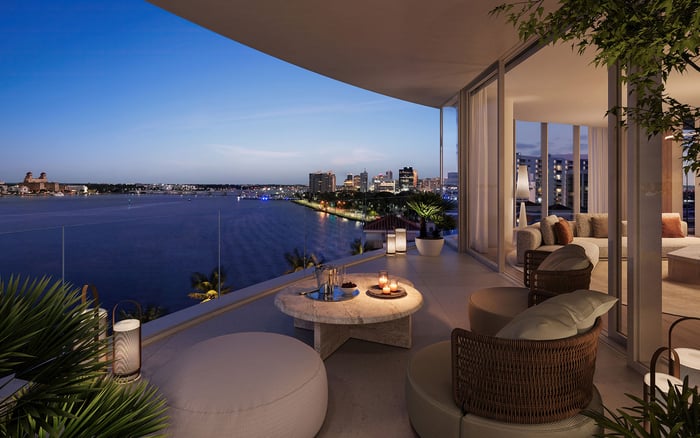
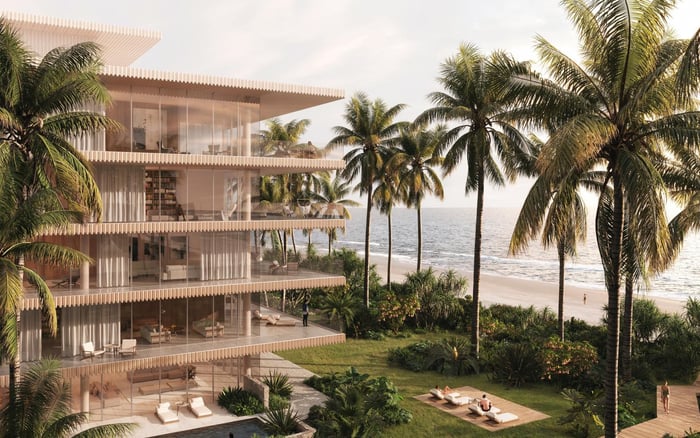
A ranked assessment of five South Flagler Drive condominiums through a long-term resale lens, emphasizing enduring differentiation, residence selection, carrying costs and project execution without promising appreciation.
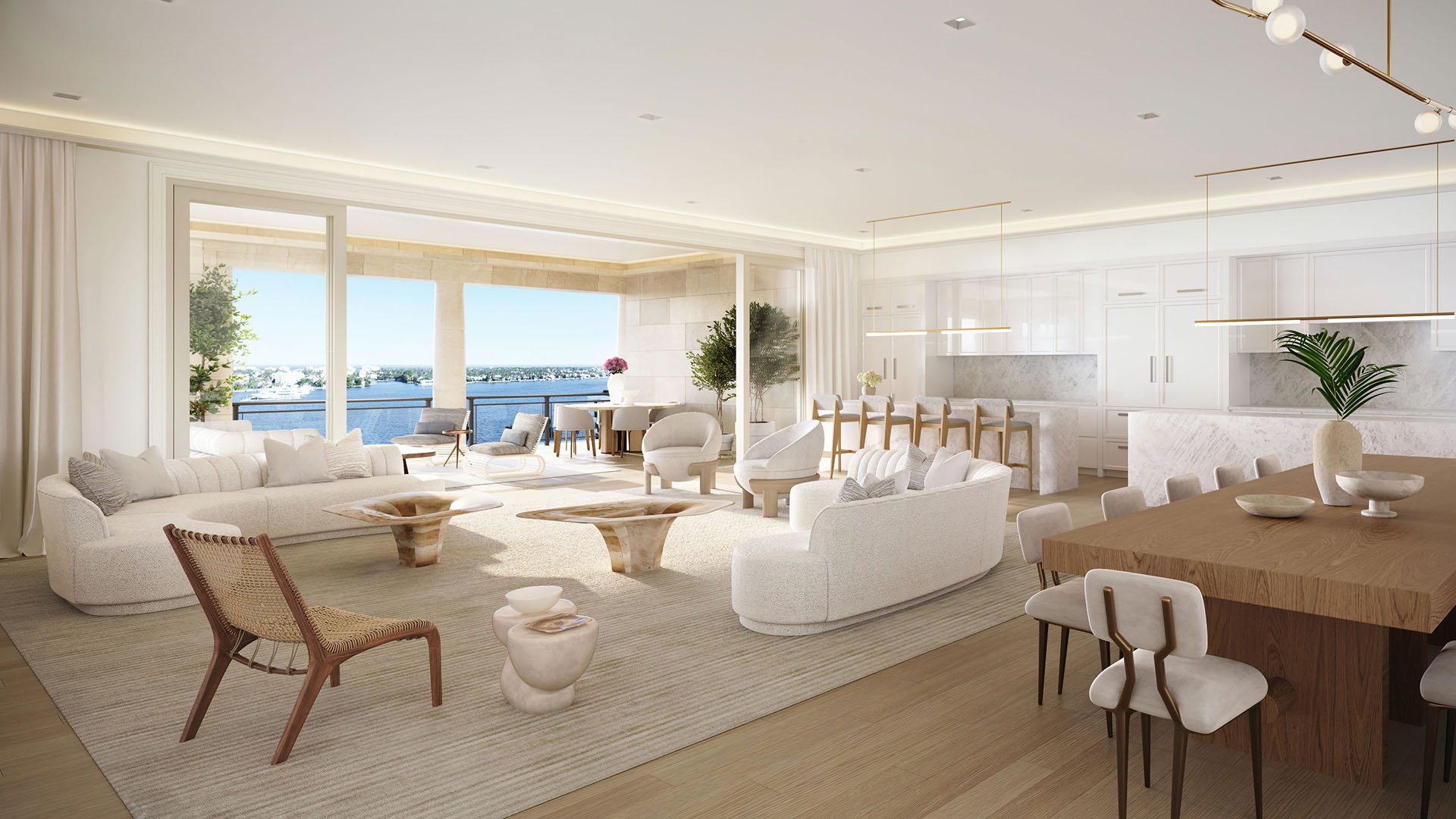
South Flagler Drive is the focus of this ranking, but the central question extends beyond a project's initial presentation. Buyers planning a long hold should consider which qualities will remain clear to a future purchaser after launch marketing has receded.
Those qualities may include waterfront orientation, architectural coherence, privacy, floor-plan usability, amenity relevance and the amount of directly competing inventory. Sponsor execution, building operations and recurring ownership costs can also influence how a residence is perceived when it eventually returns to the market.
Enduring resale appeal begins where launch-era novelty ends.
This ranking is an editorial framework rather than a forecast of appreciation. Every residence requires individual review, and differences in view, elevation, layout, condition and carrying costs can matter as much as the building name.
South Flagler House takes the first position in this long-term assessment. Its resale case should be evaluated through the combined strength of the overall building concept and the specific residence under consideration rather than through launch recognition alone.
Buyers should compare orientation, terrace usability, interior proportions and privacy across available homes. They should also review governing documents, projected ownership costs, completion information and any terms that could affect a later sale.
Forté on Flagler ranks second. The most useful resale analysis here is residence-specific: prospective buyers should examine how a particular home's exposure, plan, finish condition and position compare with other opportunities along the corridor.
A future purchaser will not evaluate the building name in isolation. Directly comparable listings, operating quality and the ease with which a home's advantages can be understood will help shape its competitive position.
Edgeworth occupies third place. Buyers considering it through a long-term lens should focus on whether the project creates durable distinctions among residences and whether those distinctions remain intuitive in a resale setting.
Tower position, outlook, privacy and floor-plan efficiency deserve close attention. Amenity ambition can strengthen a project's appeal, but buyers should evaluate that benefit alongside the ongoing costs required to operate and maintain the shared program.
Maison d'Or ranks fourth because a long-term resale conclusion requires detailed, project-specific diligence. Buyers should avoid treating boutique positioning or early marketing language as a substitute for reviewing the final residence mix, plans, specifications, ownership structure and delivery terms.
As information becomes available, the central question is whether the project offers a clear and lasting reason for a future buyer to choose it over nearby alternatives. That distinction should be visible in the actual home and ownership experience, not only in its branding.
The planned tower at 3705 South Flagler Drive completes the ranking. Its long-term case should be assessed only after buyers examine the applicable plans, approvals, timeline, sponsor obligations and purchase documents.
Early-stage potential can be compelling, but it comes with additional uncertainty. A prudent buyer should leave room for changes in timing, specifications and the competitive environment before relying on a resale thesis.
Scarcity is most persuasive when it applies both to the building and to the individual residence. A limited number of homes does not automatically make every unit equally desirable. View protection, natural light, room proportions, privacy and outdoor space can create meaningful differences within the same property.
Architecture can support recognition over time when it produces a coherent arrival, useful layouts and materials that can be maintained. Buyers should distinguish those durable characteristics from decorative choices that may be easier to replicate or update.
Amenities require similar discipline. A broad shared program may attract buyers, but its resale contribution depends on continued relevance, service quality and operating costs. Prospective owners should understand which amenities they are likely to use and how the program may affect common charges over a long holding period.
Waterfront positioning is another important but highly specific variable. Buyers should evaluate the actual outlook from the residence, possible obstructions, exposure to sun and weather, terrace comfort and the relationship between principal rooms and the view.
A brand or launch premium should never replace document review. Buyers should examine the purchase agreement, condominium documents, budget, reserve approach, insurance information, resale provisions and any restrictions relevant to their intended use. Legal, tax and financial advisers can help interpret obligations that fall outside a brokerage assessment.
For projects that are not yet complete, construction and delivery considerations require particular attention. Buyers should confirm material terms directly in controlling documents and avoid relying on renderings or informal expectations when making a long-term decision.
Residence selection remains critical even within the highest-ranked property. A well-positioned home with an efficient plan may compete differently from another unit in the same building. Buyers should compare current alternatives and consider which attributes would be easiest for a later purchaser to recognize without explanation.
The same discipline applies to exit planning. Owners should consider likely holding costs, potential competition from other listings and the condition in which the residence will need to be presented. None of these factors guarantees a result, but together they create a more grounded basis for selection.
South Flagler House leads this editorial ranking, followed by Forté on Flagler, Edgeworth, Maison d'Or and the planned 3705 South Flagler tower. The order reflects a long-term resale framework, not a promise that every residence in a higher-ranked property will outperform every residence below it.
For buyers, the decisive work begins after the shortlist is established. Comparing individual homes, reviewing controlling documents and testing ownership costs against a realistic holding plan are more useful than relying on launch visibility alone.
For discreet guidance on selecting a South Flagler residence with lasting market relevance, connect with MILLION.
If branded residences are on your mind — as a home or as an allocation — we would be glad to share what we are seeing, privately.
Begin a quiet conversationSouth Flagler House ranks first under the article's long-term resale framework.
Forté on Flagler takes second place, with the analysis emphasizing careful comparison of each residence's plan, exposure, condition and ownership costs.
Buyers should compare tower position, outlook, privacy, floor-plan efficiency and the cost of supporting shared amenities.
Buyers should base conclusions on final plans, specifications, ownership documents and delivery terms rather than early positioning alone.
Its early-stage status calls for careful review of plans, approvals, timing, sponsor obligations and purchase documents.
No. It is an editorial assessment of factors associated with resale appeal, not a forecast or guarantee.
It is critical because view, elevation, layout, privacy, condition and carrying costs can distinguish homes within the same property.
They can support buyer interest, but their relevance, service quality and ongoing operating costs should be evaluated together.
Buyers should review the purchase agreement, condominium documents, budget, reserve approach, insurance information and applicable resale provisions.
Launch recognition may fade, while usable design, clear differentiation, sound operations and manageable ownership costs can remain relevant to future buyers.