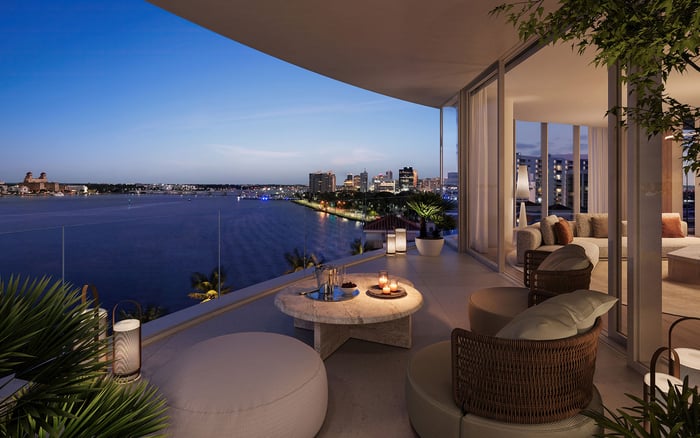
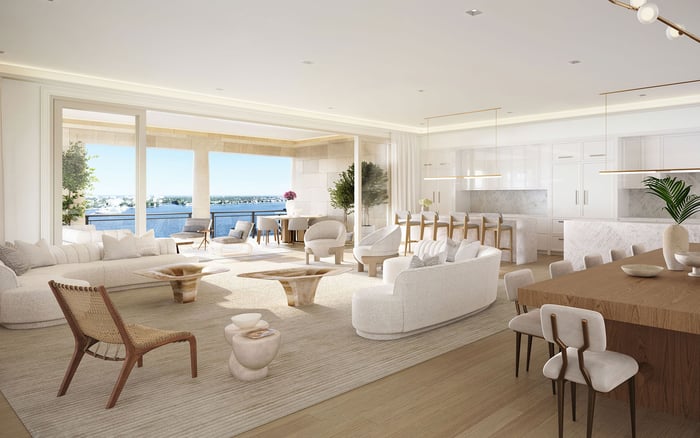
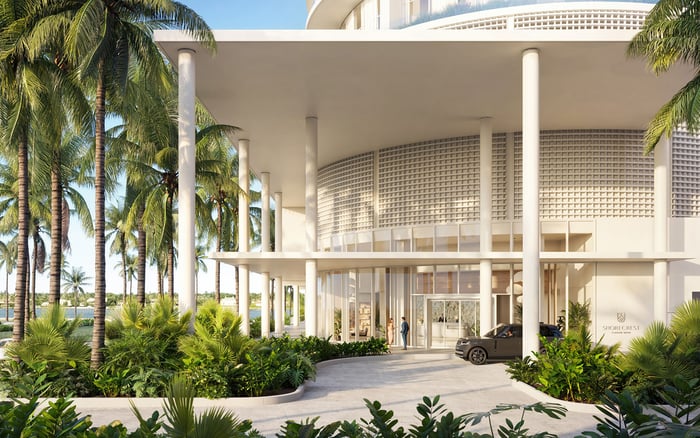
A disciplined comparison of The Bristol, Forté on Flagler, South Flagler House and Maison d’Or should focus on residence-level scarcity, closed-sale evidence, carrying costs, governance and future competition rather than launch positioning alone.
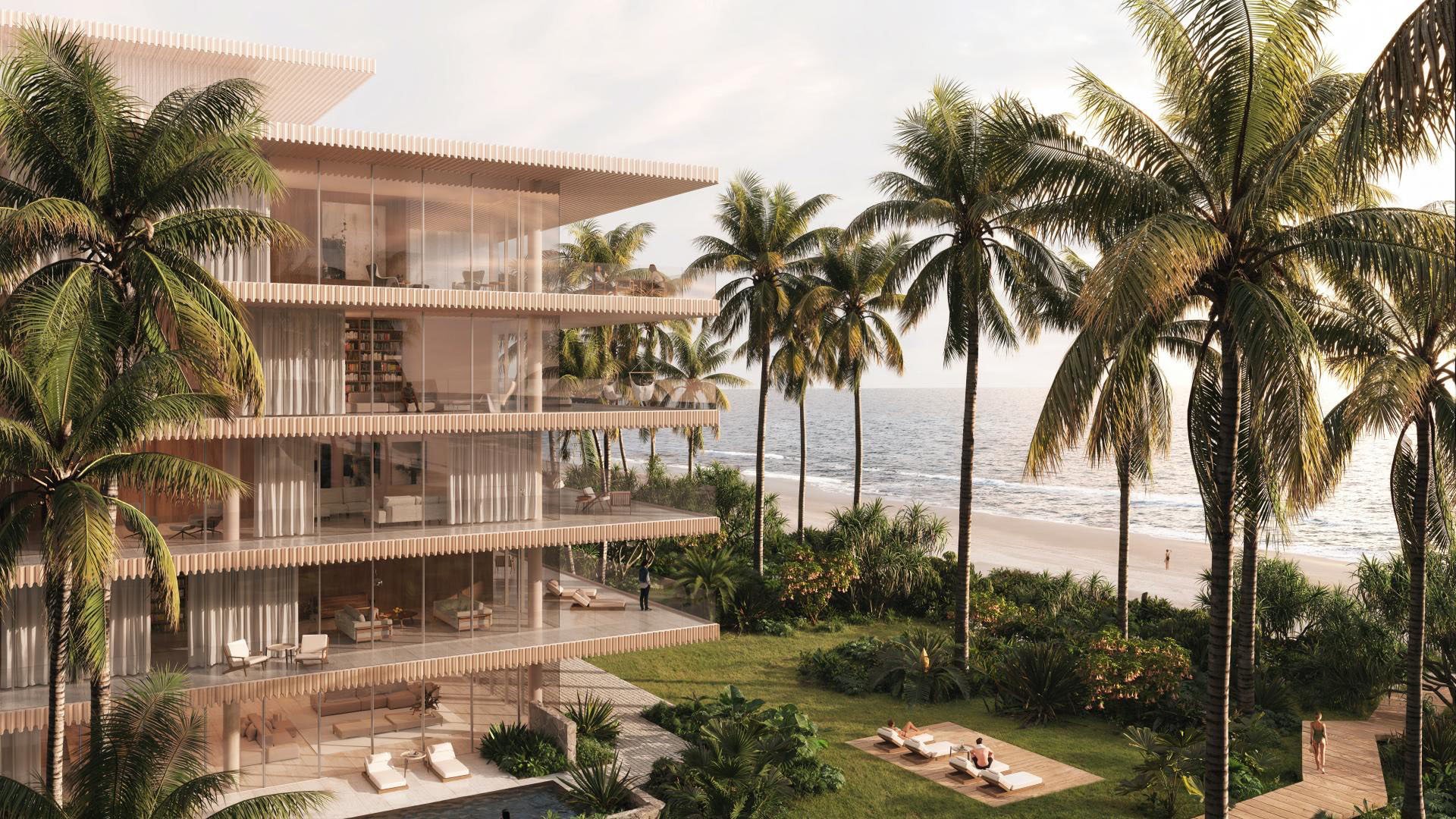
West Palm Beach waterfront buyers often encounter polished launch narratives, premium finishes and extensive amenity programs. Those elements may shape an initial purchase decision, but long-term resale appeal depends on whether a future buyer can clearly understand and value the residence after the launch cycle has passed.
The most durable analysis begins at the unit level. View protection, floor position, layout efficiency, usable outdoor space, privacy and condition can separate one home from another within the same building. Acquisition basis and recurring ownership costs also matter because a future purchaser will compare the complete proposition, not simply the building name.
The strongest resale purchase is a singular residence supported by credible building-level evidence.
The Bristol, Forté on Flagler, South Flagler House and Maison d’Or form a useful comparison set for buyers considering long-term resale appeal in West Palm Beach. Each should be evaluated through verified documents and current market evidence rather than unsupported assumptions about brand strength or future appreciation.
For The Bristol, buyers should request a complete record of relevant closed transactions and compare only genuinely similar residences. The analysis should account for exposure, floor, view quality, terrace utility, interior condition and any differences in the rights or features conveyed with a sale.
An established resale record can improve price discovery, but it does not make every asking price reliable. Buyers should identify which transactions are recent, arm’s-length and comparable before drawing conclusions about value or liquidity.
At Forté on Flagler, the central task is to distinguish developer-related closings from subsequent arm’s-length resales. Early transactions can provide useful context, yet they may not reveal the full pricing hierarchy that emerges after owners begin competing in the secondary market.
Buyers should also review any remaining sponsor inventory and compare it with owner-listed residences. Direct competition can affect negotiating leverage, marketing time and the price a future seller may reasonably pursue.
South Flagler House invites an architecture-led analysis, but recognizable design should not replace residence-specific diligence. Buyers should test whether the chosen floor plan offers intuitive circulation, privacy, practical room proportions and an exposure that remains compelling without relying on the broader project narrative.
The same scrutiny should extend to the arrival experience, shared spaces and service model. Lasting resale appeal is more likely when design quality and day-to-day function reinforce one another.
Maison d’Or should be assessed through the same evidence-based framework, with particular attention to its current status at the time of purchase. Buyers should independently confirm delivery, operating and inventory conditions rather than rely on an earlier marketing timeline.
Where a purchase involves future execution, contracts, specifications, budgets and buyer protections become especially important. Boutique positioning may distinguish a residence, but scarcity alone cannot establish value without transparent costs, credible governance and a sufficiently broad future buyer pool.
Begin with closed sales instead of headline asking prices. A useful comparable should be close in timing and similar in exposure, size, floor position, condition, outdoor space and view quality. If meaningful adjustments cannot be supported, the comparable should carry less weight.
Next, examine the residence as a physical asset. Visit at different times when possible, study sightlines from principal rooms and terraces, and consider whether nearby development could affect light, privacy or water views. Review the plan for awkward circulation, oversized transitional areas or spaces that photograph well but function poorly.
Then test the building as an operating asset. Relevant materials include condominium financial statements, budgets, reserve information, insurance documents, meeting records, pending assessments and management agreements. Legal and financial professionals can help identify obligations that may not be obvious during a property tour.
Amenity programs deserve similar discipline. Pools, fitness areas, wellness spaces, social rooms and concierge services can support buyer interest, but their resale contribution depends on execution and cost. A future purchaser may discount an impressive package if service quality is inconsistent or recurring expenses are difficult to justify.
A launch premium can reflect novelty, limited early availability and a highly controlled sales environment. Once a building enters the resale market, buyers gain more opportunities to compare competing listings, operating performance and actual transaction outcomes. The residence must then stand on its own merits.
This transition does not make branding irrelevant. A coherent identity can help a property remain legible to future buyers, especially when architecture, service and maintenance support the promise. The risk arises when price depends primarily on the original narrative rather than attributes that can be independently observed and valued.
The strongest acquisition basis therefore leaves room for uncertainty. Buyers should model recurring costs, potential assessments, renovation needs and realistic selling expenses. They should also consider how many similar residences could be marketed at the same time and whether a competing development might offer a newer alternative.
There is no universal winner across The Bristol, Forté on Flagler, South Flagler House and Maison d’Or without verified, residence-specific evidence. The best choice is the home whose protected qualities, practical plan, governance, operating costs and purchase price remain persuasive after the initial marketing cycle fades.
Explore West Palm Beach waterfront opportunities with MILLION.
If branded residences are on your mind — as a home or as an allocation — we would be glad to share what we are seeing, privately.
Begin a quiet conversationThere is no universal winner without current, residence-specific evidence. The strongest choice depends on the unit’s view, layout, condition, costs and acquisition basis.
Closed transactions show prices that buyers and sellers actually accepted. Asking prices provide context but do not establish market value on their own.
Compare properties with similar timing, exposure, floor position, condition, outdoor space and view quality. Give less weight to transactions that require unsupported adjustments.
A defensible view has limited risk of material obstruction and remains compelling from the residence’s principal rooms and outdoor areas. Buyers should investigate nearby development before purchasing.
Amenities can support demand when service quality and recurring costs are balanced. An expensive or poorly operated program may reduce buyer interest.
Future buyers consider the total cost of ownership alongside the purchase price. High or unpredictable expenses can narrow the buyer pool.
Relevant materials include budgets, financial statements, reserve information, insurance documents, meeting records and notices of assessments. Qualified legal and financial advisers can assist with review.
Competing sponsor inventory may give buyers additional choices and influence negotiating leverage. Owners should understand how comparable inventory could affect a future listing.
No. Recognizable design may support interest, but the individual residence must still offer a functional plan, desirable exposure and sustainable ownership costs.
Buyers should review contracts, specifications, budgets, timelines and available protections with qualified advisers. They should also independently confirm the project’s current status.