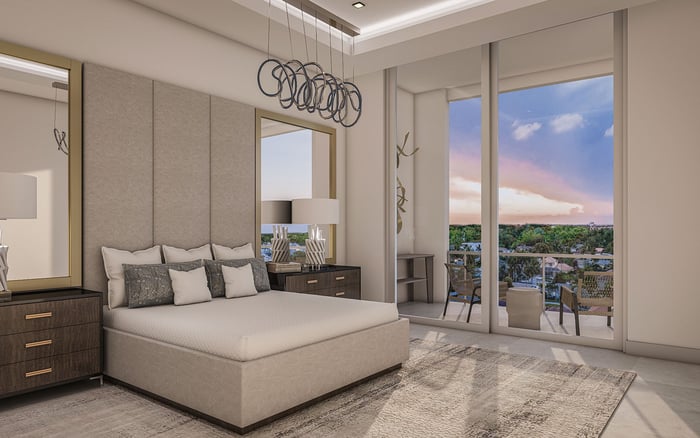
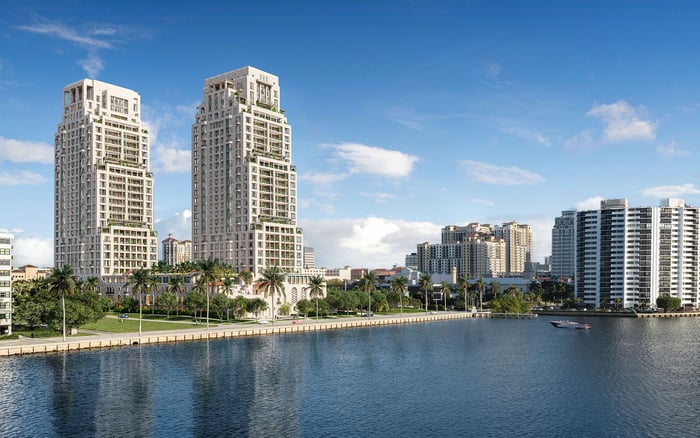
For Atherton buyers, the right Palm Beach residence is not simply beautiful. It must manage jurisdiction, parking, catering, noise, guest circulation, private quarters, community rules, and parcel-specific taxes with equal discretion.
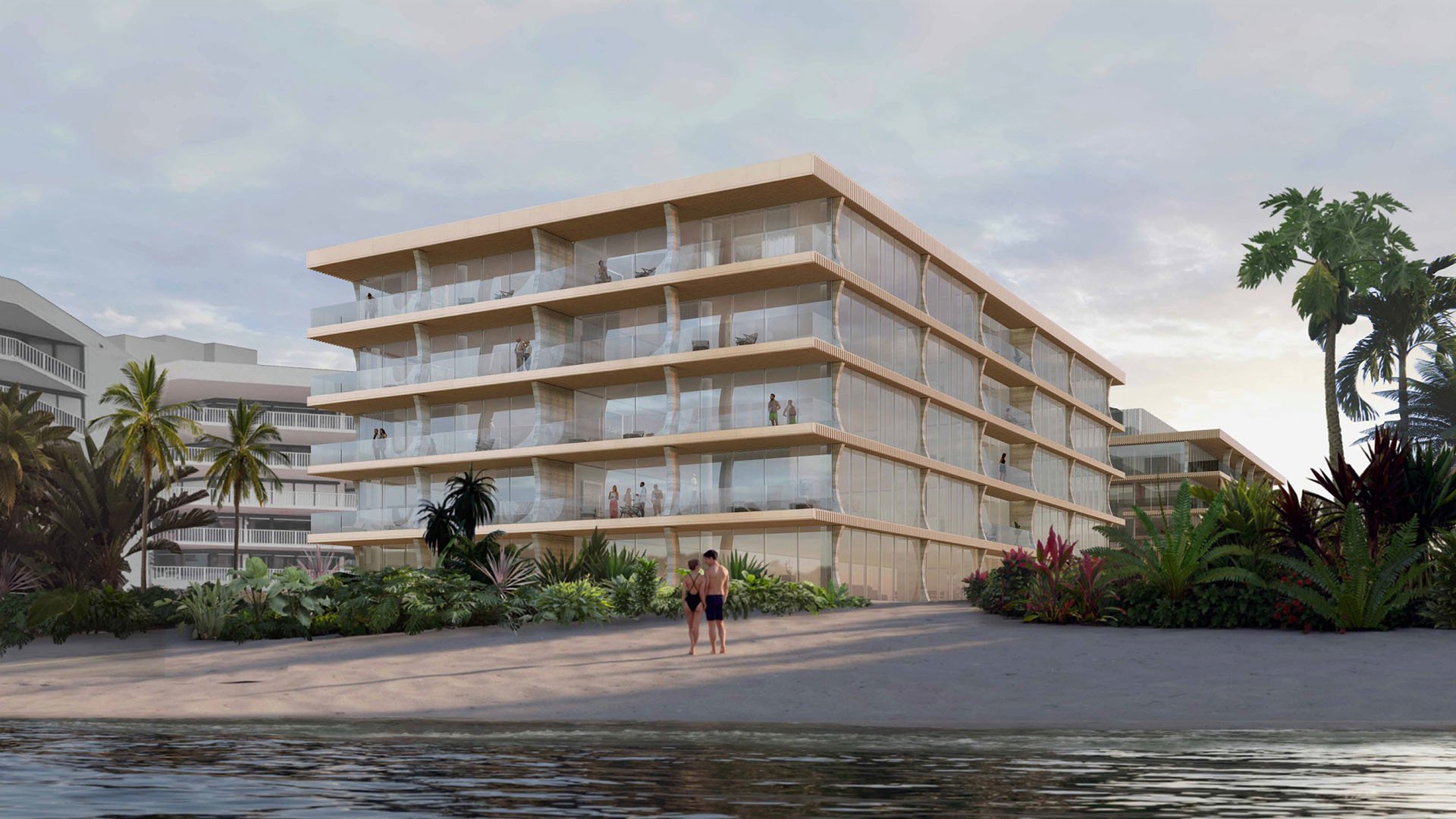
For an Atherton household accustomed to privacy, generous grounds, and controlled entertaining, a Palm Beach purchase should be evaluated as both a residence and an operating environment. During a busy cultural period, an elegant dinner may involve valet teams, caterers, florists, rental deliveries, security, entertainers, and repeated guest arrivals within a narrow window.
The acquisition brief should therefore extend beyond architecture and square footage. The ability to manage arrivals, service access, sound, and private rooms can determine whether a home remains serene when the social calendar is busiest.
The best entertaining residence makes complex event operations nearly invisible.
A buyer should identify the municipality governing each candidate property before reaching conclusions about event permissions, noise, valet operations, or temporary installations. Local counsel and the appropriate municipal departments can then confirm which requirements apply to the household's intended use.
This review should begin before an offer becomes unconditional. The buyer's advisers can outline the anticipated guest count, parking plan, catering activity, music, alcohol service, temporary equipment, and event schedule when requesting written guidance. A general description such as “private entertaining” may not capture the operational details that matter.
The property's ability to keep arrivals, parking, and service activity within its boundaries is an important advantage. It reduces dependence on arrangements that may require separate authorization or coordination with third parties.
A formal motor court is more than a visual gesture. It can provide a controlled setting for vehicles to queue, unload, turn, and depart while keeping the principal entrance composed. During tours, buyers should test whether the arrival sequence would remain workable when guests, vendors, and household staff are moving at the same time.
Confirm where a valet podium could be positioned, how pedestrians would reach the entrance, and whether service and emergency routes would remain unobstructed. Any plan involving off-site parking should be verified rather than presumed, including the right to use the proposed location and the route between that location and the residence.
This discipline applies across property formats. A buyer considering Palm Beach Residences should examine the governing jurisdiction and current operating rules rather than infer event flexibility from presentation alone. In West Palm Beach, South Flagler House West Palm Beach offers another point of comparison, subject to project-specific diligence.
Caterers, vendors, and entertainers should be considered a coordinated operational group, not incidental visitors. The strongest plan distinguishes the guest approach from deliveries, equipment staging, food preparation, waste removal, and breakdown. Without that separation, staff may cross the arrival sequence, rental cases can occupy visible areas, and private rooms may become shortcuts.
Look for a discreet loading position, a protected route to the kitchen or event pantry, equipment-holding space, and practical door clearances. The route should avoid principal galleries and owner-only rooms. A secure service entrance can also support vendor check-in without slowing guest arrivals.
Temporary tents, generators, stages, signs, cooking equipment, and alcohol service should be discussed with the relevant authorities and property representatives in advance. A terrace that depends on substantial temporary infrastructure may be less adaptable than an enclosed entertaining room that performs well on its own.
Gates and hedges form an initial boundary, but event privacy depends on internal control. An effective plan combines a managed entry, a defined vendor route, discreet loading, and an owner-only zone that can be physically secured. Bedrooms, family rooms, offices, art storage, and personal corridors should remain inaccessible while public rooms are active.
Acoustics deserve the same attention. Buyers should evaluate door seals, the position of neighboring residences, proposed speaker locations, and the way sound might travel from terraces or gardens. A flexible indoor alternative can preserve the evening if an outdoor program becomes unsuitable.
For condominium buyers, privacy also depends on shared systems. At Mandarin Oriental Residences, West Palm Beach and The Ritz-Carlton Residences® West Palm Beach, diligence should cover current building rules, guest processing, vendor access, delivery windows, insurance requirements, service elevators, security arrangements, and event frequency. Services and permissions should be confirmed through current governing documents and written responses.
The decision is ultimately one of operating fit. An estate or single-family home may provide physical separation, but it still calls for municipal review, a workable arrival plan, and careful management of vendors. A gated setting can add controlled access, while association or club rules may create another layer of review for guests, deliveries, music, valet activity, equipment, or event frequency.
Condominium living may place portions of arrival and security management within shared systems, but those systems operate under building procedures. Banyan Tree Residences West Palm Beach is another relevant comparison for buyers evaluating this format, with event permissions and service procedures to be verified directly.
The preferred format should match the household's actual calendar rather than an abstract idea of convenience. Buyers who entertain frequently may value service circulation and adaptable interior rooms more than a dramatic terrace. Those planning smaller gatherings may prioritize security, simplified maintenance, and a controlled guest experience.
Ask qualified local advisers and the governing authorities to identify the approvals that may apply to the proposed entertaining program. Obtain current association, condominium, or club provisions addressing guests, vendors, deliveries, insurance, cooking, equipment, security, music, alcohol service, and event frequency.
Then conduct a physical event walk-through with the appropriate advisers. Trace guest arrival, catering access, staging, staff circulation, waste removal, and breakdown. Identify where the owner can retreat without crossing an active service route, and determine which doors or corridors would need access control.
Written diligence should also distinguish everyday household use from occasional larger gatherings. A residence may function beautifully for family dinners yet become difficult when multiple vendors arrive simultaneously. Testing both scenarios helps expose compromises before closing.
Art-week entertaining adds a collection-management dimension to the property decision. Buyers should consider whether guest routes pass close to artwork, whether service teams must move equipment through display areas, and whether private collection spaces can be secured independently.
Lighting, wall placement, door swings, and circulation widths can influence how comfortably art and entertaining coexist. Any environmental, security, installation, or insurance requirements for a collection should be assessed by the buyer's qualified specialists. The real-estate plan should support that advice rather than force the collection into unsuitable circulation zones.
Property-tax planning should be completed for the specific parcel rather than inferred from the current owner's bill or from another residence. Qualified advisers can evaluate expected taxable value, potential exemptions, applicable millage, and non-ad valorem assessments based on the buyer's circumstances.
The broader ownership model should also account for the operating features that make entertaining practical, including staffing, security, landscape care, association charges, and maintenance of service areas or arrival courts where applicable. Estimates should be based on property-specific documents and professional guidance.
For an Atherton buyer, the final decision should balance beauty with control: the capacity to welcome guests graciously, manage vendors discreetly, respect governing rules, protect art, and preserve a genuinely private home after the final departure.
For discreet guidance on selecting a Palm Beach residence suited to your entertaining and privacy priorities, connect with MILLION.
If branded residences are on your mind — as a home or as an allocation — we would be glad to share what we are seeing, privately.
Begin a quiet conversationThe governing municipality can affect which event, noise, parking, and temporary-installation requirements apply. Buyers should obtain property-specific guidance from qualified local advisers and authorities.
On-site capacity can simplify arrivals and reduce dependence on separate parking arrangements. The proposed circulation plan should be tested at the property.
Review vehicle queuing, unloading, turning, pedestrian movement, service access, and emergency clearance. The space should function under a realistic guest-arrival scenario.
No. The right to use any proposed off-site location and the related operating plan should be verified in advance.
Tents, generators, stages, signs, cooking equipment, and alcohol service should be discussed with the relevant authorities and property representatives. Applicable requirements depend on the property and event plan.
A separate vendor entrance, discreet loading area, direct kitchen route, staging space, and independent waste-removal path can create a stronger operating plan.
Use controlled entry, separated guest and vendor circulation, and an owner-only zone that can be secured. Interior zoning is as important as perimeter screening.
Review current provisions for guests, vendors, deliveries, insurance, valet operations, equipment, security, music, alcohol service, and event frequency.
Buyers should assess guest and vendor routes, secure collection areas, display walls, lighting, and installation access. Collection-specific requirements should be reviewed by qualified specialists.
Use parcel-specific information and qualified advice to evaluate taxable value, potential exemptions, applicable millage, and non-ad valorem assessments. Do not rely solely on the current owner's bill.