In South Florida’s luxury market, smart-home value is shifting from novelty to infrastructure. The most sought-after upgrades in 2026 are the ones that disappear into architecture: unified control, biometric entry, wellness-forward lighting and shading, zoned comfort, and AI-enhanced safety. Here is how discerning buyers can evaluate the systems that matter most, and why execution and integration now separate a truly turnkey residence from a good-looking one.
South Florida buyers have long embraced technology, but the priority has evolved. In 2026, the most valuable smart-home upgrades are not the loudest or newest-they are the ones that remove friction: fewer logins, fewer apps, fewer points of failure, and fewer compromises between design and performance.
That shift is especially relevant in Miami and its coastal enclaves, where homes must balance expansive glazing, ocean light, humidity, and a lifestyle that moves between full-time living and lock-and-leave ease. In practice, demand is consolidating around five expectations: unified orchestration, higher-assurance entry, wellness-forward lighting and shading, zoned comfort, and security that is both smarter and calmer.
Across Brickell, Miami Beach, Sunny Isles, and Bal Harbour, this “invisible infrastructure” mindset is also reshaping how premium buildings are marketed and evaluated. A beautiful interior is no longer enough; sophisticated buyers want a home that performs like a well-run boutique hotel suite-personalized, predictable, and private.
1. Unified control platforms whole-home orchestration The clearest signal in luxury smart homes is consolidation. Buyers increasingly expect one dependable control layer that unifies lighting, shading, HVAC, audio-video, and security-instead of managing a patchwork of disconnected apps. When unified control is executed well, the home becomes instinctive: scenes, schedules, and routines work reliably whether you are in residence, arriving from the airport, or managing remotely.
This is also where quality becomes unmistakable. A premium ecosystem is less about a tablet on the wall and more about the backbone behind it: stable networking, disciplined programming, and a control experience that remains consistent year after year.
2. Biometric smart entry systems next-gen authentication Smart entry is moving beyond codes and keypads toward biometric modalities such as facial recognition and vein or palm-based identification. For luxury buyers, the appeal is twofold: convenience that feels immediate and security that feels higher-assurance.
In South Florida, where second homes and frequent travel are common, biometric entry also supports a cleaner operational model. It reduces key handoffs, enables more intentional temporary access, and keeps arrival seamless for residents and trusted staff.
3. Circadian lighting + motorized shades wellness meets daylight control Lighting and shades now sit at the center of luxury automation because they define how architecture is experienced, hour by hour. Layered lighting tuned to mood and task is becoming standard, while motorized shades are increasingly treated as core infrastructure for privacy, glare control, and daylighting-not a niche add-on.
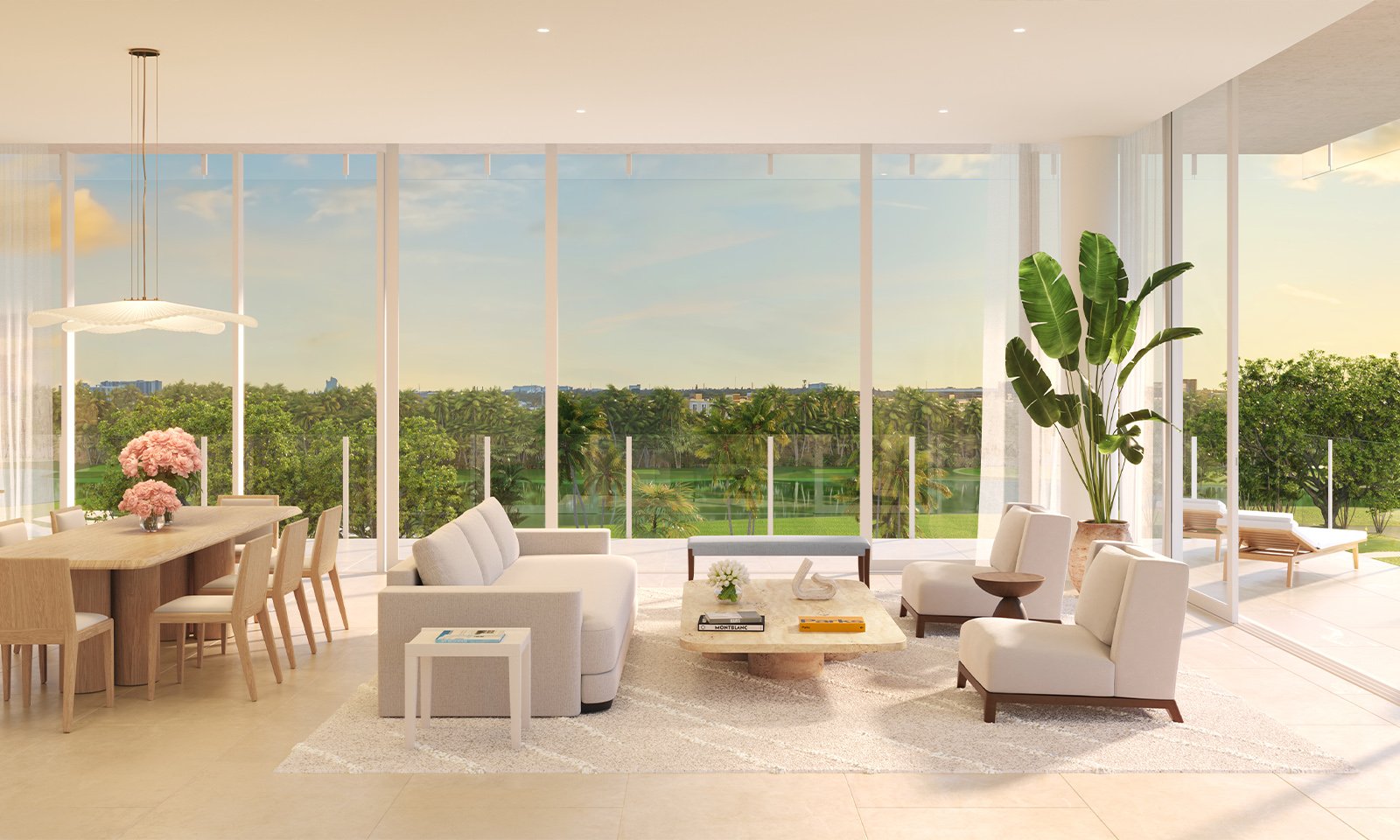
For waterfront living, this matters. Shades can quietly manage morning glare, preserve views at the right moments, and deliver evening privacy without turning the home into a mirrored aquarium. Circadian-minded lighting cues can support a calmer daily rhythm, especially in residences where floor-to-ceiling glass blurs the boundary between interior and exterior.
4. Smart HVAC with zoning and advanced controls room-by-room comfort Large residences rarely feel luxurious if comfort cannot be tuned precisely. Smart HVAC zoning allows different areas of a home to be conditioned independently, improving comfort and reducing waste in oversized volumes.
Advanced controls add refinement: more intelligent scheduling, more responsive setpoints, and a clearer understanding of how the home is actually used. For penthouses and larger floorplans, zoning becomes less a feature and more a prerequisite for quiet, balanced comfort.
5. Integrated security + monitoring AI-enhanced detection Security has expanded beyond cameras and contact sensors into more intelligent monitoring, including newer approaches to fire detection that use sensor fusion and machine learning to reduce false alarms and improve detection. In practical terms, buyers want fewer nuisance alerts and greater confidence that the system will perform correctly when it matters.
This category also benefits from professional integration. When safety, entry, lighting, and notifications operate as one system, a home can shift into “protect” mode automatically at night or while you are away-without turning daily living into an endless stream of prompts.
The throughline across the top five is not a specific gadget. It is orchestration. In a luxury context, smart-home capability is measured by the calm it creates.
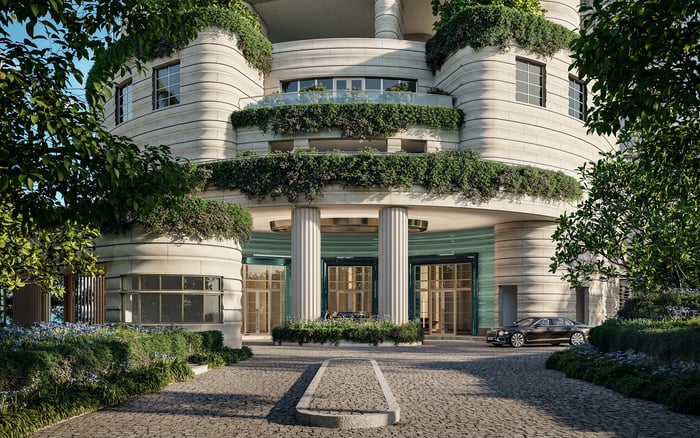
That calm becomes especially valuable in high-density, high-service neighborhoods. In Brickell, for example, a residence such as St. Regis® Residences Brickell often resonates with buyers who want a seamless blend of privacy, views, and a turnkey lifestyle. In that environment, unified control and integrated security are less about novelty and more about running a high-value home with the same precision you expect from the building’s hospitality layer.
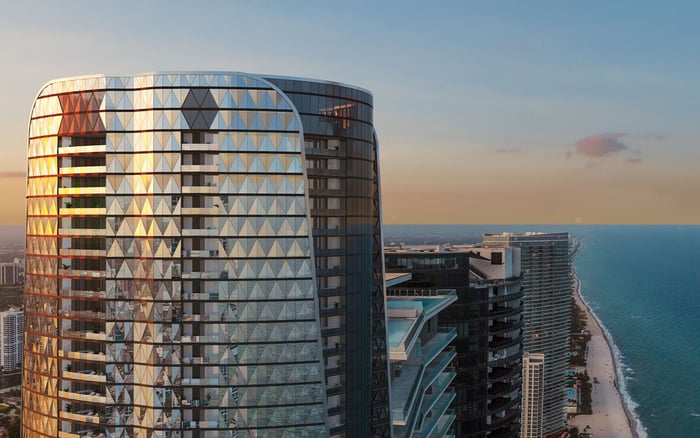
In Miami Beach, day-to-night transitions are part of the architecture. A property like The Perigon Miami Beach speaks to a clientele that values atmosphere: morning light, controlled glare, and a sense of retreat when the city is active. Circadian lighting paired with motorized shades is one of the few upgrades that can make a beautiful interior feel consistently livable across seasons and schedules.
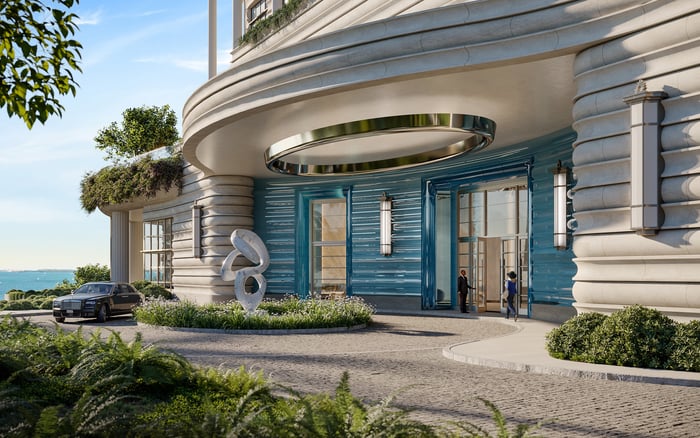
Further north, Sunny Isles often attracts buyers who prioritize panoramic water views and lock-and-leave ease. In that setting, the expectation is a residence that self-manages quietly. A building such as Bentley Residences Sunny Isles naturally aligns with the 2026 emphasis on automation that feels architectural: predictable arrival scenes, privacy-first shading, and zoned comfort that adapts to how the home is used.
And in Bal Harbour, where discretion is part of the purchase logic, the value of biometric entry and well-integrated monitoring becomes especially clear. A residence like Rivage Bal Harbour fits an audience that wants security to be comprehensive but understated-present without being performative.
Luxury buyers can purchase the best products; the differentiator is how well everything is stitched together.
First, avoid app fragmentation. If lighting, shades, climate, and security each demand their own interface, the home will read like a collection of accessories rather than a cohesive residence.
Second, treat privacy as a design requirement. Connected homes now carry an expectation of data minimization and safer architectures, particularly as AI becomes embedded in more devices and experiences. In 2026, sophisticated buyers ask not only what the system can do, but where it sends data, what it listens for, and how control is secured.
Third, consider resilience as part of the smart-home conversation. As homes add more electronics, panel-level whole-home surge protection is increasingly relevant as a way to reduce damage risk across connected devices. Many owners also view whole-home battery storage as a resilience strategy for extended outages-reinforcing the idea that a luxury residence should remain calm and functional even when the grid is not.
Finally, AI is increasingly part of the background. That can be a meaningful upgrade when it improves detection and reduces false alarms, but it also raises the bar for privacy and system design.
When touring new construction or evaluating a renovation, ask questions that reveal the quality of execution.
Start with orchestration: can the residence run daily life through scenes and schedules that unify lighting, shades, climate, and security? Then look at comfort: is HVAC zoned to match the floorplan, or will one area always feel overcooled while another lags behind?
Next, evaluate the arrival and departure experience. Geofencing is a common automation trigger that can cue routines based on a phone’s location, useful for pre-conditioning the home or adjusting lighting when you return. The point is not novelty; it is predictability.
Finally, assess how safety is handled. Integrated monitoring should feel like a quiet layer of assurance, not a stream of interruptions. The best systems reduce false alarms, deliver clear notifications, and connect logically to lighting and access.
What is the single most valuable smart-home upgrade in 2026? Unified whole-home control, because it replaces app overload with reliable orchestration.
Are biometric locks actually more secure than keypads? Premium systems are moving toward higher-security biometric modalities, beyond keypad-only entry.
Why are motorized shades considered a core luxury feature now? They deliver privacy, glare control, and daylight management as part of daily comfort.
What does circadian lighting mean in a residence? It refers to lighting scenes that better align with daily rhythms, shifting tone and intensity over time.
Is HVAC zoning worth it in larger South Florida homes? Yes, zoning allows different areas to be conditioned independently, improving comfort and reducing waste.
How is AI changing home security and safety? AI is increasingly embedded to improve detection and reduce false alarms, including in fire detection.
Will Matter solve smart-home compatibility issues? Matter is positioned as an interoperability standard intended to help devices work across ecosystems.
Should buyers worry about smart-home privacy? Privacy positioning is increasingly explicit, and buyers should ask how data is handled and secured.
Is whole-home surge protection relevant for luxury residences? Yes, panel-level surge protection is designed to reduce damage risk across connected devices.
What makes a smart home feel truly “luxury” day to day? Systems that are stable, unified, and discreet, so the home feels calm rather than complicated.
If you'd like a private walkthrough and a curated shortlist, connect with MILLION Luxury.
If branded residences are on your mind — as a home or as an allocation — we would be glad to share what we are seeing, privately.
Begin a quiet conversation