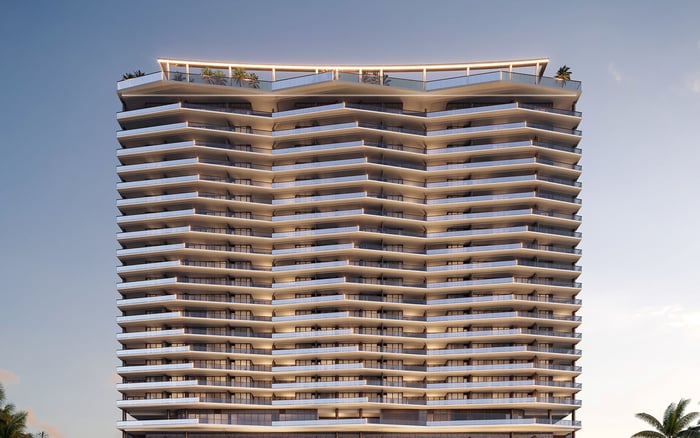
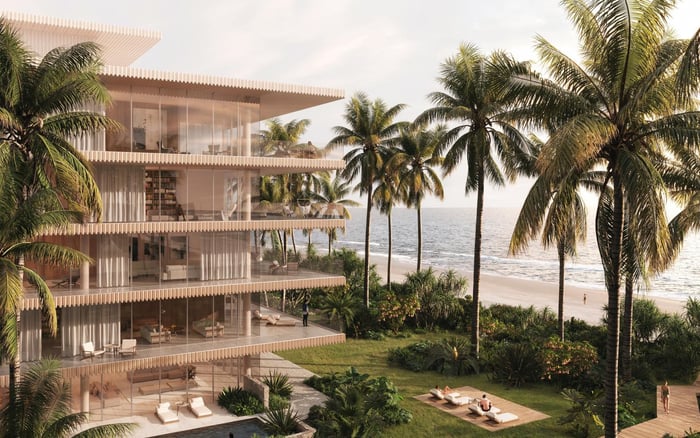
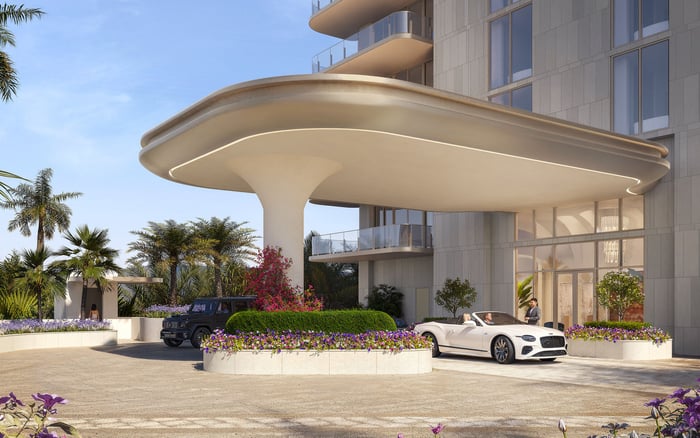
A discreet buyer’s guide to choosing Palm Beach County residences that balance walkable daily life with a quieter, more residential sense of arrival.
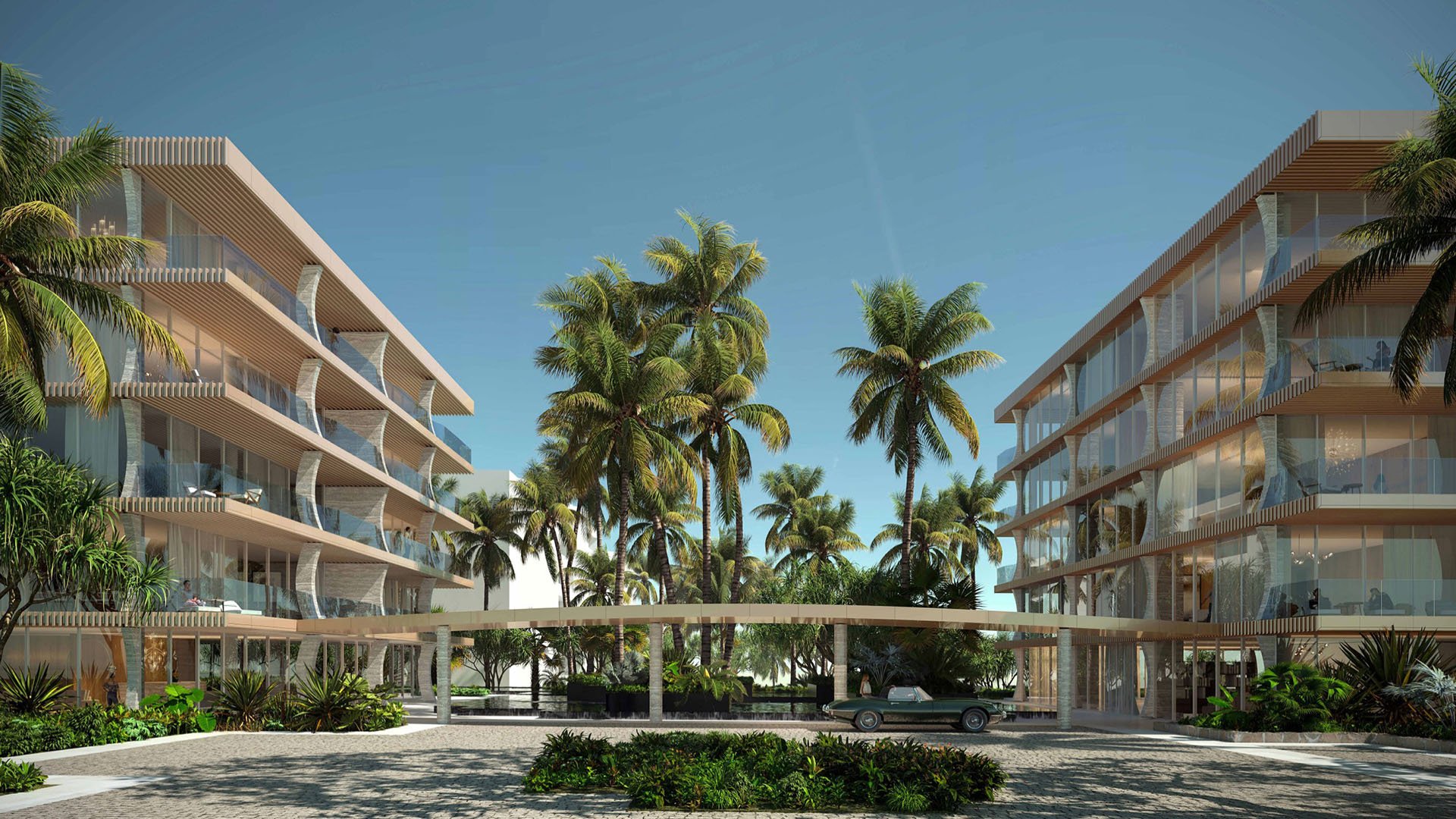
For a certain Palm Beach County buyer, the ideal residence is not defined by spectacle. It is defined by a refined daily rhythm: coffee within a short walk, errands without a car, a gracious lobby or front garden, and an evening return that feels composed rather than exposed. Walkability is desirable, but not when it brings the late-night soundtrack of bar districts, valet congestion, and weekend revelry.
The most successful search begins with a subtle distinction. A lively area is not the same as a noisy one, and a convenient address is not always the most livable. The best residences for this brief sit close to useful amenities while avoiding the pressure points that create nightlife noise. They favor residential edges, side streets, landscaped buffers, thoughtful building entries, and circulation patterns that do not place the home directly in the path of late-night traffic.
In Palm Beach, West Palm Beach, and Boca Raton, the real art is not the neighborhood label alone. It is the ability to read a location at different hours and understand whether the convenience remains elegant after dark.
1. In-town condominium - calm edge near everyday conveniences
The strongest fit is an in-town condominium positioned close enough for daily walking, yet removed from the loudest commercial frontage. This is the residence for buyers who want a polished morning routine, predictable access to services, and the ability to dine out without turning the home itself into part of the evening scene.
The key identifier is not proximity alone. It is the quality of the approach. A quieter entry sequence, limited late-night pedestrian spillover, and a residential-feeling block can make the difference between useful walkability and constant activity.
2. Boutique building - residential scale with a discreet arrival
A Boutique residence can suit buyers who value privacy as much as convenience. Smaller scale can feel more personal, and when paired with a calm street presence, it may offer a quieter alternative to larger buildings that draw heavier traffic throughout the day and evening.
The appeal is especially clear for owners who want walkability without a hotel-like atmosphere. Look for a sense of control at the entrance, an understated drop-off, and common areas that support daily living rather than spectacle.
3. Park-adjacent residence - walkability organized around open space
A residence near green space can offer a different form of walkable luxury. Instead of relying only on retail or dining, the daily routine expands to include morning walks, dog outings, and a softer transition between home and neighborhood.
The key is adjacency, not exposure. The best version places the home near useful outdoor space while preserving privacy and avoiding the most active gathering points. For noise-sensitive buyers, the position within the building or site can matter as much as the broader neighborhood.
4. Beach-access residence - coastal convenience without resort noise
Beach-access can be highly compelling when paired with a residential setting. The goal is not to be in the middle of every seasonal movement, but to enjoy the coast as part of an everyday routine. For many buyers, the most desirable home is close enough to reach the water easily while still maintaining a quiet sense of retreat.
This profile rewards careful attention to access paths, parking patterns, and guest circulation. A home can be near the beach and still feel peaceful if the arrival and building orientation are thoughtfully separated from the busiest routes.
5. New-construction residence - modern comfort with acoustic discipline
New-construction can appeal to buyers who want contemporary systems, fresh interiors, and amenities designed for present-day living. For the quiet-walkability buyer, the most important questions involve building placement, glazing, amenity location, and how shared spaces are arranged relative to private residences.
A newer residence should be evaluated not just for finishes, but for how it manages sound, movement, deliveries, guest flow, and service access. The best examples feel calm even when the surrounding neighborhood is active.
Walkability is often reduced to distance, but luxury buyers should think in layers. The first layer is practical: groceries, dining, wellness, services, and outdoor space. The second is experiential: shade, sidewalks, crossings, lighting, landscaping, and the feel of the route. The third is acoustic: what happens after dinner, on weekends, during seasonal peaks, and near service corridors.
A residence can be a short walk from everything and still feel compromised if the building sits beside a late-night congregation point. Conversely, a home slightly farther from the center of activity may provide a better daily experience if the walk is pleasant and the home remains serene. In Palm Beach County, the quietest luxury is often found not at the loudest corner, but one or two movements away from it.
The first priority is the threshold between public and private. A gracious arrival should not feel like an extension of the street. Whether the residence is a condominium, villa-style home, or townhome, the transition into privacy should be legible and calm.
The second priority is sound behavior at different hours. A midday showing rarely tells the full story. A careful buyer should understand morning deliveries, evening restaurant traffic, weekend activity, and seasonal changes in use. The goal is to identify homes that remain composed across the full week.
The third priority is the shape of convenience. Not every amenity needs to be directly downstairs. In fact, a short walk may be preferable if it protects the residence from crowding and noise. The best addresses offer access without absorbing the full energy of the destination.
Finally, the building itself matters. Window quality, unit orientation, elevator placement, amenity programming, garage access, and service circulation can either enhance tranquility or undermine it. A quiet location can still feel busy if the building is poorly organized.
For buyers who prize walkability without nightlife noise, the right residence should pass a simple emotional test. It should make daily life easier without making private life feel public. It should support spontaneity without requiring constant tolerance. It should feel connected to the neighborhood, but not consumed by it.
That balance is especially important for second-home owners, downsizers, and buyers relocating from denser urban markets. Many arrive wanting convenience, then quickly realize that quiet is the true premium. In this segment, serenity is not the absence of activity. It is the careful management of activity around a beautifully chosen home.
What does walkability mean for a luxury buyer in Palm Beach County? It means practical daily access without surrendering privacy, comfort, or a calm residential atmosphere.
Can a residence be walkable and still quiet? Yes. The best examples sit near useful amenities while avoiding the loudest nightlife corridors and traffic points.
Is being closest to restaurants always best? Not necessarily. A short, pleasant walk can be more desirable than living directly above or beside evening activity.
Why does building orientation matter? Orientation affects sound, views, privacy, and the way a residence experiences street movement at different hours.
Are Boutique buildings better for quiet living? They can be, especially when their scale, entry sequence, and shared spaces are designed with privacy in mind.
Should buyers visit a property at night? Yes. Evening and weekend visits can reveal sound patterns that are not obvious during a daytime showing.
Does Beach-access always mean more noise? No. It depends on access routes, parking behavior, building placement, and the surrounding residential character.
What should downsizers prioritize? They should prioritize convenience, acoustic comfort, service quality, storage, parking, and an easy daily routine.
Is New-construction automatically quieter? Not automatically. Buyers should assess glazing, layout, amenity placement, service flow, and surrounding activity.
What is the simplest way to compare residences? Compare how each home feels in the morning, afternoon, evening, and weekend rather than relying on one impression.
When you're ready to tour or underwrite the options, connect with MILLION.
If branded residences are on your mind — as a home or as an allocation — we would be glad to share what we are seeing, privately.
Begin a quiet conversation