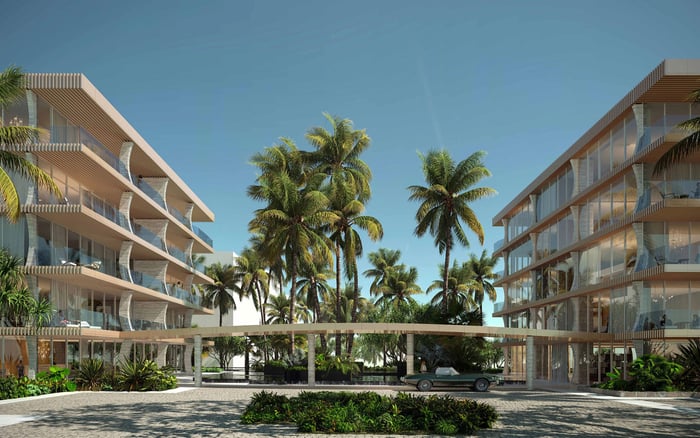
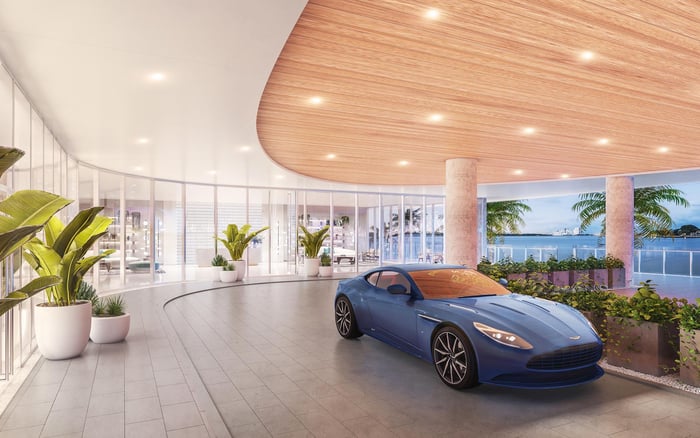
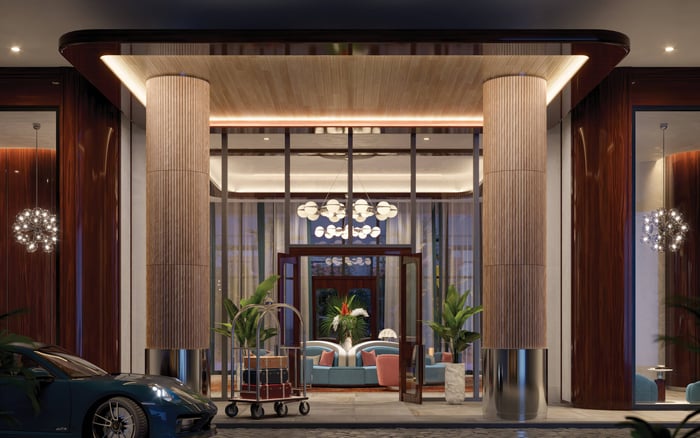
A discreet buyer’s guide to Palm Beach County residence types that balance privacy, controlled access and elegant daily living without sacrificing light, warmth or ease.
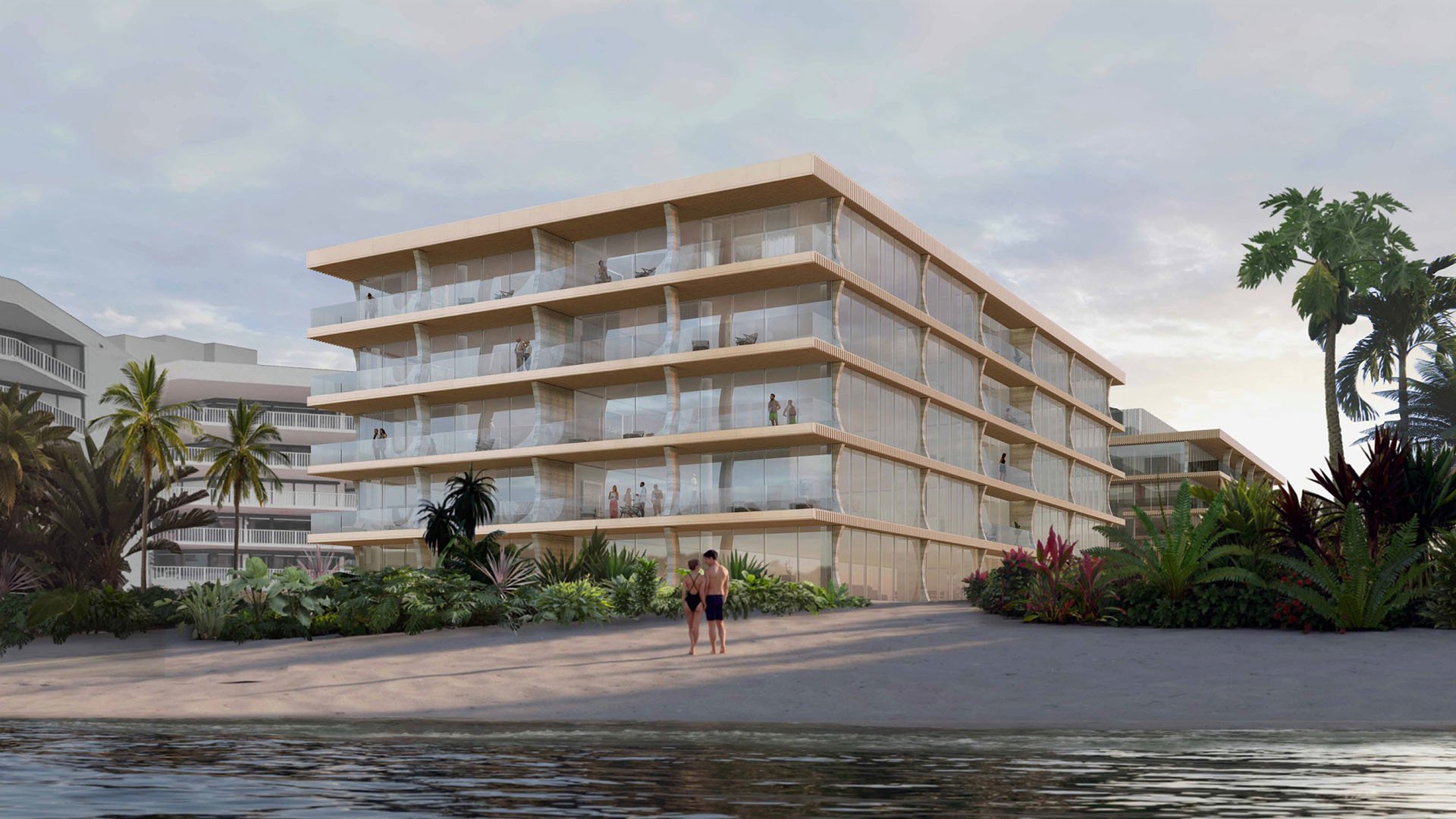
For the most discerning Palm Beach County buyer, security is rarely about visible force. It is about an atmosphere of ease: arriving without spectacle, hosting without friction and retreating without feeling enclosed. The most successful residences do not announce protection. They weave it into landscaping, circulation, staffing, architecture and daily ritual.
That distinction matters. A fortress may defend, but it can also diminish the pleasure of living. A beautifully planned secure residence does the opposite. It creates calm before the front door opens, then allows the interiors to feel expansive, social and light. Privacy is present, but never theatrical.
In Palm Beach, West Palm Beach and Boca Raton searches, buyers often use different language for the same priority. Some ask for discretion. Others ask for controlled access, limited exposure, private arrivals or a residence that can be managed easily when they are away. Whether the preference is a gated community, single-family home or new construction, the best answer is rarely a single feature. It is a sequence.
1. Walled estate residence - landscaped privacy with graceful arrival
The classic Palm Beach County answer to security is not a wall alone, but a layered composition: mature planting, a deliberate entry sequence, setback from the street and a home that can receive guests without exposing the entire property. The strongest estate residences create a sense of procession rather than defense.
This profile works especially well for buyers who want autonomy, outdoor space and private entertaining. The key is balance. A residence should feel open from within, with gardens, terraces and water or sky views doing the emotional work, while the perimeter remains quiet and controlled.
2. Boutique condominium residence - limited scale, controlled circulation
A boutique building can be compelling for buyers who want privacy without maintaining a full estate. Smaller scale may reduce the number of shared encounters, while attended entries and carefully planned elevator access can give residents a sense of order from arrival to residence.
The best examples feel residential rather than institutional. Look for buildings where lobby choreography, valet flow, service access and amenity placement are treated as part of the lifestyle, not added as afterthoughts. Security should support the elegance of coming home.
3. Waterfront residence - natural separation with open views
Waterfront settings can offer a rare emotional advantage: openness and privacy at the same time. A residence can feel visually expansive while limiting exposure on one or more sides, especially when outdoor living areas are positioned thoughtfully.
For buyers who do not want a sealed environment, this profile can be especially attractive. The experience is less about withdrawal and more about selective openness. The residence breathes toward the water, while arrival, parking and service areas remain discreet.
4. Full-service condominium residence - staffing as the security layer
Some buyers prefer security delivered through hospitality. In a full-service condominium, the most important layer may be the human one: trained staff, consistent protocols, guest management and a calm front-of-house culture.
This profile suits residents who travel often, maintain multiple homes or want lock-and-leave simplicity. The goal is not merely access control, but continuity. A well-run building remembers preferences, manages arrivals smoothly and protects privacy without making residents feel watched.
5. Private club-oriented residence - lifestyle enclosure without isolation
For some buyers, the most natural form of security is a community where daily life unfolds within a known environment. Club-oriented living can offer controlled access, familiar routines and a social framework that feels curated rather than restrictive.
The appeal is psychological as much as practical. Residents can move between home, recreation and dining with fewer transitions. When done well, the setting feels like a private world, but not a fortified one.
The difference between protective and oppressive design often comes down to sightlines. If the first impression is a guard position, a gate mechanism or a hard barrier, the residence can feel defensive before it feels welcoming. If the first impression is landscape, proportion, shade and a gracious approach, security recedes into the background.
Buyers should pay close attention to how they enter the property. Is there a place for a driver to wait without crowding the front door? Can guests be received without crossing private family zones? Is there a separate service rhythm for deliveries, staff and maintenance? Can the owner arrive quietly, even during a gathering?
Interior planning matters as well. A secure residence should still feel generous. High ceilings, natural light, thoughtful glazing and garden connections can soften the experience of privacy. The best homes prove that controlled access and openness are not opposites.
In ultra-premium real estate, security is as operational as it is architectural. A beautiful gate means little if guest arrivals feel chaotic. A refined lobby loses its poise if packages, vendors and visitors all move through the same visible channel. The most desirable residences make daily logistics disappear.
For condominium buyers, this means studying the quality of arrival and service spaces as closely as the view. For estate buyers, it means understanding how the property functions when the owner is in residence, when the home is being hosted and when it is vacant. A secure home should become easier to live in over time, not more complicated.
The right property also respects discretion. Not every residence needs to display every amenity. In fact, the most sophisticated homes often conceal their most practical strengths: backup systems, staff areas, storage, camera placement, lighting scenes and controlled access points. The luxury is not in seeing the infrastructure. It is in never having to think about it.
Security-focused buyers sometimes overcorrect toward properties that solve one concern while creating another. A house may feel private but too closed. A building may be highly serviced but too busy. A community may feel controlled but not personal enough. The better question is not, “Is this secure?” It is, “Does this security support the way I actually live?”
A family that entertains frequently may prioritize guest flow and outdoor separation. A seasonal resident may care more about building management and lock-and-leave confidence. A collector may think carefully about service access, climate control and discreet delivery paths. A public-facing buyer may need privacy from the first moment of arrival.
The most successful purchase will feel calm in ordinary moments. Morning coffee, evening arrivals, weekends with guests, travel days and quiet nights should all be considered. Security is not a feature to admire once. It is a condition the residence must sustain every day.
What type of Palm Beach County residence feels most secure without feeling severe? A landscaped estate, boutique condominium or full-service building can all work if arrival, privacy and operations are handled with restraint.
Is a gated residence always the best choice for privacy? Not always. A gate is only one layer; the overall plan, exposure, staffing and guest flow may matter more.
How can a condominium feel private? Smaller scale, controlled circulation, attentive staff and thoughtful elevator access can make condominium living feel discreet.
Why do waterfront residences often appeal to security-minded buyers? Water can create natural separation while preserving open views, helping a residence feel expansive rather than enclosed.
What should buyers study during a showing? Arrival sequence, service access, sightlines, parking flow and how guests move through the property are all essential.
Can strong security coexist with indoor-outdoor living? Yes. The best residences use landscape, setbacks and planning so terraces and gardens still feel relaxed.
Is staffing important in secure luxury living? Yes. Trained staff and consistent protocols often determine whether privacy feels seamless or intrusive.
What is the main risk of choosing a fortress-like home? It may solve exposure concerns while reducing light, warmth and the sense of welcome that makes a residence livable.
Should seasonal buyers prioritize different features? Seasonal buyers often benefit from lock-and-leave simplicity, reliable management and clear vendor access.
What is the most important question before buying? Ask whether the property’s security supports your daily rhythm, entertaining style and desired level of discretion.
To compare the best-fit options with clarity, connect with MILLION.
If branded residences are on your mind — as a home or as an allocation — we would be glad to share what we are seeing, privately.
Begin a quiet conversation