A disciplined Fisher Island purchase begins with current reserves, audited financials, insurance documentation, budgets, assessments, and board disclosures.
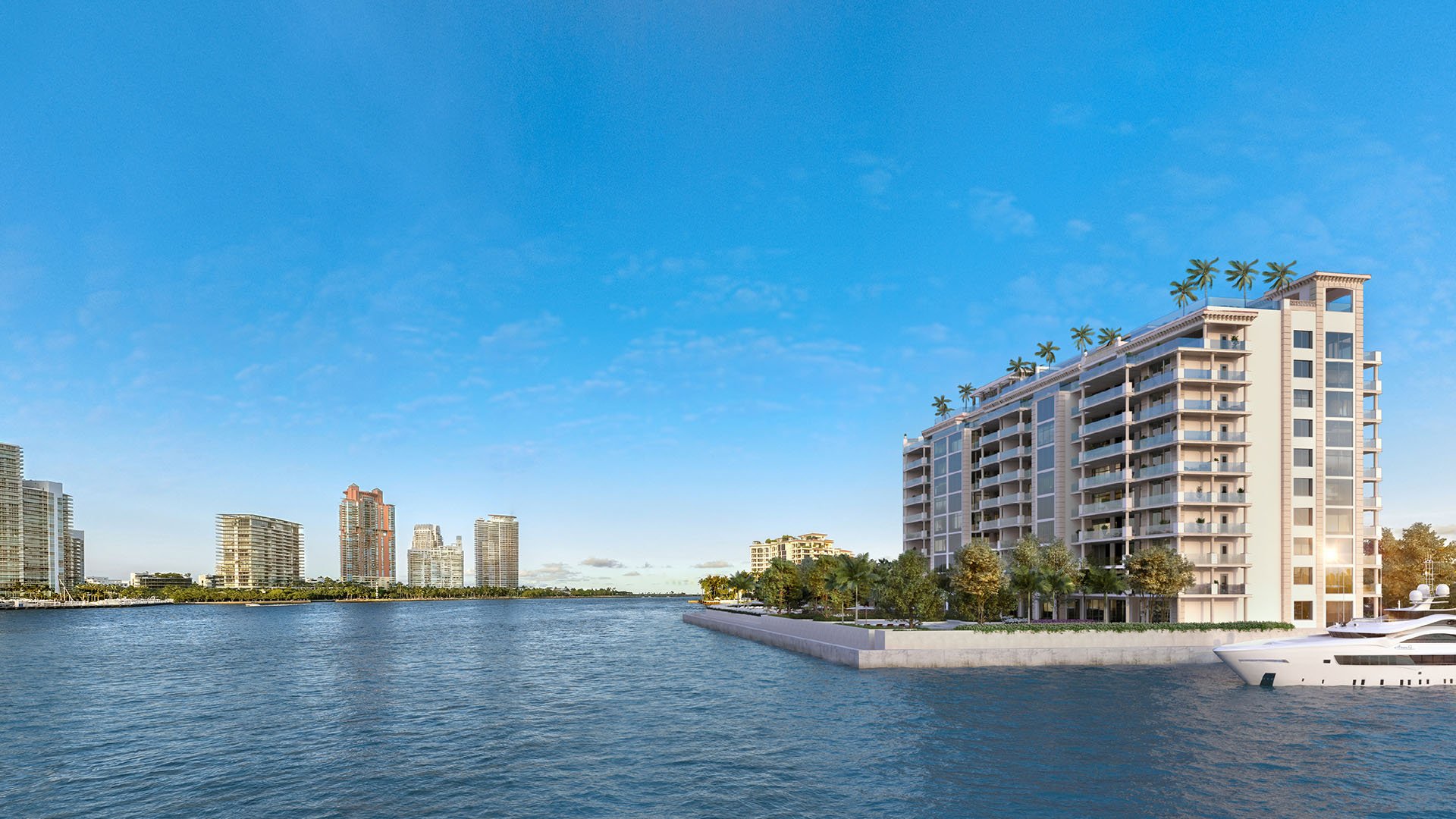
On Fisher Island, architectural distinction and privacy may define the first impression, but association strength shapes the ownership experience long after closing. For a buyer evaluating a primary residence, pied-à-terre, or long-term investment, the central question is not simply which condominium feels most compelling. It is which association can demonstrate disciplined planning through current, property-specific documentation.
Reserve adequacy cannot be inferred from prestige, asking price, age, amenities, or appearance. Buyers should examine the reserve study, audited financial statements, operating budget, insurance details, assessment record, and board disclosures together. Each document answers a distinct question, and the most persuasive choice is the one whose records present a coherent financial picture.
A rigorous review begins with liquidity and planning. The operating budget should explain recurring income and expenses, while the reserve study should identify anticipated capital components and the funding assumptions behind them. Audited financial statements can then help a buyer compare planned funding with the association’s reported financial position.
Insurance warrants separate attention. Coverage structure, deductibles, exclusions, and recent changes may affect both the association’s exposure and an owner’s personal insurance strategy. Assessment history and board disclosures add context, showing whether material obligations are already known, under discussion, or being allocated to owners.
For waterfront property, these questions deserve the same scrutiny as view corridors and interior condition. Resale appeal may also depend on how confidently a future buyer can review the same package.
Named residences can serve as an elegant starting point, but each must be evaluated through its own current records. A buyer might compare opportunities at Palazzo del Sol and Palazzo della Luna while reserving financial conclusions until the relevant association documents have been reviewed.
The same discipline applies when considering The Links Estates at Fisher Island or The Residences at Six Fisher Island. Project identity may frame the lifestyle conversation, but it cannot substitute for a property-specific analysis of reserves, insurance, budgets, disclosures, and assessments.
Miami Beach buyers comparing island ownership with other luxury submarkets should apply a consistent documentary standard. Marina access, finishes, services, and privacy may remain important preferences, but association obligations should be assessed independently.
1. Reserve-documented condominium - current reserve study
The first choice is a condominium whose association can provide a current reserve study with clear assumptions and clearly identified capital components. Buyers should compare projected obligations with the funding plan rather than relying on the reserve balance alone.
A strong file also enables counsel and financial advisers to test whether the study aligns with the budget and other disclosures. Current documentation gives the buyer a firmer foundation for evaluating future capital demands.
2. Financially transparent condominium - audited statements available
The second choice is an association supported by audited financial statements that can be reviewed alongside the current budget. The objective is to understand cash, receivables, liabilities, operating performance, and reserve positioning as an integrated picture.
Unexplained inconsistencies should prompt questions before contractual deadlines expire. Transparency is most valuable when records are timely, internally consistent, and responsive to professional review.
3. Budget-disciplined condominium - operating plan aligned with obligations
The third choice is a property whose operating budget clearly presents recurring costs and funding decisions. Buyers should examine whether income assumptions, expense categories, reserve contributions, and owner obligations are sufficiently explained.
A polished annual budget is not conclusive on its own. Its value lies in its alignment with financial statements, reserve planning, meeting materials, and any disclosed capital work.
4. Insurance-clear condominium - coverage and deductibles documented
The fourth choice is an association that can provide current insurance details for careful review. Buyers should understand coverage limits, deductibles, exclusions, and the division of responsibility between association policies and individual owner coverage.
This information should be considered alongside the residence’s intended use and the buyer’s risk tolerance. Insurance clarity can also help advisers identify potential costs not apparent in monthly charges.
5. Assessment-transparent condominium - board disclosures provide context
The fifth choice is a condominium where assessment history, pending obligations, and board-level discussions can be examined without ambiguity. Meeting materials and disclosures may help distinguish routine planning from potential owner liability.
Context is essential: what work is contemplated, how it may be funded, what has been approved, and what remains uncertain. A buyer should seek written clarification whenever the documents leave a material question unresolved.
The five profiles are best treated as a hierarchy. Begin with reserve planning, then test it against audited financial statements and the operating budget. Review insurance on its own terms, then examine assessments and board disclosures for obligations that may not yet be fully reflected elsewhere.
Monthly charges should never be viewed in isolation. A lower figure may reveal little about future capital needs, while a higher figure does not establish reserve adequacy on its own. The relevant issue is whether current owner contributions, available funds, and anticipated projects appear aligned after professional review.
Buyers should also align association risk with their ownership horizon. A long-term resident, seasonal owner, and buyer planning an extensive renovation may weigh timing, liquidity, and disruption differently. Legal, financial, insurance, and property-condition advisers should review the documents within the applicable contractual periods.
What is the first association document a Fisher Island buyer should request? Begin with the current reserve study, then compare it with the budget and audited financial statements.
Does a large reserve balance prove that an association is strong? No. The balance must be weighed against projected capital obligations and funding assumptions.
Why are audited financial statements important? They help buyers evaluate reported assets, liabilities, operating results, and reserve positioning together.
Should monthly association charges determine the ranking? No. Charges require context from budgets, reserves, insurance, services, and anticipated capital work.
How should insurance be reviewed? Examine coverage, deductibles, exclusions, and the boundary between association and owner responsibility.
Why does assessment history matter? It can provide context for prior funding decisions and potential owner obligations.
Are board minutes useful to buyers? Yes. They may clarify discussed projects, funding questions, and matters not apparent in headline figures.
Can project prestige replace financial due diligence? No. Every association requires a current, property-specific review, regardless of reputation or design.
Who should review the condominium documents? Qualified legal, financial, insurance, and property-condition advisers can assess distinct areas of exposure.
What makes one Fisher Island condo choice stronger than another? Clear, current, internally consistent records provide the most credible basis for comparison.
If you'd like a private walkthrough and a curated shortlist, connect with MILLION.
If branded residences are on your mind — as a home or as an allocation — we would be glad to share what we are seeing, privately.
Begin a quiet conversation