A buyer-focused ranking of five Bay Harbor Islands residences, led by Alana and 9900 West, with close attention to dining infrastructure, resident services, and the association documents that govern private events.
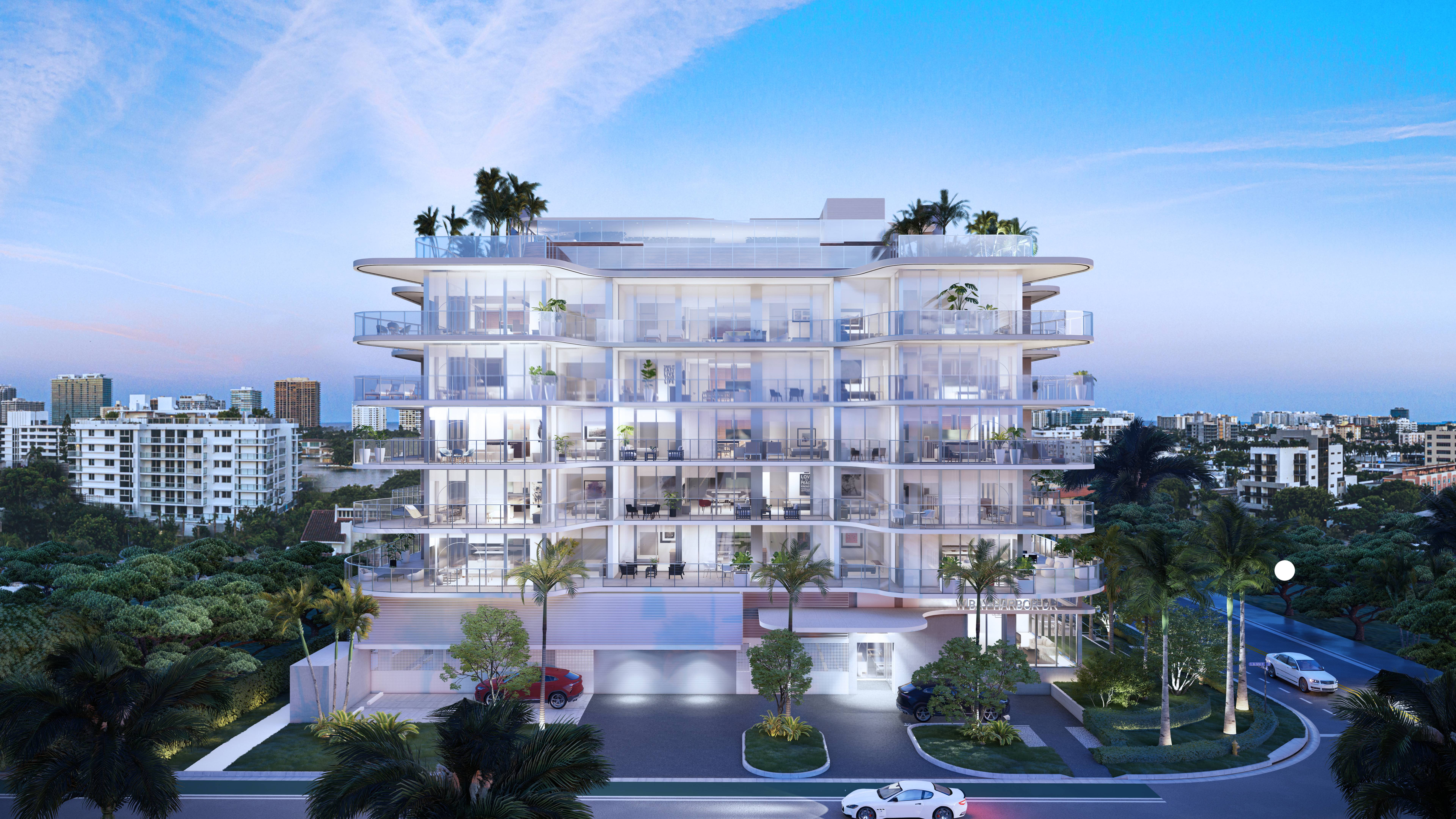
A lock-and-leave residence should make arrivals effortless, ownership manageable, and entertaining polished rather than operationally complex. In Bay Harbor Islands, that ideal depends on more than an attractive lounge or pool deck. The most compelling buildings pair inviting gathering spaces with practical food-service infrastructure, controlled access, and resident support.
The distinction between a summer kitchen and a catering kitchen is especially important. A summer kitchen generally supports outdoor cooking and casual dining, while a catering kitchen is better suited to professional staging and service away from the residential kitchen. Neither designation, however, automatically confirms that an outside chef, caterer, bartender, or rental company may enter the building.
Among the current choices, Alana Bay Harbor Islands stands out for the breadth of its social and rooftop settings. Yet the ultimate measure of convenience remains whether the condominium's current rules align with the owner's preferred style of hosting.
The finest entertaining amenity is one whose rules are as considered as its design.
1. Alana Bay Harbor Islands - 9901 West Bay Harbor Drive
Alana takes the top position for its layered entertaining program. Its resident social room features a bar, large-screen televisions, and lounge seating, with the space designed for events or meetings. Above, an open-air Sky Lounge adds another bar and several seating areas, while two rooftop summer kitchens support outdoor meals with family and friends.
The rooftop also includes a pool, whirlpool, sundeck, and private seating areas. A doorman, on-site guard, secured lobby, secure elevator, private lobby waiting area, and secured parking reinforce its lock-and-leave profile. Bosch appliances and in-unit laundry further support low-maintenance ownership.
2. 9900 West - 9900 West Bay Harbor Drive
9900 West offers the strongest direct match for catered private dining. Its private entertainment suite combines a dining area with a dedicated catering kitchen, allowing food preparation and service staging to take place apart from an owner's residential kitchen.
That separation matters for hosts who value a composed arrival sequence and discreet back-of-house function. For buyers considering 9900 West Bay Harbor Islands, the decisive follow-up is whether the suite can be reserved exclusively-and which vendors, fees, deposits, and service hours apply.
3. O Residences - 9821 East Bay Harbor Drive
O Residences takes entertaining outdoors with waterfront barbecue facilities and a summer-kitchen-style dining setup. Its third-floor amenity deck also incorporates a zero-edge sunset pool, hot tub, cabanas, and bayfront water deck, giving gatherings the atmosphere of a private resort setting.
Valet parking, attentive resident services, and a dedicated lobby front desk provide useful support for owners who come and go. The building is a compelling waterfront candidate, although professional catering access and exclusive reservation rights should be confirmed directly.
4. Kai at Bay Harbor - 9940 West Bay Harbor Drive
Kai is a security-equipped boutique option with a pool, terrace, garden, gym, parking, business center, and bike storage. These amenities may suit an owner seeking a manageable residence with spaces for informal social use.
Its described amenity program does not document a dedicated catering kitchen or private dining room. Buyers who entertain frequently should therefore focus on the residence itself, the rules governing the terrace and garden, guest access, and any restrictions on vendors or gatherings in shared spaces.
5. Bijou Bay Harbor - 9751 East Bay Harbor Drive
Bijou completes the ranking as a boutique East Bay Harbor candidate. Available details do not clearly establish dedicated catering facilities or event-use policies, making association-level verification particularly important.
A prudent buyer should not treat an appealing common area as an event venue until reservation rights, capacity, service access, alcohol provisions, noise limits, and cleanup obligations are confirmed in writing. Here, due diligence is central to the purchase decision, not a final formality.
Amenity descriptions rarely address the questions that determine whether a dinner can be executed gracefully. Before closing, buyers should request the current condominium declaration, rules and regulations, amenity reservation agreement, fee schedule, and vendor-access requirements. These documents should be read together, as general permission to use an amenity may still be limited by a separate reservation form.
Key points include whether a space may be reserved exclusively, the permitted guest count, booking windows, event hours, security requirements, deposits, cancellation terms, alcohol restrictions, noise standards, and post-event cleaning. Owners planning chef-led dinners should also establish whether outside food professionals require insurance certificates, advance approval, loading instructions, or escorted access.
A well-managed second home can still maintain conservative gathering policies. That is not necessarily a drawback: predictable limits may preserve privacy and reduce disruption. The objective is alignment between the owner's entertaining habits and the building's operating culture.
A building's amenity package should be considered alongside residence layout, storage, arrival experience, and the owner's expected time in Miami. Buyers expanding their search can compare the wellness-oriented positioning of The Well Bay Harbor Islands with other local residential options while independently verifying every entertaining detail.
Those considering a wider field may also review Onda Bay Harbor and La Maré Bay Harbor Islands as part of a building-by-building comparison. Inclusion in the broader search should not be read as confirmation of catering kitchens, event permissions, or reservation policies. Those points require current documentation.
Alana presents the most varied collection of gathering spaces, while 9900 West provides the clearest purpose-built setting for staged, catered dining. O Residences is best understood through its outdoor waterfront experience and service profile. Kai favors general lifestyle amenities over documented dining infrastructure, while Bijou requires the most direct verification.
The right choice ultimately balances three elements: where guests gather, how food and service move through the property, and what the association permits. When those elements align, a private dinner can feel effortless while the residence retains the discretion expected of a true lock-and-leave home.
For confidential guidance on Bay Harbor Islands residences, connect with MILLION.
If branded residences are on your mind — as a home or as an allocation — we would be glad to share what we are seeing, privately.
Begin a quiet conversationAlana Bay Harbor Islands ranks first for its resident social room, open-air Sky Lounge, two rooftop summer kitchens, and documented security features.
9900 West advertises a private entertainment suite with a dining area and dedicated catering kitchen.
No. Buyers should confirm vendor approval, insurance, access, fees, and service restrictions in current association documents.
O Residences offers waterfront barbecue facilities and a summer-kitchen-style outdoor dining setup.
Documented services include valet parking, attentive resident services, and a dedicated lobby front desk.
A dedicated private-dining room or catering kitchen is not documented in the supplied public amenity description.
Its catering facilities and event-use policies are not clearly documented, so direct association verification is essential.
Request the current declaration, rules and regulations, amenity reservation agreement, fee schedule, and vendor-access requirements.
Review exclusive-use rights, guest limits, hours, deposits, alcohol rules, noise standards, security, vendor access, and cleanup obligations.
A summer kitchen generally supports outdoor cooking, while a catering kitchen is better suited to professional staging and service.