A discreet buyer’s guide to evaluating valet capacity, arrival choreography, guest flow, staffing, and operating rules before purchasing luxury real estate in Grove Isle.
In luxury real estate, parking is rarely just parking. It is the first service touchpoint when you return home, the final impression when guests depart, and one of the quietest signals of how well a building is managed. For buyers considering Grove Isle, valet capacity deserves the same diligence as views, floor plan, finishes, and private outdoor space.
The question is not simply whether valet exists. The more important question is whether the system can perform discreetly when it matters most: a holiday dinner, a late flight arrival, a dinner reservation, a school run, a service appointment, or a weekend when multiple households are entertaining at once.
Buyers comparing Vita at Grove Isle with other Coconut Grove options should view valet as part of the broader residential choreography. A beautiful porte cochere can feel compromised if the staffing model, queuing area, guest protocol, and retrieval process are not equally considered.
Begin with the fundamentals. How many parking spaces are allocated to residents? How many are assigned, how many are flexible, and how many are available for guests? Are spaces deeded, licensed, assigned by the association, or governed through another structure? The language matters because it affects control, transferability, and expectations.
Then ask how valet interacts with that supply. Some buildings rely on valet for guest parking only. Others use valet to manage overflow, tandem arrangements, or special event conditions. A buyer should understand whether valet is an amenity layered onto a strong parking plan, or a necessary operating mechanism that compensates for limited convenience elsewhere.
For larger residences, the practical issue is often household fleet size. A couple may have two daily vehicles, a weekend vehicle, and frequent guest arrivals. Before closing, ask whether the building can accommodate that reality without exceptions, informal favors, or case-by-case discretion.
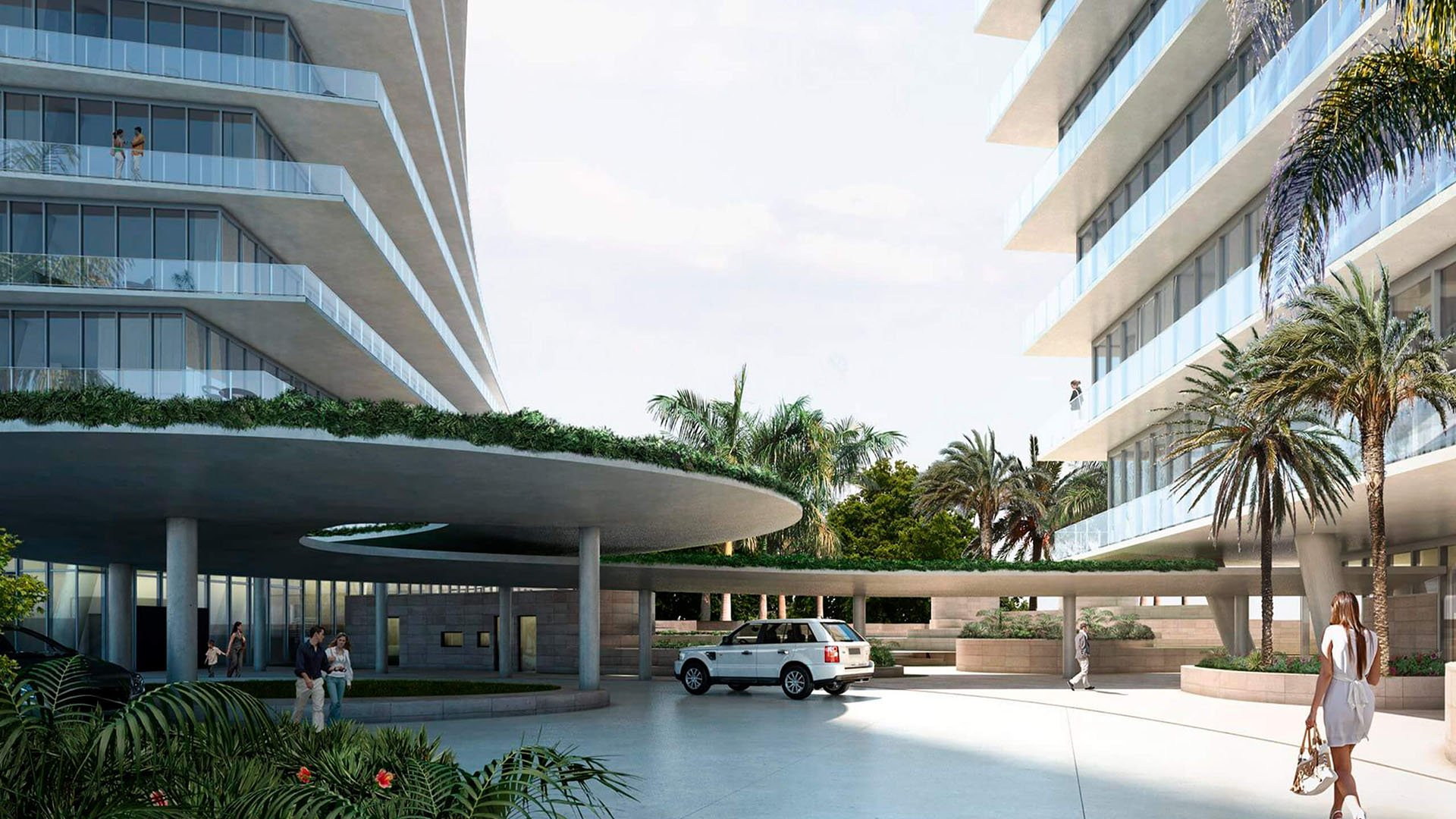
Valet capacity is both physical and operational. The physical side includes the width and depth of the arrival court, the ability for cars to queue without blocking circulation, and the ease with which vehicles can be staged, retrieved, and turned over. The operational side includes staffing levels, ticketing systems, communication tools, and manager oversight.
A smart buyer visits at more than one time of day. The experience at a quiet midday showing may not reveal what happens during evening arrivals or weekend departures. Ask what the building considers peak demand and how management adjusts staffing during those windows.
This is especially relevant in Coconut Grove, where buyers may also be considering properties such as Four Seasons Residences Coconut Grove, Park Grove Coconut Grove, or boutique addresses with more intimate arrival sequences. In the broader Coconut Grove market, the most refined buildings make movement feel almost invisible.
The test of valet service is not only how it treats owners. It is how the property handles everyone connected to an owner’s lifestyle. Ask how guests announce themselves, whether there is a guest parking limit, and whether the system changes for private dinners, family gatherings, or extended stays.
Vendor protocol is just as important. Designers, caterers, housekeepers, private chefs, personal trainers, dog walkers, and medical providers may all require access. Ask whether vendors use the same arrival zone as guests, whether commercial vehicles are restricted, and whether service access is separated from residential valet movement.
If you employ household staff, ask how recurring arrivals are registered. A discreet process should reduce friction without weakening security. The ideal arrangement feels gracious, but it is also documented and enforceable.
Valet quality depends on people. Ask who operates the service, how attendants are trained, and whether staffing is handled in-house or through a third-party operator. Buyers should also ask whether attendants are cross-trained with security, front desk, or concierge functions, or whether valet is treated as a dedicated service line.
Retrieval expectations should be discussed plainly. Is there a stated retrieval window? Is there a text-ahead system? What happens if several residents request cars at the same time? Are attendants available at all hours, or does the service model change overnight?
The most polished properties are clear about standards. They do not promise magic. They define the service, staff it appropriately, and manage resident expectations with consistency.
Valet can be included in regular assessments, charged through separate fees, billed for guests, or governed by special rules. Before buying, request the applicable association documents, operating policies, and fee schedules. Confirm whether valet gratuities are customary, pooled, discouraged, or otherwise addressed by the building.
Ask about liability procedures as well. How are vehicle condition issues documented? What happens if keys are misplaced? Are exotic, vintage, or oversized vehicles handled differently? Buyers with collectible cars should be especially direct about storage, handling, and access.
If a residence includes marina access or a boat slip as part of the broader lifestyle conversation, arrival planning becomes even more nuanced. A household may be coordinating car arrivals, marine outings, guests, provisions, and service staff on the same day. The valet plan should support that rhythm, not complicate it.
Valet capacity should never be evaluated in isolation. It belongs to a larger ecosystem that includes security, lobby staffing, concierge culture, elevator performance, loading access, and privacy. A building with modest valet volume but excellent management may outperform a property with a grand arrival court and inconsistent execution.
For buyers drawn to wellness-led or design-forward residences such as The Well Coconut Grove, the decision often comes down to how smoothly daily life is curated. The best properties make transitions feel calm: car to lobby, lobby to residence, residence to amenity, amenity back to car.
Ask your advisor to compare not only what is promised, but what is written. Marketing language may describe convenience, but the documents and operating procedures reveal how that convenience is actually delivered.
Before making an offer, ask these questions in writing when possible. How many resident vehicles can the property accommodate per residence? How are guest vehicles handled during peak periods? What is the maximum valet staffing level for busy evenings or events? Are there limits on oversized vehicles, specialty vehicles, or long-term guest parking?
Also ask whether residents can self-park, whether valet is optional or required, and how retrieval works during storms, maintenance, or building events. If you expect frequent entertaining, ask whether the building has a formal event parking protocol.
Finally, walk the sequence yourself. Arrive as a guest would. Leave as a resident would. Watch whether the experience is serene, improvised, or overly dependent on one exceptional staff member. In luxury property, systems matter because people change.
Why is valet capacity important in Grove Isle luxury real estate? It affects daily convenience, privacy, guest experience, and the overall sense of ease when arriving home or entertaining.
Should I ask only how many parking spaces are included? No. You should also ask how spaces are controlled, how valet uses them, and how guests or overflow vehicles are managed.
What is the most important valet question before buying? Ask how the building performs during peak demand, including evenings, weekends, holidays, and private gatherings.
Can valet service affect resale perception? Yes. Buyers at the luxury level often notice whether arrivals feel graceful, efficient, private, and professionally managed.
Should I test valet during a showing? Yes. If possible, visit at different times and observe the arrival court, staff response, queueing, and retrieval process.
What should owners with multiple vehicles ask? They should ask whether all vehicles can be accommodated under written rules, not informal assumptions or temporary exceptions.
How should guest parking be evaluated? Ask about limits, registration, event procedures, overnight guests, and whether guest vehicles compete with resident service flow.
Are valet fees always included in association costs? Not always. Buyers should review association documents and fee schedules to understand charges, policies, and any special rules.
What if I own a collectible or oversized vehicle? Ask about storage location, handling procedures, liability documentation, and whether special vehicles require advance approval.
Should valet capacity influence my offer strategy? It can. If valet operations do not match your household needs, that should be considered before final pricing and contract terms.
If you'd like a private walkthrough and a curated shortlist, connect with MILLION.
If branded residences are on your mind — as a home or as an allocation — we would be glad to share what we are seeing, privately.
Begin a quiet conversation