Oceana Bal Harbour’s advertised wellness facilities set an appealing scene. A buyer-side audit should establish how reservations work, who supervises training, and what protects residential quiet before the diligence deadline.
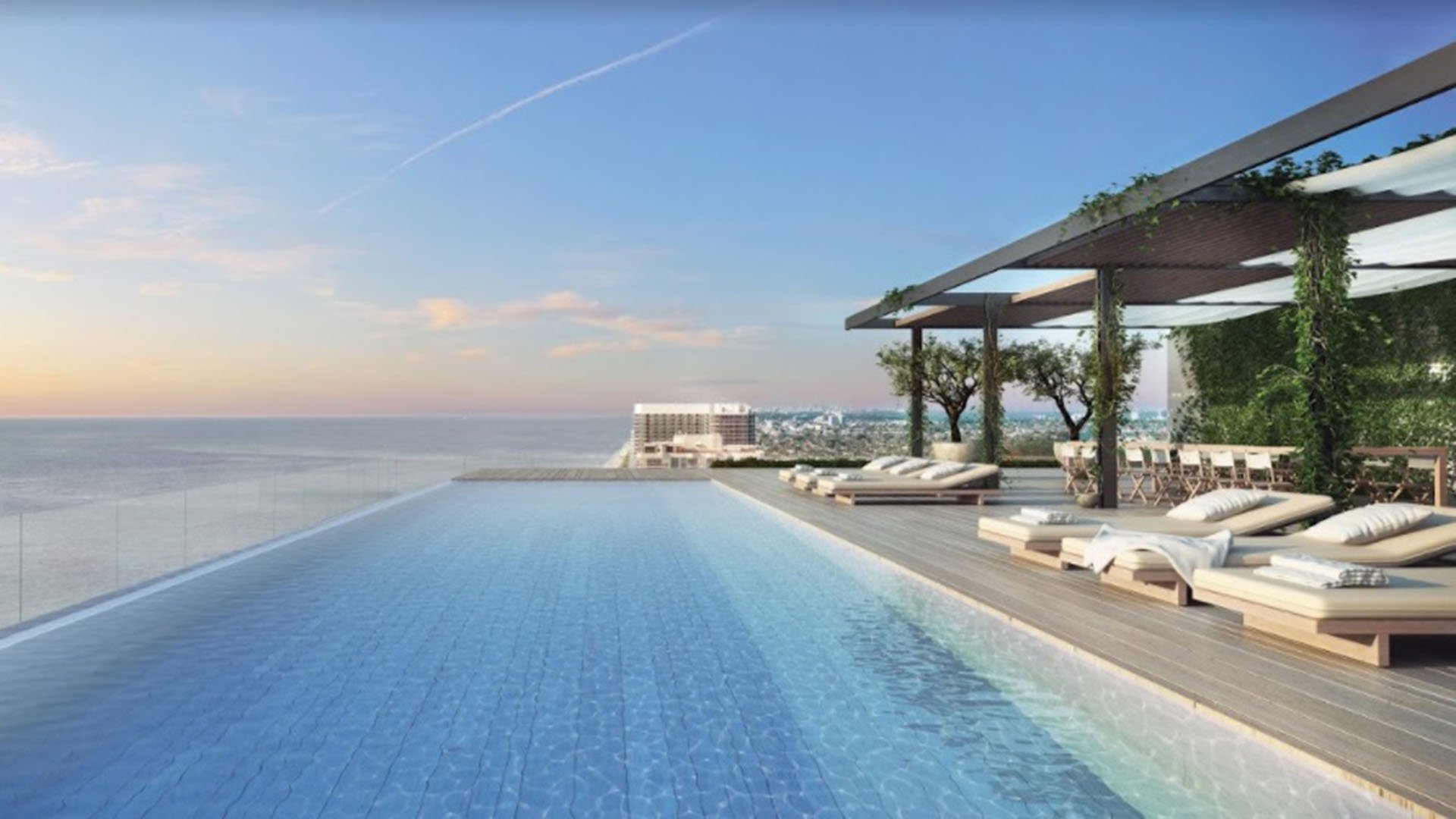
At Oceana Bal Harbour, the advertised wellness offering includes an ocean-view fitness center, a yoga, meditation, and Pilates pavilion, and spa facilities. For a buyer, the decisive question is not simply whether these spaces exist, but whether they support a preferred daily routine without unnecessary friction or intrusion into the residence.
An early workout, a standing appointment with a trusted trainer, and a quiet afternoon at home are distinct expectations. Each requires its own evidence. Reservations determine practical access; credentialing addresses who delivers instruction; acoustic controls address how activity coexists with residential quiet.
This ownership-readiness audit is a proposed buyer-side diligence standard, not an existing Oceana policy or a legal designation. Advertised amenities establish the setting. Current governing documents and operating records should establish the experience a purchaser can reasonably expect.
Oceana Bal Harbour is located at 10201 Collins Avenue, Bal Harbour, with 10203 Collins Avenue also identified as an associated address. Its advertised wellness facilities include a sauna, steam room, private changing rooms, and lockers, alongside the fitness center and pavilion. Professional spa services, meditation, and yoga classes are also advertised.
Those details do not establish a current timetable, instructor availability, attendance limits, or additional charges for particular services. Nor does advertised 24-hour concierge service establish round-the-clock fitness access or continuous fitness staffing.
Begin with a written description of the household’s intended use: preferred workout times, desired instruction, visiting-family needs, and any outside trainer. Ask management to match each expectation to a current rule, schedule, or agreement. The objective is not an expansive service promise, but a precise account of what ownership includes.
Request the current amenity rules and a demonstration of the booking system, supported by screenshots where appropriate. Establish which activities require reservations, which permit walk-ins, and which depend on an instructor or separate operator. Do not assume that the pavilion, fitness floor, spa appointments, and tennis courts share a reservation policy.
A useful written response should address:
Booking windows, advance reservations, and recurring appointments.
Household limits, guest eligibility, and instructor access.
Waitlists, cancellations, no-shows, and any related penalties.
Class capacity, private-session availability, and applicable charges.
Peak-season utilization and how competing requests are handled.
Ask management to demonstrate availability at the times you would actually use, not merely a conveniently open slot during a showing. A single booking-screen view cannot establish seasonal access; request available utilization records to put that snapshot in context.
For a purchaser also considering Rivage Bal Harbour, carry the same questions into that evaluation. This is a comparison framework, not an assertion that the properties have equivalent facilities or rules. The meaningful comparison is documented usability, not the length of an amenity description.
Oceana’s advertised amenities include a relaxation pool and an Olympic-style lap pool. The latter description does not confirm competition dimensions. Two championship clay tennis courts are also advertised, along with poolside dining, beach and poolside services, and cabanas.
If swimming or tennis anchors your routine, ask whether lanes or courts can be reserved, whether lessons affect resident access, and how maintenance closures are communicated. These are diligence questions, not established operating practices.
Four cabanas are advertised as available for resident reservation, but that does not establish current inventory, booking windows, daily availability, or fees. Confirm each point separately. A household planning to combine training, swimming, and a cabana afternoon needs clarity across several services-not simply confirmation that each appears on the amenity menu.
Descriptions of professional instruction should prompt a credential review, not replace one. A current roster naming instructors, together with credential documentation, remains necessary to evaluate the people who may guide a resident’s training.
Request relevant certifications or licenses where applicable, their expiration dates, CPR/AED credentials, and evidence of insurance. Ask who checks renewals, who engages each instructor, and whether the applicable operator agreement defines supervision and responsibility. Different services may require different qualifications; a general wellness designation is not proof of competence for every activity.
For an outside trainer, establish the approval process before relying on continued sessions after purchase. Ask about insurance submissions, access restrictions, guest classification, fees, and limits on where instruction may occur. Separately, request emergency procedures, including how an incident is escalated and who responds during operating hours.
Apply the same discipline when evaluating The Well Bay Harbor Islands: request property-specific evidence rather than inferring credentialing standards from a wellness-oriented name. At Oceana, the goal is equally straightforward: identify the responsible party and obtain the written requirements.
An attractive fitness room does not establish acoustic performance. Ask for flooring and vibration-isolation specifications, equipment-placement plans, and any available acoustic assessments relevant to the residence under consideration. Have a qualified adviser evaluate those materials where the unit’s relationship to activity spaces warrants closer attention.
Pair physical specifications with operating controls. Request current rules for dropped weights, amplified music, group instruction, and operating hours. Establish who can intervene, how residents submit complaints, and what escalation procedure follows repeated disturbances.
Ask for available complaint logs and remediation records, with personal information appropriately protected. Arrange a visit during permitted, ordinary activity rather than relying exclusively on a quiet showing. The visit provides useful context, not a substitute for technical review or a guarantee of future conditions.
Authenticate any noise rule bearing the Oceana name before treating it as binding on this condominium. Likewise, a municipal proposal or meeting agenda does not establish an adopted, currently effective ordinance. Obtain the current condominium rules and municipal requirements, and have counsel distinguish how each applies. Missing public evidence of controls is not evidence that controls are absent.
For a resale purchase, assemble the current declaration and bylaws, amenity rules, operator agreements, insurance certificates, operating budgets, recent board minutes, and relevant capital-project records before the diligence deadline. Ask whether planned work or contract changes could alter access, cost, or the acoustic conditions under review.
Classify each material expectation as confirmed in writing, awaiting clarification, or inconsistent with the household’s needs. Refer unresolved items to the appropriate legal or technical adviser before deciding how to proceed. An oral assurance may guide a follow-up question, but should not substitute for the document that governs use.
The result should be a concise ownership brief: when you can train, who may instruct you, what it costs, and how quiet is protected. That is the practical distinction between admiring a wellness offering and understanding its place in daily life.
For a considered approach to South Florida ownership, explore MILLION.
If branded residences are on your mind — as a home or as an allocation — we would be glad to share what we are seeing, privately.
Begin a quiet conversationOceana Bal Harbour is located at 10201 Collins Avenue, Bal Harbour, FL 33154. Property listings also identify 10203 Collins Avenue as an associated address.
The advertised facilities include a fitness center with ocean views and a yoga, meditation, and Pilates pavilion. Dedicated space does not establish a current class schedule.
No. Advertised 24-hour concierge service does not establish fitness-center operating hours or staffing, which should be confirmed separately.
Request current rules, booking windows, household limits, waitlists, cancellation penalties, guest restrictions, and fees. Ask for available peak-season utilization records as well.
A current named roster and credential documentation are not established here. Buyers should request relevant qualifications, CPR/AED credentials, insurance, and renewal procedures.
Outside-trainer permission and conditions require confirmation. Request written approval procedures, insurance requirements, access restrictions, and any applicable fees.
No. The advertised description is Olympic-style, which does not verify competition dimensions.
Four cabanas are advertised for resident reservation, but current inventory, booking windows, availability, and fees should be confirmed with management.
Request flooring and vibration-isolation specifications, equipment plans, operating rules, and available complaint and remediation records. A visit during ordinary activity can complement, but not replace, technical review.
No. It is a proposed buyer-side diligence benchmark for documenting access, capacity, costs, trainer requirements, and noise enforcement before a purchase decision.