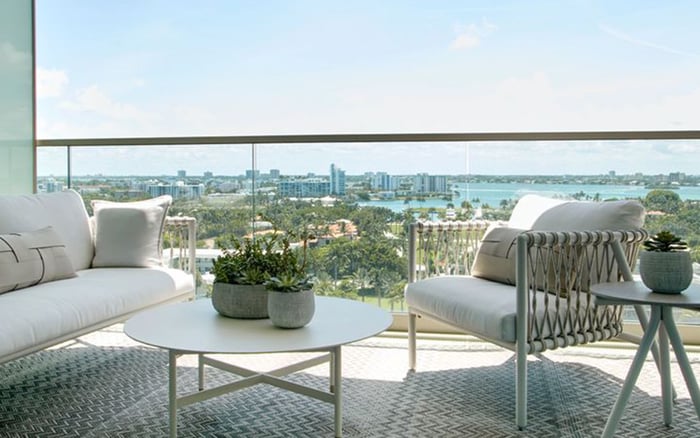
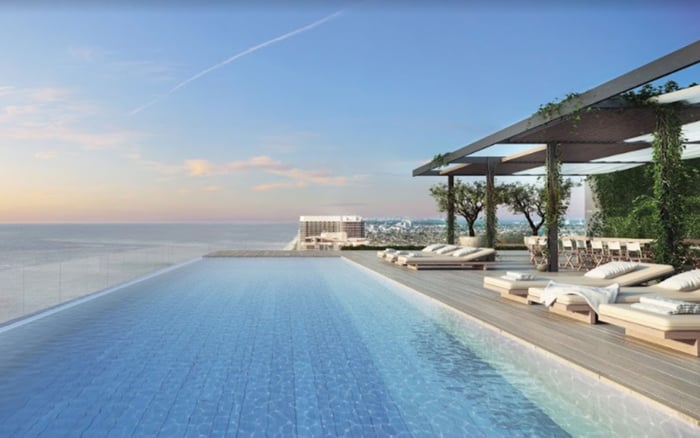
For Austin buyers establishing a Bal Harbour residence, the first year should include more than a move-in checklist. Humidity control, rapid leak response, documented vendor permissions, and storm preparation deserve a coordinated plan before the first extended absence.
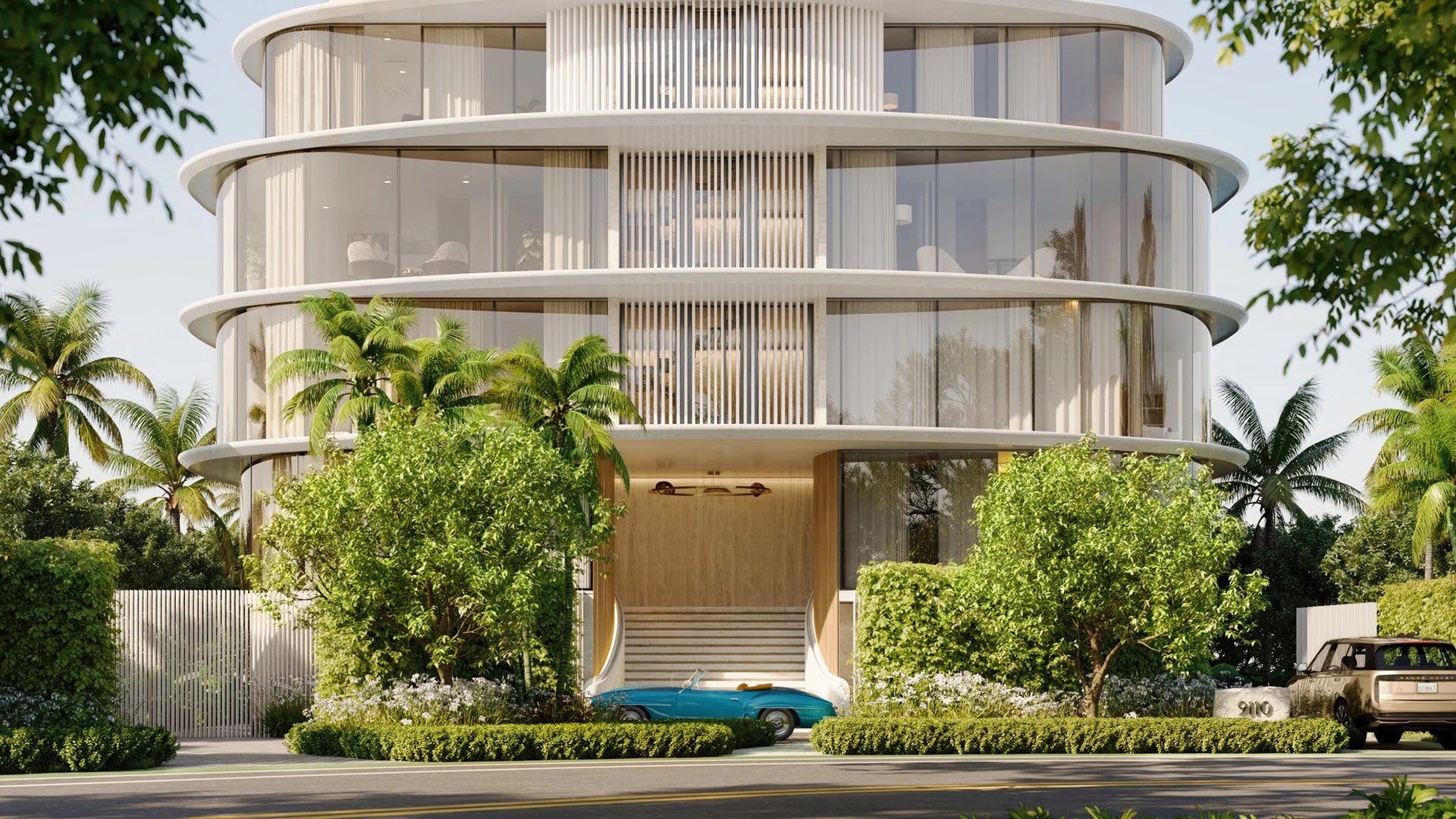
For an Austin household relocating to Bal Harbour, the first year may mean a gradual departure from one city and an equally gradual arrival in the other. The residence must function through that transition, not simply look immaculate on move-in day. Alongside interiors and arrival logistics, buyers should consider how the home will be monitored and who can act while they are away.
The essential distinction is between knowing something has happened and having someone authorized to respond. A humidity alert is useful; a local contact with confirmed access and clear instructions makes it actionable. Treat those arrangements as part of settling in, not a task to postpone until the first long trip.
When considering Oceana Bal Harbour, include absence-management questions in residence-specific due diligence. Ask what the owner must arrange independently, and obtain written confirmation of any services the household intends to rely on.
Indoor relative humidity should remain below 60%, preferably below 50%, for mold and dust-mite control. Those figures provide a practical reference for the home's operating plan. A comfortable temperature alone does not establish that moisture is under control.
Air-conditioning and dehumidification can help maintain acceptable humidity. If a separate dehumidifier is needed, have the central air-conditioning system checked rather than treating the additional appliance as a complete solution. The aim is to understand how the residence performs before leaving it unattended for an extended period.
Consider remote humidity monitoring alongside temperature readings, and discuss device placement and alert settings with a qualified service provider. These are planning choices, not universal building requirements. No single vacancy thermostat setting or mandatory inspection interval is established here.
For the first absence, test notifications while still locally available. Confirm who receives them, who acknowledges them, and what happens if the primary contact cannot respond. A dashboard should support an operating plan, not substitute for one.
Common molds can take hold when water stands for even 24 hours. Wet materials and carpets should be dried within 24 hours where possible. These timeframes warrant prompt action; they do not mean every incident follows a predictable timetable.
Before departure, identify the building contact, the appropriate plumbing responder, and a provider capable of assessing drying needs. Ask how safe access and any necessary water isolation would be handled. Do not assume the person receiving an alert has permission to enter or commission work.
Keep municipal services distinct from private-property response. A water-meter leak check can be requested at 305-866-4633 or [email protected] and is generally completed within 2-3 business days. That timetable is not an emergency remediation commitment and should not delay action on an active interior leak.
For leaks or breaks in Village-owned water infrastructure, call 305-993-7391 or, after hours, 305-993-7360. For interior flooding, call 311. Keep those numbers in the household plan, but do not treat them as replacements for building coordination or qualified on-site assistance.
For buyers evaluating Rivage Bal Harbour, permissions deserve the same scrutiny as maintenance responsibilities. The question is not whether a residence sounds well serviced, but whether the proposed arrangements work for the specific home and its ownership documents.
Prepare a written response brief for review with management and the relevant advisers. Identify the primary representative, backup contact, approved vendors, access procedure, and owner-approved spending limits. Separate permission to inspect from permission to engage contractors, remove damaged materials, or authorize repairs.
These are proposed household arrangements, not statements of emergency-entry rights or verified building rules. Confirm what is permitted under the governing documents and applicable requirements. Do not assume an owner's instructions override building procedures.
Decide, too, how decisions will be recorded. Request time-stamped photographs, a description of the observed problem, the action taken, and any further approval needed. The purpose is to reduce avoidable delay while preserving oversight of consequential work.
Hurricane season runs from June 1 through November 30. Plan preparation around that window, particularly when an absence could prevent the owner from securing the residence personally.
Balcony and yard furniture, decorations, and other potential windborne objects should be removed or secured before a storm. Drains and gutters should be cleared and yard debris disposed of, where applicable. Confirm which tasks belong to the owner and which are handled by others; do not infer responsibility from the appearance of shared or exterior spaces.
Before leaving, keep photographs or video of the home and valuables with insurance documentation. Include flood insurance in the household preparedness discussion. Review coverage questions with the insurance adviser rather than assuming every water event receives the same treatment.
If the property search extends to Surfside and The Surf Club Four Seasons Surfside, carry the same operational questions into that comparison. Verify local contacts and property-specific procedures separately rather than transferring Bal Harbour arrangements to another municipality.
After flooding, structural, electrical, gas, and submerged-appliance hazards must be considered before re-entry or utility restoration. Speed matters for drying, but it does not justify unsafe access.
Flood-affected homes and contents should be dried as quickly as possible, ideally within 24-48 hours. Flood-soaked items that cannot be completely cleaned and dried within that period should be removed for disposal. Photograph discarded flood-damaged belongings to support insurance claims.
A flooded HVAC system should be professionally cleaned before operation because it can distribute mold throughout the home. Visible mold must be removed and affected surfaces dried before painting or caulking; covering it does not stop growth.
For a carefully furnished residence, distinguish immediate mitigation from aesthetic restoration. Address safety, moisture, and affected materials first. Finish selection and cosmetic repairs should follow, not conceal an unresolved problem.
Even if Bal Harbour will become the primary residence, a second-home approach to absences can be useful during the transition. Before the first extended departure, establish humidity monitoring, confirm access arrangements, organize insurance records, and test the contact chain.
After each early trip, review what worked: whether readings were available, alerts reached the right people, and any service visit produced a clear record. Adjust the plan with the responsible professionals rather than adopting an arbitrary inspection schedule.
The objective is a home that remains cared for without constant owner intervention. That confidence comes from defined responsibilities and tested communication, not simply more technology.
For a considered approach to your Bal Harbour property search, connect with MILLION.
If branded residences are on your mind — as a home or as an allocation — we would be glad to share what we are seeing, privately.
Begin a quiet conversationKeep indoor relative humidity below 60%, preferably below 50%, for mold and dust-mite control. A comfortable temperature alone does not establish adequate moisture control.
Common molds can take hold when water stands for even 24 hours. Wet materials and carpets should be dried within 24 hours where possible.
Remote monitoring is a planning option, not a universal requirement established here. Confirm any residence-specific requirements and agree on alert settings with the relevant service provider.
Have the central air-conditioning system checked if a separate dehumidifier is needed to maintain acceptable humidity. The additional appliance should not replace evaluation of the central system.
Call 305-866-4633 or email [email protected]. Checks are generally completed within 2–3 business days, which is not an emergency interior-leak response commitment.
Call 305-993-7391 for Village-owned water infrastructure leaks or breaks, or 305-993-7360 after hours. These contacts are distinct from private-property plumbing and drying arrangements.
Confirm access procedures, approved vendors, spending limits, and the scope of permitted work in writing. Owner instructions should not be assumed to override governing documents or building procedures.
Hurricane season runs from June 1 through November 30. Arrange for outdoor items to be secured and applicable drains, gutters, and yard debris to be addressed before storms.
A flooded HVAC system should be professionally cleaned before operation because it can distribute mold. Flood-related structural, electrical, gas, and submerged-appliance hazards also require attention before re-entry or utility restoration.
Keep photographs or video of the home and valuables with insurance documentation. Photograph flood-damaged items being discarded to support a claim.