A discreet ownership framework for buyers weighing Wynwood’s cultural immediacy against the ease, privacy, and ritual of Miami’s beach-service residences.
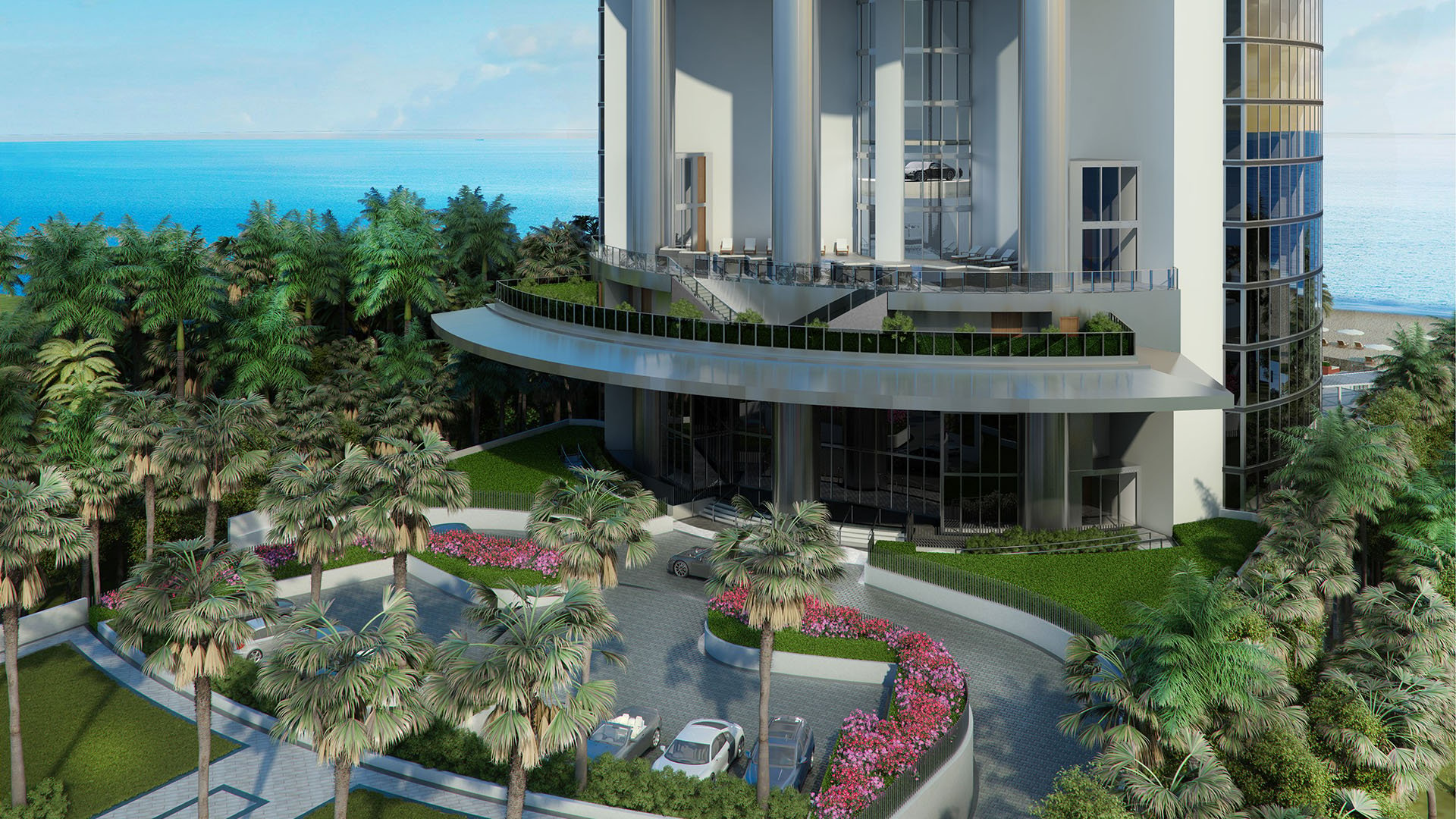
The buyer considering Wynwood is rarely rejecting the beach. More often, the buyer is rejecting the performance that can surround certain trophy addresses: the overlit arrival, the crowded valet court, the feeling that every coffee run becomes a small social event. The preference is not anti-service. It is pro-discretion.
That is where the Wynwood Ownership Test becomes useful. It asks a deceptively simple question: do you want beach service as a daily ritual, or do you want access to the idea of the beach while living in a more urban, less ceremonial setting? The answer determines whether Wynwood is a genuine fit or simply a stylish compromise.
For a buyer who spends most evenings in galleries, restaurants, private dinners, creative offices, and design-led retail, Wynwood can feel more emotionally current than a traditional resort-style address. A residence such as Frida Kahlo Wynwood Residences belongs in that conversation because it speaks to buyers who want the city close, not staged at a distance.
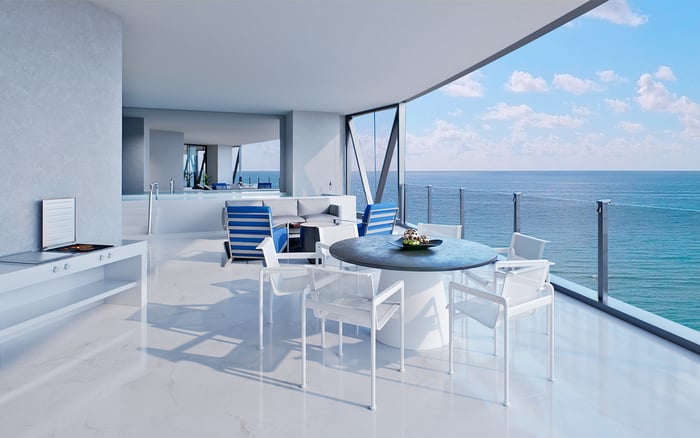
Beach service is not a single amenity. It is a bundle of expectations: convenient arrival, staff recognition, towels, chairs, shade, privacy, storage, food and beverage logic, and the ability to move from residence to shoreline without planning the day around it. If those details matter several times a week, the test may favor a beach-market address.
If, however, the beach is occasional rather than habitual, the calculus changes. A buyer may be happier allocating premium to interior volume, privacy, art walls, dining access, parking ease, or a building culture that does not demand constant visibility. In that case, Wynwood becomes less a substitute than a distinct ownership thesis.
The right question is not, “Do I like the beach?” Almost everyone in South Florida does. The sharper question is, “How often do I need the building to deliver the beach for me?” That distinction separates a romantic preference from a daily operating requirement.
A great building can be social without becoming theatrical. Lobby theater begins when arrival feels like a scene rather than a transition. For some owners, that energy is part of the pleasure. For others, especially those who split time between homes, work discreetly, or host selectively, it becomes friction.
Service culture is different. It is quiet memory, consistent staff, clean circulation, a controlled guest experience, and the ability to feel known without feeling watched. Boutique does not automatically mean private, and large does not automatically mean impersonal. The test is whether the building’s rhythm supports your temperament.
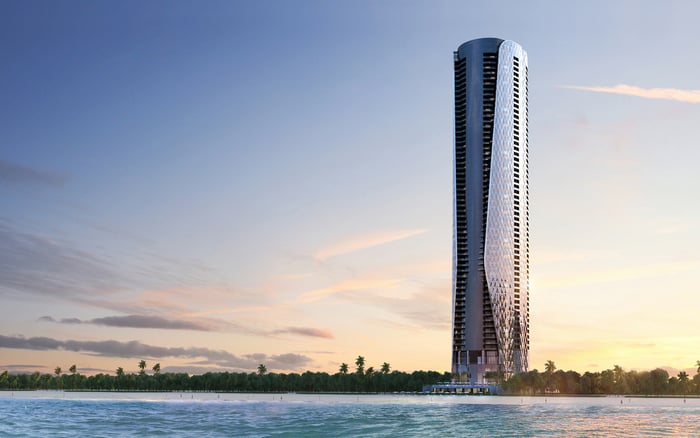
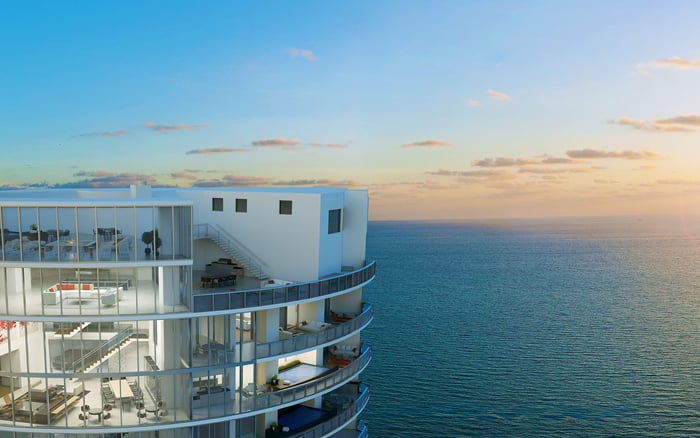
This is why a Wynwood buyer may still compare against coastal benchmarks such as The Perigon Miami Beach, The Delmore Surfside, or Bentley Residences Sunny Isles. The point is not to make them interchangeable. It is to understand whether the buyer is pursuing oceanfront ritual, architectural identity, privacy, or simply the confidence of owning in a recognized luxury corridor.
First, where do you want to wake up on an ordinary Tuesday? Not during Art Week, not during a family visit, not during a perfect winter weekend. The weekday answer is the honest one.
Second, how much ceremony do you want around arrival? Some buyers enjoy a visible lobby, branded hospitality cues, and a sense of occasion. Others want the residence to feel like a private instrument that works quietly.
Third, what do you actually do between 6 p.m. and 10 p.m.? If your life centers on dinners, openings, studios, wellness appointments, and short urban hops, Wynwood’s energy may prove more useful than proximity to sand.
Fourth, is beach service a need or an alibi? A need is used. An alibi is admired, mentioned, and rarely activated. Luxury buyers often pay heavily for amenities they respect more than they use.
Fifth, will guests understand the choice? This is not about approval. It is about hospitality. If your visitors expect resort days, a beach address may serve them better. If they expect Miami’s creative pulse, Wynwood can feel more memorable.
When facts are fluid and pre-construction language is polished, buyers should resist overly exact comparisons. The better exercise is qualitative: evaluate privacy, service delivery, layout intelligence, building scale, arrival experience, parking logic, outdoor space, and how the residence will age within your personal routine.
Wynwood can be compelling when the buyer prizes culture and convenience over resort repetition. It can be less compelling when the buyer imagines daily beach rituals, children moving easily between pool and sand, or guests who expect a classic South Florida stay. Neither answer is superior. The superior answer is the one that still feels right after novelty fades.
This is especially important for second-home owners. A property used in compressed windows must perform quickly. If every visit begins with logistics, the home loses emotional yield. If the building’s social environment feels too exposed, the owner may use it less. If the beach is too far from the real daily pattern, paying for beach-adjacent prestige can feel inefficient.
Wynwood wins when the buyer wants immediacy. The neighborhood suits owners who prefer dinner within reach, a changing street life, visual texture, and a sense that Miami is still being made rather than merely displayed. It also suits buyers who are comfortable separating lifestyle from postcard imagery.
It can be especially persuasive for those who already have another beach outlet, whether through a club, boat, hotel routine, or family residence elsewhere. In that profile, the Wynwood home does not need to do everything. It needs to do one thing exceptionally well: place the owner close to the cultural and culinary current while keeping the private residence composed.
The beach still wins when the owner wants water, air, horizon, and service to be part of the daily architecture of life. If the morning begins with sand, if children or guests expect an effortless resort cadence, or if the sound and sight of the ocean are emotionally central, the premium may be justified.
A beach residence is not just a location. It is a routine. Buyers who genuinely use that routine should not talk themselves into an urban address because it feels more current. Likewise, buyers who prefer privacy and movement should not overpay for ceremonial amenities they will rarely touch.
The Wynwood Ownership Test is ultimately about temperament, not trend. It clarifies whether the buyer wants a home that announces South Florida through water and service, or a home that expresses Miami through culture, design, and proximity. Both can be luxurious. Only one will feel natural.
The most confident buyers are not distracted by category language. They understand the difference between wanting beach service, wanting beach access, and wanting the identity that comes with a coastal address. They also understand that the wrong building culture can make even a beautiful residence feel overexposed.
Choose the address that lets you live with the least performance and the most use. That is the quiet standard behind durable ownership.
What is the Wynwood Ownership Test? It is a buyer framework for deciding whether an urban Wynwood residence better fits daily life than a beach-service address.
Who should consider Wynwood over the beach? Buyers who prioritize restaurants, art, design, nightlife, and low-friction urban access may find Wynwood more useful.
Does choosing Wynwood mean giving up luxury? No. It means defining luxury through privacy, culture, convenience, and personal rhythm rather than shoreline service.
When does a beach residence make more sense? It makes sense when sand, water views, resort service, and guest-friendly leisure are central to daily use.
What is lobby theater? It is the feeling that arrival and common spaces are overly visible, social, or performative for the owner’s taste.
Can a large building still feel discreet? Yes, if circulation, staffing, guest management, and resident culture support privacy rather than spectacle.
Is Wynwood best for primary homes or second homes? It can serve either, but the fit depends on how often the owner wants urban access versus resort-style amenities.
Should buyers compare Wynwood with Miami Beach and Surfside? Yes. Comparing different ownership rhythms helps reveal whether the buyer wants culture, coast, or both.
What should buyers inspect beyond amenities? They should study arrival, privacy, parking, outdoor space, building scale, and how the residence supports ordinary days.
What is the biggest mistake in this decision? Paying for a lifestyle that sounds impressive but does not match how the owner actually lives.
For a tailored shortlist and next-step guidance, connect with MILLION.
If branded residences are on your mind — as a home or as an allocation — we would be glad to share what we are seeing, privately.
Begin a quiet conversation