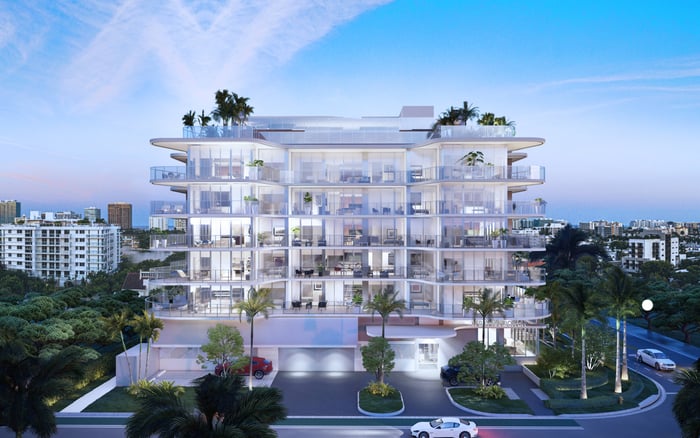
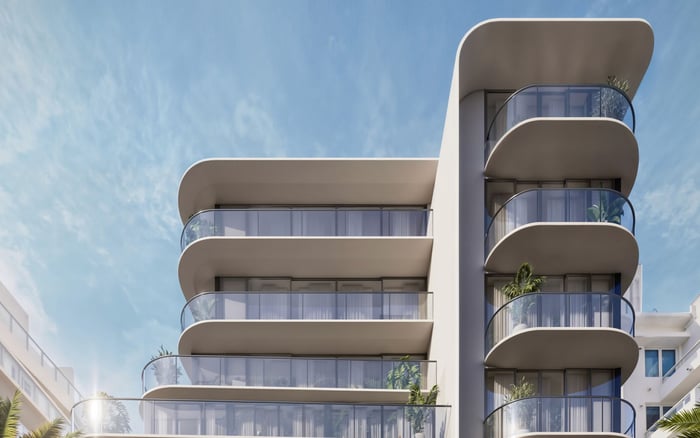
A practical ownership guide to freight and service-elevator timing at The Well Bay Harbor Islands, with emphasis on full-time living, deliveries, staff access, move-ins and buyer questions before closing.
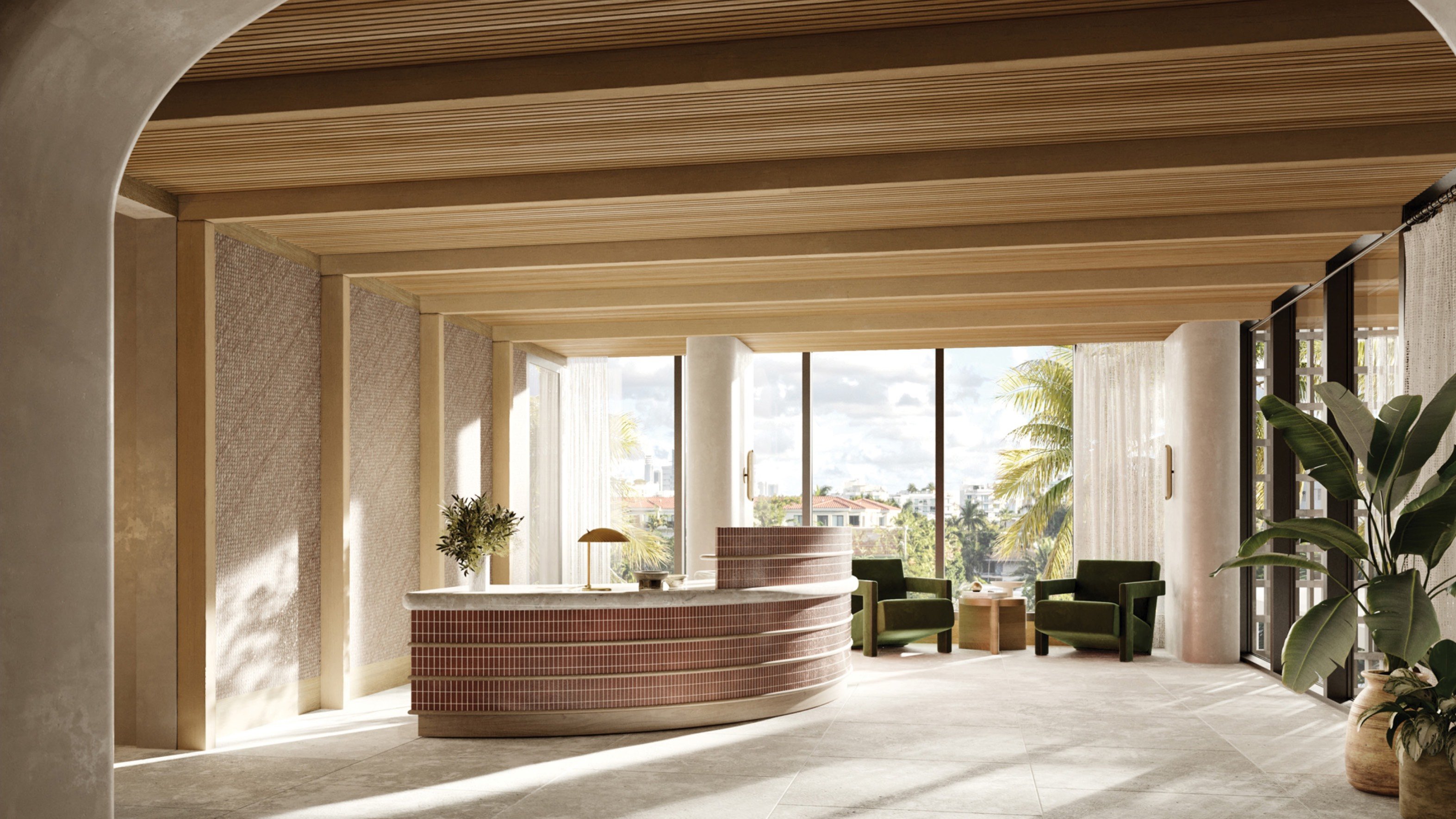
At The Well Bay Harbor Islands, the most meaningful luxuries are not always the most visible. A calm arrival sequence, a discreet staff path, an organized move-in and a delivery that never interrupts the residential rhythm can matter as much as finishes, views or wellness programming. For full-time owners, freight-elevator timing is not a back-of-house technicality. It is part of the home’s daily operating system.
The topic naturally raises expectations around service, privacy and flow. Residents considering the property as a primary residence should therefore look beyond the presentation of amenities and ask how daily life is supported when the household is active, staffed and regularly receiving deliveries.
This is especially important because specific freight-elevator schedules, reservation procedures, contractor rules and delivery windows may depend on the condominium association and property management after delivery. The practical approach is not to assume a policy, but to know which questions to ask before the home becomes part of a full-time routine.
Boutique condominium living can feel more intimate than life in a larger tower. There may be fewer residences, a more familiar staff environment and a quieter sense of community. Those qualities are central to the appeal for buyers who prefer discretion over volume. Yet boutique scale can also make timing more important, because the building’s service patterns are more immediately felt by residents.
A full-time owner may have groceries arriving several times a week, household staff entering on a set schedule, occasional catering for private dinners, vendors handling wellness or beauty appointments and movers or installers managing post-closing customization. Each of those uses touches the same hidden infrastructure: loading access, service corridors, elevator reservations, protection pads, staff coordination and arrival protocols.
For a new-construction buyer comparing Bal Harbour searches, Surfside options and Bay Harbor Islands residences, the question is not whether a building has luxury credentials. It is whether the operating culture supports the way the owner actually lives. In a wellness-led environment, service logistics should feel quiet, choreographed and respectful of resident privacy.
Second-home ownership often concentrates activity around arrival and departure: luggage, seasonal wardrobe changes, art placement, wine shipments and occasional entertaining. A primary residence is different. It generates a steady rhythm of household needs, and that rhythm can make freight and service-elevator availability more consequential.
A full-time owner may receive fresh food deliveries before dinner, pharmacy items during the day, dry cleaning, pet care supplies, maintenance visits, florals, personal training equipment or furnishings ordered after living in the space for several weeks. None of these details is dramatic in isolation. Together, they shape whether a luxury residence feels effortless or over-managed.
The same is true for staff access. Housekeepers, chefs, assistants, childcare providers, dog walkers and maintenance professionals may all need building entry at predictable times. When service routes are clear and scheduling is sensible, residents experience privacy. When they are unclear, the daily life of the building can become unnecessarily visible.
The most obvious use case for freight-elevator timing is the move-in. For high-value residences, move-ins are rarely a single truck and a single afternoon. They may involve furniture deliveries from multiple vendors, art handlers, closet systems, window treatments, AV installation, lighting adjustments and specialty items that require careful coordination.
At The Well Bay Harbor Islands, buyers should treat this early period as a planning exercise. Before closing or occupancy, ask whether freight-elevator reservations are required, how far in advance they must be made, whether multiple vendors can share a window and what building protection is expected. It is also worth asking how the property handles oversized pieces, last-minute deliveries and vendor insurance requirements.
Owners should be careful not to assume that a boutique building will always be more flexible. Sometimes a smaller building offers a more personal management experience. Sometimes it requires tighter coordination because there are fewer service pathways to absorb overlapping activity. The right answer depends on the final rules and on how management administers them.
A lifestyle centered on luxury living, wellness routines and amenity-driven services can attract residents who value in-home wellness, private dinners, curated gatherings and a high-touch residential experience. Freight and service-elevator access supports all of it.
Consider a catered dinner. The guest experience begins at the front door, but the operational experience begins elsewhere: food arrival, staff check-in, equipment delivery, service-elevator use, disposal procedures and post-event pickup. If the building handles those details elegantly, the residence feels private and composed. If not, the resident may experience friction at precisely the moment when luxury should feel quietest.
The same applies to wellness-oriented routines. Massage tables, fitness accessories, recovery equipment, beauty services and specialty deliveries may all require access that should not conflict with the building’s residential serenity. A buyer drawn to the wellness identity should ask how the service side of that lifestyle is managed.
Even in a newly delivered luxury condominium, owners often personalize. They may commission closets, lighting, millwork, wall coverings, window treatments, home automation, art lighting or sound systems. These improvements can require repeated contractor access, material deliveries and elevator reservations.
Because project positioning does not establish exact renovation or contractor rules, buyers should ask direct questions. What are the allowable work hours? Are there blackout periods during peak occupancy? Are freight reservations required for all contractor activity or only for large materials? How are noise, debris removal and service-area protections handled? Are there different rules once the building is fully occupied?
The point is not to challenge the building’s luxury value. It is to protect it. Clear contractor protocols preserve the quiet experience that residents expect in a boutique wellness condominium.
The most useful buyer questions are practical. Ask how move-in scheduling is expected to work, what delivery windows may apply, whether service-elevator use requires advance reservation and how grocery, catering and vendor arrivals are directed. Ask whether seasonal demand changes the rules, especially when more owners are in residence.
Also ask how the building distinguishes between routine deliveries and major freight use. A small grocery order, a dining table, a florist installation and a contractor’s materials should not necessarily be treated the same way. The more nuanced the policy, the easier it is for residents to live full time without making every household need feel administrative.
Finally, ask who coordinates conflicts. In a refined condominium, the resident should not have to negotiate elevator timing with multiple vendors alone. A strong management process can turn freight access into invisible infrastructure, which is precisely how it should feel.
The Well Bay Harbor Islands sits in a location that speaks to affluent primary-home, second-home and international-buyer audiences, with proximity to the luxury markets of Bal Harbour and Surfside. Its wellness-oriented identity gives the project a distinctive residential language. For full-time owners, however, the success of that language depends on daily execution.
Freight-elevator timing is one of the quiet details that separates a beautiful condominium from a livable one. It affects the first move, the first dinner, the first contractor visit and the ordinary Tuesday delivery that should arrive without disrupting the day. Buyers who ask early will be better prepared to enjoy the property as a true home, not merely as an address.
Does The Well Bay Harbor Islands have a published freight-elevator schedule? No specific schedule is confirmed here. Buyers should request current rules before relying on any timing assumption.
Why does freight-elevator timing matter more for full-time owners? Full-time owners typically generate more frequent deliveries, staff visits and service activity than seasonal users.
Should buyers ask about move-in reservations? Yes. Move-ins can involve several vendors, and reservation procedures may affect timing and coordination.
Are grocery deliveries part of the service-elevator discussion? They can be, especially in a full-time residence with regular household deliveries and staff coordination.
Can contractor access affect the resident experience? Yes. Clear rules for work hours, materials and elevator use help preserve privacy and quiet.
Is this issue unique to The Well Bay Harbor Islands? No. It is relevant to many luxury condominiums, but boutique scale can make operations feel more personal.
Should seasonal rules be discussed before closing? Yes. Peak occupancy periods can change how buildings manage deliveries, moves and contractor activity.
Does wellness programming increase the importance of service logistics? It can. A higher-touch lifestyle depends on discreet movement of staff, equipment and vendors.
What should buyers avoid assuming? They should avoid assuming exact delivery windows, fees or contractor hours until rules are confirmed.
What is the best ownership mindset? Treat freight access as invisible infrastructure that supports privacy, comfort and daily ease.
For a tailored shortlist and next-step guidance, connect with MILLION.
If branded residences are on your mind — as a home or as an allocation — we would be glad to share what we are seeing, privately.
Begin a quiet conversation