A discreet buyer’s guide for Chicago owners evaluating South Florida homes with serious wellness, service, privacy, and social amenities that still feel residential.
For a Chicago owner considering South Florida, the amenity question is rarely about having more. It is about having the right kind of more. In Chicago, many luxury residents are accustomed to disciplined service: a familiar lobby team, secure arrival, a well-run fitness center, parking that functions smoothly, and shared spaces that feel composed rather than theatrical. The best South Florida transition preserves that discretion while adding the climate advantages that make wellness, terrace life, and outdoor hospitality part of the daily rhythm.
That is why choosing around amenity depth requires restraint. A building can present a long menu of features and still feel thin if the spaces are crowded, overprogrammed, or designed primarily for visual impact. Conversely, a quieter building with fewer but better-resolved amenities can feel richer because the experience is calmer. The buyer coming from Chicago should ask a simple question at every tour: would I use this space on a normal Tuesday, or does it exist mainly to impress during a presentation?
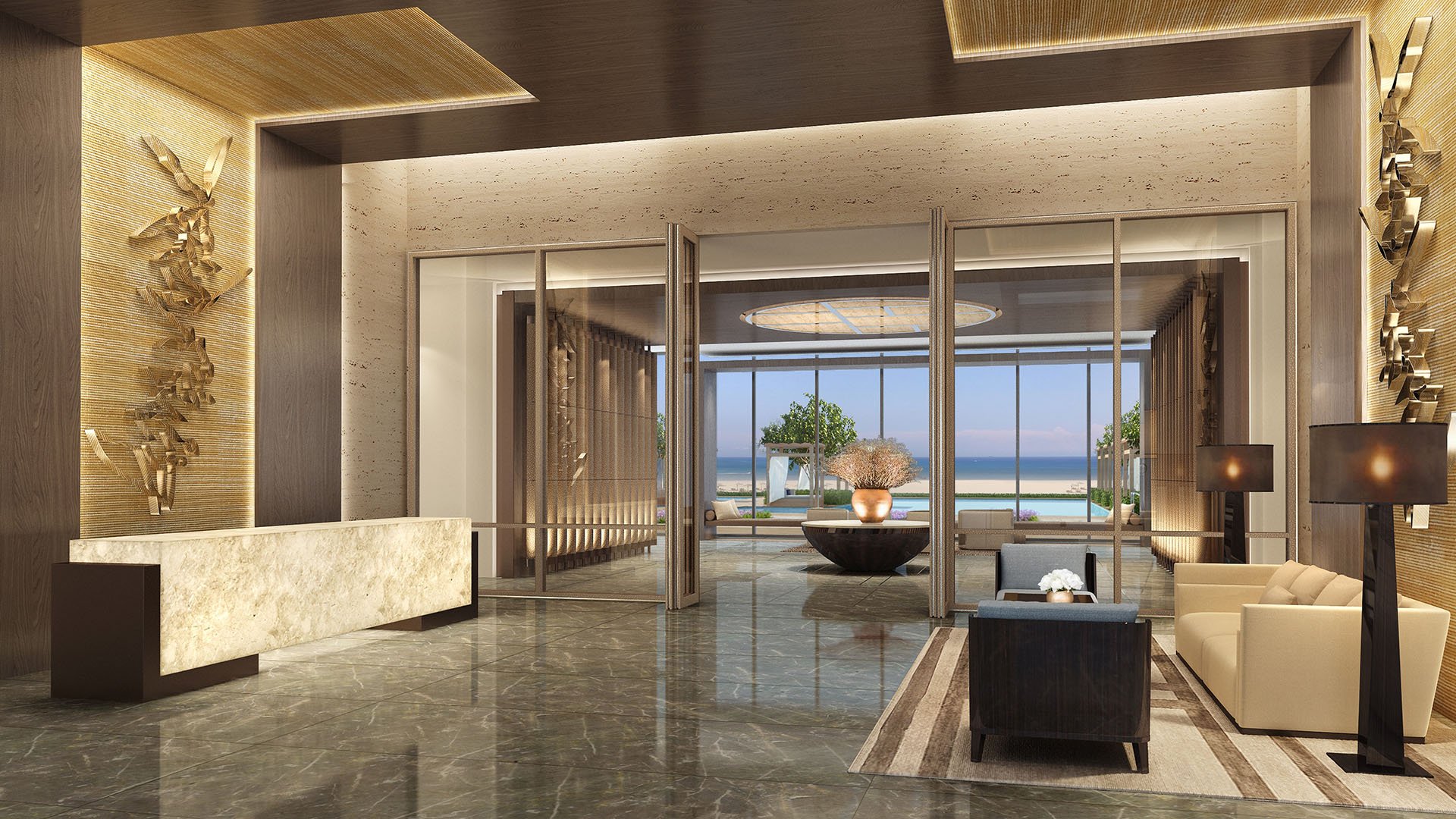
Amenity depth is not the same as amenity count. It is the relationship among space, staffing, privacy, scheduling, and maintenance. A spa is only meaningful if it supports real use. A residents’ lounge matters if it feels like an extension of the home rather than lobby overflow. A pool deck should accommodate quiet morning laps, family afternoons, and evening air without making residents feel as if they are checking into a resort.
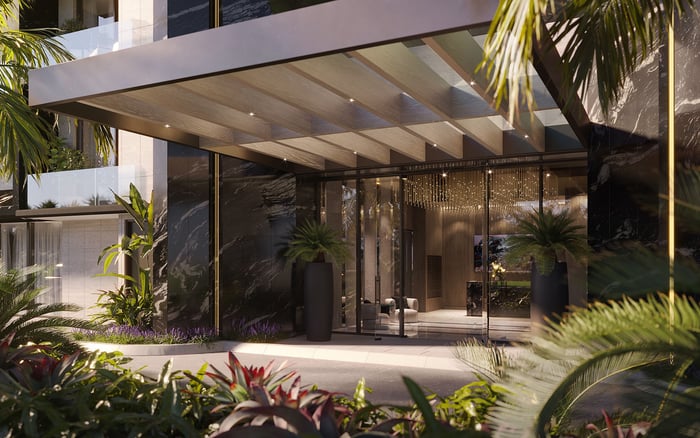
For many Chicago buyers, the strongest South Florida fit includes wellness, outdoor living, beach or water proximity, reliable security, elegant arrival, and private social areas. The weaker fit is a building where every amenity feels public, branded, or constantly animated. There is a place for hotel energy, but it should be chosen deliberately. If the goal is a primary or frequent-use second home, the mood must be residential first.
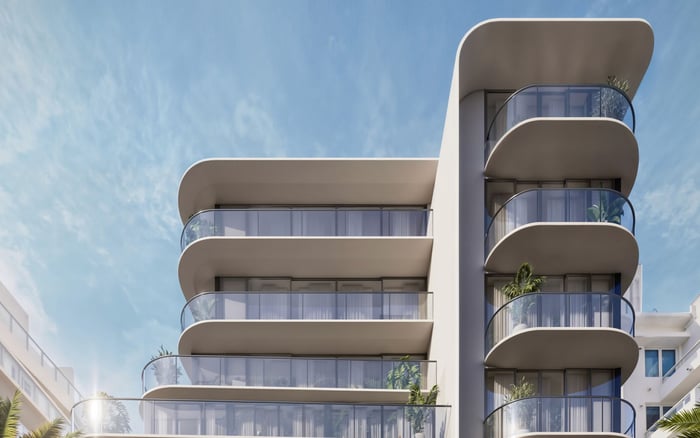
This is where new construction can be appealing, because contemporary buildings often frame wellness and service as part of the architecture. Still, newness alone is not enough. The plan must show how residents circulate, how guests are handled, where service entries sit, how packages and deliveries are managed, and whether the best amenities are sized for actual ownership patterns.
Bal Harbour has long appealed to buyers who want polish, security, beach proximity, and a refined retail and dining orbit without the density of a major downtown setting. The Bal Harbour buyer often wants quiet prestige, not constant performance. In this context, a residence such as Rivage Bal Harbour belongs in the conversation for those weighing a more composed coastal address and the daily value of privacy.
Surfside offers a softer rhythm. It can feel more residential, more walkable in tone, and less formal than Bal Harbour while still placing buyers near the ocean and the broader northern Miami Beach corridor. For those who want the social and wellness advantages of the coast without an overt resort atmosphere, The Delmore Surfside is a natural reference point when discussing scale, privacy, and modern residential expectations.
Bay Harbor Islands is different again. Bay Harbor searches often attract buyers who want water views, proximity to Bal Harbour, and a quieter island setting that may feel more neighborhood-driven. In this lane, The Well Bay Harbor Islands speaks to broader buyer interest in wellness-centered living, but the key question remains the same: does the wellness concept feel like a lifestyle layer, or does it dominate the building’s identity?
Miami Beach should not be dismissed by a buyer seeking discretion. The right location and building can deliver beach access, architectural presence, and a sophisticated residential culture. The mistake is assuming all Miami Beach options have the same tempo. Some addresses are social and visible. Others are quieter, more private, and better suited to owners who want the benefits of the coast without living inside a hospitality narrative.
A project such as The Perigon Miami Beach can be evaluated through this lens: not as a checklist item, but as a case study in whether the architecture, amenity plan, arrival sequence, and private-residence feel align with the buyer’s desired level of presence. Chicago buyers should pay close attention to approach roads, lobby exposure, elevator privacy, beach circulation, and the way common spaces handle peak periods.
The correct Miami Beach choice feels effortless. It allows a resident to swim, host, work, exercise, and retreat without constantly negotiating crowds. If the property feels exceptional only when fully activated, it may be too resort-like for someone seeking a quieter home base.
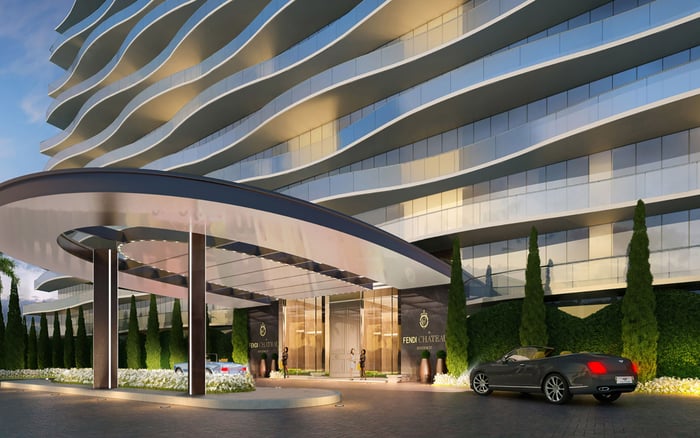
First, test arrival. A private residential experience begins before the lobby. Valet, guest control, service access, and parking flow shape the daily mood. If arrival feels ceremonial but inefficient, the building may become tiring over time.
Second, test acoustic separation. Pools, lounges, fitness areas, and dining spaces should not bleed into private residential zones. A beautiful amenity level can undermine the home if sound, traffic, or event use is not carefully controlled.
Third, test resident priority. Some amenity programs are designed to photograph well. Better ones are designed to work well. Ask how spaces are reserved, how many guests are allowed, how peak days are managed, and whether residents have meaningful priority in the most desirable areas.
Fourth, test wellness practicality. Treatment rooms, saunas, steam areas, fitness studios, lap pools, and recovery spaces matter only if access is simple and the setting feels calm. Wellness should reduce friction, not require planning around a crowd.
Fifth, test the social gradient. A great building lets an owner choose privacy, light social contact, or entertaining without forcing any one mode. Boutique properties often excel here when the scale is right, because they can feel intimate rather than anonymous.
Before selecting a residence, define the use pattern. A winter base for two months has different needs than a full-time relocation. A home for extended family visits needs guest flow, secondary bedrooms, and amenity flexibility. A couple seeking privacy may value a serene terrace, a strong primary suite, and a quiet wellness routine more than a long list of communal spaces.
Chicago buyers should also be honest about weather-driven living. In South Florida, the terrace becomes a room, the pool deck becomes an extension of the home, and morning wellness routines often move outdoors. The best amenity program supports this shift without turning every day into an event.
A strong purchase decision comes from observing the building at different times if possible. Morning, late afternoon, and weekend energy can vary dramatically. The question is not whether the building is impressive. The question is whether it remains elegant when residents are actually using it.
Ask how the building distinguishes residents from guests. Ask whether amenity access is controlled by reservation, staff discretion, or open use. Ask how private dining, club rooms, treatment areas, and pool spaces are maintained between uses. Ask how many amenity areas are designed for quiet use rather than social display.
Then ask the harder question: if you removed the branding, would the building still feel exceptional? The most durable South Florida homes do not rely on spectacle. They rely on proportion, service, privacy, light, views, and an amenity culture that understands when to disappear.
For the Chicago buyer moving toward Bal Harbour or its neighboring coastal markets, the right answer is rarely the loudest one. It is the residence that makes every day easier, healthier, more beautiful, and more private without constantly reminding you that amenities exist.
What does amenity depth mean in a luxury condo? It means the amenities are well planned, well staffed, and genuinely usable, not simply numerous or visually impressive.
How can a buyer avoid a resort feeling? Look for controlled guest access, calm common areas, private circulation, and amenities that feel residential rather than public.
Is Bal Harbour a good fit for former Chicago owners? It can be, especially for buyers who value polish, privacy, beach proximity, and a more composed coastal lifestyle.
Should I prioritize new construction? New construction may offer modern wellness and service planning, but the layout and operating culture matter more than age alone.
Are boutique buildings better for privacy? Boutique properties can feel more intimate, but privacy depends on staffing, circulation, guest policies, and amenity design.
How important is the pool deck? Very important, because in South Florida it often functions as a daily living area rather than an occasional amenity.
What should I study during a property tour? Watch arrival, elevator privacy, staff interaction, acoustic separation, amenity crowding, and how residents actually use the building.
Can Miami Beach still feel discreet? Yes, but the specific address, building scale, access points, and amenity culture determine whether it feels private or social.
Why consider Bay Harbor Islands? It may suit buyers who want proximity to Bal Harbour with a quieter island setting and a more neighborhood-oriented rhythm.
What is the best way to shortlist comparable options for touring? Start with location fit, delivery status, and daily lifestyle priorities, then compare stacks and elevations to validate views and privacy.
If you'd like a private walkthrough and a curated shortlist, connect with MILLION.
If branded residences are on your mind — as a home or as an allocation — we would be glad to share what we are seeing, privately.
Begin a quiet conversation