A practical private-showing guide for evaluating salt-air maintenance in South Florida luxury homes, with attention to exterior details, interiors, records, and ownership questions.
A private showing in South Florida should feel effortless, but the most valuable tour is often the most observant one. Salt-air maintenance is not a single repair category. It is a pattern of care visible across finishes, thresholds, balcony edges, door hardware, exterior paint, glass, drainage, storage rooms, mechanical closets, and the way a residence has been prepared for inspection.
For a luxury buyer, the goal is not to turn a showing into a technical audit. It is to determine whether the home has been managed with consistency. A beautifully staged room can distract from worn fasteners, sticky sliders, tired balcony coatings, stained exterior corners, or service records that feel incomplete. The best properties reveal discipline before anyone says a word.
This lens applies across Miami Beach, Sunny Isles, Surfside, oceanfront, balcony, and resale searches, especially when a home’s appeal depends on proximity to water, outdoor living, and uninterrupted views.
Begin with the arrival sequence. Look at gate hardware, exterior railings, garage entries, elevator lobbies, and the areas most exposed to daily use. The condition of shared or transitional spaces often frames how carefully the property is maintained. A polished residence behind a fatigued entry should prompt deeper questions.
At the door, slow down. Test the feel of the lock, handle, hinges, and threshold. A private showing allows you to experience the property as an owner would, not as a passerby. Doors should close cleanly. Sliding panels should move with confidence. Hardware should feel aligned, secure, and intentionally maintained.
If the showing includes a terrace, balcony, garden, dock area, or rooftop space, visit it early rather than saving it for the end. Outdoor areas are where maintenance habits become more legible.
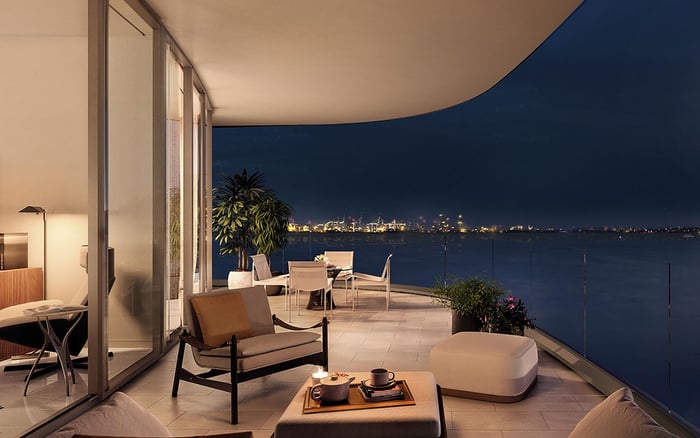
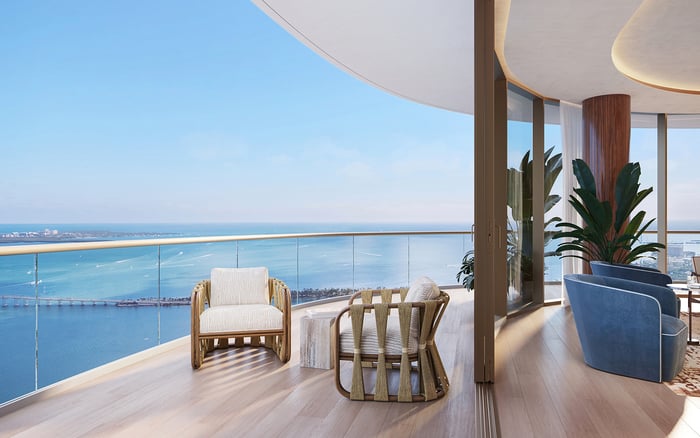
Balconies deserve close attention because they combine exposure, structure, finishes, drainage, and lifestyle value in one place. Start with the walking surface. Look for inconsistent coatings, soft-looking patches, discoloration, ponding marks, or repairs that appear cosmetic rather than integrated.
Move to the railing system. Do not judge only by shine. Look at connection points, bases, corners, and fasteners. These small areas often tell a clearer story than broad surfaces. If glass panels are present, check whether they appear cleanly seated and evenly maintained. Look along edges where water may collect or where routine cleaning can be neglected.
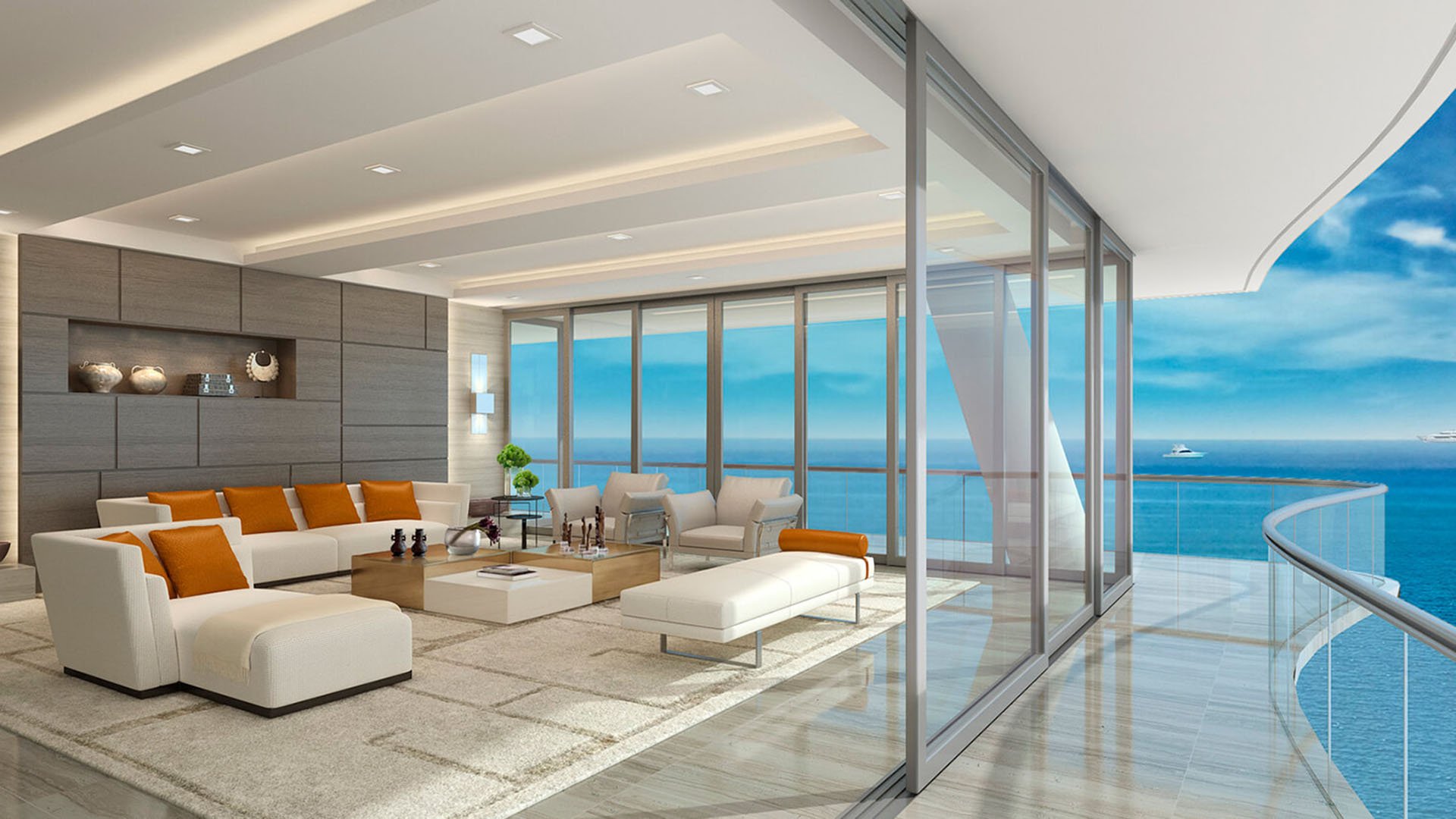
Then examine the transition back into the residence. The threshold between outdoor and indoor living is one of the most important maintenance zones. Open and close doors more than once. Listen for scraping. Feel for resistance. Notice whether tracks are clean, aligned, and free of visible buildup. In a luxury home, a balcony should not merely photograph well. It should function with quiet precision.
Inside, look for subtle signs that exposure has been managed. Evaluate window and door frames in natural light. Corners, sills, and lower tracks deserve attention because they are easy to overlook during a fast tour. Examine metal accents, cabinet pulls, appliance faces, bathroom fixtures, and lighting trims. A pattern of pitting, staining, looseness, or uneven replacement can suggest deferred care.
In bathrooms and kitchens, distinguish design patina from deterioration. Luxury finishes can age gracefully, but they should not feel neglected. Open vanity doors. Look below sinks. Check ventilation grilles and utility spaces if accessible. Ask whether specialty finishes require particular cleaning products or maintenance intervals, especially if the home includes custom metalwork, stone, imported cabinetry, or large-format glazing.
Do not rush closets and storage areas. Owners who maintain a coastal home carefully often maintain service spaces carefully as well. A tidy mechanical area, labeled systems, and orderly storage can be as meaningful as a perfect living room.
The showing should lead naturally into records. Ask for maintenance logs, service agreements, warranty information, recent invoices, and any relevant association guidance. The question is not simply whether work was done. It is whether care has been regular, documented, and appropriate for the residence.
For a condominium or managed property, ask what belongs to the owner and what belongs to the building or association. Windows, doors, balcony coatings, railings, exterior painting, and mechanical components can involve different responsibilities depending on the property. Clarity matters because even the most elegant residence can become frustrating when ownership obligations are vague.
For a single-family home, ask who services exterior hardware, gates, outdoor kitchens, pool equipment, irrigation, roof areas, and any waterfront or outdoor living components. A luxury coastal home should come with an operating rhythm, not just a closing statement.
Fresh paint, new staging, polished floors, and updated lighting can elevate a showing, but they do not necessarily prove long-term care. Stewardship is visible in consistency. If every exposed detail looks recently refreshed except the least glamorous corners, keep looking.
A well-maintained coastal property tends to feel coherent. Exterior elements, interior finishes, hardware, service spaces, and records should tell the same story. If one part of the home feels immaculate and another feels improvised, the contrast may be more important than any single flaw.
It is also worth asking how the residence is cared for when vacant. Many South Florida luxury homes are used seasonally. A property that is quiet for part of the year still needs attention. Ask who checks it, how often systems are reviewed, and how outdoor areas are maintained between visits.
Ask direct, calm questions. “What is the regular maintenance routine for exterior openings?” “Which finishes require special care?” “Have any balcony, railing, door, or window components been serviced recently?” “Are there preferred vendors familiar with the property?” “Which maintenance items are handled by the association, and which are owner responsibilities?”
The quality of the answer matters. A confident, specific response is reassuring. A vague answer is not automatically a red flag, but it should move the issue into due diligence. In a private showing, discretion and precision can coexist. The most serious buyers ask fewer questions, but better ones.
A strong coastal residence feels composed. Doors move properly. Outdoor spaces look actively cared for. Details are consistent. Records are organized. Explanations are clear. There is no sense that beauty is hiding neglect.
Salt-air maintenance is ultimately about preservation. In South Florida luxury real estate, the view is only part of the asset. The condition of the envelope, finishes, hardware, and systems determines how confidently that view can be enjoyed over time.
Should I inspect the balcony during the first showing? Yes. The balcony is one of the most useful places to observe exposure, drainage, hardware, and overall maintenance discipline.
Is a private showing the same as an inspection? No. A showing helps you identify questions and concerns before formal due diligence begins.
What should I test on exterior doors? Open and close them, feel the track or hinge movement, and notice whether they seal and align cleanly.
Are cosmetic updates enough to prove good maintenance? No. Fresh finishes should be considered alongside records, service history, and the condition of less visible areas.
What documents should I request? Ask for service records, warranties, maintenance logs, association guidance, and recent invoices when available.
Should I ask about owner versus association responsibilities? Yes. Clear responsibility for windows, doors, balconies, railings, and exterior areas is essential.
How can I tell if a home is seasonally maintained? Ask who checks the residence when vacant and how often systems and outdoor areas are reviewed.
Do small hardware issues matter? They can. Small inconsistencies may reveal whether routine care has been consistent or reactive.
Should I bring a specialist to a second showing? If the property remains a serious candidate, specialized review can help clarify technical concerns.
What is the main goal of this showing strategy? The goal is to judge stewardship, so beauty, function, documentation, and ownership obligations align.
If you'd like a private walkthrough and a curated shortlist, connect with MILLION.
If branded residences are on your mind — as a home or as an allocation — we would be glad to share what we are seeing, privately.
Begin a quiet conversation