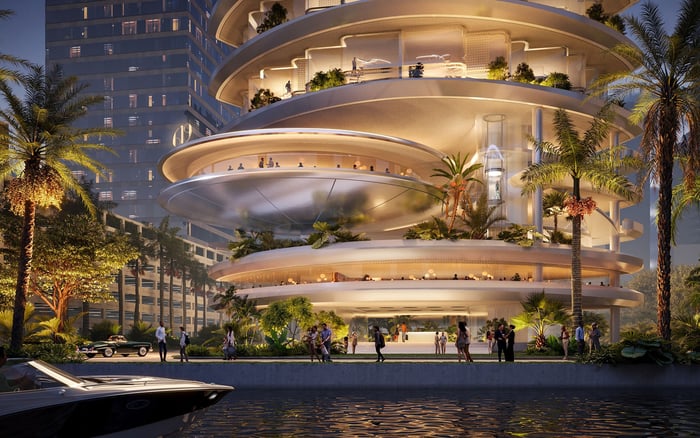
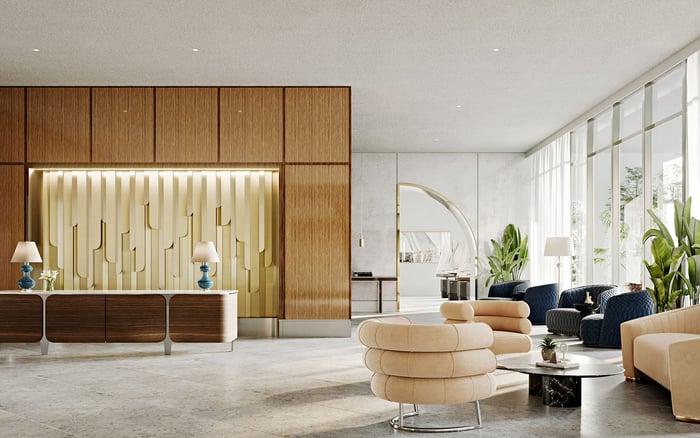
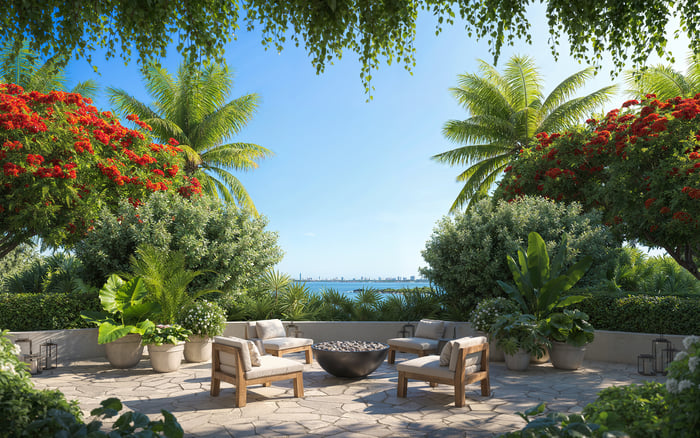
A refined guide to The Village at Coral Gables for buyers who want polished service, walkable neighborhood life, and a calmer alternative to Miami’s more public-facing luxury districts.
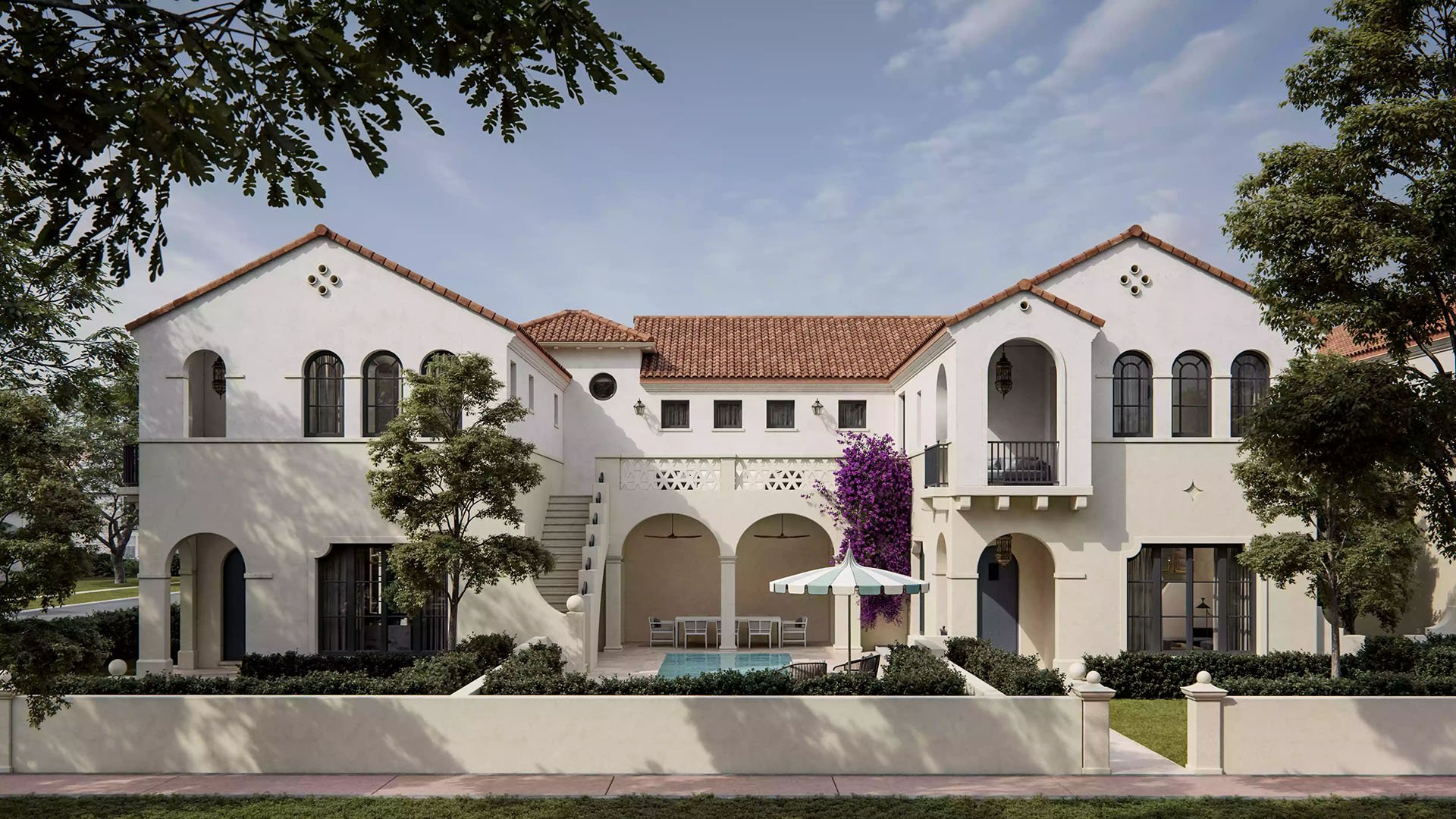
The strongest argument for The Village at Coral Gables is not that it tries to outshine Miami’s most visible luxury districts. It is that it understands a more specific buyer: one who wants the polish of hospitality-quality living without the constant choreography of public-facing glamour.
This buyer may appreciate a beautiful arrival, thoughtful service, refined design, and a sense of daily ease. Yet that same buyer may not want a home where the lobby feels like a destination in its own right, where outside visitors continually shape the atmosphere, or where the neighborhood’s energy shifts dramatically from weekday morning to weekend night.
In that sense, The Village at Coral Gables belongs to a more intentional South Florida conversation. It is luxury for residents who want convenience without overexposure, amenity without spectacle, and neighborhood life without the feeling of being on display.
For high-net-worth buyers, hospitality has become one of the most persuasive ideas in residential real estate. At its best, it is not simply about service desks or impressive common spaces. It is about removing friction from daily life while preserving the emotional privacy of home.
The Village at Coral Gables is best understood through that lens. Its appeal is grounded in hospitality-quality living with a more private residential feel than hotel-branded or tourism-heavy environments. That distinction matters. Hospitality quality can mean polish, care, design discipline, and curated ease. It does not have to mean living inside a place that outsiders treat as part of their itinerary.
For some buyers, that difference is decisive. They may enjoy Miami’s restaurants, cultural access, and service culture, but prefer a home base that feels composed when they return. They want the experience to be elevated, but not performative. They want staff, design, and amenities to support the resident, rather than turning the building into a stage.
Coral Gables has long occupied a distinct position in Miami’s luxury geography. It offers urbanity, but not in the same way as Brickell. It offers sophistication, but not in the same way as Miami Beach. Its identity is residential, architectural, and civic rather than purely entertainment-driven.
That context is central to the appeal of The Village at Coral Gables. The project fits a Coral Gables lifestyle narrative built around walkability, design cohesion, and a neighborhood-first setting. Restaurants, offices, boutiques, and civic amenities are part of the fabric, but they do not create the same nightlife intensity associated with more tourist-driven districts.
This is why the area resonates with end-users who intend to live in South Florida, not merely pass through it. The Coral Gables buyer often wants elegance that works on an ordinary Tuesday, not only during a winter weekend. The measure of success is not how dramatic the view looks in a social post, but how well the address supports school runs, dinners, meetings, errands, wellness routines, and quiet evenings at home.
Nearby new development also reinforces this broader pattern of refined infill inside an established city fabric. Buyers considering Cora Merrick Park or Ponce Park Coral Gables are often participating in the same larger shift: a preference for architectural restraint, daily usability, and a city that feels cultivated rather than improvised.
The most affluent buyers are often highly sensitive to atmosphere. They notice the sound of a lobby, the flow of visitors, the way valet areas function, and whether residents feel like the primary audience. In South Florida, this has become especially important because the region’s luxury districts serve different publics.
Brickell offers density, business energy, and vertical convenience. Miami Beach offers glamour, beach access, and an international resort rhythm. Wynwood offers creative and entertainment-driven energy. Each has its place, and each can be compelling for the right buyer. But none is interchangeable with Coral Gables.
A buyer comparing The Village at Coral Gables with 2200 Brickell is not simply choosing between buildings. They are choosing between daily rhythms. One environment may suit someone who wants immediate metropolitan intensity. The other may suit someone who wants Miami access while keeping the home environment calmer and more residential.
The same is true for buyers considering the beach. A project such as The Perigon Miami Beach speaks to a different kind of coastal desire, where sand, resort energy, and oceanfront identity become central. The Village at Coral Gables speaks to buyers who may enjoy the beach, but do not need their private address to operate within a beach-destination atmosphere.
The Village at Coral Gables is especially relevant for buyers who think in terms of full-time living. That does not mean it lacks luxury aspiration. It means the aspiration is organized around consistency, privacy, and ease rather than maximum visibility.
For the Buyer's Guides reader, the practical question is simple: does the address make life better when no one is watching? In Coral Gables, the answer often comes through the everyday details of neighborhood life. Walkability matters. Architectural cohesion matters. A sense of civic order matters. So does the ability to leave home for dinner or a meeting without feeling absorbed into a tourist corridor.
This is also where the lifestyle proposition becomes more nuanced. The Village at Coral Gables is not trying to imitate Brickell, Miami Beach, or Wynwood. Its value is in the contrast. It offers a quieter version of South Florida luxury, one in which privacy is not an afterthought but part of the emotional architecture of the purchase.
When evaluating The Village at Coral Gables, buyers should begin with how they want to feel at home. If the goal is constant buzz, maximum public visibility, and a resort-like stream of outside energy, another district may be a better fit. If the goal is hospitality-quality living in a setting that still feels residential, Coral Gables becomes far more compelling.
The next question is how often the buyer expects to live there. A full-time or frequent-use owner will likely place greater value on calm, discretion, and neighborhood function than a buyer focused primarily on occasional stays. The more a residence becomes part of daily life, the more important the surrounding rhythm becomes.
Finally, buyers should consider whether the project’s restraint is a feature rather than a compromise. In the ultra-premium market, luxury does not always announce itself loudly. Sometimes it is defined by what is absent: fewer transient crowds, less lobby theater, less pressure to perform, and more confidence that the home is designed first for the people who live there.
Who is The Village at Coral Gables best suited for? It is best suited for affluent end-users who value calm, discretion, and hospitality-quality living in a residential Coral Gables setting.
Is The Village at Coral Gables a hotel-branded residence? The more precise framing is hospitality-quality living, not necessarily hotel-branded living. Its appeal is tied to polish and privacy rather than a public hotel scene.
Why choose Coral Gables instead of Brickell? Coral Gables offers a quieter, more neighborhood-oriented rhythm, while Brickell is typically associated with greater density and metropolitan intensity.
Why choose Coral Gables instead of Miami Beach? Miami Beach offers resort glamour and coastal energy, while Coral Gables is better suited to buyers who want refinement with less tourist-driven traffic.
Does The Village at Coral Gables fit a full-time lifestyle? Yes. Its Coral Gables setting supports a full-time living narrative centered on walkability, privacy, and everyday usability.
What does intentional hospitality living mean here? It means elevated service, design, and convenience without the feeling of living inside a public-facing destination.
Is this a good fit for buyers who want nightlife at the doorstep? Probably not as the primary goal. The appeal is a calmer residential base with access to dining and amenities, not nightlife intensity.
What makes Coral Gables feel different from Wynwood? Coral Gables is more civic, residential, and architecturally cohesive, while Wynwood is more entertainment-driven and creative in energy.
Should second-home buyers consider The Village at Coral Gables? Yes, especially if they want a refined South Florida base that feels private and usable beyond short vacation stays.
What is the main reason buyers are drawn to The Village at Coral Gables? The main reason is a quieter expression of luxury anchored in neighborhood character, privacy, and daily convenience.
To compare the best-fit options with clarity, connect with MILLION.
If branded residences are on your mind — as a home or as an allocation — we would be glad to share what we are seeing, privately.
Begin a quiet conversation