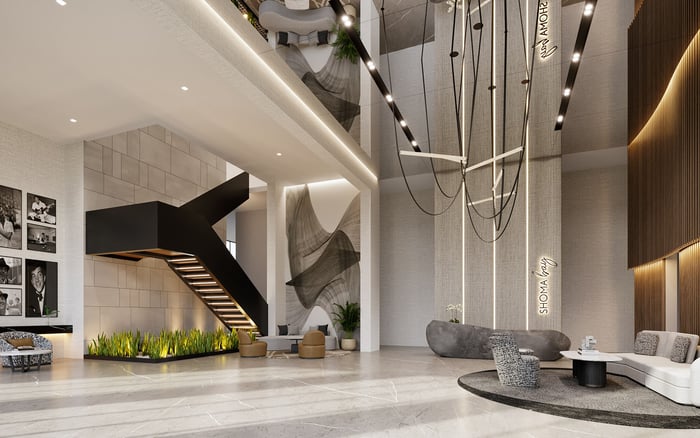
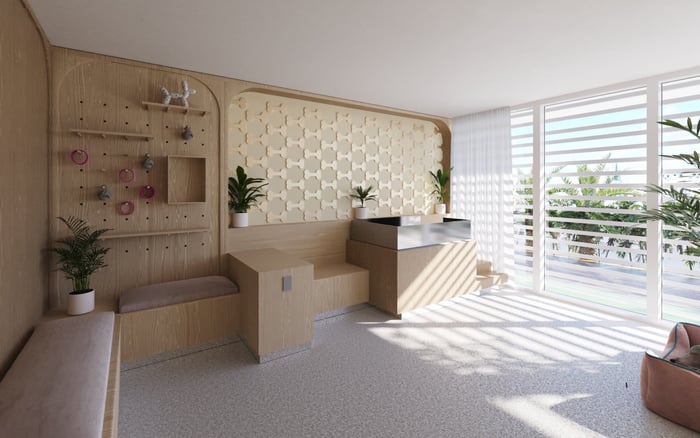
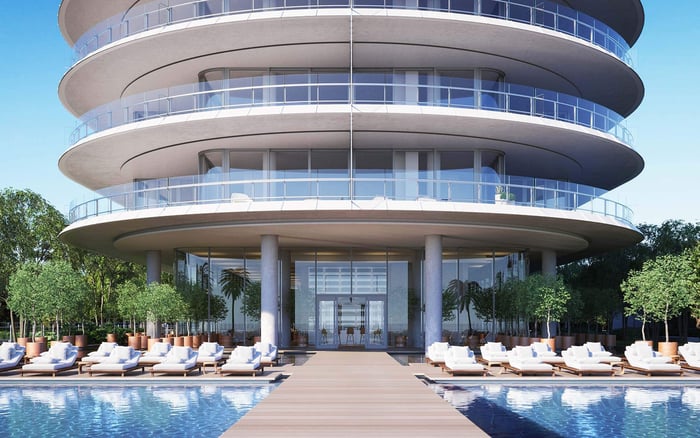
La Maré Bay Harbor Islands reflects a quieter, more practical luxury thesis for buyers evaluating South Florida as a primary residence rather than a seasonal escape.
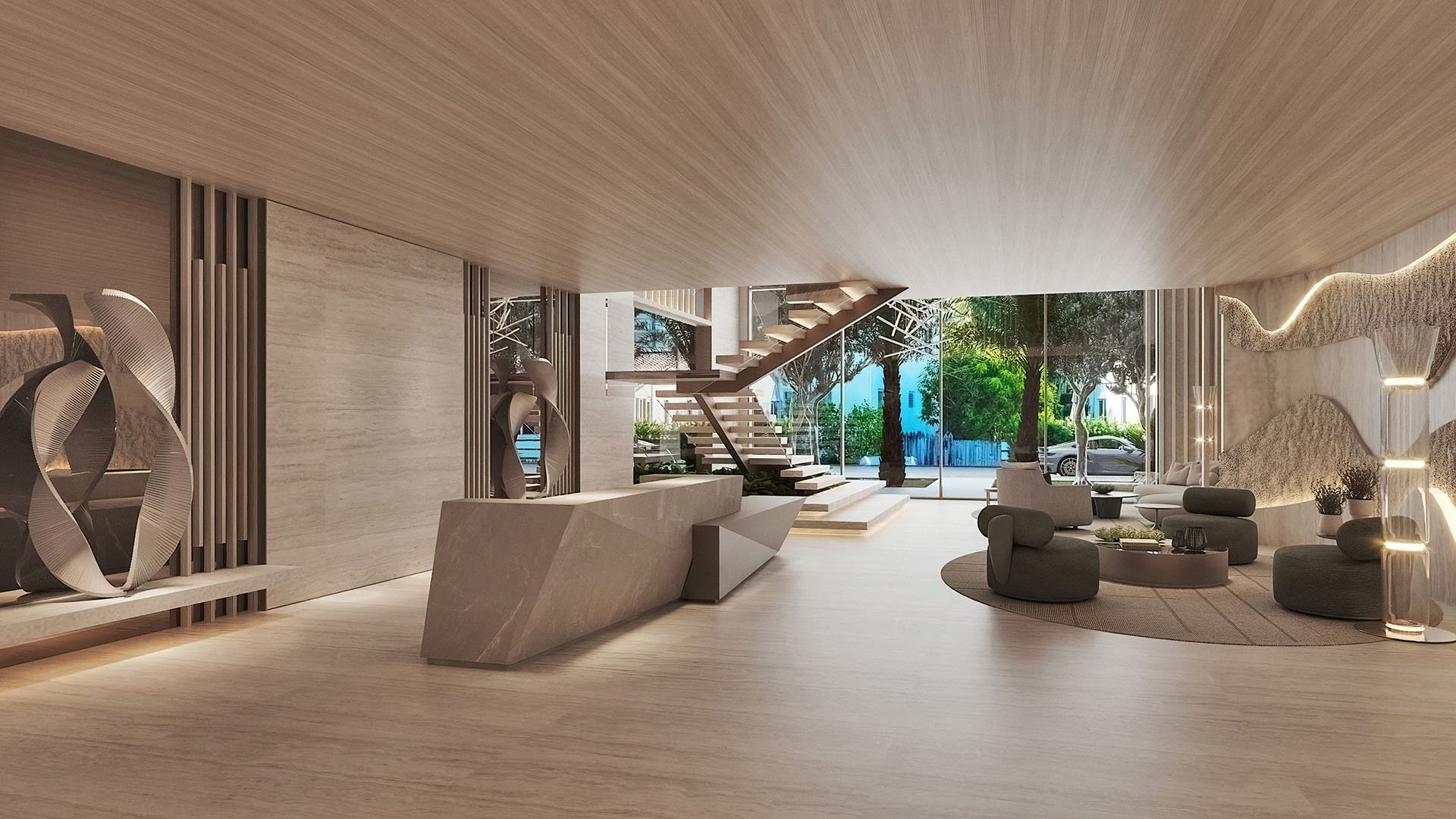
For a certain buyer, South Florida is no longer a seasonal convenience. It is a permanent operating base, a family platform, a tax and domicile consideration, and a lifestyle decision that must perform well beyond the long weekend. That is the lens through which La Maré Bay Harbor Islands is most clearly understood.
The project is positioned less as a resort fantasy than as a luxury condominium address for buyers considering South Florida as a primary-residence base. That distinction matters. A vacation-home purchase can prioritize spectacle, hotel energy, and proximity to entertainment. A primary-residence strategy asks different questions: Is the neighborhood calm enough for daily life? Is access practical? Are schools, healthcare, retail, and transportation infrastructure part of the surrounding rhythm? Does the address support long-duration occupancy rather than occasional use?
La Maré’s answer is rooted in Bay Harbor Islands itself. The setting offers a quieter island environment while keeping residents close to Miami’s coastal luxury corridor. It is intimate in character, materially calmer than higher-energy submarkets such as Miami Beach or Brickell, and positioned between the mainland and the Atlantic barrier-island communities. For buyers who want water, privacy, and access without surrendering daily convenience, that geography is the central proposition.
Bay Harbor Islands occupies a rare middle position in Miami’s luxury map. It is not the mainland, yet it is not fully absorbed into the pace of the beach. It sits between the mainland and the Atlantic-facing communities, giving residents a practical balance of privacy and connectivity. That balance is especially valuable when the home is expected to serve ordinary Tuesday mornings as well as polished Saturday evenings.
The Broad Causeway and 96th Street axis are central to that value. They link the island setting to the beach, luxury retail, everyday services, and mainland Miami. The point is not simply movement for its own sake. It is the ability to live on an island without feeling detached from the metropolitan systems that support full-time life.
This is where Bay Harbor Islands differs from the large oceanfront-tower environment found in nearby coastal markets. The urban character is more intimate. The scale feels more residential. The lifestyle thesis is built around water, calm, and access rather than nightlife or hotel-driven traffic. For buyers comparing the address with Alana Bay Harbor Islands, Onda Bay Harbor, or Bay Harbor Towers, the larger question is not only which building appeals most. It is whether the island itself aligns with a long-term residential plan.
Luxury buyers often speak in abstractions: privacy, serenity, discretion. In practice, those ideas must be supported by location. Bay Harbor Islands delivers calm without requiring isolation. Residents remain close to Bal Harbour, Surfside, Miami Beach, and mainland Miami, while the immediate environment reads quieter and more residential than those higher-visibility nodes.
That proximity is particularly meaningful in relation to Bal Harbour. La Maré benefits from access to the area’s luxury retail and hospitality ecosystem without placing residents directly inside a busier commercial district. A buyer can enjoy the advantages of a celebrated coastal enclave while returning to an address that feels more composed. For those studying nearby alternatives such as Rivage Bal Harbour or Surfside options like The Delmore Surfside, Bay Harbor Islands offers a different temperament: connected, refined, and less overtly resort-driven.
This distinction is important for lifestyle planning. A primary residence cannot rely only on amenities or views. It must hold up under repetition. Morning routines, family logistics, errands, appointments, and evenings at home all become part of the buying equation. La Maré’s bayfront and island context supports that rhythm by emphasizing waterfront calm and daily usefulness rather than constant stimulation.
Many high-net-worth buyers evaluating South Florida are also evaluating Florida domicile and primary-residence strategies. La Maré’s address is useful in that conversation because it supports the type of full-time living profile that domicile planning often requires. Potential homestead-related considerations may also enter the discussion, although those matters should always be reviewed with qualified legal and tax advisers.
The real estate takeaway is simpler: a primary-residence strategy benefits from an address that feels credible as a daily base. Bay Harbor Islands supports that credibility through its access to schools, healthcare, everyday retail, and transportation infrastructure. These are not decorative details. They are the quiet fundamentals that distinguish a genuine residence from a beautiful occasional-use apartment.
La Maré therefore belongs in a category of projects where the question is not only, “Will this be enjoyable?” The more precise question is, “Can this structure my life?” For buyers relocating from another major market, or consolidating their South Florida presence around a more permanent footprint, the answer depends on both building and neighborhood.
A full-time buyer should examine La Maré through the lens of duration. The longer the expected occupancy, the more important the neighborhood’s everyday character becomes. Bay Harbor Islands’ calmer profile may be especially compelling for buyers who find Miami Beach too energetic, Brickell too urban, or larger oceanfront markets too transient in feel.
This does not make the address quiet in the sense of remote. It is strategically close to the coastal luxury corridor, including Bal Harbour, Surfside, Miami Beach, and mainland Miami. The difference is the way access is filtered through a more residential island setting. That creates a softer daily experience while preserving the ability to participate in the broader Miami luxury ecosystem.
For primary-residence buyers, the best comparison set should include both building quality and neighborhood temperament. A buyer may love a dramatic tower and still prefer to live in a more intimate district. Conversely, a buyer may prioritize walkable energy and find Bay Harbor Islands too restrained. La Maré is most compelling for the client who sees restraint as a form of luxury.
La Maré is not trying to be the loudest address in South Florida. Its appeal is tied to long-duration occupancy, where daily livability matters more than short-stay resort energy. The likely buyer values water, calm, and access. They want proximity to elite retail and hospitality, but not necessarily the traffic and intensity that can accompany those environments. They want a refined island address that can operate as a primary residence, not merely a postcard.
That profile aligns with a broader shift in South Florida luxury demand. Buyers are increasingly separating spectacle from usefulness. The strongest addresses are not only beautiful. They are operationally intelligent. La Maré Bay Harbor Islands fits that thesis because its location solves several problems at once: it provides privacy, connects to the beach and mainland, and supports daily residential needs without placing the owner in the middle of a higher-energy district.
For the right buyer, that is the essence of a primary-residence strategy. The home should feel special, but it should also make life easier.
Is La Maré Bay Harbor Islands primarily a vacation-home play? It is positioned for buyers considering South Florida as a primary-residence base, not only as a seasonal retreat.
Why does Bay Harbor Islands work for full-time living? The area combines a quieter island setting with access to schools, healthcare, retail, and transportation infrastructure.
How does the location compare with Miami Beach or Brickell? Bay Harbor Islands is framed as materially calmer than those higher-energy Miami submarkets.
What makes the Broad Causeway and 96th Street axis important? It connects the island environment with beach access, retail, and mainland Miami.
Is Bal Harbour still convenient from La Maré? Yes, the address benefits from proximity to Bal Harbour without placing residents directly inside its busier commercial district.
Does La Maré support Florida domicile planning? The address may be relevant for buyers evaluating domicile and homestead-related considerations, with professional tax and legal guidance.
Is Bay Harbor Islands more intimate than nearby oceanfront markets? Yes, its urban character is described as more intimate than large oceanfront-tower environments nearby.
What lifestyle does La Maré emphasize? The lifestyle thesis centers on water, calm, and access rather than nightlife or hotel-driven traffic.
Who is the strongest buyer fit for La Maré? It suits buyers who want a long-duration luxury residence with privacy, connectivity, and daily livability.
Should buyers compare La Maré with nearby coastal enclaves? Yes, comparisons with Bal Harbour, Surfside, Miami Beach, and mainland Miami help clarify the address strategy.
For a discreet conversation and a curated building-by-building shortlist, connect with MILLION.
If branded residences are on your mind — as a home or as an allocation — we would be glad to share what we are seeing, privately.
Begin a quiet conversation